"Photography is not about the thing photographed. It is about how that thing looks photographed."
Pricing fine art prints for the Australian market
The business of fine art photography has two audiences: the people who make the work and the people who want to live with it. A print must satisfy both. It should carry the character of the artist’s practice, yet arrive as a considered object with a fair price, dependable delivery and terms a buyer can understand. Getting those elements right turns an image into a sustainable product rather than an occasional favour or an improvised online sale.
For Australian collectors, that product often crosses borders. Rafal Michalak is an award-winning photographer based in Wrocław, Poland, working with analogue processes, medium-format and black-and-white film, darkroom principles and digital workflows. His approach gives a print a layered story, but the purchase is still made in Australian dollars and judged against local expectations around tax, framing, gallery margins and delivery. Clear pricing lets the international origin add interest without creating uncertainty.
A print is an object, not a downloaded file
A fine art print is not the same as an open digital download. Its value can rest on the negative or master file, the printing method, paper choice, edition number, signature, certificate and presentation. Size and format also influence the buyer’s perception of presence. A carefully produced fibre-based print and a pigment print on aluminium are not competing versions of one product; they are different objects with different production costs and audiences.
Buyers also pay for context. The artist’s record, the seriousness of a conceptual photographic series and the way an image was made can justify a higher figure, especially when the work is supported by an exhibition history or a coherent body of writing. The strongest pricing decision treats those intangible elements as value, not as mysterious markup. It explains what the buyer receives and why the edition exists.
A useful parallel can be found in Max Goh photography, where a personal portfolio sits alongside commercial services. That distinction matters for fine artists too: portraiture, fashion and event commissions may finance the practice, while selected personal projects are offered as limited objects. Keeping those categories clear prevents the urgency of a client commission from dictating the price of a contemplative print.
Build a defensible cost floor
A defensible price starts with a cost floor. Separate production time from price inflation: charge for the creative day, pre-production, negative handling or scanning, retouching, proofing, colour matching and editioning. Then add the physical print, certificate, packaging, insurance, payment charges and a fair allocation of studio overhead. The aim is not to make the first calculation sentimental; it is to know the point below which the work stops being viable.
A compact worksheet separates direct expenses from the perceived value of the offer.
Cost inputs
- Creative labour: concept development, capture, selection, editing, preparation and edition management.
- Materials and process: negatives or masters, paper or substrate, ink, mounting, signing and certificates.
- Overhead and administration: equipment, insurance, studio space, website, sales calls and bookkeeping.
- Fulfilment: framing, protective packing, freight, payment fees, tax handling and a realistic allowance for damage or returns.
Value inputs
- Artistic standing: awards, exhibitions, press and the coherence of the body of work.
- Scarcity: the edition policy, number printed and whether numbers are withheld.
- Physical presence: dimensions, framing quality, print process and tactile qualities.
- Purchase context: framing or delivery needs, instalment options, commercial use and urgency.
A simple model is to divide the total cost by one minus the target gross margin. If the landed, unframed cost is A$180 and the planned gross margin is 50 per cent, the retail price before GST is A$360. The example is modest, but the discipline is useful. It exposes weak editions, underpriced framing and fees absorbed by the artist. Increase the target only when added value is visible to the buyer, such as exceptional rarity, a demanding format or a substantial artist profile.
Review the floor after every major change in materials, studio rent, freight or commission structure. A price list that lives in a spreadsheet and reflects the actual operation is stronger than a round figure chosen years ago. It also gives galleries, stockists and assistants a reliable reference, which matters when a collector asks for a considered answer rather than a quick quote.
Set edition and scarcity policies
Editioning is the clearest way to express scarcity. A unique work can carry the highest price because only one exists. A fixed edition of 20 or 50 is easier to explain and often becomes the preferred choice for collectors who want a traceable object without chasing a one-off. An open edition can serve an audience that values variety, although its effective scarcity should be stated honestly rather than dressed up with a large edition number.
Smaller formats generally require less material and can open the lower end of the collection, while larger prints or panoramic works command more because of their presence and production demands. Price each size from its own cost base, then apply the edition policy. Signatures, certificates and frames can be included or itemised separately; the final landed figure should remain easy to compare.
Australian buyers often ask plain questions: Is the edition number shown? Is the frame included? Is the price before or after GST? A clear edition certificate answers the first, a price specification answers the second, and tax wording answers the third. Galleries in Melbourne’s Windsor and Collingwood or Sydney’s Paddington and Surry Hills may handle fine art in different ways, but buyers still expect transparent language. Precise terms reduce the chance that a fair price feels like a trick.
Account for frame, freight and Australian conditions
Framing is both a product and a service. Museum-grade or conservation framing normally costs more than a straightforward gallery frame because of the time, materials and glazing involved. Acrylic glazing offers lighter handling and good clarity; glass can scratch but may be preferred for a traditional presentation. Mat boards, backing boards, hinges and seals should suit the medium. List the unframed price, then the frame as a visible option or upgrade.
Climate matters in Australia. High humidity and strong UV exposure in Brisbane or Darwin can threaten paper and glazing, while Melbourne’s rapid seasonal changes can test framing seals. Specify archival materials, recommend suitable hanging conditions and explain whether the artist or buyer owns the frame. For a work travelling from Wrocław, local framing after arrival can reduce damage risk, but it creates an extra workflow that must appear in the price.
Delivery is another line that should not be buried. International courier, insurance, export packing and local distribution all belong in the landed-cost calculation. GST can apply to imported goods, while customs duty depends on the declared value and classification, so artists and buyers should confirm current treatment rather than assume the A$1,000 low-value threshold creates a universal exemption. Remote-area surcharges and collection options can then be stated in Australian dollars.
Match pricing to the route to market
Price architecture should follow the route to market. Direct sales can show the full edition policy and support the artist’s archive. A gallery may provide curation, placement, installation advice and a trusted venue; consignment commonly removes 40 to 60 per cent of the retail price, though the actual agreement varies. Stockists and specialist printers can add reach, but they also need wholesale terms, production specifications and responsibility for condition reporting.
Many Australian artists build visibility through local events. Adelaide Fringe, Melbourne Fashion Week and corporate conferences create audiences for portrait, fashion and event imagery, while collectors may later encounter that work in a print series. Those markets reward responsiveness, yet they are not the same as fine art sales. Model release, commercial usage and the right to reproduce a person’s image should be addressed separately from print price, especially when an event photograph becomes collectible.
The language can remain relaxed without becoming vague. Australian buyers may say a price feels “not too dear” when they mean it is fair for the story, size and provenance; they may also want to know whether a payment plan adds a fee. Offering a small, medium and large edition, a framed option and a delivery estimate gives them something concrete to discuss. An anchor price can start the conversation, while the final invoice should never surprise.
Make the offer clear before the invoice
A strong print offer fits on one page. Name the series, photograph, edition size, edition number, dimensions, process, paper or substrate, signature and framing status. State the currency, whether GST applies, expected delivery location, shipping method and returns position. Include a short curatorial sentence about the image’s place in the larger project. This is enough detail for a serious collector and an Australian gallery partner, yet concise enough to use on a sales sheet.
Commercial clients need a parallel, separate rate card. Business portraits, event coverage and fashion commissions involve time, crew, travel, retouching, usage and turnaround. Packages should define revisions, delivery times, expenses and licensing. The earnings from that work can support the print programme, but mixing a service fee into the art catalogue makes both harder to understand. A client can see what the photograph costs to produce; a collector can see what the object is worth.
Rafal’s combination of traditional film practice and considered digital workflow supports a nuanced offer: the work carries the authority of analogue craft while remaining precise about contemporary production and fulfilment. Collectors who want availability, edition details or a framed delivery can request a print quote and receive a proposal based on size, edition, destination and presentation. The result is a professional price built around the photograph’s material reality, the artist’s labour and the collector’s experience of ownership.
Selected Series
A cross-section of commissioned and personal projects spanning fine art, commercial, and conceptual work.
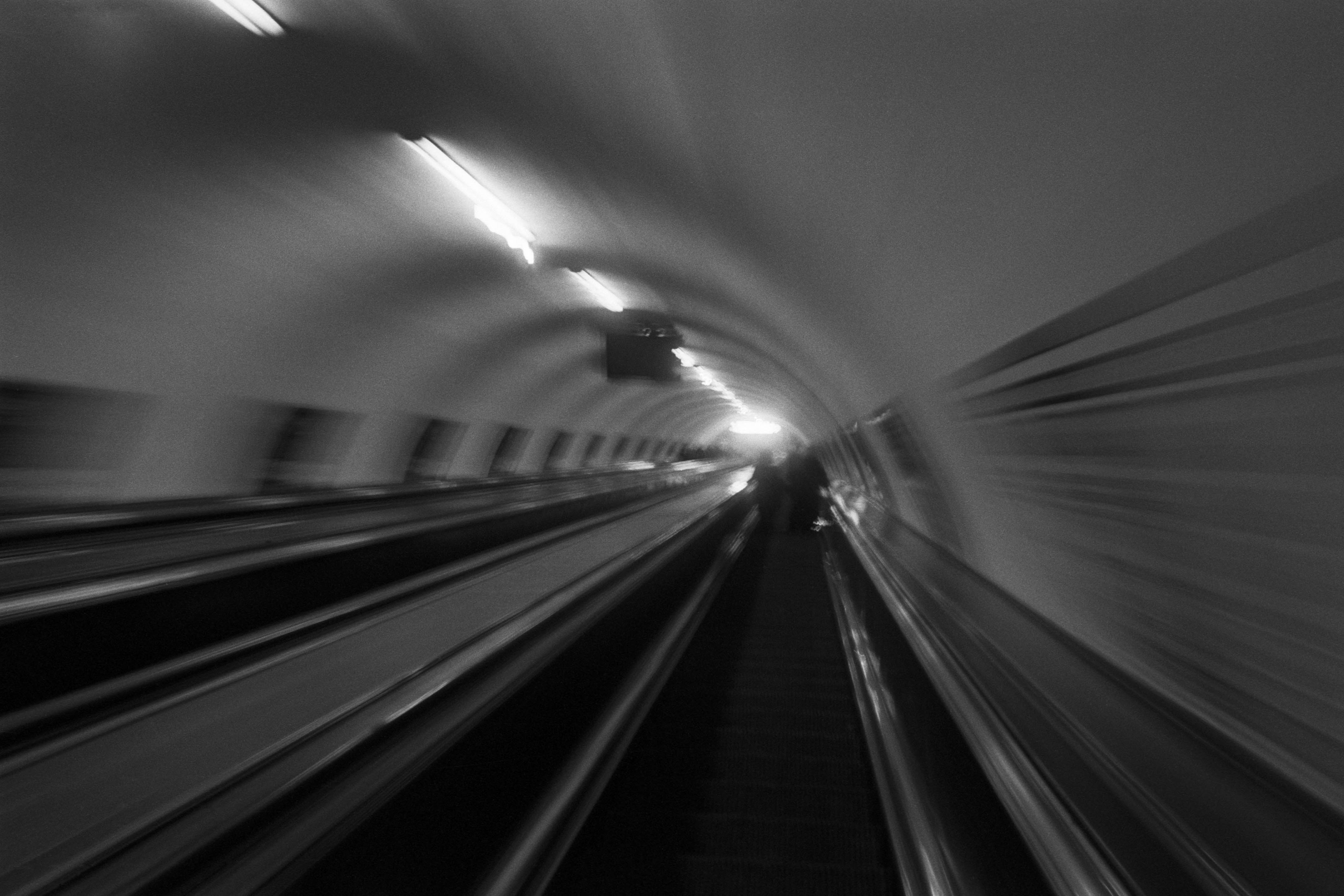
The Wall
2015Winner of the 1st prize & Golden Glass Award at the 11th Photographic Open Championship Olsztyn, and 1st place with the Special Prize of FORMAT magazine at the 3rd Biennial of Art in Piotrków Trybunalski.
View Series →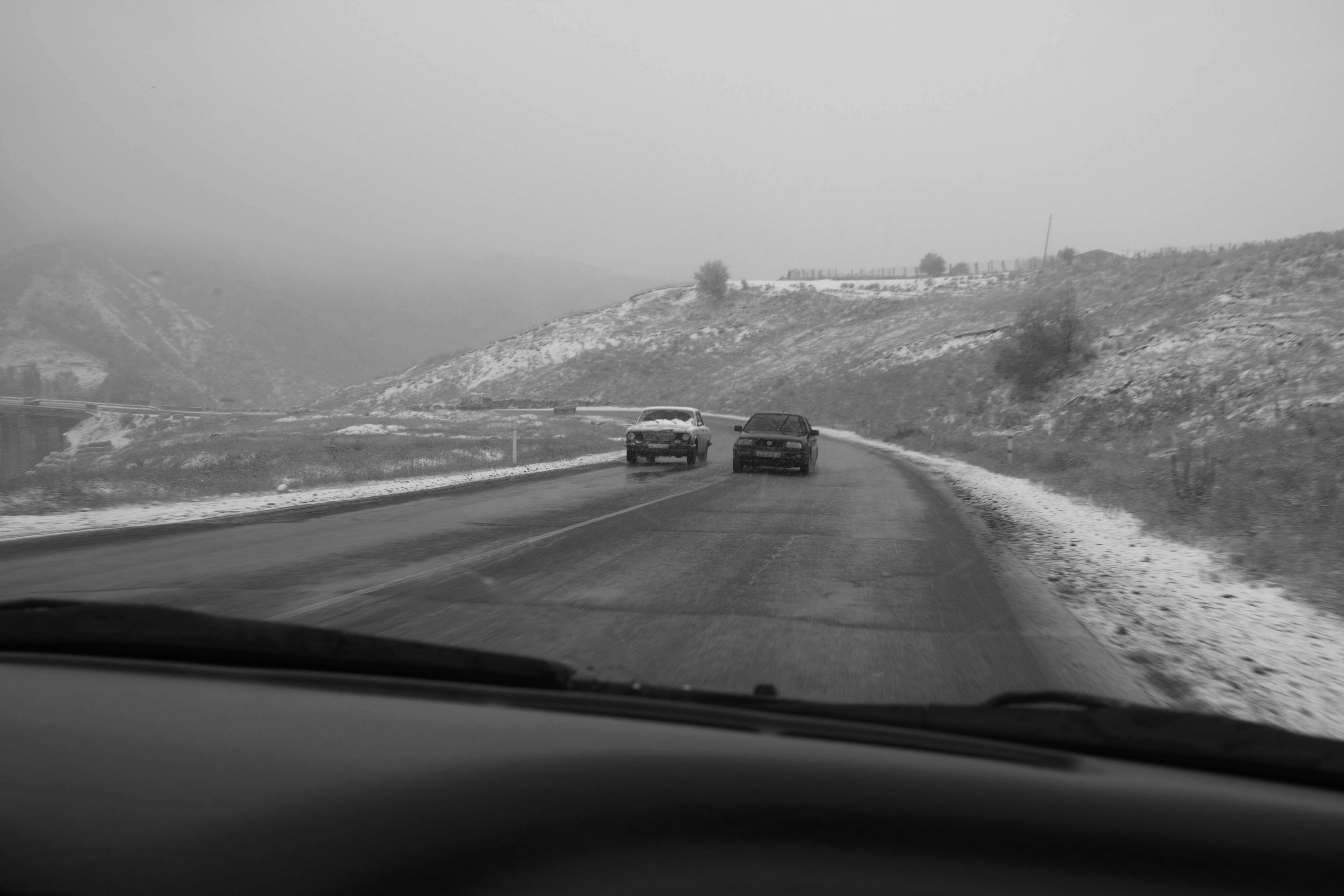
An Engagement Ring
2011A narrative series set in Wrocław in August 2011. Awarded 2nd prize & Silver Glass at the 10th Photographic Open Championship Olsztyn in 2014.
View Series →
Heat Wave
2014A documentary series recording spontaneous events across August and September 2014, capturing the raw energy of a city under the grip of summer.
View Series →