

"Photography is not about the thing photographed. It is about how that thing looks photographed."
The business of photography: marketing your brand
A photography business is built on more than a strong portfolio. Clients need to understand what you offer, why your approach is distinctive, and how your images will help them communicate with their own audience. Marketing turns creative skill into a recognisable professional brand, giving potential clients a clear reason to choose your work over another photographer’s.
For a photographer, the brand is visible in every detail: the images on a website, the tone of an email, the way a quotation is presented, and the experience of being photographed. A consistent visual identity creates confidence before the first meeting. It also helps a specialist photographer attract the right assignments, from executive portraits and fashion campaigns to events, editorial commissions, and conceptual projects.
The Australian market offers plenty of opportunities for photographers who understand local business culture and digital behaviour. A consultant in Sydney, a fashion label in Melbourne, a creative agency in Brisbane, and a hospitality group in Perth may all need professional photography, yet each requires a different visual language. Effective promotion begins by identifying that language and presenting it with clarity.
Build a recognisable visual identity
A successful photography brand starts with a defined point of view. This does not mean restricting yourself to one subject forever. It means showing a coherent way of seeing. Tonal choices, composition, lighting, colour, retouching, and the emotional atmosphere of your images should feel related, even when the projects vary.
An analogue process can become a meaningful part of that identity. Medium-format film, black-and-white photography, darkroom principles, and considered digital production communicate patience and craft in a marketplace filled with instantly produced images. These methods should not be presented as decoration or nostalgia. They become valuable when they support a particular result: portraits with depth, fashion images with texture, or a campaign with a distinctive cinematic quality.
Your website should make this visual identity easy to recognise within seconds. Select portfolio galleries by client need and creative strength rather than uploading every acceptable photograph. Separate business portraits, commercial commissions, events, fashion, and personal series where appropriate, while allowing visitors to see the connection between them. A curated portfolio usually creates greater trust than a large archive with no clear structure.
Brand consistency also applies to written communication. Use a similar tone across your biography, Instagram captions, proposals, invoices, and LinkedIn profile. If your photography is refined and observant, language that is rushed or overly promotional will create a mismatch. A clear description of your process can be as persuasive as an impressive image.
Define the clients and problems you serve
Marketing becomes more efficient when you know who you want to reach. “Anyone who needs photographs” is too broad to guide a website, social media plan, or sales conversation. Consider the industries, decision-makers, and assignments that suit your experience. Your ideal client may be a founder preparing for a national media profile, a creative director commissioning a campaign, or a company updating portraits across several offices.
Think in terms of client problems rather than photographic categories alone. A business may need a consistent set of executive headshots for its website and annual report. An architect may require images that express precision and materiality. A restaurant group may need a library of photographs for menus, media releases, social channels, and booking platforms. Showing how your work solves these communication needs makes your services easier to understand.
Local context matters in Australia. A company preparing for the end of financial year may have a tight production schedule for its annual report, staff portraits, or employer branding campaign. A Melbourne fashion studio may value experimental film work, while a Sydney corporate team may prioritise efficient location production and consistent lighting across multiple executives. In Brisbane, a campaign may need imagery that works in bright outdoor conditions as well as digital advertising formats.
Create dedicated service pages or portfolio galleries for the audiences you want to attract. Explain the purpose of each service, what the client receives, how the shoot is organised, and where the images can be used. Search terms such as “corporate photographer Sydney”, “business portrait photographer Melbourne”, or “commercial photography in Brisbane” can be useful when they accurately reflect your location and availability. Search visibility works best when it follows genuine specialisation rather than artificial keyword repetition.
Turn your portfolio into a marketing channel
A portfolio is a sales tool, not simply a display of favourite images. Each gallery should provide evidence of your ability to manage a real assignment, including preparation, direction, production, and delivery. A potential client wants to see the final result, yet they also wants reassurance that you can work within a brief, represent a brand accurately, and deliver a reliable experience.
Project stories are particularly effective for commercial photography. Briefly explain the client’s objective, the creative response, the location, and the final applications. A series of portraits can demonstrate how you put people at ease. An event gallery can show discretion, timing, and the ability to capture important interactions without interrupting them. A fashion commission can reveal how you collaborate with stylists, models, art directors, and production teams.
Search engine optimisation should support the portfolio rather than control it. Give image files meaningful names, write concise alternative text, and include relevant location and service information on the page. Compress photographs carefully so the website loads quickly without compromising presentation. A beautifully designed site that performs poorly on mobile devices will lose visitors, particularly people researching suppliers between meetings or while travelling across Sydney’s business districts.
Social media should extend the story of your website. Instagram can present finished work, details from a shoot, and the physical qualities of film or print. LinkedIn is valuable for business portraits, personal branding, corporate commissions, and professional case studies. Short behind-the-scenes posts can explain decisions about lighting, styling, location, or direction. The goal is to demonstrate expertise and build familiarity, rather than publish a constant stream of unrelated images.
Email remains useful for maintaining professional relationships. A considered newsletter might include a recent project, a practical portrait tip, or a short reflection on visual communication. Keep the frequency manageable and make every message relevant to the people receiving it. Previous clients, art directors, agencies, and local businesses are more likely to respond when communication feels personal and purposeful.
Create trust through the client experience
Photography marketing does not stop when someone makes an enquiry. The enquiry response, briefing process, quotation, contract, and delivery all contribute to the brand. A fast, thoughtful reply can distinguish a professional photographer from someone who is difficult to reach. State your availability, ask focused questions, and provide enough information for the client to decide on the next step.
A strong proposal should connect the creative idea with practical details. Include the purpose of the session, estimated timing, location considerations, number of people or looks, deliverables, retouching, usage rights, and payment terms. Commercial clients often need clarity about where and how long images may be used. Licensing should be discussed before production, especially for advertising, packaging, national campaigns, or work commissioned through an agency.
The Australian business environment rewards straightforward communication. Many clients appreciate a warm, direct style rather than excessive formality, but they still expect clear documentation. Include your business details, payment schedule, cancellation terms, and any applicable GST information when relevant to your business structure. For larger productions, allow time for approvals, location permissions, call sheets, weather contingencies, and insurance requirements.
The shoot itself should feel organised without becoming mechanical. Prepare references, confirm the schedule, check equipment, and communicate expectations to everyone involved. During a portrait session, direction matters as much as technical skill. People who are not accustomed to being photographed need calm guidance about posture, expression, movement, and wardrobe. A positive experience often leads to repeat work and referrals long after the gallery has been delivered.
Ask for testimonials and permission to publish selected images when the project is complete. A short client statement can address qualities that photographs cannot prove by themselves: punctuality, collaboration, discretion, flexibility, and the ability to make people feel comfortable. Place these testimonials beside relevant case studies so they reinforce the evidence already visible in the work.
Build relationships that lead to sustainable work
Photography businesses grow through relationships as much as through public promotion. Agencies, designers, stylists, producers, public relations consultants, venues, and communications managers often recommend photographers to their clients. Introduce yourself with a concise message, a relevant portfolio link, and a clear explanation of the assignments you are best placed to handle.
Networking does not need to be forced or performative. Attend exhibitions, creative industry events, business breakfasts, and local professional gatherings. In Australia, organisations such as local chambers of commerce and industry associations can provide access to business owners who may need portraits, workplace imagery, or event coverage. Follow up after a conversation with something useful rather than an immediate sales pitch.
Referrals become stronger when people can describe your service in one sentence. “A photographer who creates thoughtful executive portraits and polished commercial imagery” is easier to remember than a long list of unrelated specialties. Develop a short verbal introduction and keep your website, portfolio categories, and social profiles aligned with it.
Track where enquiries come from and which services produce profitable work. A simple spreadsheet can record referral source, project type, fee range, production time, licensing, and whether the client returned. This information helps distinguish visibility from business value. A post that receives many views may generate no enquiries, while a quiet relationship with a design studio may lead to several substantial commissions.
Protect time for personal projects as part of your commercial strategy. Conceptual series, darkroom work, and independent portrait studies can sharpen your creative voice and attract clients who value an individual perspective. They give your audience something deeper than a sequence of advertisements and can create opportunities for exhibitions, editorial features, collaborations, and commissioned work.
Practical priorities for growing your photography brand
A focused marketing system is easier to maintain than a long list of disconnected activities. Choose a small number of actions that support your positioning and repeat them consistently. Review the results every few months, refine the message, and keep the quality of the work at the centre of the process.
Recommended priorities
- Curate separate portfolio galleries for the commercial services and creative projects you want to grow.
- Publish case studies that explain the brief, creative decisions, production process, and final image usage.
- Keep your website, Google Business Profile, LinkedIn presence, and Instagram account consistent in tone and contact details.
- Build relationships with agencies, designers, public relations teams, venues, and businesses in your target Australian cities.
- Record enquiry sources, project costs, licensing income, and repeat bookings to understand which marketing activities support the business.
Pricing should reflect the full value of the assignment rather than the number of hours spent holding a camera. Account for pre-production, creative development, equipment, assistants, travel, editing, retouching, archiving, insurance, administration, and usage rights. A carefully calculated fee protects the quality of the work and sets a professional expectation from the beginning.
A photographer’s reputation is shaped through repeated evidence. Strong images attract attention, clear positioning creates relevance, and a dependable client experience earns trust. When these elements support each other, marketing becomes less about chasing every opportunity and more about building a durable place in the market. From a film portrait made in a quiet studio to a commercial campaign produced for a national brand, every project can reinforce the story of the photographer behind it.
Selected Series
A cross-section of commissioned and personal projects spanning fine art, commercial, and conceptual work.
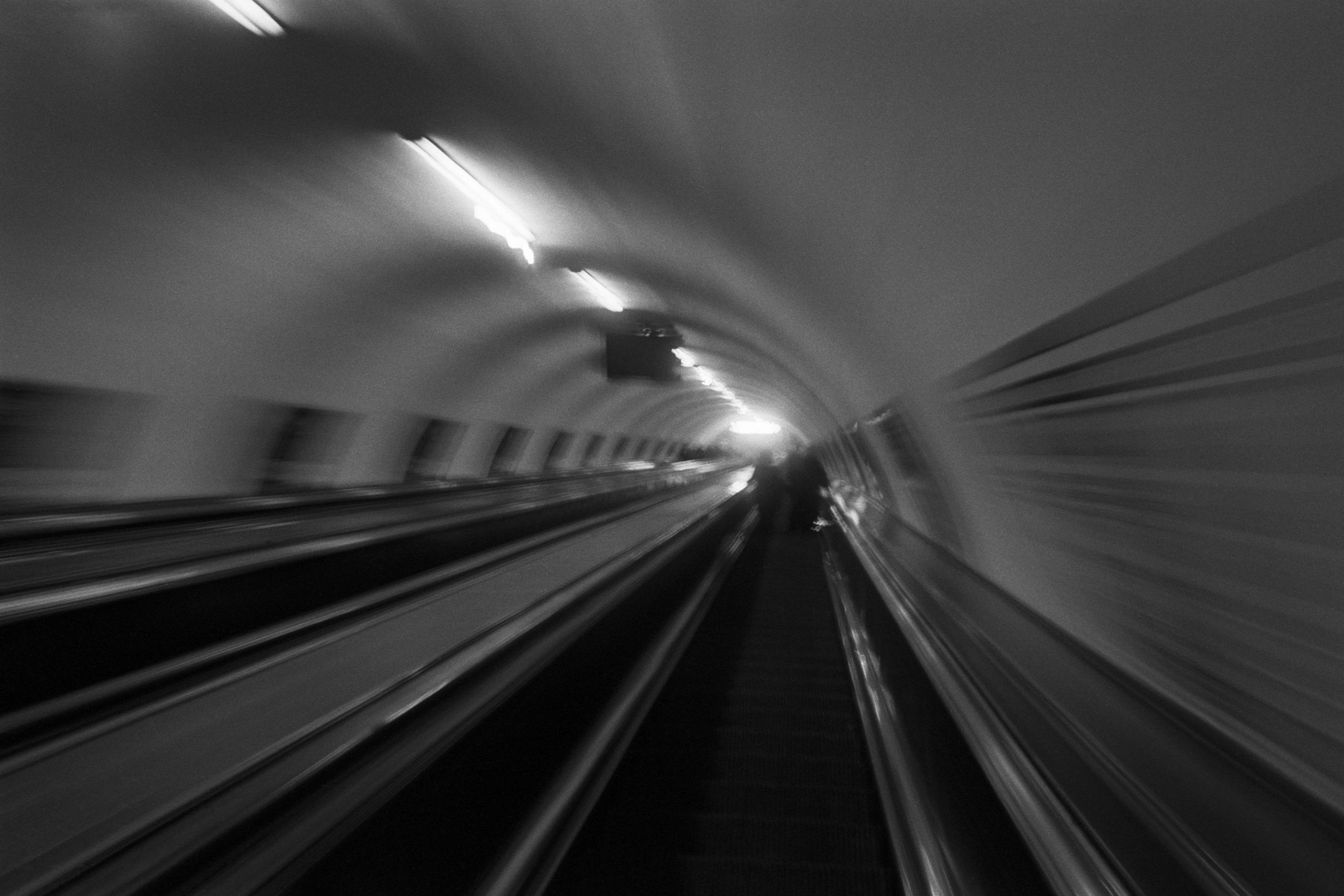
The Wall
2015Winner of the 1st prize & Golden Glass Award at the 11th Photographic Open Championship Olsztyn, and 1st place with the Special Prize of FORMAT magazine at the 3rd Biennial of Art in Piotrków Trybunalski.
View Series →
An Engagement Ring
2011A narrative series set in Wrocław in August 2011. Awarded 2nd prize & Silver Glass at the 10th Photographic Open Championship Olsztyn in 2014.
View Series →
Heat Wave
2014A documentary series recording spontaneous events across August and September 2014, capturing the raw energy of a city under the grip of summer.
View Series →