
"Photography is not about the thing photographed. It is about how that thing looks photographed."
Writing Photography Contracts for Australian Business Clients
Photography commissions rarely fail because the images lack impact. They unravel when both sides assume that a friendly brief, a text message or an invoice settles the important details. A photography contract defines the work, its cost and the rights attached to the result. It protects the photographer from unlimited revisions and vague usage, while giving the client a reliable record of what will be delivered.
For Australian businesses, that record is valuable when a campaign involves employees, public locations, paid media or several suppliers. The agreement can connect creative direction to permissions, payment milestones and a workable production schedule. Rafal Michalak’s professional background shows a practice spanning fine art, fashion, events and business portraits; the same commercial clarity protects that creative breadth without making each commission feel rigid.
Define the Commission and Creative Direction
Begin with the legal identity of each party. Record the client’s company name, trading name, Australian Business Number if applicable, billing address, authorised contact and the photographer’s corresponding details. A purchase order can sit alongside the contract, but it should not silently override negotiated terms. State which document controls if a proposal, email or purchase order contains different wording.
Describe the commission in plain, observable terms: the location, date, duration, subjects, purpose, intended audience and expected number of final images. A business portrait day might cover four employees over five hours and produce twelve retouched files. A fashion campaign might require a different team, studio, wardrobe process and level of polish. Specific examples prevent an expensive concept from becoming an unlimited production expectation.
Attach a creative brief, shot list, call sheet or mood board as a signed schedule. Give the client a formal way to approve the direction before the shoot, while preserving reasonable artistic judgement for the photographer. Identify excluded work, such as additional locations, extra subjects, drone footage or rush editing. If the brief changes after approval, use a written change order that records the cost and revised deadline.
Set Fees, Invoicing and Cancellation Terms
State the fee in Australian dollars, including whether it covers the stated deliverables, and list expenses separately. Travel, accommodation, parking, stylists, makeup artists, permits, assistants and specialist equipment should be either fixed charges or capped estimates with an agreed rate for overruns. For a wider view of commercial photography economics, a photographer’s perspective can help distinguish a sustainable quote from an improvised guess.
Set the payment milestones and due dates. A deposit may reserve the date, with the balance linked to delivery; the contract should explain the circumstances in which the deposit is retained or refunded. Once annual taxable turnover reaches $75,000, GST registration is generally required in Australia. Registered businesses should show their ABN and GST treatment on invoices, and a 10% GST charge may apply. For ordinary invoices, include a clear due date and a reasonable consequence for late payment, such as interest at a lawful rate.
Define cancellation, postponement and kill-fee arrangements using dates rather than vague wording. The photographer can specify a booking fee, reimbursement of committed costs and a cancellation charge based on the remaining labour and contracted suppliers. Where the Australian Consumer Law applies, an excessive penalty can be unfair, so the amount should be defensible rather than punitive. Cover late delivery, venue closure, severe weather and illness, with a process for rescheduling rather than a surprise invoice.
Allocate Copyright and Licence Image Use
Under Australian law, the photographer generally owns copyright in commissioned photographs unless the parties agree otherwise in writing. Decide whether the client needs ownership, an exclusive licence or a non-exclusive licence. Business marketing and advertising are not the same use: a headshot bought for a company profile may not support a national campaign, product packaging or use by an unrelated agency. Define permitted uses instead of transferring every possible right by default.
Licence terms can cover duration, territory, channels, paid media, social platforms, internal communications, print runs and the number of adaptations. State whether the client may crop or retouch, and whether approval is required for sensitive alterations. Commercial campaigns often need a separate licence for stock footage, extended advertising or use after an employee leaves the business. Quote fees and approval costs for those extensions rather than assuming they fall within the original commission.
Address moral rights and attribution without pretending a copyright transfer erases every creator’s interest. Name the photographer or studio for credits where required, and set a process for handling requests to alter an image. If the client resells products, makes factual claims about subjects or places the images in sensitive contexts, the agreement can require an agreed accuracy check. It can also prohibit uses that imply endorsement beyond the commissioned message.
Specify Deliverables, Review and Acceptance
List each deliverable with its technical and creative specifications, including dimensions, colour profile, file format, resolution, background, retouching level and delivery method. Scans of analogue negatives, high-resolution digital captures, web-sized JPEGs, RAW files and layered working files are separate products. A sensible schedule can state that RAW files, unlimited revisions and full-resolution files from every setup are excluded unless their price and purpose are expressly agreed.
Set a review and acceptance process. Give the client a defined period to nominate corrections, then specify the number of included rounds and how long each round may take. “Until satisfied” invites an endless loop. Make final acceptance depend on written confirmation against the agreed brief, or a reasonable default if no response arrives. State the expected delivery window after shooting, retouching, retakes and client feedback, including the effect of delayed approvals.
Link delivery dates to responsibilities for access, scheduling and approvals. A team shoot in central Sydney may depend on office access, security, power, parking and permits; a campaign in Melbourne may need different council permissions and local crew. State who supplies props, clothing, talent and final copy. A weather contingency and an alternative indoor location or postponement date will protect both sides when outdoor conditions make the original plan impracticable.
Handle Releases, Privacy and Public Locations
Create a consent and releases process appropriate to the subjects. A model release should identify the photographer and client, describe the planned commercial use, and be signed by the person shown or an authorised guardian for a minor. Consent to appear in a portfolio is not consent to appear in every advertisement. Business clients should also check employment policies, workplace rules and any requirement for a property release from a private venue owner.
Privacy obligations belong in the workflow, not merely in a confidentiality clause. The Privacy Act 1988 and Australian Privacy Principles may apply to many organisations, depending on turnover and the information involved. Collect only necessary details, explain why they are required, restrict access to image files and set a deletion period. Commercial marketing messages sent electronically must also meet the Spam Act 2003, including consent where required and clear unsubscribe and contact details.
Location permissions often belong in the production schedule. For a shoot around Sydney’s CBD, Melbourne laneways or a council-owned venue, check the relevant council, transport authority and property rules before booking. An out-of-hours permit may restrict access to noise, lighting or street activity. Where a commission involves Aboriginal or Torres Strait Islander cultural material, agree attribution and cultural protocols with the relevant rights holders; a standard client instruction cannot substitute for that process.
Allocate Risk, Insurance and Liability
Write proportionate liability clauses. The photographer can limit responsibility for the photographic services to the fee paid, while excluding indirect losses such as lost sales, missed campaigns or reputational harm where legally permissible. Some clients may seek a higher cap, an uncapped claim or an indemnity for third-party rights. Price unusual obligations rather than accepting them through a broad promise to indemnify every possible claim. Material indemnities and unlimited liability deserve review by an Australian legal adviser before signature.
Insurance is evidence that risk has been considered, not a substitute for clear terms. Many commercial clients in Australia request a certificate of currency for public liability cover, commonly at $5 million or $10 million, and may ask about equipment, cancellation or professional indemnity cover. Check that the policy actually covers the planned activity and location. A certificate showing the wrong entity, activity or expiry date will not satisfy a client’s due diligence process.
Name approved subcontractors and photographers, such as a stylist, second shooter or retoucher, and state who supervises their work. Keep key contact details and backup copies of RAW files, but do not promise indefinite archiving. For digital delivery, use secure transfer and access controls. A sensible dispute clause can require a prompt written explanation, a good-faith meeting and mediation before proceedings, while preserving each party’s right to seek urgent relief or legal advice.
Make the Agreement Work Day to Day
Put the entire agreement in one document. Use a signature block for both parties, date the contract, identify electronic-signature methods and state which email addresses receive notices. A schedule containing locations, names, deliverables, fees and licence terms can be incorporated by reference. Set the order of precedence among the contract, signed schedule, proposal, purchase order and subsequent change orders so that later emails do not create accidental inconsistencies.
Assign a single client contact who can approve creative decisions and a single photographer contact who can confirm scope and costs. Agree how long each party should respond to an approval request and what happens to the schedule if that response is late. Confidentiality should identify which information is protected, its permitted business use and any required return or deletion. Restrict access to the final images to people who need them for the agreed purpose.
Keep the signed contract with the brief, releases, insurance certificate and invoice records, and retain proof of delivery and acceptance. Note every approved variation so finance staff can match invoices to the current terms. A separate conflict-of-interest check can record when a commercial client also appears in editorial work, especially if exclusivity or prior usage matters. These habits turn a promising brief into an auditable business relationship and make later questions easier to answer.
Selected Series
A cross-section of commissioned and personal projects spanning fine art, commercial, and conceptual work.
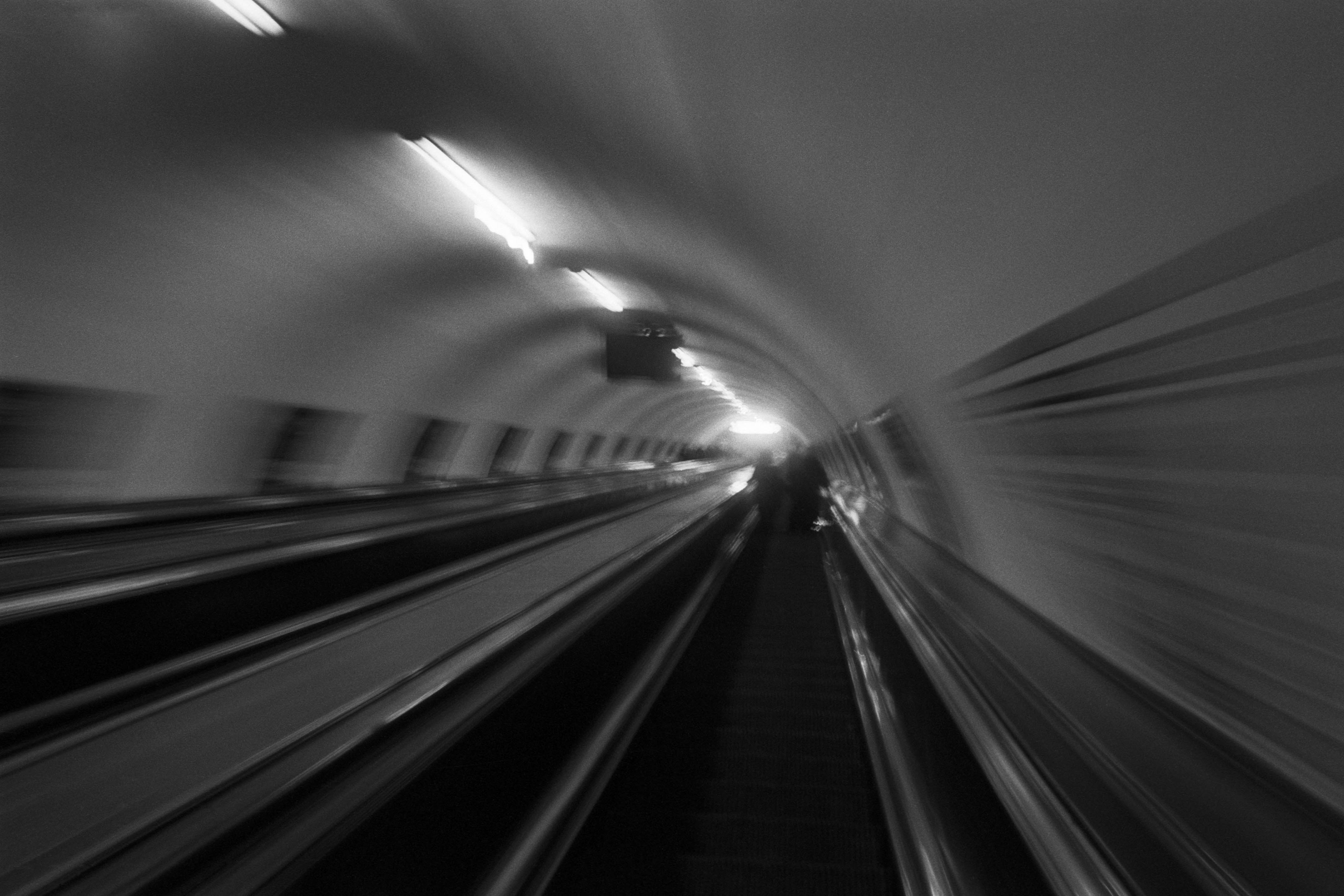
The Wall
2015Winner of the 1st prize & Golden Glass Award at the 11th Photographic Open Championship Olsztyn, and 1st place with the Special Prize of FORMAT magazine at the 3rd Biennial of Art in Piotrków Trybunalski.
View Series →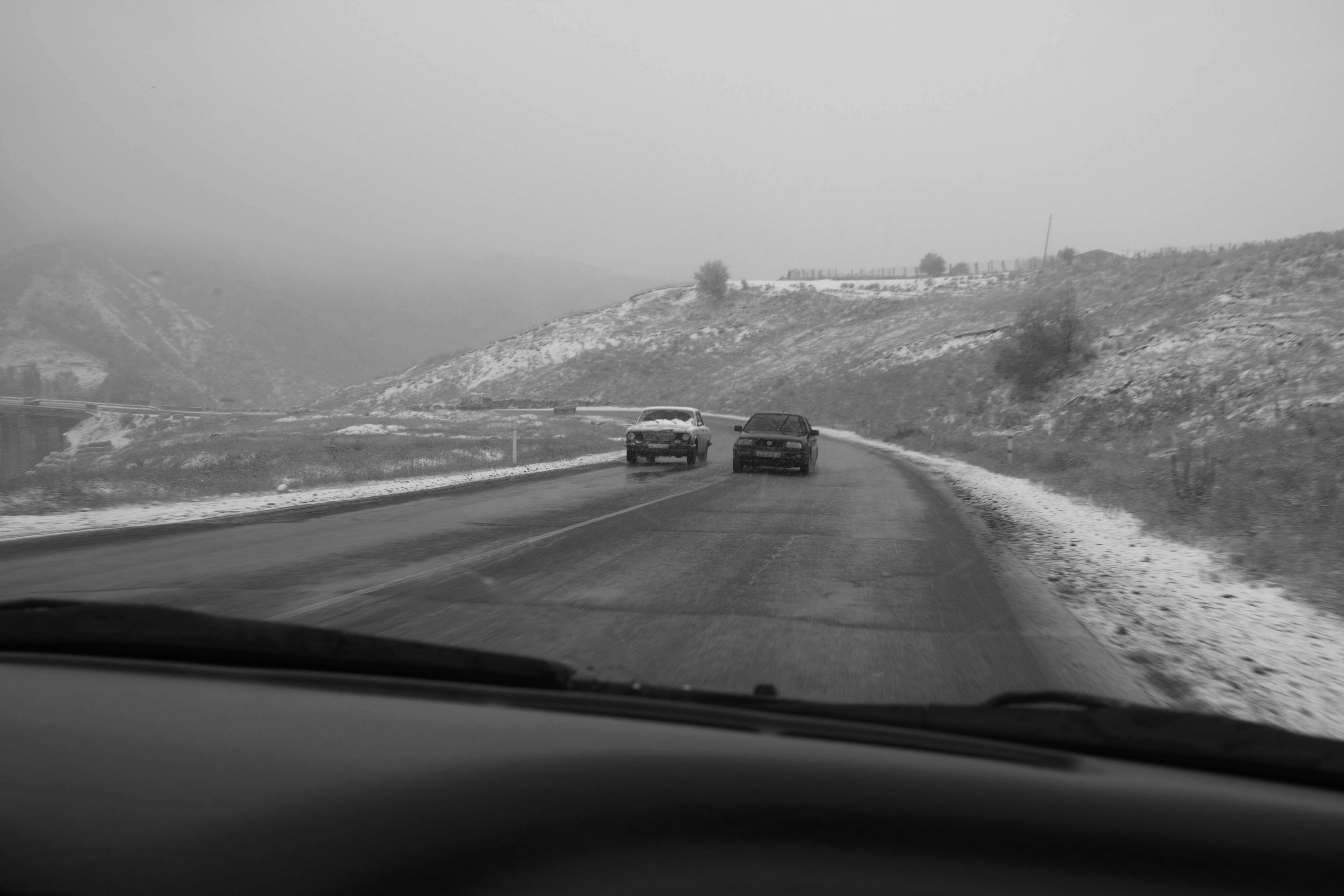
An Engagement Ring
2011A narrative series set in Wrocław in August 2011. Awarded 2nd prize & Silver Glass at the 10th Photographic Open Championship Olsztyn in 2014.
View Series →
Heat Wave
2014A documentary series recording spontaneous events across August and September 2014, capturing the raw energy of a city under the grip of summer.
View Series →