"Photography is not about the thing photographed. It is about how that thing looks photographed."
Photographing Children with Patience, Play and Trust
Photographing children presents a distinctive problem for any portrait photographer: the subject may change mood, refuse to sit still or become fascinated by the camera itself. The best children’s photographs rarely depend on perfect compliance. They come from a child’s unguarded concentration, sudden laughter and the small gestures that reveal character. Creating those moments requires technical control without making the session feel controlled, a balance that becomes clearer once patience is treated as an active part of the process.
Play gives that process direction. It relieves tension, invites movement and turns an unfamiliar adult into a temporary collaborator. Yet play must remain attentive to the child, not organised around the photographer’s checklist. A useful session adapts in real time: shorter bursts of activity, quieter pauses and portraits made between games. The result can be lively, calm or documentary, while still preserving a sense of safety and trust.
Children set the pace
The opening minutes of a session often matter more than the planned sequence. A child may need to inspect the camera, ask who the photographer is, or decide that the room belongs to someone else. Giving that behaviour room is not a delay; it is the beginning of rapport. Observations made while a child settles—where they look, which objects attract attention, how they move with a parent—can shape a more personal image than a rigid series of poses.
That responsiveness is central to Rafal Michalak’s practice. His artist biography connects fine-art training with commercial work across portraiture, fashion and events, while medium-format film, black-and-white work and darkroom principles encourage a deliberate way of seeing. Children reward that slowness because the camera becomes less threatening when it is not demanding an instant performance.
A digital workflow does not remove the need for patience. Modern cameras help with exposure and focus, but they cannot decide when a child feels comfortable. The photographer still has to lower the camera, notice a change in posture and wait for curiosity to return. Technical confidence gives a session calm; emotional timing determines whether the finished photographs feel alive.
Trust comes before expression
Trust is built through predictable behaviour. Sudden movements, repeated instructions and unexplained changes in lighting can make an otherwise friendly session feel uncertain. A child needs to know that the photographer will listen, that adults will not become upset by a refusal and that there is room for a comfort break. Clear communication with the parents supports this trust without requiring either adult to pressure the child.
A familiar adult can also help translate unfamiliar situations. One parent might begin a familiar song, mention a favourite animal or demonstrate a game, allowing the photographer to work from something the child already understands. The instruction should remain gentle: “Would you like to show me how you build that tower?” creates an opening, whereas “Sit there and smile” closes one. The photographer can then respond to whatever energy appears.
Small courtesies often produce the most natural expressions. Greeting the child, asking permission before handling clothing or adjusting a hat, and taking an interest in drawings, toys or school stories all communicate respect. A forced grin may satisfy a checklist while hiding discomfort; a curious, relaxed child offers far more expressive possibilities.
Play becomes a photographic tool
Play works best when it gives the child genuine agency. Blocks, paper shapes, a soft ball or a length of fabric can become prompts for building, throwing, hiding and discovering. The photographer does not need to entertain continuously. Instead, each activity should contain small visual opportunities: concentration in the eyes, hands working together, movement through a space and the instant a child turns towards a familiar voice.
Movement can also help with camera distance. Rather than bringing every expression closer, the photographer can invite the child to walk, collect leaves, follow a line of light or pass an object from one hand to the other. These actions create variety and reduce the artificial quality often found in posed portraits. With a slower medium-format camera, anticipation becomes valuable; a frame captured before the movement begins may reveal more personality than a perfectly timed action shot.
The strongest play develops in response to the child. Planned games can be set aside when a different interest takes over, and silence can become productive when the child becomes absorbed. A session built around constant activity may tire its subject, while an entirely unstructured hour may produce too few coherent photographs. Alternating movement with stillness gives the child room to choose their level of engagement.
Australian light, places and daily rhythms
Australian sunlight carries a distinctive intensity, particularly from spring through summer. High UV levels make a sun-smart approach essential: sessions in open shade, early morning locations or later afternoon light protect both comfort and concentration. Broad-brimmed hats, water and sunscreen are normal parts of family life in cities such as Brisbane, Sydney and Darwin. In southern cities, including Melbourne and Adelaide, the seasons can shift quickly, so a clear indoor alternative is useful when clouds or strong wind interrupt an outdoor plan.
The locations available to families also influence the visual language of portraits. A Sydney household may move between an apartment, a park, a sandstone path or a beach, offering modern architecture and bright coastal light. Melbourne families may use laneways, gardens and changing weather as part of the story. Brisbane’s subtropical conditions often favour shorter outdoor passages and shaded interiors. Familiar places can give a child’s portrait more meaning because the environment records how the family actually lives.
Daily routines matter when scheduling a session. After-school collection, sport, meals and early bedtimes narrow the available window in many Australian households, particularly during the summer school holidays. A child photographed at the end of a long day may need food, movement or a quiet corner before becoming comfortable. Organising the session around those needs is more effective than expecting a tired subject to perform on command.
The commercial market reflects these local habits as well. Australian studios commonly offer Christmas cards, school-year calendars and milestone portraits designed for busy families, while clients often expect both polished images and quick digital access for sharing. Professional child photography therefore balances careful art direction with an efficient workflow, preserving the spontaneous qualities that make family photographs valuable.
Consent, safety and commercial responsibility
For commercial work, written consent from a parent or legal guardian and an appropriate model release should clarify who may use the images, in which media and territories, for how long, and whether crops or digital alterations are permitted. Where the child is old enough to express a view, that opinion should also be heard and recorded. A release for a commercial campaign requires more consideration than permission to print portraits for the family, and vague consent can create disputes long after the session.
The federal Privacy Act 1988 and the Australian Privacy Principles apply to government agencies and many larger organisations, but they do not automatically cover every independent photographer. State and territory privacy laws may also affect schools, childcare centres, community groups and companies commissioning photographs. When a child is photographed on behalf of an organisation, internal display, external publication, online distribution, sponsorship use and image takedown procedures should be agreed in writing before the camera arrives.
Digital sharing requires equal care. Children’s full names, schools, precise locations and other identifying metadata can expose them to unwanted attention or unsafe contact. Separate permission should be obtained for public posting rather than treating a family portrait release as blanket approval for every channel. The eSafety Commissioner provides guidance on harmful image sharing and image-based abuse; responsible publication begins with limited access, controlled consent and an understanding that online visibility is lasting.
A reliable session framework
A dependable children’s session can be planned without becoming rigid. The photographer can prepare several age-appropriate activities, identify suitable locations, create a lighting plan and remain ready to abandon it when the child reveals a better direction. The framework supports intuition rather than replacing it.
- Match the activity to the child’s age, energy and interests, then prepare two or three simple ideas rather than a long sequence of forced poses.
- Build the session around comfort by allowing settling time, offering breaks and treating changes of mood as part of the portrait process.
- Work in short photographic bursts, pausing between them so the child can move, talk, drink or simply watch without pressure.
- Keep a shot list as a safety net, using it to check technical coverage while remaining ready to follow unexpected expressions and movement.
- Agree on image selection, delivery and permitted uses before the session, with separate communication for sensitive or identifiable images.
The resulting family gallery can combine formal portraits with unguarded moments, giving the child a visible role in how they are represented. Patience creates the conditions for trust, play supplies energy and direction, and technical discipline keeps those changing moments legible. A successful photograph may show a carefully composed expression, a burst of movement or a quiet glance between activities; its strength comes from making room for the child to be fully present while the image is made.
Selected Series
A cross-section of commissioned and personal projects spanning fine art, commercial, and conceptual work.
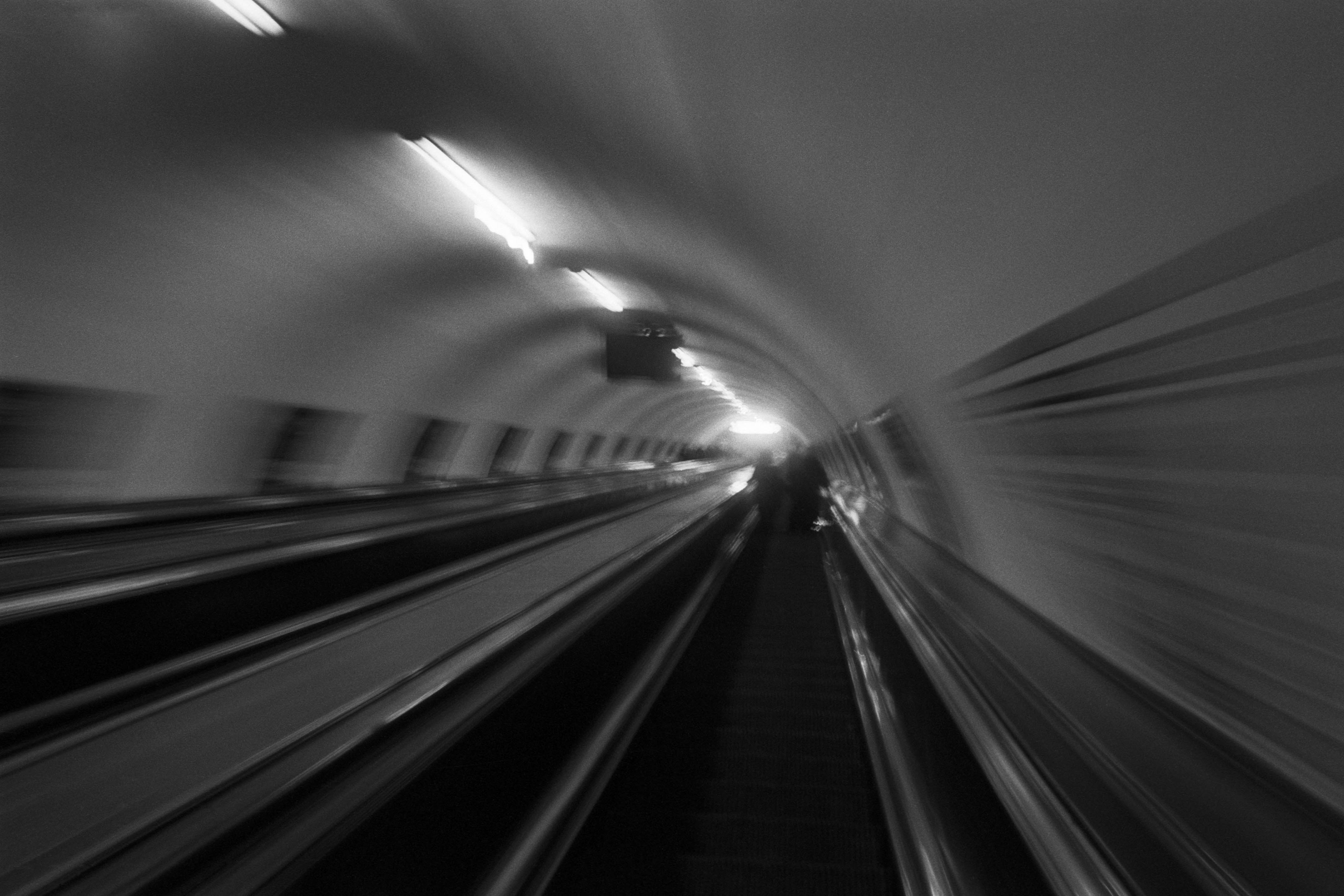
The Wall
2015Winner of the 1st prize & Golden Glass Award at the 11th Photographic Open Championship Olsztyn, and 1st place with the Special Prize of FORMAT magazine at the 3rd Biennial of Art in Piotrków Trybunalski.
View Series →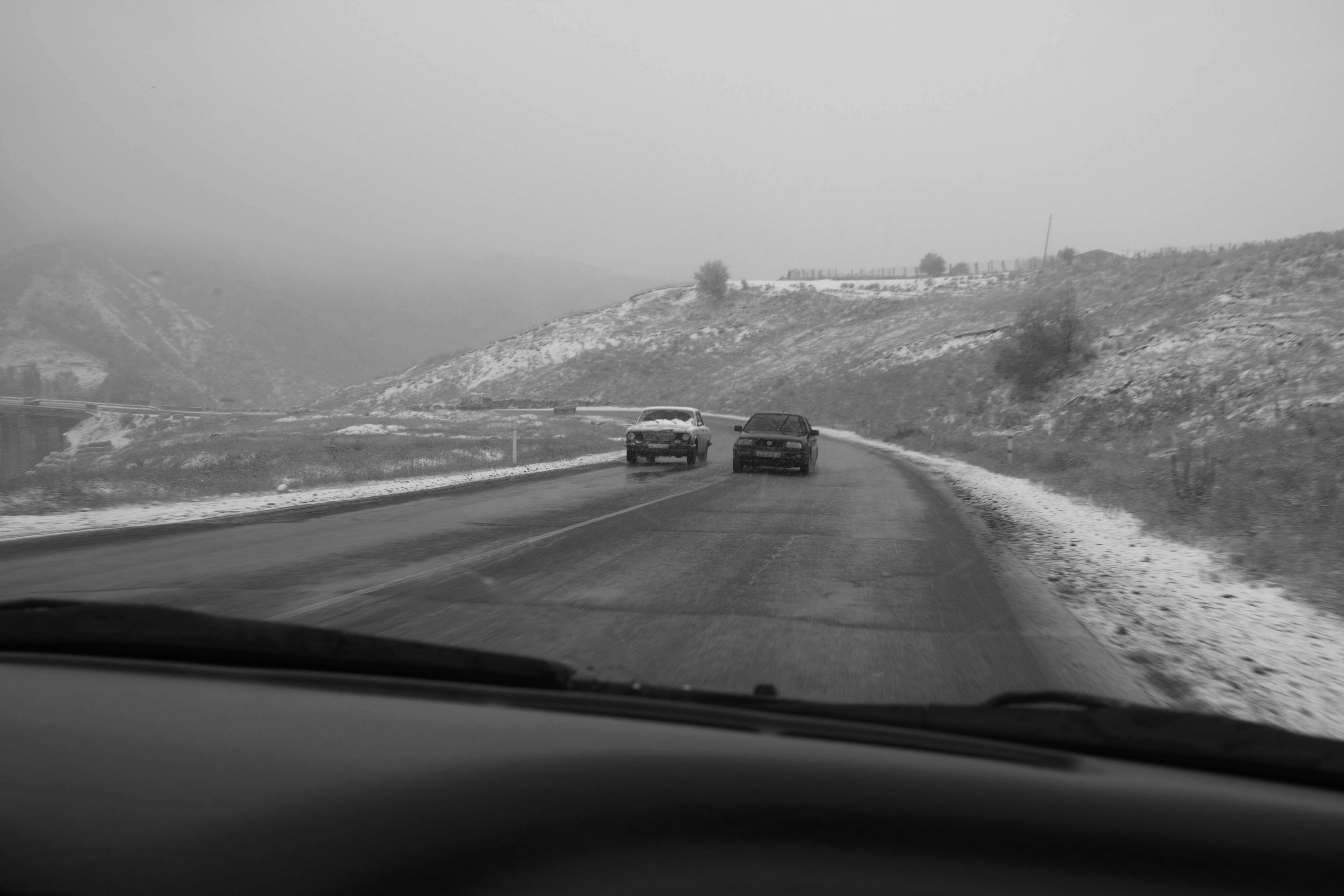
An Engagement Ring
2011A narrative series set in Wrocław in August 2011. Awarded 2nd prize & Silver Glass at the 10th Photographic Open Championship Olsztyn in 2014.
View Series →
Heat Wave
2014A documentary series recording spontaneous events across August and September 2014, capturing the raw energy of a city under the grip of summer.
View Series →