
"Photography is not about the thing photographed. It is about how that thing looks photographed."
Vintage lenses on modern cameras: control, character and trade-offs
Vintage lenses have returned to serious photographic practice because their imperfections often feel more tangible than the polished neutrality of contemporary optics. Mounted on a digital body, a half-century-old M42, Canon FD, Pentax K or Nikon F lens can produce gentle contrast falloff, restrained colour, distinctive flare and a particular rendering of out-of-focus areas. Those qualities attract photographers who want character with the immediacy of autofocus, exposure preview and instant file review.
Yet the combination is rarely as simple as attaching glass to a sensor. Legacy glass was designed for film, while mirrorless and digital SLR bodies use different protocols for focusing, aperture control and stabilisation. The result may be cinematic, but it can also bring awkward magnification, a loose helicoid, a dim finder, inaccurate exposure readouts or a lens that focuses only to a certain distance. A clear purpose for each lens makes the experiment more productive.
Modern sensors also change how familiar optical traits behave. A lens that looked lively on 35 mm film may appear flat when enlarged from a high-resolution file, while deep vignetting that was acceptable in a contact print can become distracting at full size. Conversely, digital capture can reveal coating damage, haze and edge softness hidden by grain and the limited viewing scale of analogue photography.
For Australian photographers, these questions gain practical edges through intense sunlight, coastal humidity, dust and long travel between assignments. The useful approach is not to romanticise age, but to test each pairing, understand its limits and decide where its character serves the story. That process turns old equipment into a coherent visual tool rather than an expensive novelty.
Character created by the optical design
Character begins with the optical design. The size and shape of the elements, coating technology and degree of spherical or chromatic aberration shape contrast, colour and edge rendering. Film has a certain latitude and grain structure; a digital sensor records light more literally, often preserving the lens’s softness and corner shading that a scanner or print process once softened.
Resolution is less about the age of the lens than the balance among glass, sensor and capture method. An old but well-preserved lens can remain surprisingly detailed, while a neglected one may look soft from haze or internal separation. Evaluate centre and corner definition at the focal length you intend to use, and remember that focus, diffraction and high ISO noise can obscure the difference between an excellent vintage optic and a merely adequate one.
Out-of-focus areas and flare are equally important. Spherical aberration may turn points into soft rings, and some classic designs create a gently rotating or oval bokeh. Uncoated surfaces can produce veiling flare with a hazy veil, whereas single-coated or multi-coated glass may handle backlight differently. The aim is controlled character, not damage. A small light source placed just outside the frame can reveal a signature, while careless reflections can simply obscure the subject.
Adapter mechanics and electronic body limits
Adapter mechanics determine whether the optical promise survives the electronic body’s practicality. Flange focal distance is critical: a lens designed for a deeper film mount may need a lens element removed to reach infinity, while a mirrorless body’s short throat can create excessive magnification. Screw-in adapters are simple, but helicoid-focal, tilt-shift and optical adapters add cost and may reduce image quality. The correct adaptation should preserve focusing range and keep the rear element safely clear of the sensor.
Aperture control is another compatibility layer. Many legacy lenses have a mechanical iris controlled only by a lever on the adapter. A body with electronic aperture control can stop the iris down but cannot open it fully, so the lens may operate at a fixed maximum aperture. Other adapters transmit aperture information or provide manual iris control. On bodies without analogue aperture coupling, exposure meters may also show incorrect f-stops or brightness, making manual exposure and recorded test data essential.
Condition matters more than the age printed on the barrel. Fungus can etch coatings, haze lowers contrast, and oil on the front element creates flare that no adjustment will remove. Inspect the glass under bright, angled light, check that the iris moves cleanly and confirm that the aperture blades are free of sticky residue. A reputable repairer can separate optical groups, clean the interior and address mechanical wear, while careful handling prevents a once-clean lens from becoming a costly casualty.
Australian conditions and working realities
Australian shooting conditions add their own test. Melbourne’s changeable skies reward a lens that can hold contrast in flat light, while Sydney’s coastal humidity and salt-laden air can encourage fungus between assignments. In Canberra, Adelaide and inland areas, dust is a constant companion. Strong UV exposure and heat can make already brittle rubber and adhesive less reliable, so caps, rear elements and storage cases deserve as much attention as the camera body. Weather sealing for a modern body cannot protect an unsealed vintage lens.
Geography also shapes logistics. A commercial assignment in Alice Springs or Broome may involve long drives, charter flights and limited access to a technician, while Melbourne and Sydney operate as dense freelance markets where a camera may move between several productions in one week. Insurers and production teams may expect current digital equipment for critical coverage, making a tested adapter and backup body valuable. Imported lenses add currency conversion, GST, customs and courier variables, so the purchase price is only one part of the working cost.
Communication is usually direct and informal. An ‘arvo’ session may mean an afternoon shoot, ‘no worries’ signals flexibility, and ‘fair go’ often frames negotiation around reasonable effort rather than rigid entitlement. Australian clients and crews tend to value clear run times, transparent deliverables and calm problem-solving. Cultural and linguistic diversity in major cities also makes plain, respectful briefing important. Explaining how a lens affects focus, exposure and turnaround prevents a creative choice from being mistaken for technical inconsistency.
Focus, exposure and creative control
Focus is where many hybrid systems feel most awkward. Manual-focus lenses require deliberate handling, but magnification, focus peaking and electronic rangefinders can make the process precise. A split-image or focus-granularity aid may be hard to see on a bright Australian street, so a matte screen or magnified display can be more dependable. Autofocus may work with screw-drive lenses through specific adapters, but motor speed and communication protocols vary; a body advertised as compatible may still focus slowly.
Stabilisation and exposure tools have similar boundaries. Image stabilisation can reduce camera movement with some adapted lenses, although it cannot repair wobble caused by the front element or a loose focusing ring. RAW files provide latitude for exposure recovery, but they do not restore clipped highlights in the same way that film’s highlight roll-off once did. Black-and-white conversion can also conceal colour casts from coatings and flare, making it tempting to overstate the lens’s purity.
Art direction still has to determine the technical choices. Rafal Michalak’s photographic background links traditional darkroom practice with digital flexibility, a useful bridge for hybrid work. One legacy lens may be valuable for its subdued portrait contrast, another for flare, and another for the way it renders skin against a simple background. Assigning each optic a role prevents inconsistency and makes creative direction more precise than selecting the oldest or rarest equipment available.
A practical field checklist
A controlled test programme separates the lens’s character from the variables surrounding it. Use the same body, raw format, exposure strategy, subject, light and background when comparing optics. Photograph a resolution target and a scene with skin tones, fine texture and bright highlights, then inspect files at one-to-one magnification. Repeat at relevant apertures rather than judging a lens only wide open.
Broader technical discussions, including Max Goh’s camera testing guidance, can support a disciplined comparison, though every lens-body pairing still requires its own baseline. Keep notes on adapter type, effective focal length, minimum focus, aperture behaviour and any exposure compensation needed.
- Clean and inspect every element before use, checking for fungus, haze, separation, oily glass and stiff aperture blades; document any professional cleaning.
- Set a repeatable baseline with a modern lens, then repeat it with the legacy optic at matched focal length, ISO, shutter speed and framing.
- Compare centre, edge and corner detail at every working aperture, along with flare, vignetting and focus behaviour under changing light.
- Record adapter type, effective focal length, minimum focus, aperture operation and exposure compensation so results remain reproducible on another production day.
Keeping the hybrid system artistically coherent
A dependable system assigns each lens a clear purpose. A normal prime might handle intimate portraits, a wide lens could soften environmental context, and a longer manual-focus optic could create compressed layers without the electronic body’s processing distractions. Modern lenses should remain available when speed, reliability or uninterrupted autofocus matters. Keeping roles narrow also simplifies preparation on a multi-city shoot, where the Melbourne studio, a regional property or an outdoor coastal location can each require a different response.
The hybrid approach works best when its compromises are understood before the shutter is pressed. A client may accept a deliberately soft edge or visible flare once it supports the campaign, but should not discover that fact after delivery. Captions, test sequences and pre-production discussions can make the visual intent legible, especially in teams accustomed to quick Australian shorthand. The goal is not to imitate an imaginary past; it is to combine the physical evidence of an older optical design with the control and accountability of contemporary digital capture. Used with intent, legacy glass becomes a distinct instrument, and the modern camera becomes the stable platform that allows its character to appear consistently from Wrocław to Sydney.
Selected Series
A cross-section of commissioned and personal projects spanning fine art, commercial, and conceptual work.
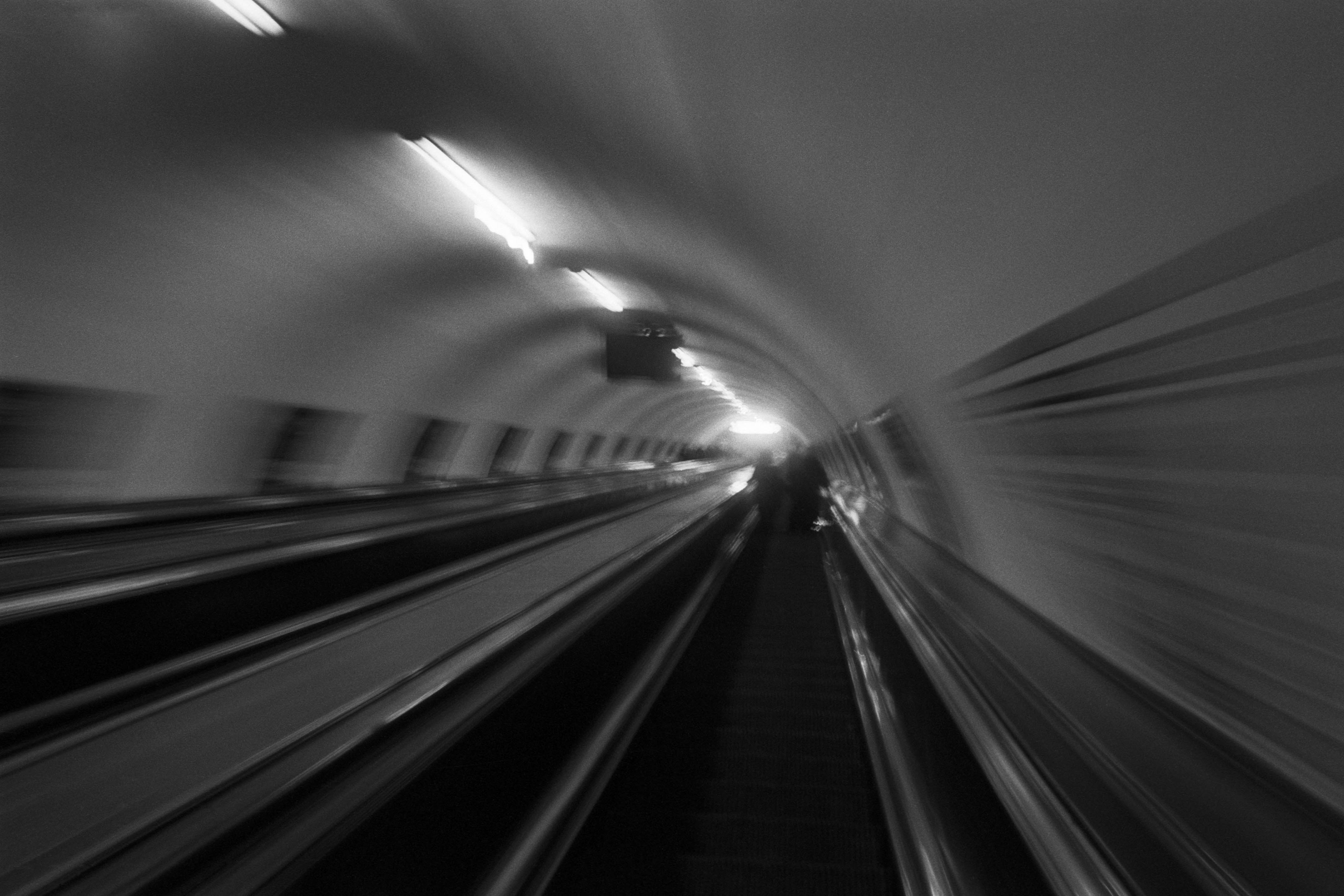
The Wall
2015Winner of the 1st prize & Golden Glass Award at the 11th Photographic Open Championship Olsztyn, and 1st place with the Special Prize of FORMAT magazine at the 3rd Biennial of Art in Piotrków Trybunalski.
View Series →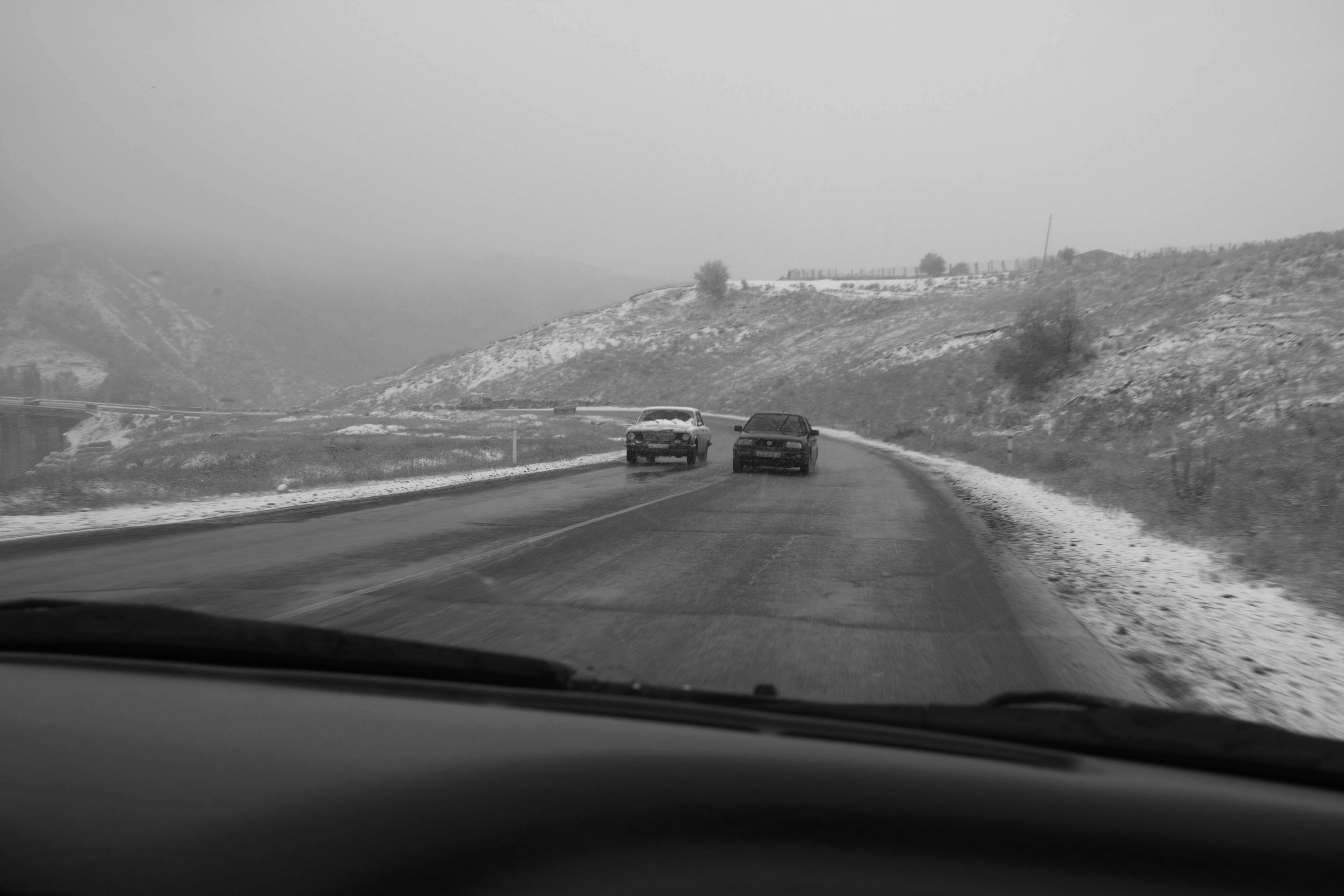
An Engagement Ring
2011A narrative series set in Wrocław in August 2011. Awarded 2nd prize & Silver Glass at the 10th Photographic Open Championship Olsztyn in 2014.
View Series →
Heat Wave
2014A documentary series recording spontaneous events across August and September 2014, capturing the raw energy of a city under the grip of summer.
View Series →