"Photography is not about the thing photographed. It is about how that thing looks photographed."
Editing and Manipulation in Photography
Photography has never been a perfect mirror of reality. Even before digital cameras, lenses shaped perspective, film recorded a limited tonal range, and printing altered the first negative. The difference between editing and manipulating a photograph is therefore not simply technical. It concerns what an image claims to show and whether its changes support or contradict that claim. A clean file can reveal a photographer’s intent; a doctored file can conceal it.
For an Australian client commissioning portraits, fashion imagery or event coverage, the practical test is less dramatic than internet debates often imply. Exposure can be recovered, distracting objects removed and skin tones made natural without inventing a person who was never there. Whether those moves are acceptable depends on technique, context, consent and disclosure. Visual truth is built through a chain of decisions from capture to retouching, and each decision carries a different ethical weight.
What Editing Really Includes
Editing is the broad name for post-processing and refinement. It can include exposure correction, white balance adjustments, lens distortion fixes, contrast and saturation changes, cropping, dust spot removal, sharpening and tonal shaping. These changes can make an image clearer or more faithful to the scene the photographer saw, yet they still alter the original capture. Editing describes the act of changing an image; its ethics arise from purpose, context and disclosure.
Routine choices usually attract little suspicion because they solve technical problems visible to everyone. A portrait may need lifted shadows, a fashion frame may be tightened, or a scanned negative may require removal of dust and uneven density. Retouching blemishes, reducing under-eye contrast and balancing colour are also ordinary commercial practices when they preserve the sitter’s appearance. The crucial issue is whether the correction restores a plausible moment or constructs a reality that was absent.
Judgement therefore rests on more than the size of the change. A slight crop can affect meaning just as surely as an obvious composite, while removing a bottle from a dinner image may be trivial beside replacing a skyline in a property portrait. The same operation can be responsible in one context and misleading in another. Clear intention, credible technique and an honest account of the image’s origin matter more than a universal list of forbidden actions.
Where Correction Gives Way to Manipulation
Some alterations are self-evidently restorative. Recovering detail in a RAW file, correcting a lens profile, straightening a tilted horizon or reducing a distracting colour cast generally help viewers perceive what the camera recorded. The more consequential decisions involve what is present, absent or newly introduced. Cloning a distant object, painting light into an empty room or using generative fill to extend a background changes the visual evidence itself.
Cropping requires particular care because it can erase as well as refine. A close crop may strengthen a corporate portrait by removing a distracting office, yet the same crop could conceal an unsafe workplace in an industrial report. Removing a bystander from an event photograph may protect a person’s privacy; removing them from a political gathering could conceal who attended. Meaning depends on what viewers are led to believe the frame represents.
Compositing can be visually undetectable without being deceptive. A model may be placed on a coastal backdrop for a fashion campaign, or a product may appear in a digitally constructed interior. Those techniques are not unethical when the result is clearly presented as an advertisement or constructed image. They become manipulative when they are passed as spontaneous documentary evidence. Plausibility alone cannot resolve that difference.
Truth, Context and Creative Licence
The word manipulation often implies deception, but it can also describe imaginative image-making. A conceptual fine-art series may combine figures, environments and impossible scale to explore identity, memory or consumer culture. Within that artistic context, alteration is part of the visual language. The photograph need not offer reliable evidence of an event when its purpose is to provoke thought, construct a scene or reinterpret reality.
Documentary photography carries a stronger expectation of factual accuracy. Removing, repositioning or staging elements can change the apparent sequence of events and make a constructed scene appear observed. Editors may need to correct exposure or reconstruct a damaged scan, but disclosure becomes essential when an intervention affects interpretation. Captioning, sequencing and exhibition text can provide context that a single image cannot carry alone.
Commercial photography operates under different conditions again. Brands expect retouching, compositing and colour grading to create controlled and persuasive results, yet consumers may reasonably assume that a product, place or service exists as depicted. Editors should understand the boundary between making a campaign attractive and making a materially false claim. Fine-art images may disclose their construction in a statement; a product photograph intended as factual representation may need clearer limits on what can be invented.
Analogue Foundations Meet Digital Workflows
Traditional film practice makes editing visible. During darkroom printing, dodging and burning regulate tone locally, developers control contrast, and black-and-white filters shape the tonal response. These are accepted forms of image-making because their history and intent are understood. A print may differ substantially from the negative, but it does not pretend that the photographed scene contained something it did not.
Medium-format film offers a different relationship between detail, grain and photographic intent. A photographer may choose a specific stock, expose for shadows, compose with a viewfinder and later adjust contrast during printing or scanning. Even careful scanning introduces choices involving resolution, sharpening and colour profiles. The analogue original provides a physical reference, allowing a digital editor to compare each stage and recognise when a supposed correction has moved beyond the captured information.
Most contemporary photographers combine camera raw files, histograms, curves and masks with conventional colour correction. Digital workflows offer speed and precision, particularly for Australian teams producing imagery for national campaigns across many formats. The same flexibility also makes convincing alteration easier, including synthetic skin, cloned architecture or backgrounds extended by artificial intelligence. Technical convenience does not establish truth; it simply expands the range of possible outcomes.
Australian Visual Contexts and Expectations
Australian commissions place a premium on images that feel polished while remaining recognisable to local audiences. This is evident in the national advertising, fashion and e-commerce market, where a product, workplace or person must appear credible across print, outdoor and social formats. Local casting, Australian spelling and recognisable settings often matter as much as technical finish, particularly when a campaign speaks to suburban, coastal or urban life.
Sydney introduces familiar visual references through its harbour, waterfront architecture and bright coastal light. Corporate portraits may use the central business district as a marker of professional status, while fashion and tourism campaigns draw on the contrast between sandstone buildings, blue water and busy public spaces. Retouching must remain consistent with that setting: adding implausible shadows, removing characteristic features or changing the apparent weather can make a carefully localised image feel disconnected.
Melbourne presents another distinct visual culture through its laneways, cafés, music venues and fashion districts. Event photographs often need to preserve the atmosphere of an intimate gathering rather than clean it into generic commercial imagery. Commercial work similarly relies on credible details such as coffee, street signage, clothing and interior design. Such images may be carefully composed and retouched, but their local specificity gives viewers a basis for recognising whether the result remains truthful.
Across Australia, Perth’s hard sunlight and restrained modern architecture shape a different commercial look. Lifestyle imagery frequently draws on familiar customs such as beach outings, outdoor barbecues and relaxed group portraits, so retouching should preserve the warmth and spontaneity of those scenes. When work depicts Aboriginal or Torres Strait Islander people, communities, designs or cultural practices, permission, attribution and cultural authority are more important than making an image appear universally marketable.
Reading Intentions Through Visual Evidence
Intent is often clearer in the relationship between a photograph and its surrounding context. Captions, publication type, sequence and commissioning brief reveal whether an image is meant as documentary evidence, advertising material or personal interpretation. A manipulated image may be entirely legitimate when the surrounding information establishes its constructed nature. Trouble arises when visual polish is used to imply authenticity that the photographer never claimed.
Technical traces can also inform a reading. Repeated textures, inconsistent reflections, implausible edges, misplaced shadows or artificial grain may expose heavy cloning and generative editing. Metadata, image sequences and the relationship between raw captures and final exports can help identify the workflow. These clues do not prove deception on their own, since colour grading and compression create similar effects, but they can prompt a closer examination of how an image was produced.
A Wrocław-based example is Rafal Michalak’s photographic portfolio, where portraits, fashion, events and conceptual series can be read across different purposes. The contrast demonstrates why technical polish cannot answer the ethical question alone. A conceptual image may deliberately distort scale or light, while a business portrait is expected to represent one person accurately. Judgement begins with the image’s stated role and becomes more precise when technique, subject and context are considered together.
Responsible Practice in the Studio
Clear standards should be established before retouching begins and revisited before publication. The following principles apply across fine-art, portrait, fashion and event work:
- Keep the original capture, working files and final exports, and record any major alteration that changes the depicted reality.
- Disclose material compositing, synthetic elements and generative editing when the image could otherwise be mistaken for an unconstructed record.
- Obtain informed consent and suitable releases for commercial portraits, sensitive retouching or uses that place a person in a misleading context.
- Match the treatment to the publication’s purpose, preserving documentary integrity where accuracy is central and acknowledging creative construction where interpretation is intended.
Responsible editing does not demand an untouched file or perfect technical neutrality. It demands awareness of the claims carried by an image and restraint when changing visual evidence. The most trustworthy photograph is not necessarily the least altered; it is the image whose alterations remain proportionate to its stated purpose and whose visual evidence can withstand informed scrutiny.
Selected Series
A cross-section of commissioned and personal projects spanning fine art, commercial, and conceptual work.
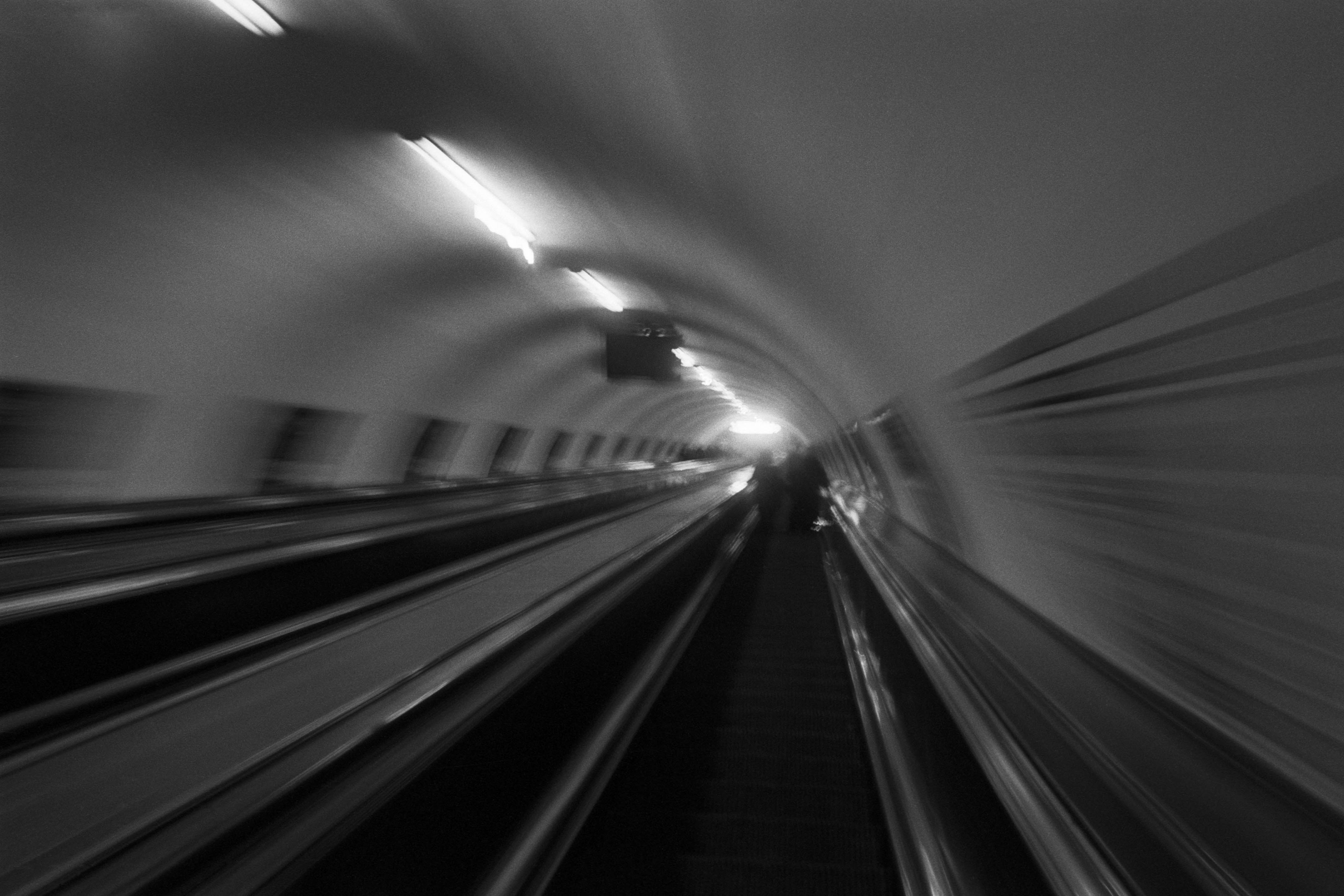
The Wall
2015Winner of the 1st prize & Golden Glass Award at the 11th Photographic Open Championship Olsztyn, and 1st place with the Special Prize of FORMAT magazine at the 3rd Biennial of Art in Piotrków Trybunalski.
View Series →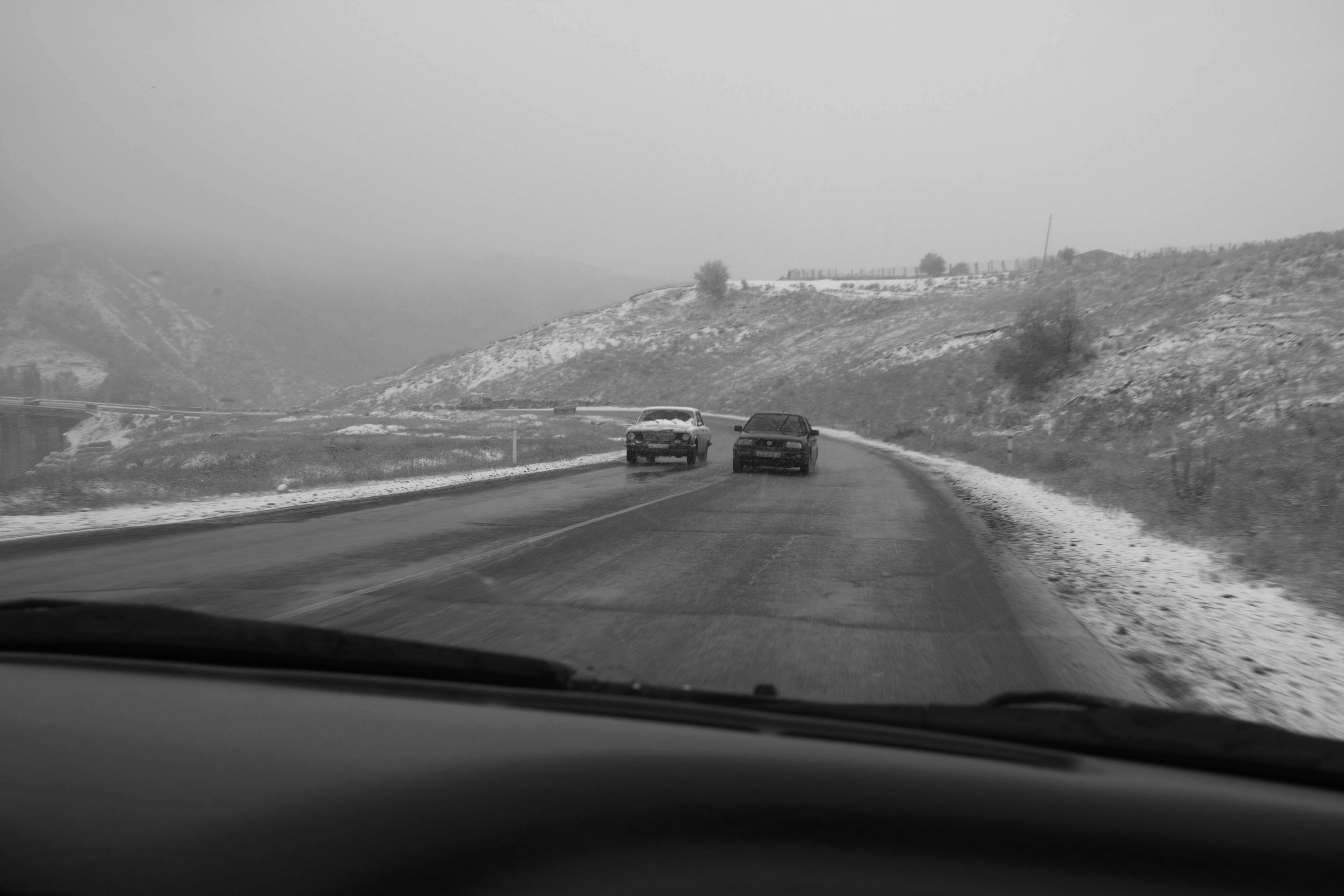
An Engagement Ring
2011A narrative series set in Wrocław in August 2011. Awarded 2nd prize & Silver Glass at the 10th Photographic Open Championship Olsztyn in 2014.
View Series →
Heat Wave
2014A documentary series recording spontaneous events across August and September 2014, capturing the raw energy of a city under the grip of summer.
View Series →