"Photography is not about the thing photographed. It is about how that thing looks photographed."
Photographing people and personalities
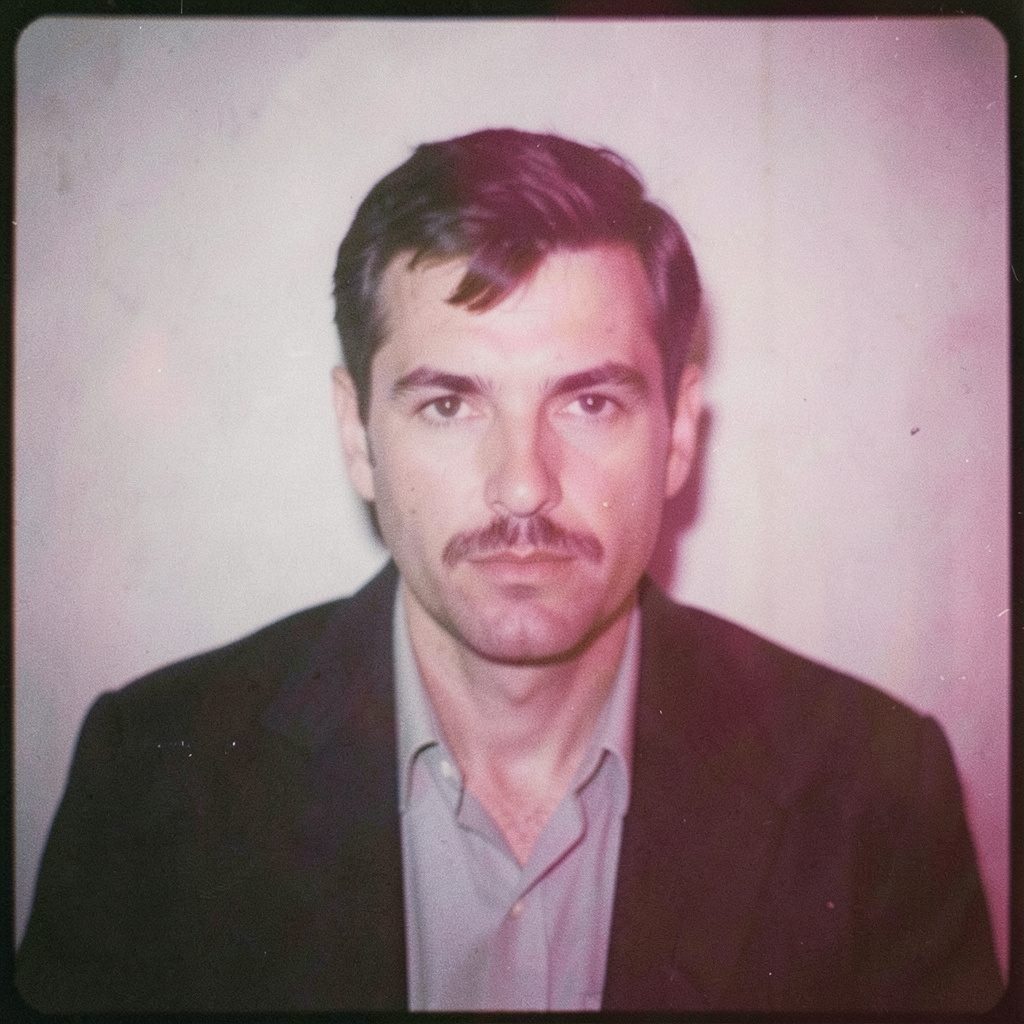
Capturing a likeness is a technical exercise: find the face, control the light, and make an exact record of how someone appeared in front of the lens. Yet a successful portrait often carries more than resemblance. It reveals a temperament, a way of occupying space, and a sense of identity that words such as “professional” or “approachable” can only partly describe. The distinction matters because a camera can register a person without ever discovering their personality.
Photographing personalities therefore calls for a different kind of attention. The photographer watches for a pattern in the subject’s expression, speech and behaviour, then creates conditions in which that pattern can surface without turning it into a performance. The aim is not to manufacture an artificial mood or demand a permanent smile. It is to make a convincing encounter visible in a still frame, with enough space for viewers to recognise the person beyond the job title.
A face is only the visible layer
A person can arrive with impeccable posture and still give a flat image. Features are present, edges are clean, and the photograph is accurate, yet it communicates little beyond what a passport photograph might establish. This is why technical perfection and emotional clarity are not the same thing. The most important information often sits around the face: the lift of an eyebrow, the rhythm of a pause, the way attention moves toward another person.
Personality appears through relationships. A reserved subject may become animated while explaining a difficult idea, or a public speaker may settle only after the formal introduction has ended. I look for changes in energy rather than a single “best” expression. A shift from guarded to curious can be more revealing than a broad grin, particularly in a commercial portrait where credibility and confidence need to coexist.
The camera records what happens in fractions of a second, but trust shapes what is permitted to happen there. When a subject feels observed rather than assessed, micro-reactions become available. That trust can be built through clear expectations, unhurried conversation and careful direction. The result is not spontaneous truth in a simplistic sense; it is truth shaped by a professional relationship, captured at the right moment. This permission also explains why people often look different from their first studio impression. Familiarity reduces the distance between posing and genuine response.
Presence changes the portrait
Presence is the ability of a person to hold attention even in a still image. It may come from stillness, an assertive gaze, or the slight asymmetry of an expression that resists standard beauty conventions. In portraits, this quality is often called presence, although the term can also mean the photographer’s ability to organise the encounter around a subject rather than around the camera.
Presence cannot be produced by copying another person’s pose. A formal stance copied from a reference may look competent but anonymous, while a modest adjustment in angle or body weight can release the subject’s own bearing. Good direction gives people a clear physical action without over-writing their identity. The photographer should offer options, observe the response and leave enough room for the subject to make the pose their own.
The contrast is clear in fashion and editorial work. A garment can be immaculate while the wearer feels remote from the image. By contrast, a slightly imperfect posture or candid concentration can lend authority and authenticity. The visual story then contains two layers: what the picture is about and how the person chooses to inhabit it. That second layer is where character becomes visible. In business portraiture, it gives clients a more useful range than a catalogue of interchangeable expressions.
Direction without over-directing
Direction is often described as giving instructions, but its most useful form is collaboration. Asking someone to “look confident” is too abstract; asking them to imagine finishing a thought just before the shutter releases gives the face a specific muscular action. Small cues work better than theatrical coaching because they preserve the subject’s habitual patterns while making those patterns legible. The strongest instruction sounds less like correction and more like an invitation to make something happen.
Australian workplaces often encourage a direct, relaxed conversational style, and clients may arrive with an informal “no worries” manner even when the image is destined for an annual report or investor profile. That informality is useful rather than troublesome. A photographer can preserve the warmth of the exchange while adding structure through wardrobe, background, lens choice and measured posing. Professional does not have to mean stiff, and friendliness does not require a fixed grin.
In a Sydney CBD studio, the pace may be brisk and several people may need to move through the same room during a session. In Melbourne, a café or laneway location may offer texture but changing light and distractions from foot traffic. These conditions reward adaptable direction. The person is never asked to ignore the setting; instead, the photographer turns interruptions, weather or movement into part of the portrait’s character while protecting the sitter’s dignity and focus.
Context turns expression into personality
The background, clothing and camera distance form a visual grammar that tells viewers how to read the sitter. A close frame with a plain wall can create intimacy, while a wider environmental composition may place personality within a workplace, neighbourhood or social ritual. There is no neutral context. Even the apparent neutrality of grey studio walls is a deliberate choice about distance, status and tone.
Local surroundings can carry associations without becoming heavy-handed symbolism. A Melbourne laneway café suggests creative culture, but it can also feel staged if every object is arranged too neatly. Sydney Harbour light is familiar yet variable, shifting quickly across a face as clouds pass. In Perth, strong sun and reflective surfaces demand a different approach to exposure and shade. These details make a portrait feel located in time rather than assembled from generic studio props.
An effective environmental portrait balances recognition and suggestion. The viewer should understand enough about the place to feel oriented, while a little ambiguity preserves curiosity. A personality is likewise more compelling when it is not fully explained. The photograph can show how someone moves through their world, yet resist reducing them to a profession. That balance is especially valuable for business portraiture, where corporate image and private character need to meet.
Method, trust, and professional workflow
Developing personality in a photograph depends on preparation as much as instinct. Before the camera is raised, I learn the purpose of the portrait, the audience for it and the traits the client wants to communicate. Then I plan how those aims can be expressed through setting, tone and behaviour. This avoids the common result of a technically polished commission that feels generic because it was built only around a checklist. The brief should also identify what can remain unstated, since forcing every message into the frame can make a person look defensive rather than assured.
My practice combines medium-format and black-and-white film, darkroom principles and digital workflows. Analogue work encourages patience with pace and light, while digital capture supports precision and efficient commercial production. The method is selected for the story rather than treated as an ideological statement. A business portrait may need the repeatability of digital; a conceptual series may benefit from the material character of film.
Working as an award-winning photographer based in Wrocław also matters for international commissions. Australian clients can expect a clear briefing across time zones, references for wardrobe and location, agreed retouching parameters and licensing suited to annual reports, campaigns or social platforms. For projects built around rhythm, performance or atmosphere, the experimental perspective offered by the ensemble’s work can complement portrait photography by showing how sound and visual detail can share a creative logic.
Reading the result as a finished portrait
The strongest personality portrait feels coherent without becoming predictable. The eyes, gesture, setting and tonal range appear to belong to the same moment, even if the image was assembled through several exposures or carefully selected frames. Coherence gives a commercial image credibility, while a trace of unpredictability gives an art portrait energy. The balance must suit the subject and the brief. A useful evaluation begins with response rather than fashion: curiosity, role clarity and a sense of a person occupying the frame in more than one way are stronger signs than a temporary visual trend. Technical flaws matter, but they are only one layer. The decisive test is whether an invented expression has been replaced by a lived presence that can hold visual attention.
Signals worth noticing in a portrait
The first group of cues helps distinguish a recorded face from a portrait with genuine character. They are observations, not rigid formulas.
- Eyes with a changing focus: The gaze seems directed at a person, task or thought rather than simply at the lens.
- Gesture that agrees with expression: A hand, shoulder or shift in weight supports the mood instead of contradicting it.
- Small irregularities: Slightly uneven posture or an imperfect edge often adds humanity without looking careless.
A second group concerns the relationship between sitter and surroundings. These details help viewers sense a world around the subject rather than read a flat backdrop.
- Context with a purpose: A place, object or piece of clothing explains something about the sitter’s life or work.
- Light that behaves naturally: Shadows and highlights reveal the environment and shape the face at the same time.
- Enough ambiguity: The image leaves room for interpretation instead of spelling out every detail of identity.
A finished portrait succeeds when its factual and emotional layers reinforce one another. The viewer can identify the person and sense a temperament, while neither layer overwhelms the other. That is the difference between a photograph that merely contains someone and one that makes their personality encounterable.
Selected Series
A cross-section of commissioned and personal projects spanning fine art, commercial, and conceptual work.
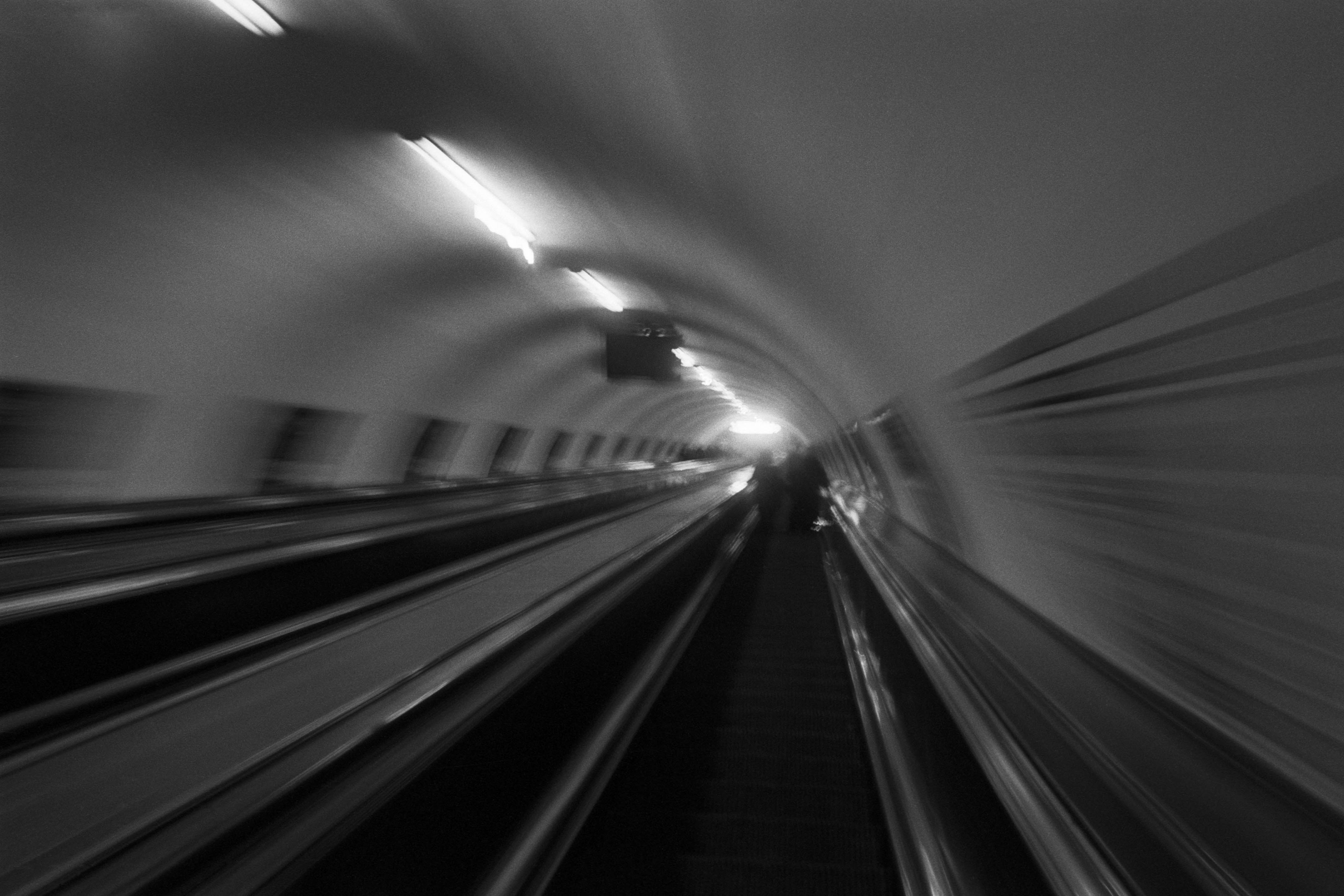
The Wall
2015Winner of the 1st prize & Golden Glass Award at the 11th Photographic Open Championship Olsztyn, and 1st place with the Special Prize of FORMAT magazine at the 3rd Biennial of Art in Piotrków Trybunalski.
View Series →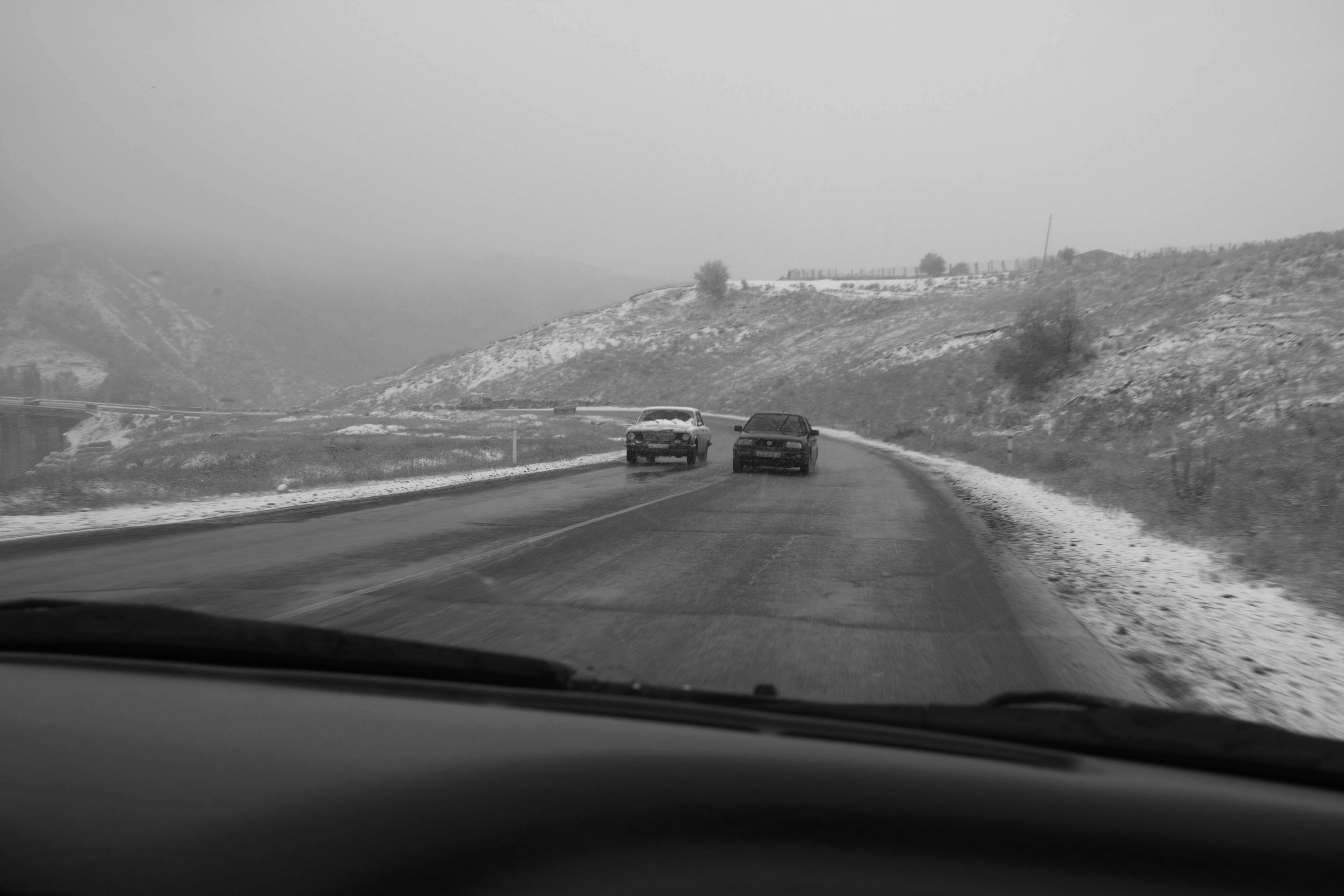
An Engagement Ring
2011A narrative series set in Wrocław in August 2011. Awarded 2nd prize & Silver Glass at the 10th Photographic Open Championship Olsztyn in 2014.
View Series →
Heat Wave
2014A documentary series recording spontaneous events across August and September 2014, capturing the raw energy of a city under the grip of summer.
View Series →