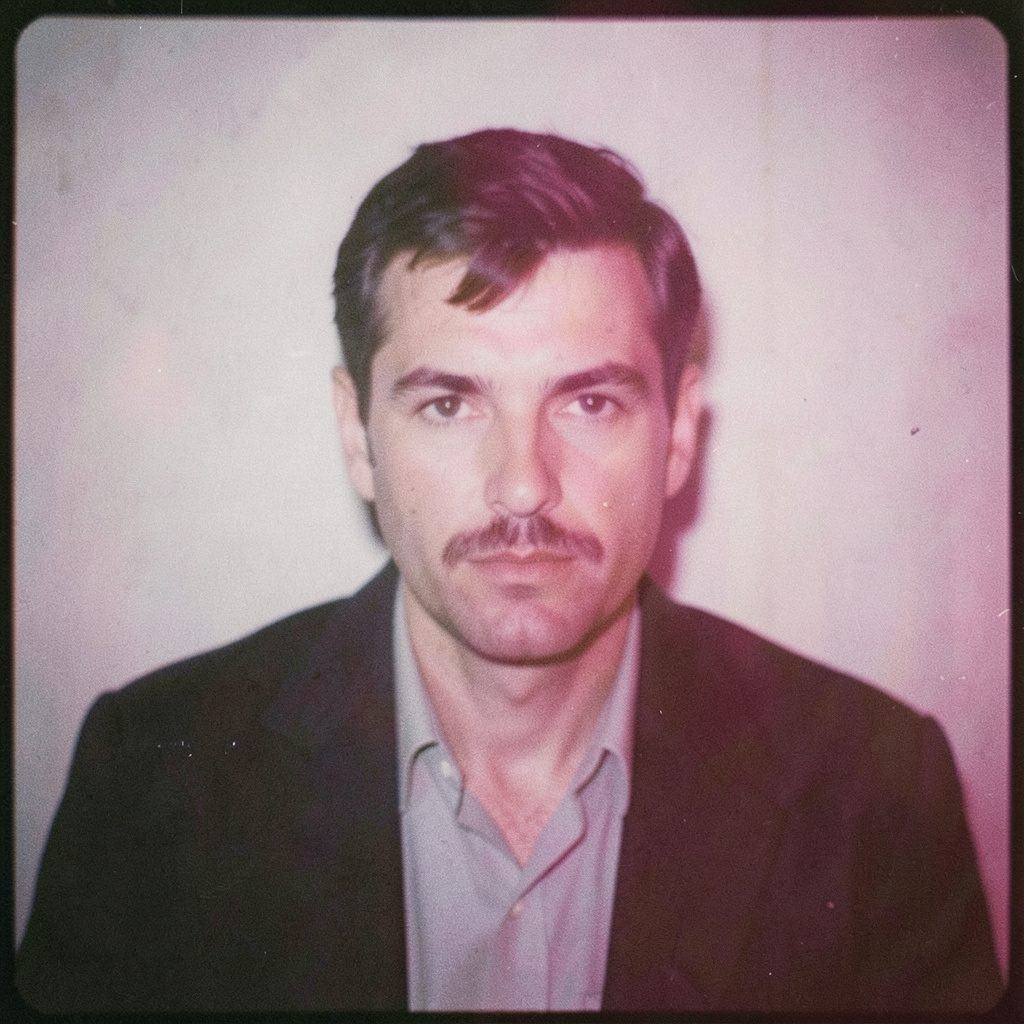
"Photography is not about the thing photographed. It is about how that thing looks photographed."
The ethics of retouching in fine art and commercial work
Retouching has never been a single, neutral action. Removing dust from a negative, balancing exposure in a scanned frame, smoothing a temporary blemish or changing the shape of a body can all be described as “editing”, yet each carries a different ethical weight. The meaning of an image depends on the promise made to its audience: a fine art photograph may offer interpretation, while a corporate portrait usually implies recognisable truth.
That distinction matters in Australia’s image-making landscape, where a photographer may move between a Melbourne fashion campaign, a Sydney business portrait and an experimental darkroom series in the same month. Digital tools make alterations quick and nearly invisible, but professional responsibility still requires judgement, consent and an honest account of what has changed. Ethical retouching is less about banning technique than deciding where enhancement ends and deception begins.
Why context changes the ethical standard
A photographic artwork is generally understood as an authored construction. Its lighting, framing, film stock, printing process and editing can all shape a subjective visual statement. A conceptual series may combine exposures, distort scale or remove a recognisable object without pretending to document an event exactly as it happened. In that setting, manipulation can be part of the medium, provided the work does not misrepresent its source or appropriate another person’s identity and experience.
Commercial photography carries a different contract. A brand, employer or publication often expects the image to support a claim about a real person, product, place or occasion. A little tonal correction may be invisible and harmless; altering the performance of a skincare product, changing a garment’s construction or making a venue appear larger can create a false impression. The ethical test should therefore begin with intended use, audience expectations and the material facts an image is being asked to communicate.
Fine art does not receive an unlimited ethical exemption. Artists still have duties when depicting vulnerable people, culturally significant material or traumatic events. A staged image that resembles documentary evidence can confuse viewers, particularly when it circulates without its gallery caption. Clear titling, exhibition context and an honest artist statement help audiences understand whether they are seeing observation, reconstruction, symbolism or composite imagery.
Restoration, enhancement and fabrication
The most defensible edits usually preserve information that was present at capture. Removing sensor marks, dust, scratches from a scanned negative and small distractions caused by the production process is comparable to careful darkroom spotting. Colour correction, exposure balancing and local contrast adjustments can restore the photographer’s intention, especially when a screen, scanner or print has introduced a technical imbalance.
Enhancement becomes more sensitive when it changes a subject rather than the recording conditions. Evening out temporary skin redness for a business portrait may be acceptable if it retains the person’s recognisable features. Altering facial structure, body proportions, age, hairline or skin texture creates a different ethical category. The same applies to commercial still life: removing a genuine flaw from a product may hide a manufacturing issue, while cleaning dust from a set usually does not.
Fabrication involves a further step: adding, removing or combining elements in ways that alter the event or claim. A composite made for a surreal campaign can be entirely legitimate when its constructed nature fits the brief. The concern arises when an image is presented as an unaltered record. A photographer working across analogue and digital processes can preserve that distinction by recording major interventions in project notes, delivery documents or captions.
Consent, identity and human dignity
Model releases address permission to use a person’s likeness, but a signature cannot settle every question about dignity. A subject may consent to a portrait while reasonably expecting to remain recognisable and represented fairly. Retouching a professional’s face into an unfamiliar version can undermine their agency, especially when the photograph appears beside their name, qualifications or workplace. Discussing the intended degree of alteration before the shoot gives the subject a meaningful opportunity to set boundaries.
This is especially important for fashion, beauty and editorial work, where inherited visual conventions often reward impossible smoothness and narrow body ideals. A polished photograph need not erase pores, scars, wrinkles, disability aids or signs of age. If a client asks for extensive reshaping, the photographer can distinguish temporary production details from permanent characteristics and explain how each change affects representation. A request for “natural” retouching should be clarified rather than treated as a universal standard.
Australian practice also requires cultural care. Images involving Aboriginal and Torres Strait Islander people, stories, places or designs may require consultation beyond an individual release, including attention to community authority and protocols around names, deceased persons and sacred material. A retoucher who removes culturally meaningful markings or alters a person to fit a generic campaign aesthetic may cause harm that is not visible in the pixel-level edit. Local knowledge, commissioned consultation and proper credit are part of the image-making process.
Commercial claims and Australian responsibilities
For businesses, retouching can become a legal and reputational issue when it supports a misleading claim. Australia’s consumer law applies to advertising that creates a false or misleading impression, including images that exaggerate the result of a product or disguise a material limitation. A furniture image that makes an apartment feel dramatically larger, or a food photograph that suggests an unrealistic serving size, may be challenged even if the image is aesthetically impressive.
Beauty, fitness and health campaigns deserve particular caution. A “before and after” image altered to imply a treatment result can mislead consumers, while a digitally narrowed model may reinforce an outcome the service cannot deliver. The Australian Association of National Advertisers Code of Ethics and platform-specific advertising rules can add expectations around body image, discrimination and responsible representation. The photographer should ask what claim the image is helping to make, not simply whether the client has approved the file.
Business portraits have their own local context. In Sydney, Melbourne, Brisbane and Perth, professionals often use a headshot across LinkedIn, company websites, tender documents and conference profiles. Correcting a stray thread, balancing mixed office lighting or reducing a temporary blemish is ordinarily a modest service. Changing age, facial structure or body shape can become misleading when the portrait is intended to establish trust with clients, patients or the public. A written retouching brief can protect both photographer and subject.
The contract should state who approves edits, how many revision rounds are included, whether files may be further altered and whether the image can be used for advertising. It is useful to distinguish colour grading, cleanup, skin retouching, body reshaping, compositing and generative alteration rather than placing everything under “post-production”. Under Australian Consumer Law, vague promises about an “authentic” or “true-to-life” image may create avoidable risk if the delivered work contradicts them.
Analogue values in a digital workflow
Film is often associated with truth because it appears physical and resistant to instant manipulation, but analogue photography has always involved choices. The photographer controls the film, exposure, development, cropping, darkroom contrast, print size and paper surface. Dodging, burning, masking and selective printing can substantially change a negative’s visual effect. Ethical practice does not depend on calling one workflow pure; it depends on accurately describing what the workflow has done.
Medium-format and black-and-white work can make the question more visible. Grain, tonal separation and the limits of a negative may preserve traces of place and skin, while darkroom craft can guide attention or conceal detail. A photographer who scans film can then make further adjustments in software. There is no contradiction in using contemporary tools, but descriptions such as “straight from camera”, “unedited film” or “archival documentary” should be used precisely.
Disclosure need not interrupt the viewer’s experience with a technical inventory. A catalogue note can state that a work is a composite, that a historical photograph has been digitally restored, or that a portrait has received light skin cleanup. For galleries, collectors and publishers, such information can become part of the work’s provenance. Looking at a thoughtful curatorial perspective on contemporary photographic practice can also remind artists that process, context and presentation shape meaning together.
Generative tools make transparency even more important. Content-aware fill, sky replacement and AI reconstruction can introduce details that were never recorded. If an image is sold as a fine art interpretation, that may be an intentional and valid choice. If it is supplied as an event record, a press image or evidence of a product’s appearance, invented content should be prohibited or explicitly disclosed. Keeping the original capture and layered working file supports accountability without forcing every viewer to inspect the production history.
Building an ethical retouching agreement
A good conversation starts before the shutter is pressed. The photographer can ask where the image will appear, who will see it, whether the subject has particular sensitivities and which features must remain accurate. For a fashion commission, the brief might allow colour and fabric cleanup but prohibit body reshaping. For a family or business portrait, it might permit temporary blemish reduction while preserving scars, age and distinctive features. Specific language prevents assumptions from becoming conflict.
Clients should be shown a review proof at an appropriate size, because an edit that seems gentle on a phone may look severe in a large print. Approval should come from the commissioning party and, where relevant, the depicted person. A subject’s consent is especially important when the client controls the budget but the person carries the reputational consequence. The photographer can document requests that materially change the image and identify whether the final version is approved for public advertising.
Refusal is sometimes part of professional service. A photographer may decline to remove a safety feature from a product, alter a child’s body, disguise a medical result or create a fake event scene. The explanation should be calm and practical: the change could mislead an audience, damage a person’s dignity or conflict with the stated purpose of the photograph. Offering a truthful alternative, such as improved lighting, a different crop or a clearly labelled composite, keeps the conversation focused on the communication goal.
Ethics also includes fair treatment of retouchers. Tight deadlines, unpaid test edits and endless subjective revisions can encourage rushed decisions and inconsistent standards. A clear schedule, proper credit where customary and an agreed fee for substantial alterations support better work. For Australian campaigns that pass through agencies, brand teams and overseas platforms, a written chain of approval helps establish who authorised the final representation.
Trust as part of the finished image
Viewers rarely know every technical decision behind a photograph, yet they sense when an image feels implausibly polished or emotionally manipulative. Trust is built through consistency: a photographer’s portfolio, captions, contracts and conversations should all describe the work in compatible terms. A recognisable person should still recognise themselves, a product should still perform as pictured, and an artwork should not borrow documentary authority by accident.
For fine art photographers, the question is often how much ambiguity the work can responsibly hold. Leaving evidence of construction may invite a richer reading than hiding every intervention. A darkroom print with visible grain, a carefully acknowledged composite or a series that contrasts original and altered states can make process part of the subject. The aim is not to defend every mark as authentic, but to ensure that the work’s visual language matches its stated intention.
For commercial photographers, ethical restraint can strengthen rather than weaken the result. Australian audiences are accustomed to seeing polished campaign imagery, but they also respond to credible people and specific places: a real café in Fitzroy, a coastal business in Fremantle or a team photographed in its working environment. Keeping useful imperfections can make a company feel present and trustworthy. It can also reduce the risk of complaints when employees or customers compare the published image with reality.
Retouching is therefore a form of authorship and responsibility. The craft lies in knowing what to adjust, what to preserve and what to disclose. Whether the final work is a silver-gelatin print, a campaign portrait or a digitally constructed series, ethical practice protects the subject, informs the audience and gives the image a durable relationship with the truth it claims to represent.
Selected Series
A cross-section of commissioned and personal projects spanning fine art, commercial, and conceptual work.
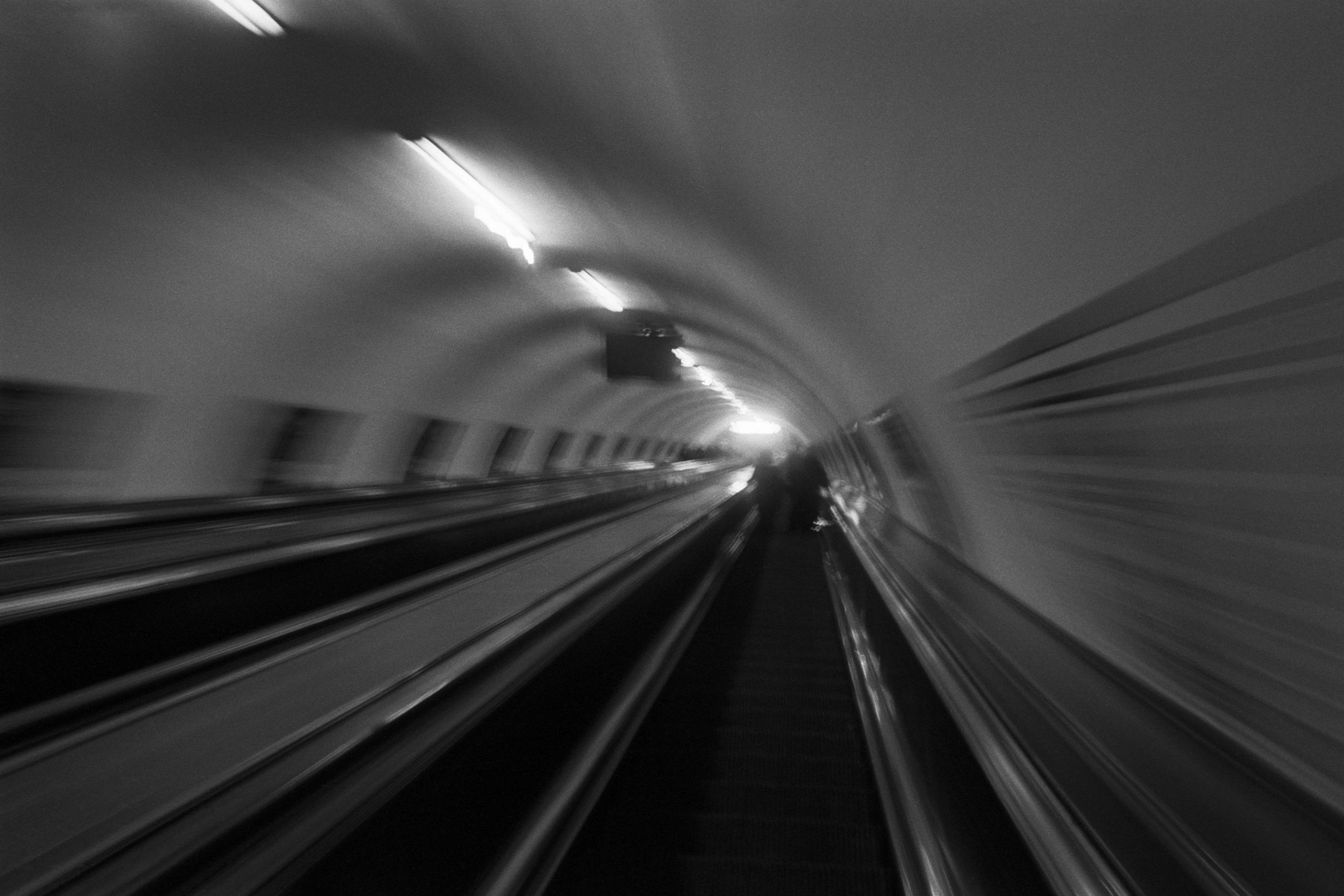
The Wall
2015Winner of the 1st prize & Golden Glass Award at the 11th Photographic Open Championship Olsztyn, and 1st place with the Special Prize of FORMAT magazine at the 3rd Biennial of Art in Piotrków Trybunalski.
View Series →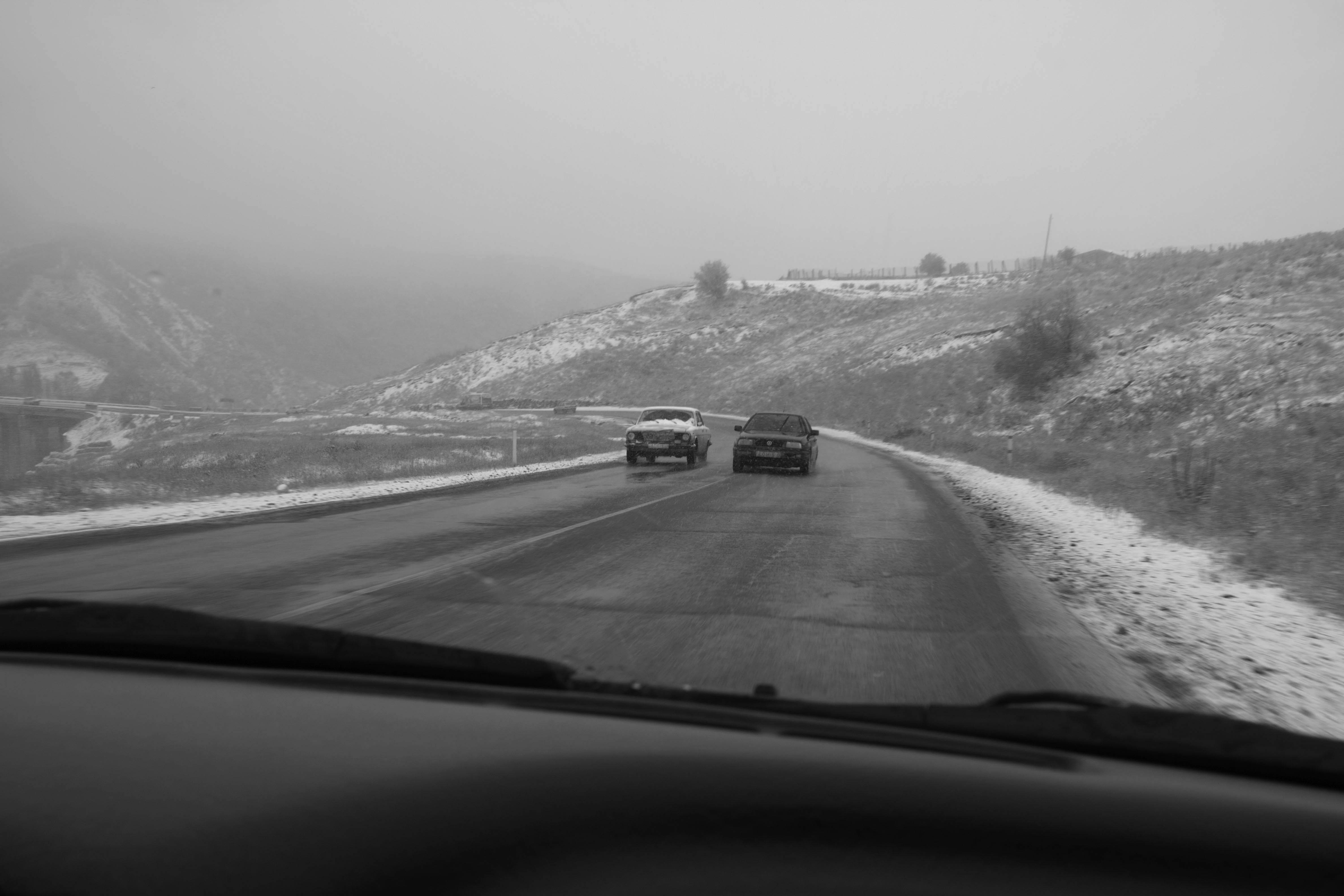
An Engagement Ring
2011A narrative series set in Wrocław in August 2011. Awarded 2nd prize & Silver Glass at the 10th Photographic Open Championship Olsztyn in 2014.
View Series →
Heat Wave
2014A documentary series recording spontaneous events across August and September 2014, capturing the raw energy of a city under the grip of summer.
View Series →