"Photography is not about the thing photographed. It is about how that thing looks photographed."
The evolution of my photography over the past decade
A decade in photography is measured in more than dates, commissions, exhibitions, or changes in equipment. For me, it has been a gradual shift in how I look, how I work, and how I understand the relationship between an image and the person standing in front of my camera. The photographs have changed because I have changed.
My practice began with a strong attraction to atmosphere: shadows, grain, quiet gestures, and the visual tension found in ordinary places. Over time, that instinct developed into a broader language that includes business portraits, fashion editorials, events, and conceptual photographic series. Each area has influenced the others, giving my work a more flexible but still recognisable character.
The darkroom remains important to this process. Medium-format film, black-and-white negatives, analogue printing, and the discipline of waiting have taught me to be deliberate. Digital photography has expanded my speed and options, particularly for commercial assignments, yet I still approach a digital file with many of the same principles I learned from film: precise observation, controlled light, and respect for the final print.
Working between fine art and commissioned photography has also changed my understanding of service. A portrait for a company director in Sydney requires a different rhythm from a fashion story in Melbourne or a conceptual series made in Wrocław. The purpose may vary, but every image depends on trust, attention, and the ability to find something genuine within a carefully constructed frame.
From instinctive images to a considered visual language
Early in my career, I often photographed according to instinct. I responded to an unusual face, an expressive shadow, or a fragment of architecture without always knowing where the image would lead. That approach gave me energy and freedom, but it could also make a body of work feel disconnected. I was collecting impressions rather than building a visual argument.
The following years brought more patience. I began to consider why an image belonged in a series, what emotional temperature it carried, and how one photograph could alter the meaning of another. This was a significant change in my creative development. A strong individual frame still matters, but a coherent sequence can create a deeper experience for the viewer.
My conceptual work became a place to test these ideas. I started using repetition, absence, gesture, and restrained composition to explore memory, identity, and the distance between appearance and reality. These projects gave me room to work slowly, often returning to the same idea over months rather than resolving it during a single session.
That slower process now informs my commercial work. A business portrait does not have to look generic simply because it serves a professional purpose. The same care used to shape a fine art series can reveal confidence, intelligence, warmth, or authority in a corporate image.
Learning what film still teaches me
Film changed my understanding of attention. With a limited number of exposures, I learned to look more carefully before pressing the shutter. Medium-format photography encouraged a different kind of concentration: the image was quieter, more deliberate, and often richer in its treatment of skin, texture, and tonal transitions.
Black-and-white film remains central to my visual education. Removing colour places greater responsibility on light, form, and expression. It can make a portrait feel direct, but it can also reveal uncertainty. In the darkroom, decisions become physical: exposure, contrast, paper, timing, and the small variations that make a print feel alive rather than perfectly manufactured.
I no longer see analogue and digital photography as opposing systems. Digital tools are invaluable when a client needs a fast preview, a carefully controlled campaign, or a large volume of images from an event. Film offers slowness and material presence. I move between the two according to the character of the project, rather than treating one method as a statement of purity.
This balance is particularly relevant for clients in Australia, where a campaign may involve teams working across several cities and time zones. A Melbourne fashion label may need the tactile mood of film for a small editorial while requiring digital delivery for online retail. The medium should support the idea, the audience, and the practical demands of the assignment.
Portraiture, presence, and the space between people
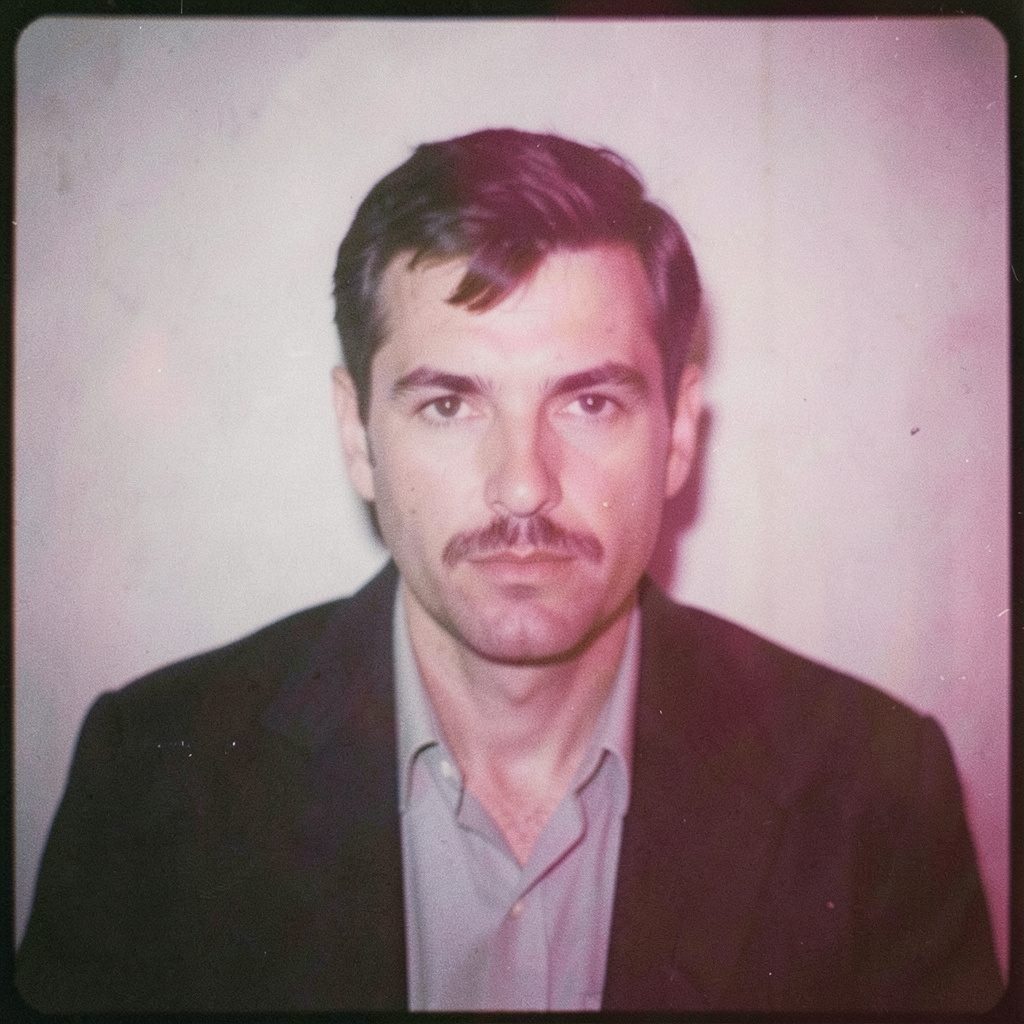
Business portraiture has become one of the clearest measures of my growth. In the beginning, I concentrated heavily on lighting and composition. Those elements remain important, but I now understand that a successful portrait depends just as much on the conversation before the photograph is made.
People often arrive in front of a camera carrying an expectation that they will look unnatural. Executives may be comfortable leading a meeting but feel exposed during a portrait session. My role is to create enough structure for the process to feel professional and enough openness for the person to relax. Small adjustments in posture, breathing, eye direction, and timing can transform an image.
This matters in the Australian business market, where a portrait may appear on a LinkedIn profile, a company website, a conference speaker page, or a media release. The visual language is often polished but approachable. A stiff studio image can feel out of place beside the more direct, conversational tone common in Australian workplaces, where people may describe a strong image as “professional but still like me.”
Location has become another part of the portrait story. Natural light in Sydney can create a bright, open feeling, while Melbourne’s laneways offer texture, shadow, and an urban edge. In Brisbane, humidity and changing weather may affect hair, clothing, and equipment, so preparation becomes part of the creative process. These conditions are not inconveniences to erase; they can help define the character of a photograph.
Events have taught me a related lesson. At a conference, launch, or cultural gathering, the most meaningful images often happen between formal moments. A speaker preparing backstage, colleagues greeting one another, or a guest listening carefully can communicate more about the atmosphere than a sequence of posed group photographs.
Expanding into fashion and commissioned storytelling
Fashion photography brought a stronger awareness of collaboration. The image is shaped by the photographer, model, stylist, hair and make-up team, designer, art director, and location. My contribution is important, but it is part of a larger visual conversation. I have learned to protect the central idea while remaining open to unexpected changes that improve the result.
My earlier fine art work made me attentive to ambiguity and mood. Fashion gave those qualities a practical framework. Fabric, movement, gesture, and styling can suggest a narrative without explaining it directly. I became more interested in images that leave room for interpretation rather than presenting every detail immediately.
Commercial photography has also made me more precise about purpose. A photograph for an Australian fashion label may need to express local identity while remaining useful across a website, social media, press coverage, and printed materials. A campaign made for a Perth client may involve additional planning because of the city’s distance from eastern production centres. Logistics, licensing, weather, and delivery formats are part of the creative brief.
Working across Europe and Australia has made me attentive to cultural tone as well. A visual approach that feels formal in Poland may appear overly serious in Australia. Australian audiences often respond to confidence softened by humour, ease, or an element of informality. I do not treat this as a fixed formula, but I consider it when shaping direction, styling, location, and the relationship between the subject and the camera.
Building a practice that can keep changing
The most important development of the past decade has been the integration of my different photographic identities. Fine art, portraiture, fashion, and event photography are no longer separate compartments. They share a foundation: careful observation, purposeful light, emotional awareness, and a commitment to making images that remain meaningful after the immediate brief has passed.
Technology has changed the workflow considerably. High-resolution digital cameras, colour management, remote collaboration, online proofing, and modern retouching tools have made production more efficient. I use these tools when they serve the image, but I remain cautious about polish for its own sake. Retouching should support character, not remove every trace of life from a face or place.
My approach to client work is now shaped by a clear set of working principles:
- Begin with a conversation about the message, audience, and intended use of the photographs.
- Choose film, digital capture, or a combination of both according to the visual concept and production requirements.
- Treat lighting as a way to reveal personality, texture, and atmosphere rather than simply achieving technical correctness.
- Leave space for spontaneous gestures and unplanned moments during a structured session.
- Edit with restraint so the final collection feels coherent, distinctive, and useful across different formats.
The Australian photography market has reinforced the value of adaptability. A client may need images for a national campaign, a small business launch in Adelaide, a creative project in Hobart, or an editorial commission connected to Sydney’s cultural calendar. Each setting has its own pace and expectations. Clear communication, realistic scheduling, and respect for local communities are as important as visual style.
I am also more conscious of the responsibility involved in photographing place and identity. Australia contains many distinct histories, landscapes, and communities, and a photographer cannot approach them as neutral visual material. When a project involves First Nations subjects, stories, or Country, respectful consultation and appropriate permissions are essential. Looking carefully means understanding context as well as light.
Where the next images begin
Looking back over the decade, I can see that progress has not meant abandoning earlier interests. Grain, shadow, expressive faces, and unresolved narratives remain present in my work. What has changed is my ability to recognise when they belong, how they should be shaped, and what they can communicate to another person.
I now begin a project with fewer assumptions. A portrait may become more revealing when the subject moves away from the expected pose. A commercial brief may gain strength from an imperfect texture. A conceptual series may require a simple image rather than an elaborate construction. Experience has made me more open to these possibilities while giving me the technical control to act on them.
The next stage of my practice will continue to move between analogue and digital processes, private artistic research and public-facing commissions. I expect new places, clients, collaborators, and technologies to influence the work, including the distinct visual conditions found across Australia. The foundation, however, remains unchanged: attention, trust, and the search for an image that feels both carefully made and genuinely alive.
Selected Series
A cross-section of commissioned and personal projects spanning fine art, commercial, and conceptual work.
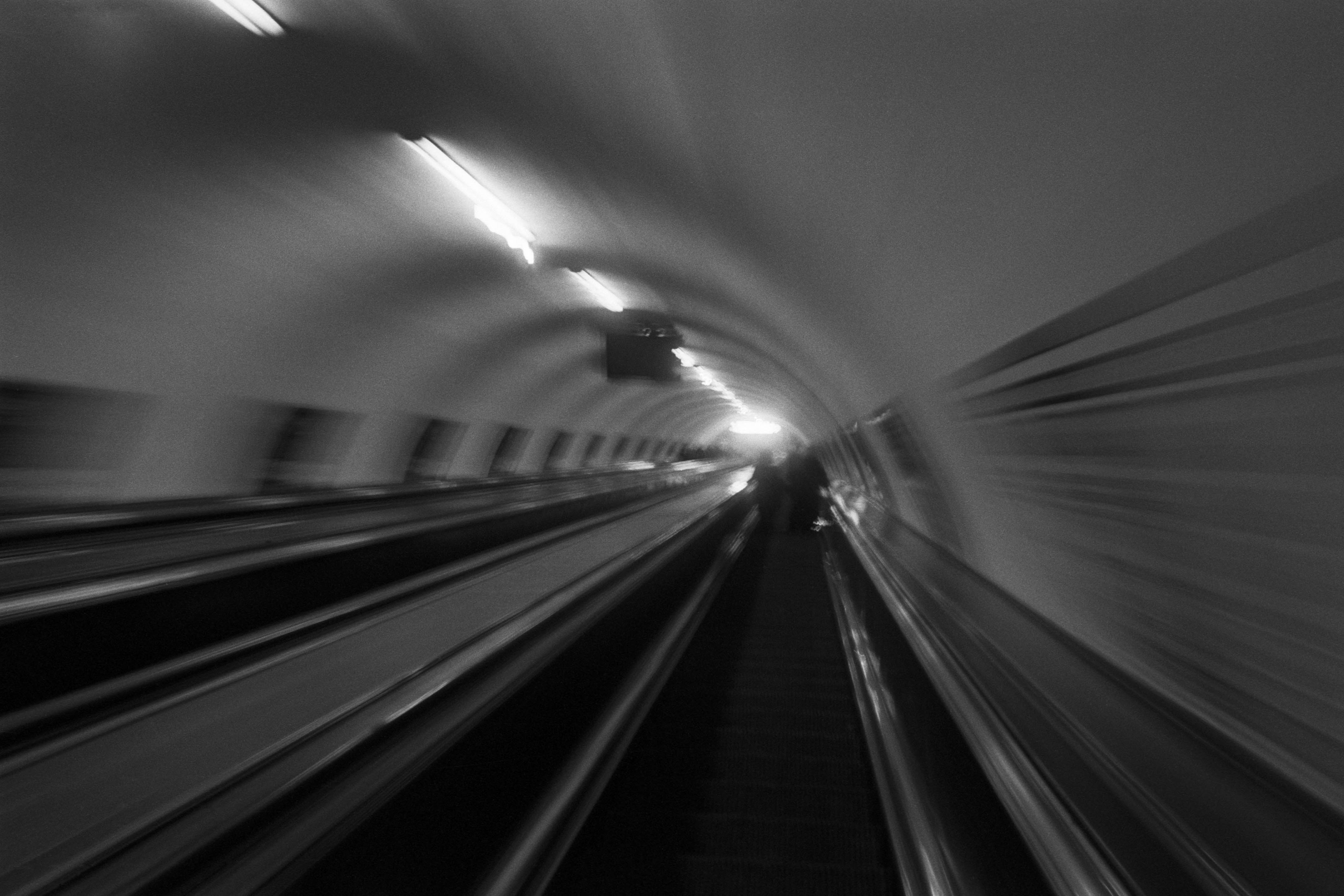
The Wall
2015Winner of the 1st prize & Golden Glass Award at the 11th Photographic Open Championship Olsztyn, and 1st place with the Special Prize of FORMAT magazine at the 3rd Biennial of Art in Piotrków Trybunalski.
View Series →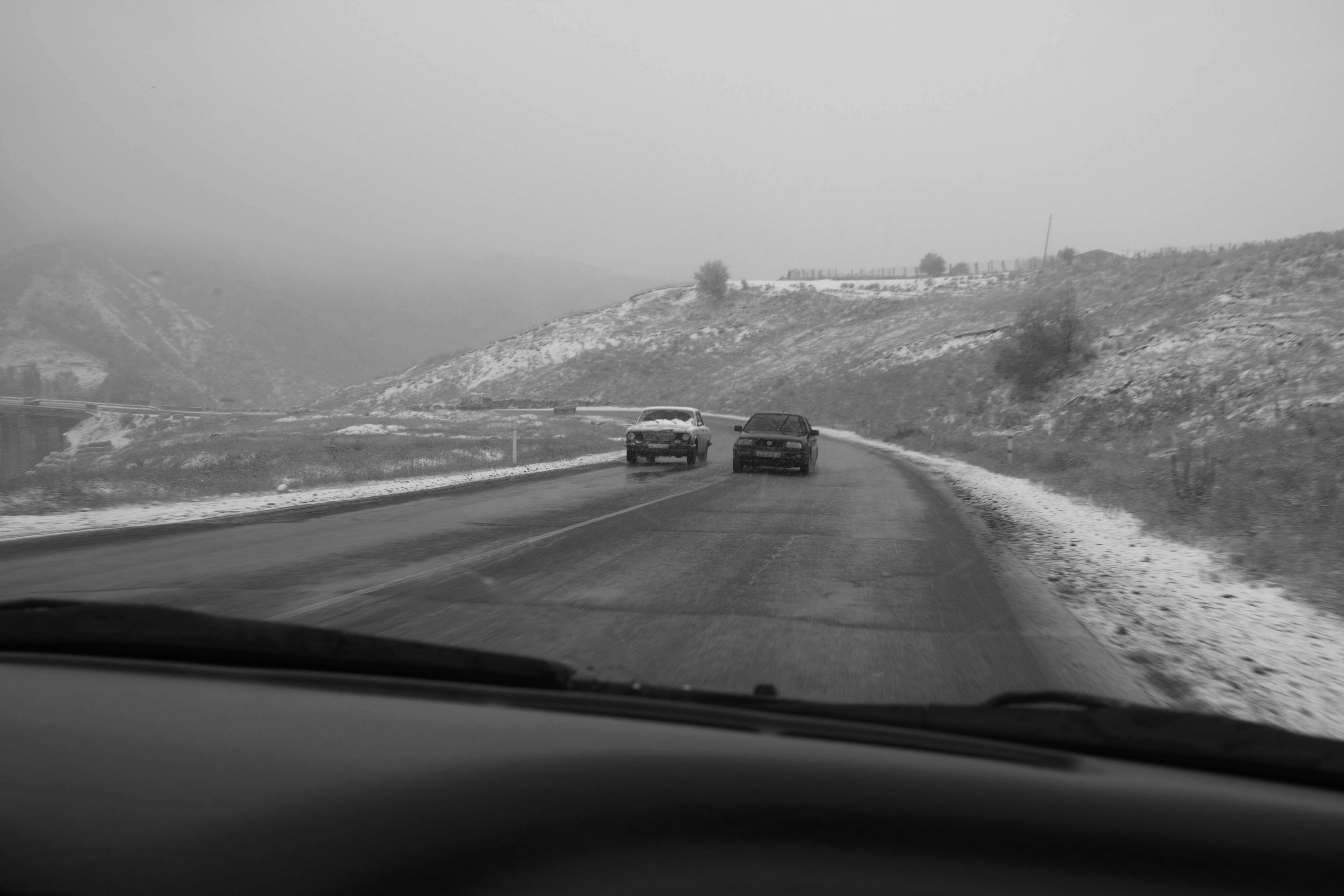
An Engagement Ring
2011A narrative series set in Wrocław in August 2011. Awarded 2nd prize & Silver Glass at the 10th Photographic Open Championship Olsztyn in 2014.
View Series →
Heat Wave
2014A documentary series recording spontaneous events across August and September 2014, capturing the raw energy of a city under the grip of summer.
View Series →