"Photography is not about the thing photographed. It is about how that thing looks photographed."
Breathing for better portraits
Bodily tension rarely announces itself before a portrait. A sitter may arrive relaxed, then lift the shoulders, tighten the jaw and hold their breath while waiting for the shutter. Those small changes can make an otherwise capable photograph look stiff. Breathing offers a precise, humane way to bring movement, balance and expression back into the frame.
The technique matters across corporate headshots, fashion studies, event coverage and conceptual series, yet it is more than a posing trick. It connects observation with trust: the photographer notices how a person breathes, and the direction helps that person settle without demanding a theatrical performance. In my Wrocław-based practice, working with medium-format film, black-and-white darkroom processes and digital production, I give that human rhythm as much attention as the lens, light and composition. The connection is visible across the fine-art and commercial work in Rafal Michalak’s portfolio.
Why breath changes what the camera sees
A still photograph cannot show an inhale, but it records its consequences: a raised shoulder, a shortened neck, a fixed mouth or a gaze that seems to hover rather than meet the lens. Under pressure, some people breathe more shallowly and high in the chest, which makes it harder to release the upper body. Telling such a subject to relax can sound reasonable while giving the body no practical action. A breathing cue does.
Ask for a comfortable breath in and an unhurried breath out. During the exhale, the shoulders can settle, the ribcage can return towards neutral and the jaw can loosen. The sitter is also given a brief interval in which the face is not being actively reshaped. That return towards rest is often where the camera finds a natural line through the eyes, neck and collar.
An inhale often adds energy; an exhale tends to reduce it. The photographer can use that difference to shape a portrait, bringing forward a calm expression or the beginning of a smile. No pose should become an exercise in breath-holding. Deep, forced breaths can alter expression or cause dizziness, while an extended hold introduces the very tension the direction is meant to remove. The useful moment is often the easy exhale, with the head, eyes and shoulders moving back into balance.
Directing the sitting with simple cues
Breathing direction works best when it is brief, concrete and connected to the frame being made. The sitter should not have to translate an abstract request into a new posture. Words such as “settle” may mean several things at once, whereas an instruction to exhale gives the body a clear task. The photographer can begin with the natural rhythm already present, then use a small adjustment to introduce balance without making the adjustment itself visible.
For a still portrait, these prompts are easy to deliver:
- “Take a comfortable breath in, and let it go.”
- “Drop your shoulders as you exhale.”
- “Release your jaw while the air leaves.”
- “Keep breathing normally; don’t hold for the camera.”
When the frame can include movement, use the rhythm to guide the shift:
- “Breathe out and turn your head slightly.”
- “Settle on the exhale, then let the next breath come.”
- “Shift your weight as you breathe out.”
- “Give me a breath, then change your gaze.”
The photographer should watch the result rather than repeat a formula. A cue that helps one person may make another self-conscious, and the first natural exhale may occur before the subject has heard the instruction. Silence, a half-smile or a small change of angle can be more productive than a long verbal sequence. Once the rhythm is established, smaller adjustments—another breath, a pause between phrases—can refine the pose without rebuilding it. In a group portrait, a shared countdown can align attention without demanding identical faces. The aim is a coordinated moment, not a row of held poses.
Adapting to comfort, wardrobe and setting
The physical setting affects breathing before any direction is given. Standing still uses more effort than sitting, tight studio clothing can restrict the ribcage, and a warm room encourages shallow, quicker breathing. Good preparation reduces unnecessary strain: a supportive chair, enough space to move the arms and some water can prevent discomfort from being mistaken for a posing problem. During a hot day in Brisbane, a sitter asked to remain still beneath strong lights may need a seated alternative or a brief reset. Someone managing asthma, respiratory sensitivity or previous dizziness may also need a gentler pace. Comfort is part of the portrait, not an interruption to it.
Clothing and light deserve the same attention. Structured jacket shoulders, a stiff collar or a narrow neckline can change how naturally the upper body moves, and a photographer may need to adjust the framing instead of asking the sitter to force a more expansive posture. Melbourne’s changeable daylight can alter comfort and continuity between locations as cloud cover shifts; the same exposure may look flatter in one frame than the next. A quick check of sleeves, necklines and available space prevents a small physical restriction from becoming a visible pose.
Direction becomes easier when the photographer demonstrates rather than explains. Raising the shoulders and releasing them can show the intended change in scale, while a hand placed lightly on the sternum can help someone locate the movement of breath if words feel abstract. These are optional aids, not tests of obedience. Most importantly, leave room for recovery within the portrait session: a frame taken after the instruction, a change of stance and a few ordinary breaths can produce a more convincing result than an immediate return to the original position.
Breath across portrait, fashion and event work
Business portraiture in Australia often operates across Sydney and Melbourne, where hybrid teams, consultancies and creative businesses commission portraits for company sites, speaking engagements and professional profiles. A sitter may arrive straight from a video call, carrying the posture of a screen and the momentum of a crowded calendar. A calm conversation about the intended use of the image, followed by an ordinary breath, can shift the session from formal presentation towards credible presence. The working habit of moving between virtual appointments and in-person meetings makes that first exchange particularly valuable.
Breathing is equally valuable in fashion and event work, although the visual language differs. In Melbourne’s fashion and hospitality scene, a portrait may combine editorial polish with the atmosphere of a restaurant, showroom or launch. A small breath-led shift lets the garment, chin and gaze remain related to one another instead of appearing separately posed. The photographer can capture several frames during the return to neutral and choose the one with the strongest balance. This is especially useful when fabric, hands and posture need to feel as though they belong to the same body.
The same principle supports conceptual and fine-art work, where a held gesture can carry a different meaning from an unsettled one. Medium-format and film workflows encourage a measured pace, giving the sitter time to settle between exposures, while digital review allows an immediate comparison of a rigid frame with the breathing moment before it. These technical choices serve the image only when the subject remains present within it. Stillness is not the goal by itself; it becomes useful when it contains the potential for life.
Consent, trust and a photographic point of view
Trust also includes knowing what will happen to a photograph. Australia’s Privacy Act 1988 and the Australian Privacy Principles provide a framework for many organisations handling personal information, so photographers working within those relationships benefit from making intended use explicit rather than assuming it. A portrait release can identify the client, the campaign or publication, the channels involved and the duration of use. Clear permissions do more than reduce uncertainty; they allow the sitter to concentrate on the experience rather than managing the image’s future.
Consent during the sitting matters just as much as consent after delivery. The photographer can explain whether close-up crops are intended, whether images may enter a portfolio or be shared with the client’s media team, and what will happen if a selection changes. If the brief changes during production, renewed agreement keeps that trust intact. A person who understands the choices can relax into the frame. A person left guessing may become guarded, and guarded stillness is difficult to correct once the session has ended.
Breathing therefore belongs to the larger ethical and creative practice of portraiture. It reveals a photographer’s attention, gives the sitter a way to participate and allows an image to preserve a trace of living presence rather than the appearance of compliance. For my own practice, the visible craft is inseparable from this hidden collaboration. That quality matters in a black-and-white study, a restrained business portrait or a fashion frame alike. When the camera catches a person returning towards balance rather than holding a position, the photograph gains a quiet credibility that technical polish alone cannot provide.
Selected Series
A cross-section of commissioned and personal projects spanning fine art, commercial, and conceptual work.
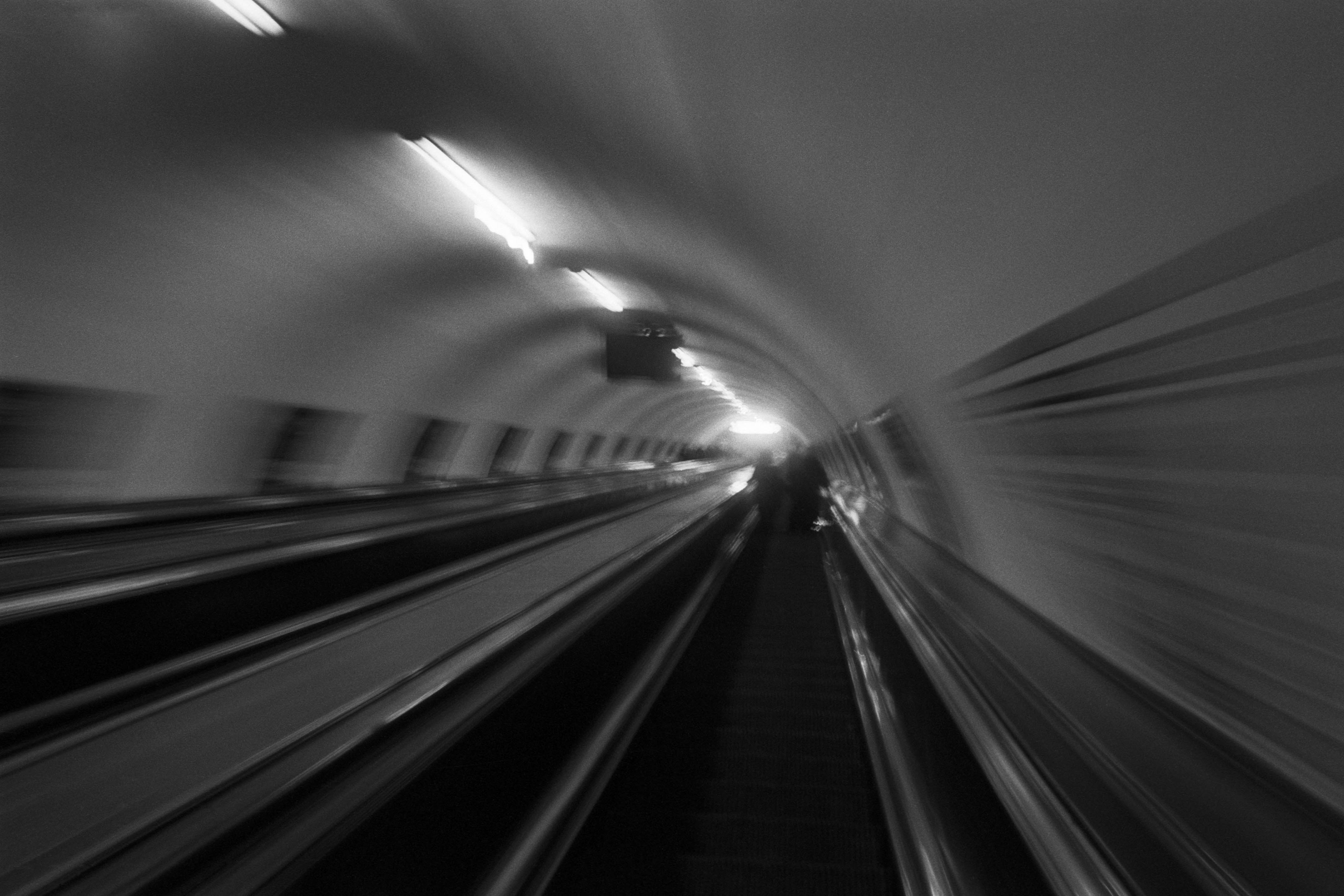
The Wall
2015Winner of the 1st prize & Golden Glass Award at the 11th Photographic Open Championship Olsztyn, and 1st place with the Special Prize of FORMAT magazine at the 3rd Biennial of Art in Piotrków Trybunalski.
View Series →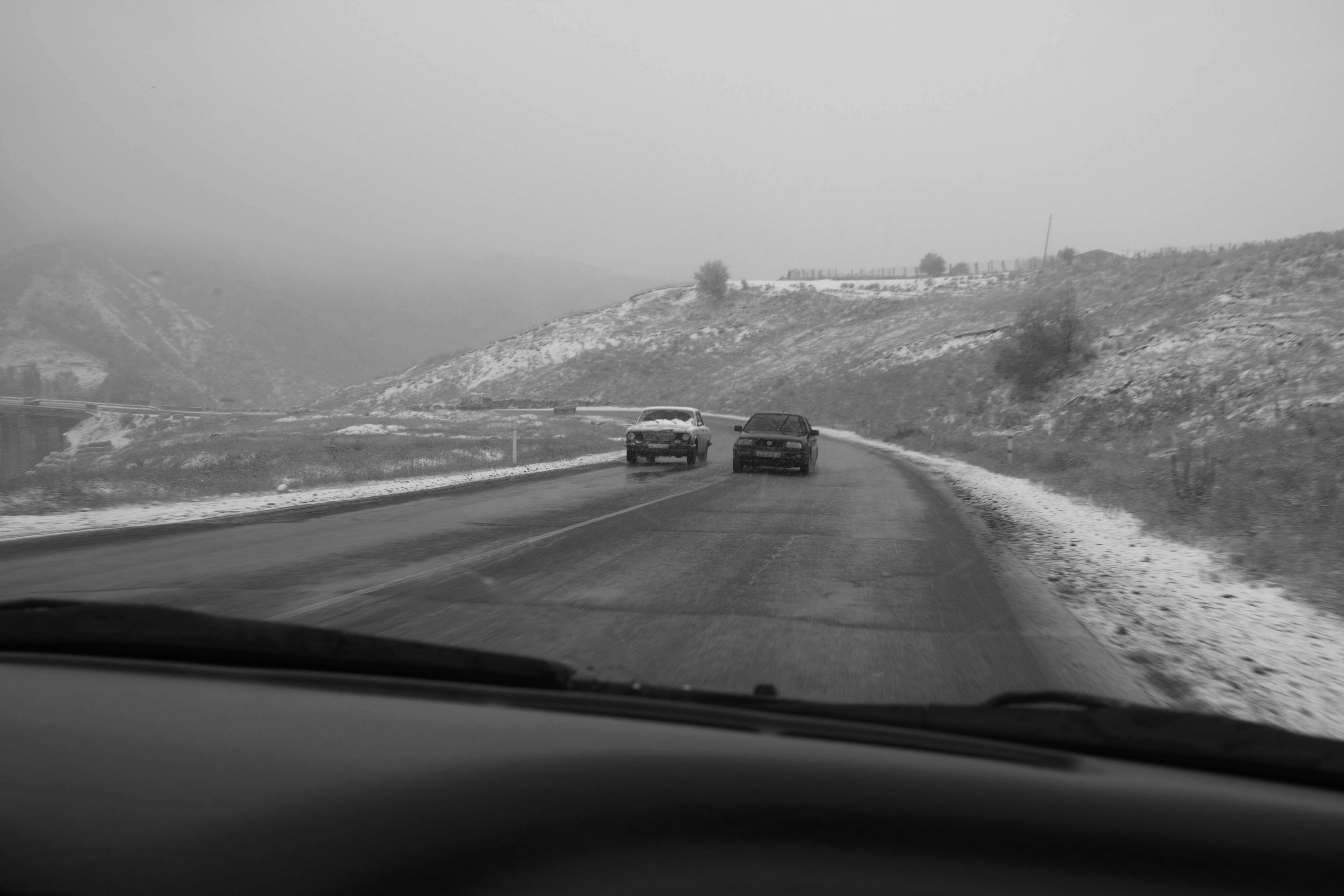
An Engagement Ring
2011A narrative series set in Wrocław in August 2011. Awarded 2nd prize & Silver Glass at the 10th Photographic Open Championship Olsztyn in 2014.
View Series →
Heat Wave
2014A documentary series recording spontaneous events across August and September 2014, capturing the raw energy of a city under the grip of summer.
View Series →