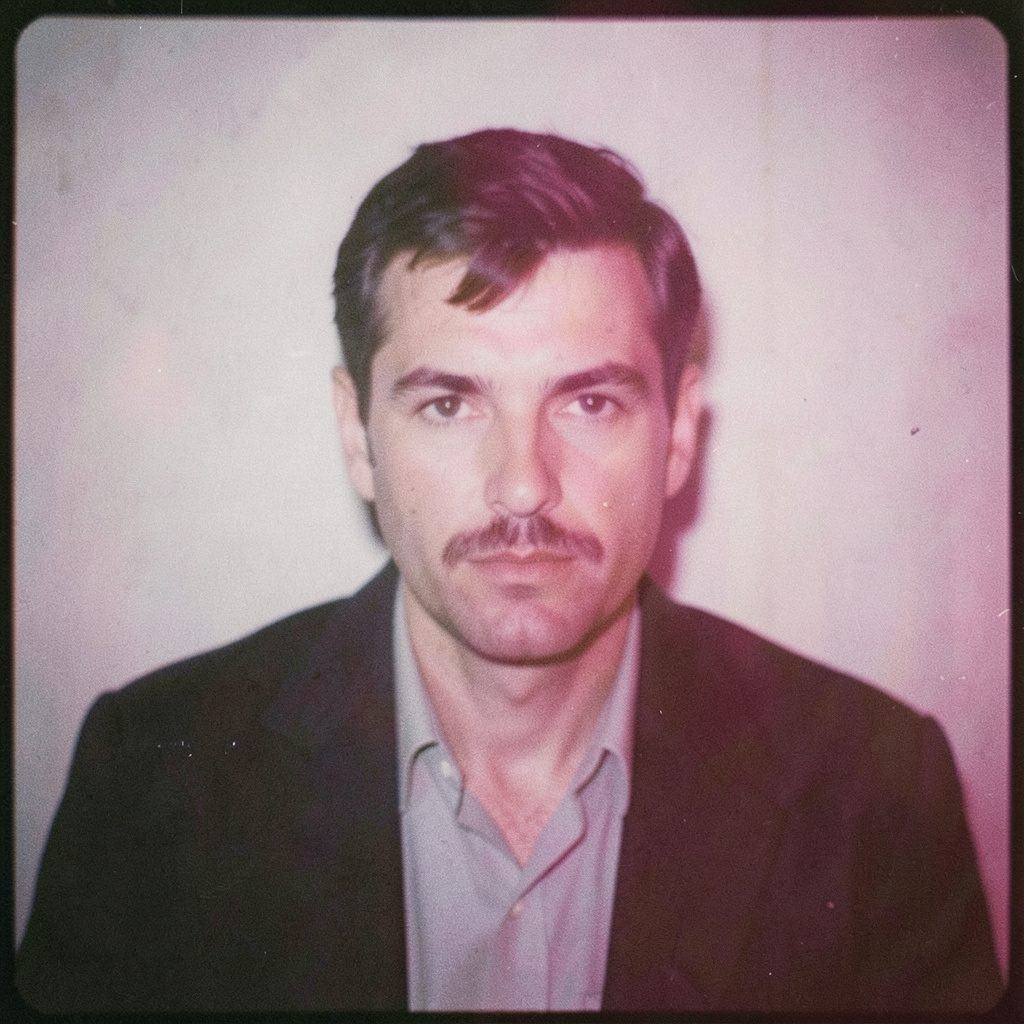
"Photography is not about the thing photographed. It is about how that thing looks photographed."
The quiet power of negative space in photographic composition
In the hours before sunrise along the cliffs of Bondi, the Pacific spreads as a pale wash beneath the walking track. A photographer with a medium-format camera has a choice: pack the frame with the headland, the surfers, the orange light on the rocks, and the sand below. Or let the ocean fill most of the composition, reducing the cliff to a thin ribbon at the top edge, and trust the viewer's eye to do the rest. That decision is what separates a snapshot from a photograph that lingers. Negative space, the area of a frame that surrounds and balances the subject, is the silent partner of every image worth keeping.
Many photographers chase subject first, and space second. The instinct comes from how human eyes are wired to seek detail, faces, motion, and contrast. In a country as visually dense as Australia, where the Great Barrier Reef teems with colour, laneway murals in Melbourne's Hosier Lane compete for attention, and markets such as Fremantle's feel like curated chaos, learning to resist that instinct becomes a discipline. The reward is an image that breathes, one where silence speaks as clearly as the figure or form that anchors it.
Negative space is not emptiness, and it is not wasted real estate. It is a deliberate compositional tool, a place where the eye can rest, a tonal counterweight to the subject, and often the carrier of mood. In a fashion shoot against a plain wall, the wall is the negative space. In a portrait of a young dancer rehearsing in a sunlit Adelaide studio, the wooden floor is the negative space. Used well, it directs attention, builds tension, and creates rhythm across a series. Used carelessly, a busy frame exhausts the viewer.
This piece explores how negative space shapes photographic composition across genres, from business portraits to fine art series. It draws on the visual language that informs analogue practice, darkroom thinking, and the digital workflow that defines much of contemporary work. The examples lean toward Australian settings, not because the principles are uniquely local, but because place shapes how a photographer sees, and the country offers a particular light, scale, and openness that rewards restraint.
What negative space actually means in a frame
Negative space is the area around and between the subject, the part of the composition that does not contain the primary point of interest. In a still life, it might be the sweep of pale linen behind a single lemon. In a cityscape, it could be a flat Sydney sky holding back the geometric jumble of the CBD. The term comes from traditional art and design vocabulary, but it has become essential in photographic thinking, especially as photographers move between medium-format film and digital capture.
The common misconception is that negative space means something literal, like an empty room or a blank wall. In truth, the space can be textured, patterned, or rich with detail, and still function as the quieter side of the image. A shot of a lone figure walking through Melbourne's Queen Victoria Market, framed against the moving crowd, can use that crowd as a textured negative space, busy in itself but receded in tonal value or motion blur. The subject remains the walker. The crowd holds the breath around them.
Learning to identify negative space is partly a matter of squinting at a scene until shapes flatten into masses of light and dark. This habit runs through both digital and analogue workflows, and it is the same habit a printer uses in the darkroom when deciding how long to expose a sheet of paper. The shape and proportion of those tonal masses determine whether the image feels balanced, restless, or unresolved. Photographers who develop this habit early compose more slowly, shoot fewer frames, and come away with stronger keepers.
The visual breath that shapes mood
Mood in photography is rarely created by what is included. It is shaped, more often, by what is held back. A wide, pale sky above a single distant pier on the Mornington Peninsula reads as contemplative, even melancholy, because the sky does most of the talking. Replace that sky with a busy canopy of low cloud, gulls in flight, and a trawler on the horizon, and the picture becomes a different story. The subject has not changed. The negative space has, and with it the emotional register.
This is why negative space is so closely tied to pacing in a photographic series. In a fashion editorial, a quiet, low-contrast frame between two high-contrast images gives the reader a moment to exhale. In a documentary project shot across regional Queensland towns, an unpeopled horizon between two crowded street portraits acts as a visual breath. The viewer does not consciously notice, but the sequence feels more humane, more readable, more like a journey than a catalogue.
There is a particular mood that only large areas of negative space can produce, a stillness that mimics how the Australian outback absorbs sound. The red centre around Uluru, the long stretches of highway near Coober Pedy, the wet season greys over Darwin harbour, all reward photographers who resist the temptation to fill the frame. The land itself is a lesson in scale, and any image that tries to compete with that scale usually loses. The best response is often restraint, allowing the subject to be small, and trusting the environment to provide the rest.
Negative space in portrait and fashion work
Portrait and fashion photography live or die by the relationship between subject and the space around them. A tightly cropped headshot may be the right choice for a corporate session in a Brisbane high-rise, where the brief is clarity and professionalism. A full-length editorial frame of a model in a tailored coat, photographed against the broad concrete of a Melbourne laneway, tells a different story. The coat, the posture, the architecture, and the strip of pale sky above become parts of a single conversation, and the empty concrete holds the room.
For business portraits especially, negative space can do quiet work that busy backgrounds cannot. A clean, well-lit negative area, often a soft gradient or a single tone, allows the subject's expression to carry the image. It also offers room for a magazine layout, a website masthead, or a social media crop later, which is one reason commercial clients tend to commission portraits with generous breathing room. The same applies to fashion, where editors regularly request frames with space on one side for typography, captions, or a block of body copy.
In a fine art or conceptual context, negative space can carry metaphor. A model standing in a vast, pale studio, with a single shadow reaching across the floor, invites the viewer to read absence as presence. A portrait of a writer at her desk, framed so that the rest of the room is suggested only by soft light, suggests the inner life of the subject. These readings are not accidental, they are built through the same compositional logic that governs a Hiroshi Sugimoto seascape or a Bill Henson night frame. Photographers who think this way shoot with fewer props, simpler sets, and a clearer sense of what each frame needs. Surface finish matters across disciplines, and painters who focus on sealing painted typography often think in the same tonal and spatial terms as a portrait photographer does.
Reading the Australian landscape through emptiness
Australia offers a particular education in negative space. The wide, low horizons of the western plains near Broken Hill, the salt pans of Lake Eyre, the long curve of Whitehaven Beach in the Whitsundays, all teach the eye to read the relationship between a subject and the volume of air, water, or land around it. A single paperbark tree on a flooded billabong becomes a poem, not because of the tree, but because of everything that surrounds it.
The light here also shapes the practice. The strong, directional sun of inland New South Wales casts long, sharp shadows that can function as negative space in their own right. The softer, marine layer that sits over Hobart on a winter morning creates a flat, even field that flattens detail and pushes the viewer's attention to silhouette and shape. Photographers who learn to read these conditions stop chasing perfect weather and start reading the air, the moisture, the time of day, the way a passing cloud reorganises an entire frame.
Cultural and commercial projects in Australia benefit from the same approach. A campaign for a Margaret River winery might centre on a single weathered hand cradling a glass, with the rows of vines blurred into a soft green wash. A tourism image promoting regional Victoria could rely on a quiet country road trailing into a pale distance, with no other element needed. In each case, the empty or softened half of the frame does the heavy lifting, and the brand sits more comfortably inside the picture because of the silence around it.
Training your eye to see what isn't there
Negative space is a skill, and it improves with deliberate practice. One useful exercise is to choose a single subject, then shoot it twenty times at twenty different distances, with the subject occupying a different proportion of the frame each time. The exercise makes the difference between ten percent coverage and eighty percent coverage tangible. Photographers often find that the frames they instinctively dismiss are the ones that pull the strongest emotional response when reviewed later.
Studying photographers who use negative space well is another reliable path. The long, still Australian seascapes of Trent Parke, the architectural quiet of an Art Gallery of New South Wales exhibition catalogue, the minimal editorial spreads from a Melbourne fashion house, all of these are useful reference points. Looking at large-format work from photographers like Michael Kenna reinforces how a slow, considered approach produces images where silence becomes structure.
Finally, the editing process is where negative space often gets rescued or ruined. A frame that felt balanced in the field can feel cramped on a laptop, and a frame that felt sparse can reveal its full presence at print size. Photographers who print, whether in a darkroom or on a calibrated inkjet, learn to read an image at its final scale. The empty corner that felt awkward on a camera screen often becomes the place the viewer's eye settles when the image hangs on a wall. Trusting that shift is one of the quiet signatures of a mature photographic practice.
Selected Series
A cross-section of commissioned and personal projects spanning fine art, commercial, and conceptual work.
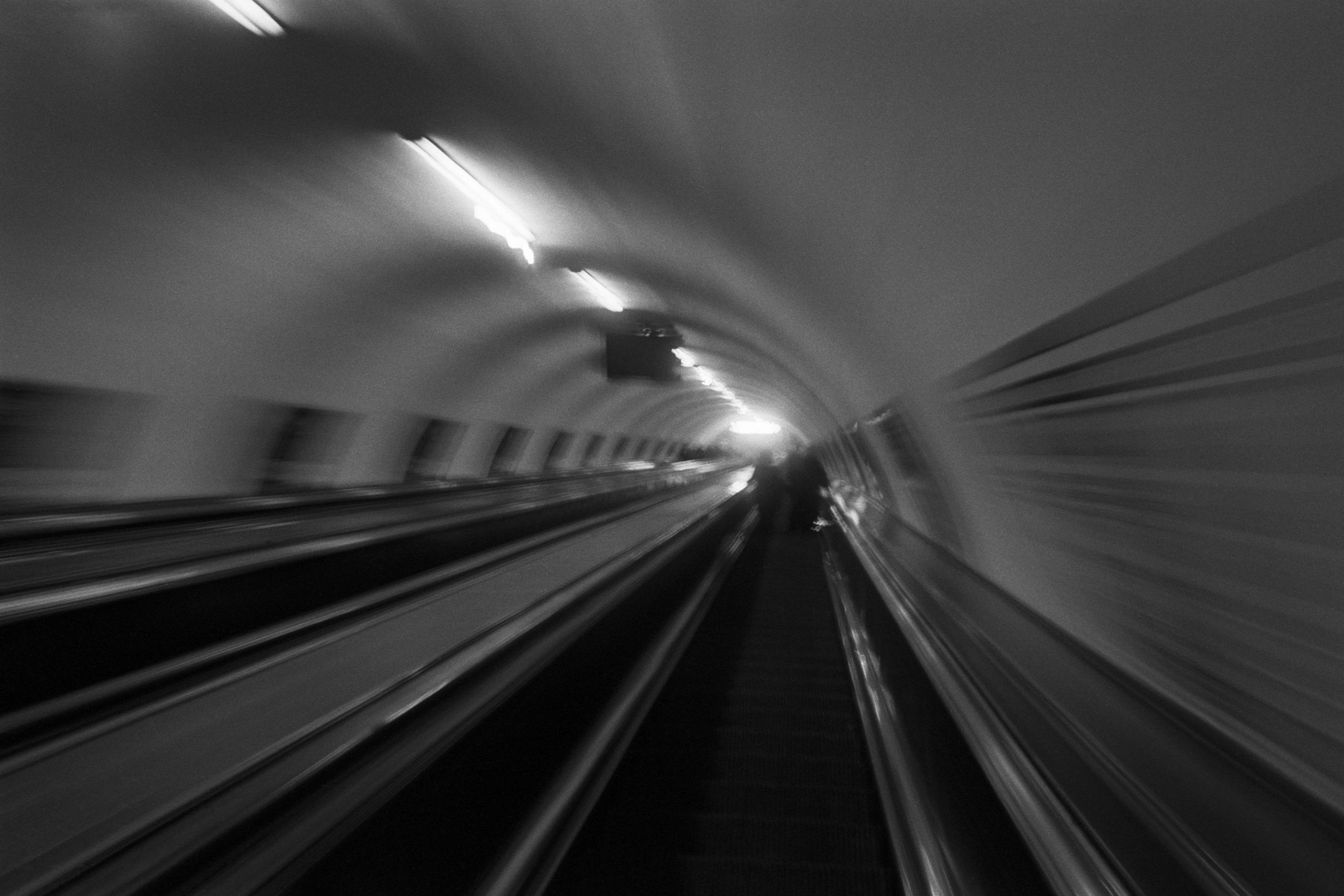
The Wall
2015Winner of the 1st prize & Golden Glass Award at the 11th Photographic Open Championship Olsztyn, and 1st place with the Special Prize of FORMAT magazine at the 3rd Biennial of Art in Piotrków Trybunalski.
View Series →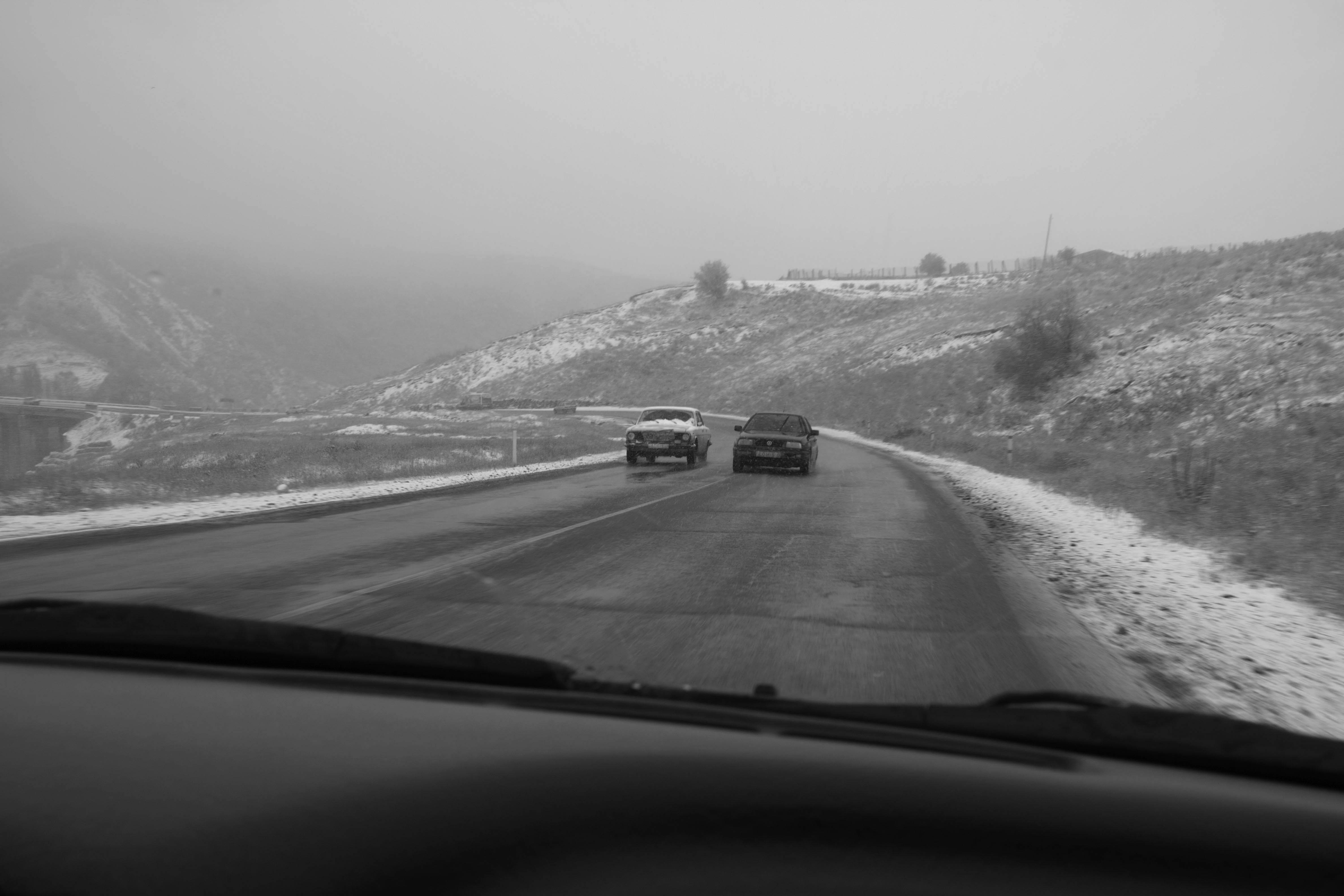
An Engagement Ring
2011A narrative series set in Wrocław in August 2011. Awarded 2nd prize & Silver Glass at the 10th Photographic Open Championship Olsztyn in 2014.
View Series →
Heat Wave
2014A documentary series recording spontaneous events across August and September 2014, capturing the raw energy of a city under the grip of summer.
View Series →