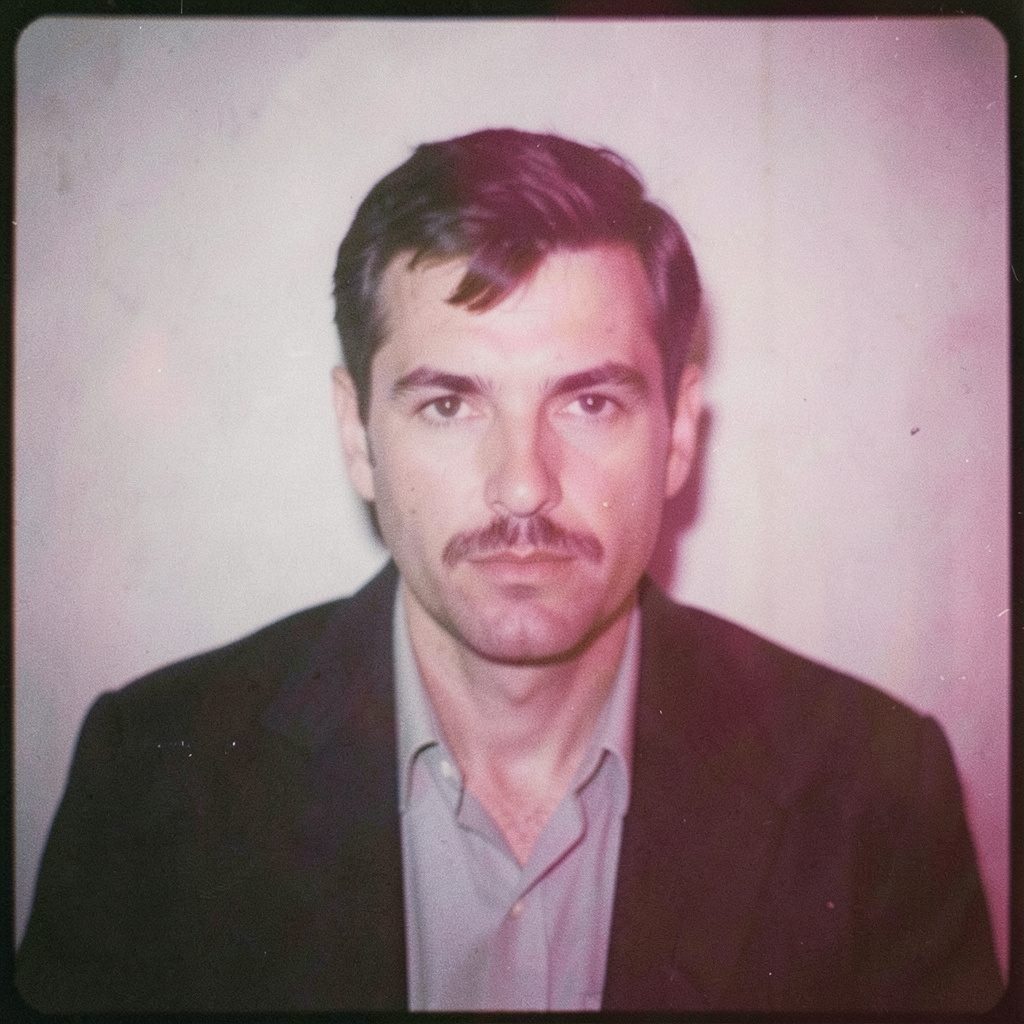
"Photography is not about the thing photographed. It is about how that thing looks photographed."
The importance of patience in street and candid photography
Street and candid photography rewards the photographer who can wait long enough for ordinary life to become visually meaningful. A passer-by may enter a patch of light, two strangers may align for a fleeting gesture, or a quiet expression may reveal more than a posed portrait ever could. These moments cannot be summoned on demand. They emerge through attention, timing and a willingness to remain present.
Patience does not mean standing motionless without purpose. It involves reading a place, recognising its visual rhythm and anticipating what may happen next. The photographer studies movement, light, architecture and human behaviour before pressing the shutter. In this sense, waiting becomes an active form of seeing rather than a passive delay between photographs.
This approach is especially valuable in Australia, where urban environments can change quickly. The hard coastal light around Bondi, the shaded arcades of Melbourne’s laneways, a crowded Sydney CBD crossing or the changing atmosphere around a Saturday footy match each offers distinct photographic possibilities. A successful image often depends on being there early, staying longer and allowing the scene to develop.
Patience also supports ethical, thoughtful image-making. Candid work requires sensitivity to privacy, personal space and cultural context. The aim is not to collect strangers as visual material, but to observe with respect and make photographs that retain their human dignity. A calm photographer is more likely to respond carefully than react impulsively.
Waiting turns a location into a visual stage
Many photographers arrive at a location and immediately search for a subject. A more deliberate method begins with the background. Notice a striking wall, a doorway, a reflection, a beam of sunlight or a strong geometric pattern. Then wait for a person to complete the composition. The environment becomes a stage, while human movement provides the moment that gives the frame its meaning.
This method separates anticipation from luck. If a sunlit section of pavement appears beside a dark wall, the photographer can predict that the next pedestrian may create a powerful silhouette. If a tram stop offers repeating vertical lines, the ideal subject might be someone carrying an umbrella, wearing a vivid coat or pausing in a particular posture. The scene is already working; the person adds the decisive detail.
Australian cities provide many opportunities for this kind of observation. In Melbourne, tram cables, narrow laneways and changing shopfronts produce layered compositions. In Sydney, glass towers and reflective surfaces create shifting relationships between pedestrians and buildings. At Perth’s waterfront or along Brisbane’s river paths, bright open space can make small gestures and silhouettes especially clear.
The waiting period also allows the photographer to refine technical choices. Exposure can be adjusted, focus distance can be estimated and framing can be simplified before the moment arrives. With a medium-format camera or a slower analogue process, preparation matters even more. The photographer learns to make fewer, more considered exposures rather than relying on continuous bursts.
Patience improves timing and visual anticipation
A candid image is often defined by a fraction of a second: a hand raised in conversation, a foot suspended above a crossing, a glance shared between strangers or a subject briefly separated from the crowd. Capturing that instant requires more than a fast shutter speed. It requires awareness of what bodies, gestures and expressions are about to do.
Photographers can train this awareness by observing sequences instead of isolated events. A person who repeatedly checks a watch may soon leave. A child moving towards a puddle may jump. Someone approaching a doorway may pause before entering. These small patterns create visual predictions. The camera is ready because the photographer has already noticed the likely rhythm of the scene.
This is where patient street photography differs from indiscriminate shooting. Taking hundreds of frames can produce a technically successful image, but careful observation increases the chance that the photograph has emotional or formal precision. The decisive moment is rarely entirely accidental. It is often the result of recognising a recurring action and responding at exactly the right time.
The same principle applies to candid work at professional events. In Australia’s commercial market, event photographers may be expected to document networking, presentations and informal interactions without interrupting them. Clients want images that feel natural while still showing their brand and people clearly. Remaining close enough to anticipate a handshake or shared laugh, while far enough away to preserve authenticity, is a skill built through patience.
A slower process can deepen the photograph
Analogue photography makes waiting tangible. When each frame has a cost and the result is invisible until processing, the photographer becomes more selective. Medium-format film encourages attention to composition, while black-and-white film can shift focus towards tone, texture, gesture and structure. The delay between exposure and darkroom development also creates space for reflection.
Traditional methods do not make a photograph automatically more meaningful. Their value lies in the discipline they encourage. Slowing down can reveal whether a scene truly deserves to be photographed or whether the photographer is responding to a passing novelty. It can also help develop a consistent visual language, especially when working on a long-term series.
Digital cameras offer different advantages, including immediate feedback, high sensitivity and the ability to work discreetly in difficult light. A thoughtful digital workflow can retain the same deliberate mindset. The photographer may review a histogram, check focus and continue observing instead of rushing to the next location. Technology changes the process, but concentration remains central.
Studying photographers who work with restraint can sharpen this approach. The portfolio of B. H. Clay Smith offers a useful reminder that atmosphere, human presence and visual cohesion can be more powerful than spectacle. Looking closely at sequencing, negative space and tonal decisions helps photographers understand how patience continues beyond the instant of exposure and into editing.
Ethical observation depends on giving people space
Candid photography involves a relationship between the photographer and the person being photographed, even when no conversation takes place. A long lens, a discreet camera or a busy public setting does not remove the need for judgement. The photographer should consider whether the image exposes vulnerability, misrepresents a situation or turns a private moment into entertainment.
Respectful practice begins with awareness of local expectations. Australian public spaces are generally active and informal, yet people still have boundaries. A quick photograph in a busy laneway differs from focusing on someone experiencing distress, photographing children without appropriate permission or entering a culturally sensitive setting without understanding its significance. Public access is not the same as unlimited ethical permission.
In areas connected to Aboriginal communities, history and ceremony, cultural awareness is particularly important. A photograph can carry meaning beyond its immediate visual appeal. Learning about local protocols, seeking permission when appropriate and avoiding assumptions can prevent harm and create more honest relationships. The photographer’s patience should include time spent listening and learning, not simply waiting for a better frame.
Sometimes the right response is to lower the camera. A person may object, and that objection should be treated calmly. In other situations, a brief explanation can clarify the purpose of the work. Professional photographers working for brands, festivals or editorial clients should also understand relevant permissions, model releases and venue policies. Trust is an essential part of a sustainable photographic practice.
Editing reveals which moments truly matter
Patience remains necessary after the walk, event or assignment has ended. A contact sheet or digital gallery may contain several versions of the same gesture, but only one may hold the strongest balance of timing, expression and composition. Selecting well requires distance from the excitement of making the image.
Begin by identifying photographs with clear visual intention. Ask whether the frame contains a meaningful relationship between subject and setting, whether the gesture feels natural and whether the light supports the mood. A technically sharp image may still be weak if the timing is ordinary. Conversely, a slightly imperfect frame may carry unusual emotional force if its moment is precise.
Sequencing is equally important for a photographic series. Repeated images of crowds can become monotonous unless changes in scale, pace and atmosphere create movement. A quiet detail may work best after a busy scene, while a portrait-like moment can give a sequence emotional focus. Black-and-white conversion should serve the character of the series rather than hide weak composition.
For commissioned work, editing must also respond to purpose. A corporate client may need a concise set of confident, approachable images for a website or annual report. A fashion client may value mood, movement and visual tension. Event coverage may need a clear narrative of the occasion. Patience helps the photographer make these decisions carefully instead of delivering every acceptable frame.
A considered working relationship can support that process from the first brief to final delivery. Photographers offering portraits, commercial commissions or artistic projects can outline their approach through Rafal Michalak Photography’s contact page, where a conversation can establish the intended mood, location, usage and practical requirements before the camera is picked up.
Practices that strengthen patient image-making
Patience becomes easier when it is supported by repeatable habits rather than left to mood or inspiration. A photographer can build a personal system for scouting, waiting, approaching people and reviewing images. Over time, this creates confidence without making the work mechanical.
The following practices are useful for street walks, candid assignments and longer photographic series:
- Spend time observing a location before taking the first photograph, noting light, movement, sound and likely points of interaction.
- Choose a background or source of light and wait for a subject to complete the composition rather than chasing every passer-by.
- Watch repeated gestures and routines so the camera is prepared for what is likely to happen next.
- Carry equipment that suits the pace of the work, whether that means a quiet digital body, a compact rangefinder or a medium-format film camera.
- Treat public subjects with discretion, and pause or explain your intentions when a person appears uncomfortable.
- Edit with restraint by comparing similar frames for emotional clarity, gesture, timing and relevance to the project.
- Return to the same place at different times of day to understand how weather, season and local activity alter its character.
These habits are particularly practical in Australia, where long distances, strong sunlight and rapidly changing weather can shape a photographic outing. Planning a session around an early-morning market, an afternoon tram route or an evening event can produce different forms of energy. A photographer who knows the location can spend less time searching and more time noticing.
The most memorable candid photographs often feel effortless to the viewer. Their apparent simplicity may conceal ten minutes of waiting, several visits to the same street or years of practice in reading human movement. Patience gives the photographer time to see the connection between place and person, and that connection is what allows a fleeting public moment to become a lasting image.
Selected Series
A cross-section of commissioned and personal projects spanning fine art, commercial, and conceptual work.
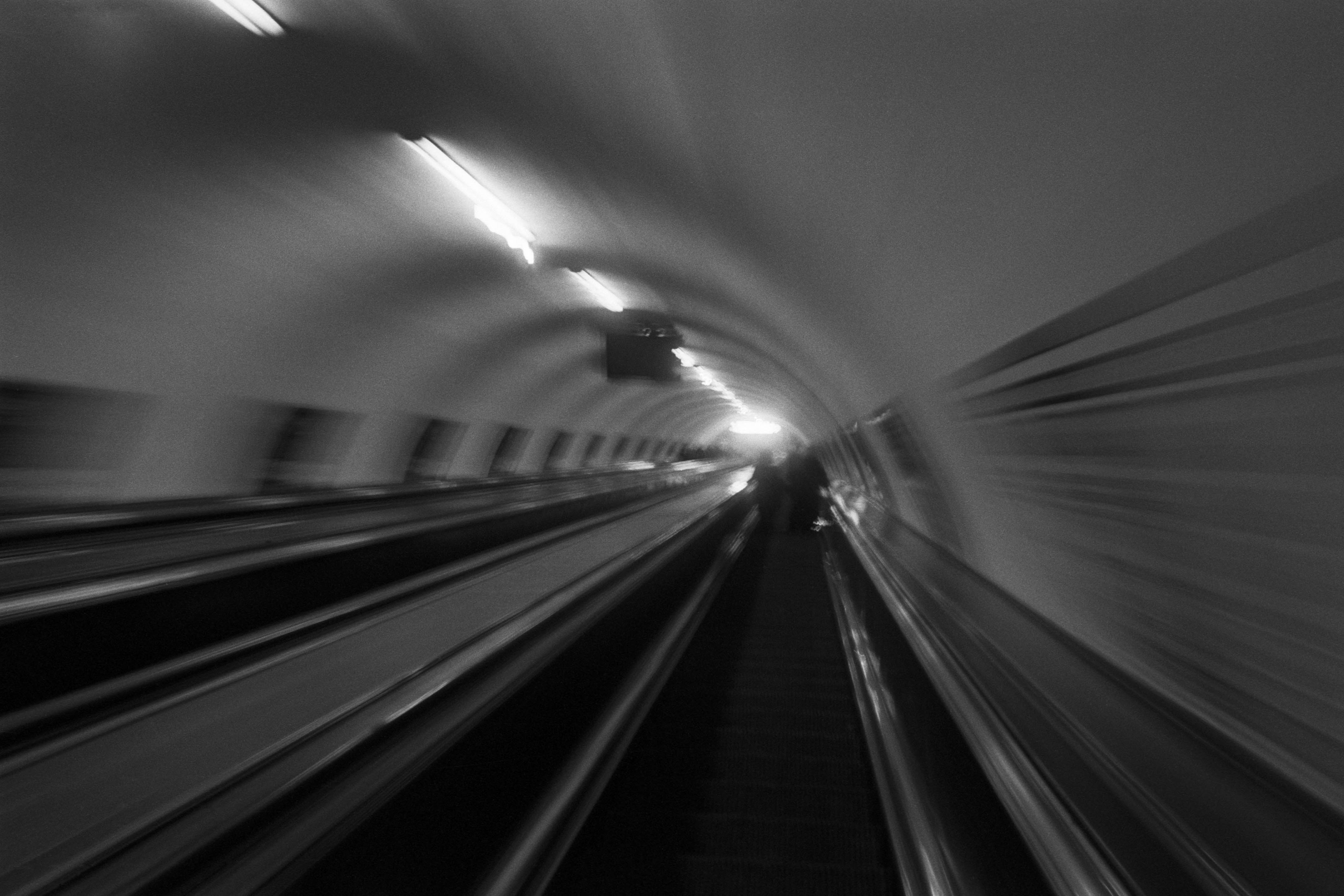
The Wall
2015Winner of the 1st prize & Golden Glass Award at the 11th Photographic Open Championship Olsztyn, and 1st place with the Special Prize of FORMAT magazine at the 3rd Biennial of Art in Piotrków Trybunalski.
View Series →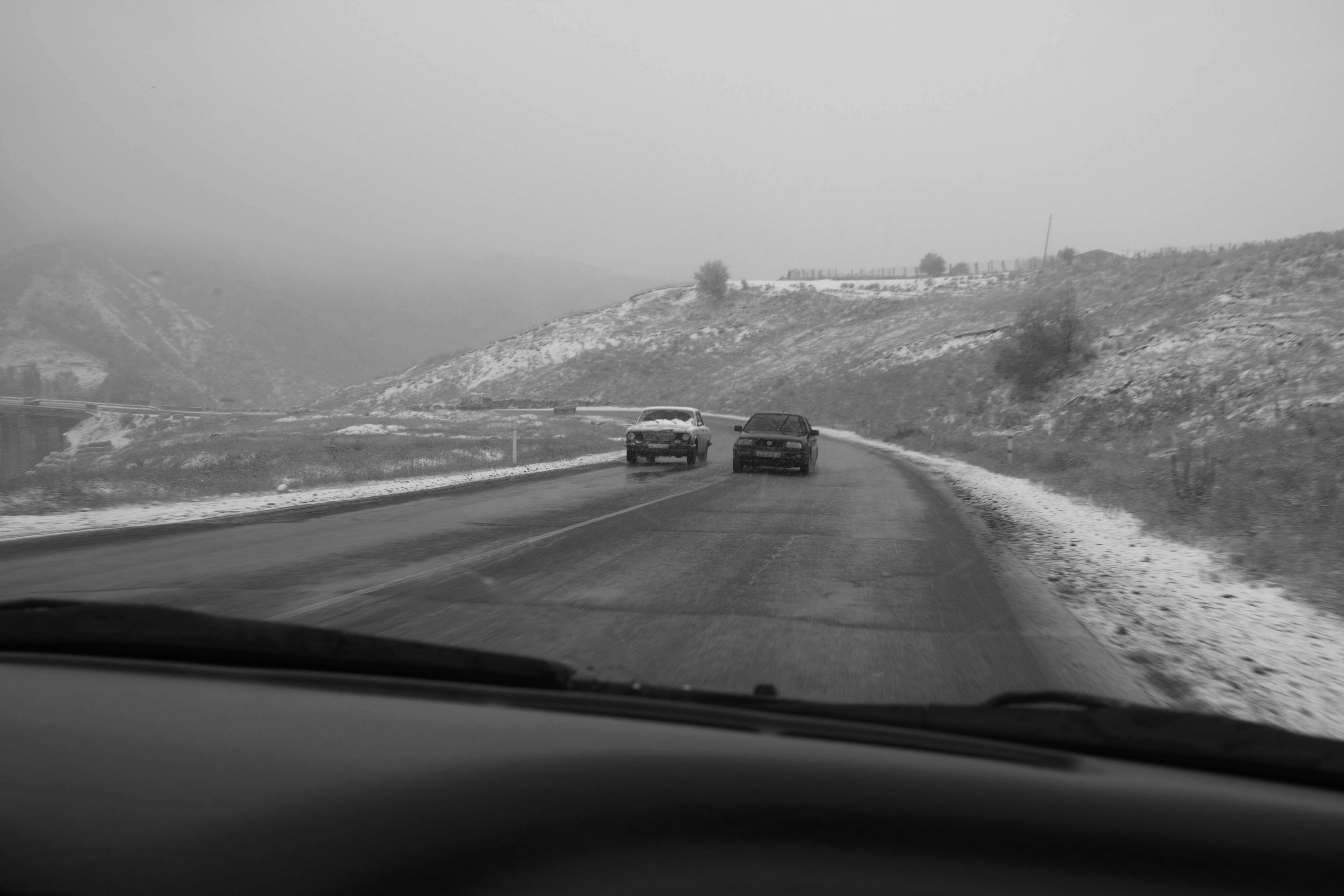
An Engagement Ring
2011A narrative series set in Wrocław in August 2011. Awarded 2nd prize & Silver Glass at the 10th Photographic Open Championship Olsztyn in 2014.
View Series →
Heat Wave
2014A documentary series recording spontaneous events across August and September 2014, capturing the raw energy of a city under the grip of summer.
View Series →