"Photography is not about the thing photographed. It is about how that thing looks photographed."
Where Commercial Practice Meets Fine Art Photography
The intersection of commercial and fine art photography is a productive space where visual imagination meets a clear practical purpose. A campaign, corporate portrait, fashion story or event commission may need to communicate a brand message, yet the strongest images often carry qualities associated with gallery work: ambiguity, atmosphere, texture and a distinctive point of view.
Commercial photography is frequently judged by its ability to support a business. It must present a person, product, service or occasion with clarity. Fine art photography is usually given greater freedom to explore emotion, symbolism and visual tension. The two approaches are not opposites. They can share careful composition, disciplined lighting, thoughtful sequencing and a commitment to making pictures that remain memorable.
For an Australian client, this balance can be valuable across a wide range of settings, from a Melbourne fashion label and a Sydney architecture practice to a Brisbane technology company or a hospitality group on the Gold Coast. A photographer working between these fields can bring an editorial sensibility to commissioned work while still respecting deadlines, brand guidelines, usage requirements and the realities of the local market.
Purpose and interpretation in a single frame
A commercial image begins with a communication problem. The photographer needs to understand what the client wants an audience to feel, notice or remember. A business portrait may need to convey authority and approachability at once. A fashion image may have to support a seasonal collection while expressing a particular cultural mood. An event photograph may document real interactions without turning the occasion into a collection of predictable snapshots.
Fine art practice adds another layer of interpretation. Instead of treating the image as a simple container for information, it considers gesture, negative space, surface, rhythm and the passage of time. A portrait can reveal character through a pause or a slightly unusual angle. A product can be photographed through shadow, reflection or material detail, creating an image with a longer visual life than a straightforward catalogue view.
This approach is especially useful when a brand wants to distinguish itself in a crowded Australian market. Businesses compete through image as well as price and service, and polished but generic photography can make one organisation look much like another. An art-directed visual language gives a campaign or professional profile a recognisable identity without making the commercial purpose obscure.
The role of analogue methods and digital control
Film photography encourages patience and precision. Medium-format negatives can record subtle tonal transitions, restrained detail and a sense of physical presence that viewers often associate with editorial or fine art work. Black-and-white film removes colour as an easy source of impact, directing attention towards light, expression, form and the relationship between subjects.
Darkroom principles also influence digital photography. Decisions about contrast, cropping, density and sequencing remain important whether an image is enlarged in a darkroom or processed on a calibrated monitor. A digital file can be handled with the same restraint as a negative, avoiding excessive retouching and preserving the visual character of the original scene.
The digital workflow provides practical advantages for commercial assignments. Files can be reviewed efficiently, delivered in several formats and prepared for websites, social media, print advertising and large-scale display. The most effective hybrid practice does not imitate film superficially with a preset. It uses the strengths of each medium: analogue texture and considered exposure alongside digital flexibility, colour management and dependable delivery.
Portraiture between professionalism and character
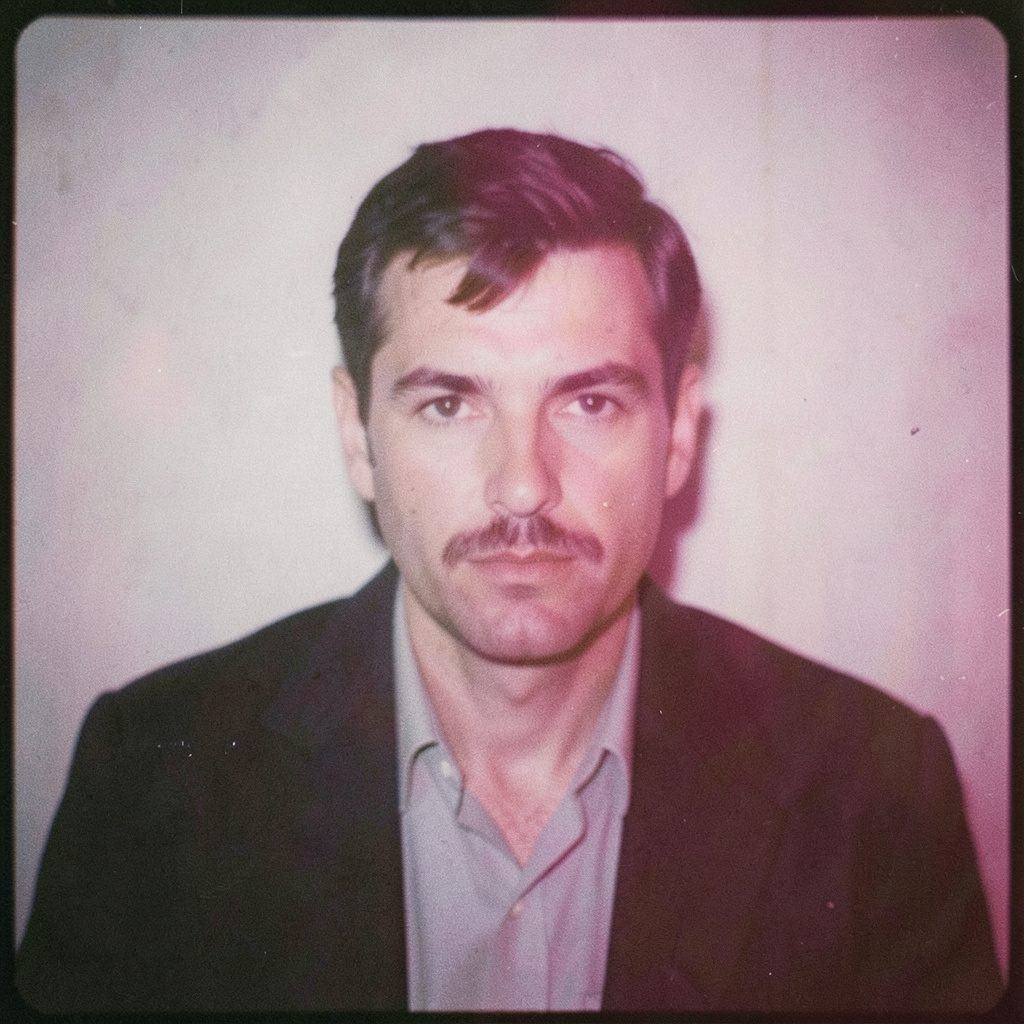
Business portrait photography sits directly at the meeting point of commercial communication and personal observation. A company needs images that function across LinkedIn profiles, annual reports, media releases, conference programs and its own website. Yet a portrait that looks overly staged can make a professional appear distant or interchangeable.
An artistic portrait session creates room for a person’s character to remain visible. Lighting may be shaped to describe the face rather than flatten it, while the background can refer subtly to the subject’s environment. A founder photographed in a workshop, an architect surrounded by drawings or a chef working before service can communicate expertise through context as well as expression.
Local conditions can influence how these sessions are planned. In Sydney, strong daylight and reflective surfaces near the harbour may require careful control of contrast. Melbourne’s changeable weather can make an indoor location valuable for consistency, while Brisbane’s heat and humidity may affect clothing, makeup and the pace of an outdoor shoot. These details are practical, yet they also shape the atmosphere of the finished portrait.
A useful professional image should give the subject enough direction to feel confident without forcing a theatrical performance. Small adjustments to posture, eye line and hand placement often matter more than elaborate staging. The result can retain the polish expected by a business while offering the individuality that gives fine art portraiture its emotional force.
Fashion, events and visual storytelling
Fashion photography naturally borrows from both commercial and artistic traditions. Clothing must remain visible and accurately represented, but the photograph also needs movement, mood and a sense of cultural relevance. A collection can be shown through a sequence of images that resembles a short visual narrative rather than a set of isolated sales pictures.
This is important for independent Australian designers, who often build recognition through a combination of online retail, editorial coverage, social platforms and in-person presentations. A campaign may need vertical images for mobile viewing, horizontal photographs for a website banner and carefully composed portraits for press use. A coherent visual concept helps these different formats feel connected.
Event photography involves a different form of storytelling. The photographer must anticipate decisive moments while remaining responsive to the energy of the occasion. At a conference in Sydney, a gallery opening in Melbourne or a community event in Perth, the work may include wide environmental frames, quiet interactions, speaker portraits and details of the venue. Fine art awareness helps the photographer notice transitions and relationships rather than recording only formal highlights.
Australian events also operate within distinct social habits. Guests may move between outdoor and indoor spaces, spend long periods networking over coffee, or gather in informal groups after a presentation. Natural gestures often emerge during these intervals. Observing them carefully can produce photographs that feel more genuine than images made only when people are instructed to look at the camera.
Collaboration, licensing and ethical responsibility
The artistic quality of a commissioned photograph depends on collaboration before the camera is used. A clear brief should cover the intended audience, location, visual references, number of final images, schedule and delivery formats. The photographer can then identify where creative interpretation will strengthen the brief and where consistency is essential.
Usage rights need equal attention. A client may require images for a website and organic social media, while paid advertising, packaging, outdoor display or national campaigns may call for a broader licence. The duration and territory of usage should be recorded, along with whether the client receives exclusive rights or a defined permission to use the work. Copyright generally remains with the creator unless it is assigned in writing, so assumptions can create avoidable disputes.
Australian clients should also consider the Australian Consumer Law when commissioning or supplying services. Representations about deliverables, timelines and inclusions need to be accurate, and agreements should describe what happens if a location becomes unavailable or an event changes. Privacy obligations may apply to organisations covered by the Privacy Act 1988, particularly when portraits, contact details or other personal information are collected and stored. Consent and model releases are sensible safeguards even when a specific legal release is not strictly required for every use.
Ethical practice extends beyond paperwork. People should understand how their likeness may appear, especially in documentary-style event coverage or conceptual campaigns. Retouching should be discussed where it could materially alter a person’s appearance or the meaning of the image. Respect for subjects strengthens the work because trust allows more natural expressions and more honest collaboration.
Building a lasting visual identity
A successful commission should work in the present while contributing to a longer visual identity. A business may need immediate images for a website launch, but the photographs can also establish a consistent approach to colour, lighting, composition and portrait direction. Over time, this consistency becomes part of how an audience recognises the organisation.
Fine art sequencing offers a useful way to think about a commercial image library. Instead of asking whether every photograph looks identical, the photographer can consider how the images relate to one another. A profile portrait, a detail of a working process and a wide environmental frame can create variation while sharing the same tonal language. This gives a website or campaign a sense of rhythm.
The Australian visual landscape offers rich material for this kind of identity. Coastal light, dense urban streets, broad industrial spaces and the muted colours of many interiors can all support different brand narratives. A Melbourne studio may call for tactile shadows and restrained monochrome, while a regional hospitality business may benefit from open skies, warm evening light and a stronger connection to place. The location should serve the concept rather than become decorative scenery.
For a photographer with roots in traditional processes, this continuity can connect commissioned work with personal practice. A conceptual series may explore isolation, memory or the body, while a commercial portrait session addresses a client’s communication goals. The methods can overlap: careful observation, deliberate lighting, physical texture and respect for the subject. The final photograph remains useful to the client, yet it also bears the mark of an individual artist.
Why the distinction matters less today
Audiences encounter photography across galleries, magazines, phones, packaging, websites and public spaces. The same person may respond to a black-and-white fine art print in a gallery and to a carefully art-directed brand campaign on Instagram within minutes. Visual standards have become fluid, and viewers are increasingly attentive to whether an image feels considered or manufactured.
This does not mean every commercial photograph should become obscure or experimental. A product still needs to be identifiable, a portrait still needs to represent its subject and an event gallery still needs to tell people what happened. Artistic intention works best when it supports communication rather than competing with it.
The intersection of commercial and fine art photography is therefore a matter of expanded possibilities. It allows a photographer to meet a brief with technical reliability while bringing sensitivity, atmosphere and authorship to the result. For clients, the value lies in images that fulfil an immediate business function and continue to communicate after the campaign, launch or event has passed.
A photograph can sell, document, inform and provoke thought at the same time. When commercial discipline and fine art curiosity are held in balance, commissioned work gains depth without losing clarity. That balance creates portraits with presence, campaigns with character and visual stories capable of representing people and organisations with greater precision.
Selected Series
A cross-section of commissioned and personal projects spanning fine art, commercial, and conceptual work.
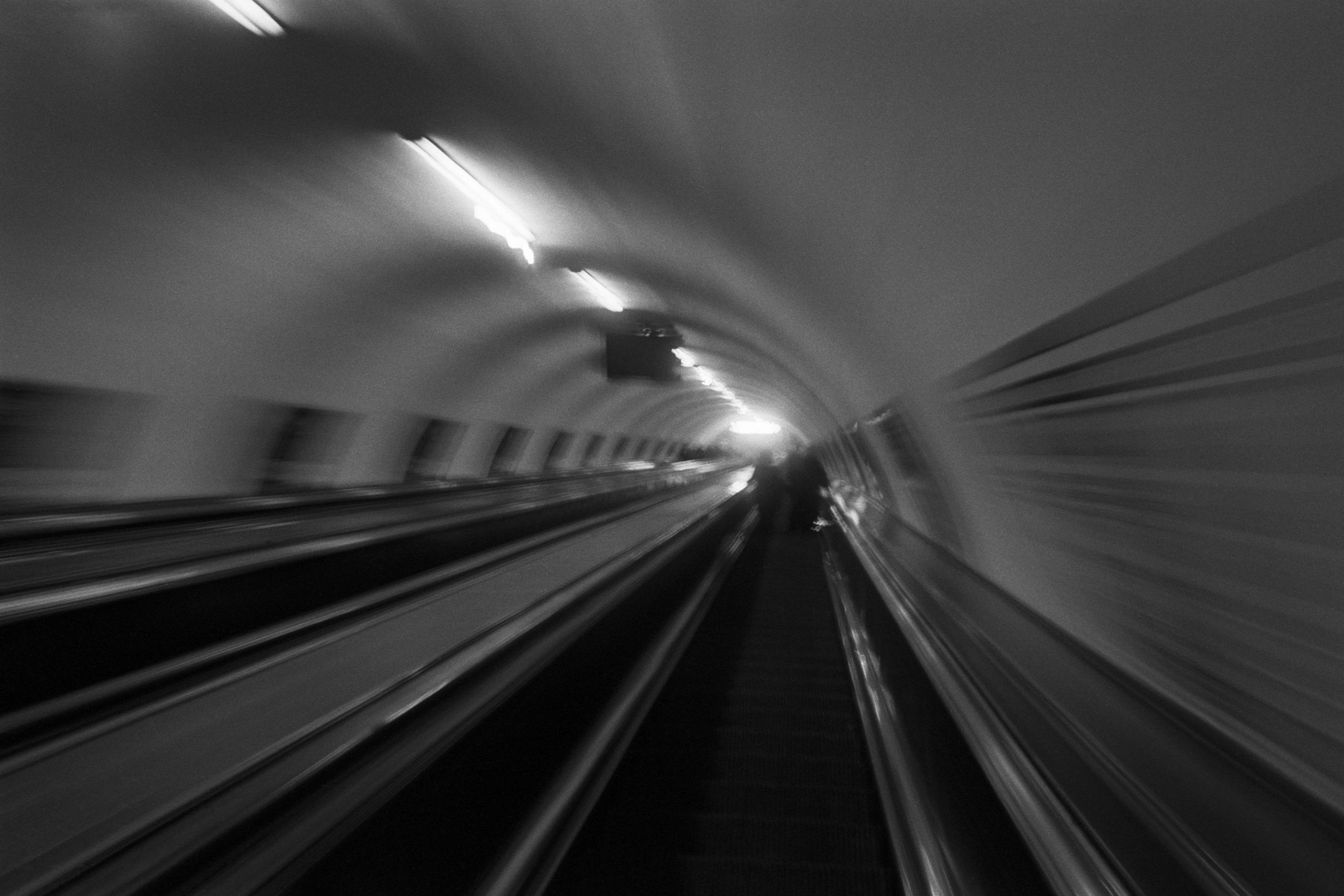
The Wall
2015Winner of the 1st prize & Golden Glass Award at the 11th Photographic Open Championship Olsztyn, and 1st place with the Special Prize of FORMAT magazine at the 3rd Biennial of Art in Piotrków Trybunalski.
View Series →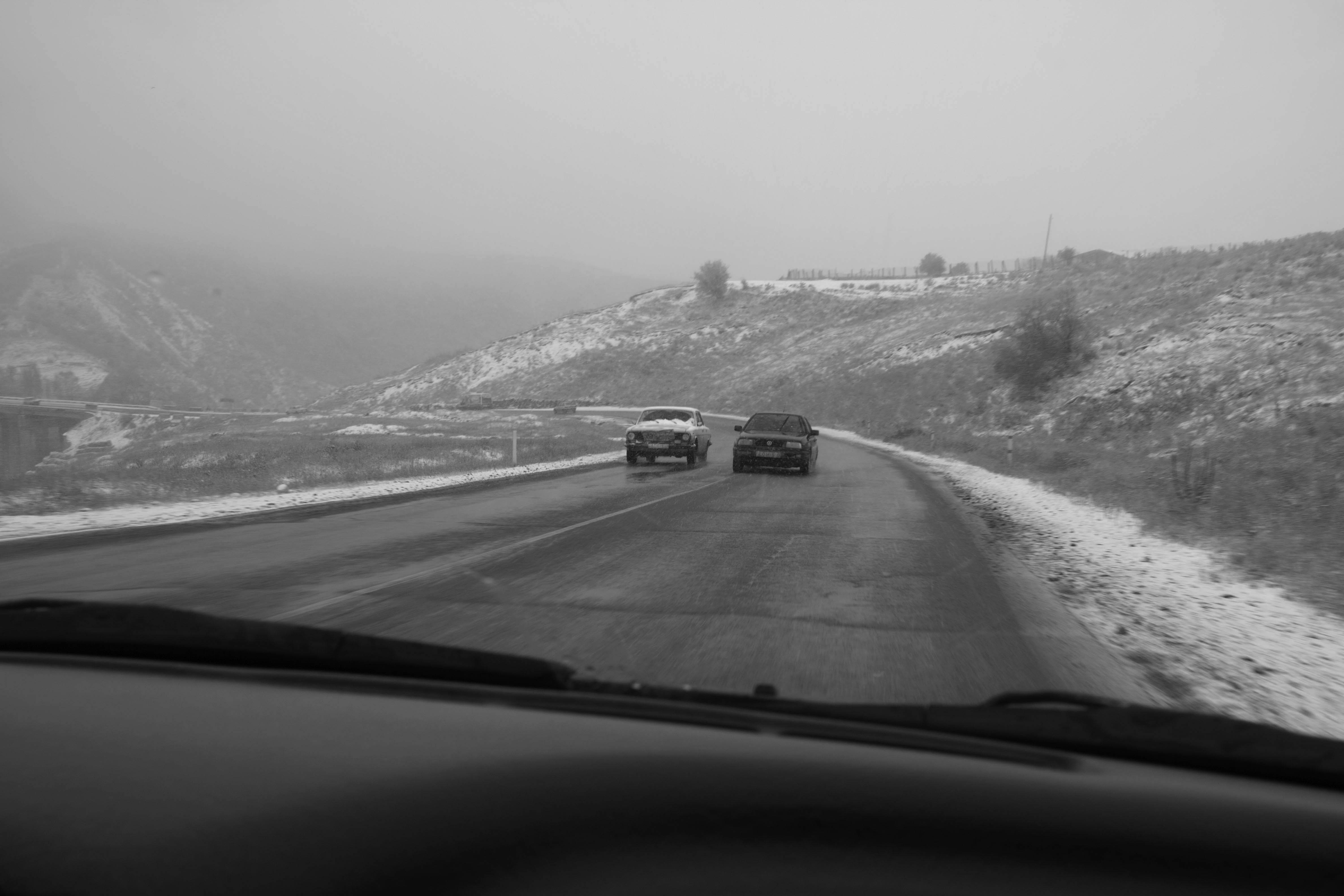
An Engagement Ring
2011A narrative series set in Wrocław in August 2011. Awarded 2nd prize & Silver Glass at the 10th Photographic Open Championship Olsztyn in 2014.
View Series →
Heat Wave
2014A documentary series recording spontaneous events across August and September 2014, capturing the raw energy of a city under the grip of summer.
View Series →