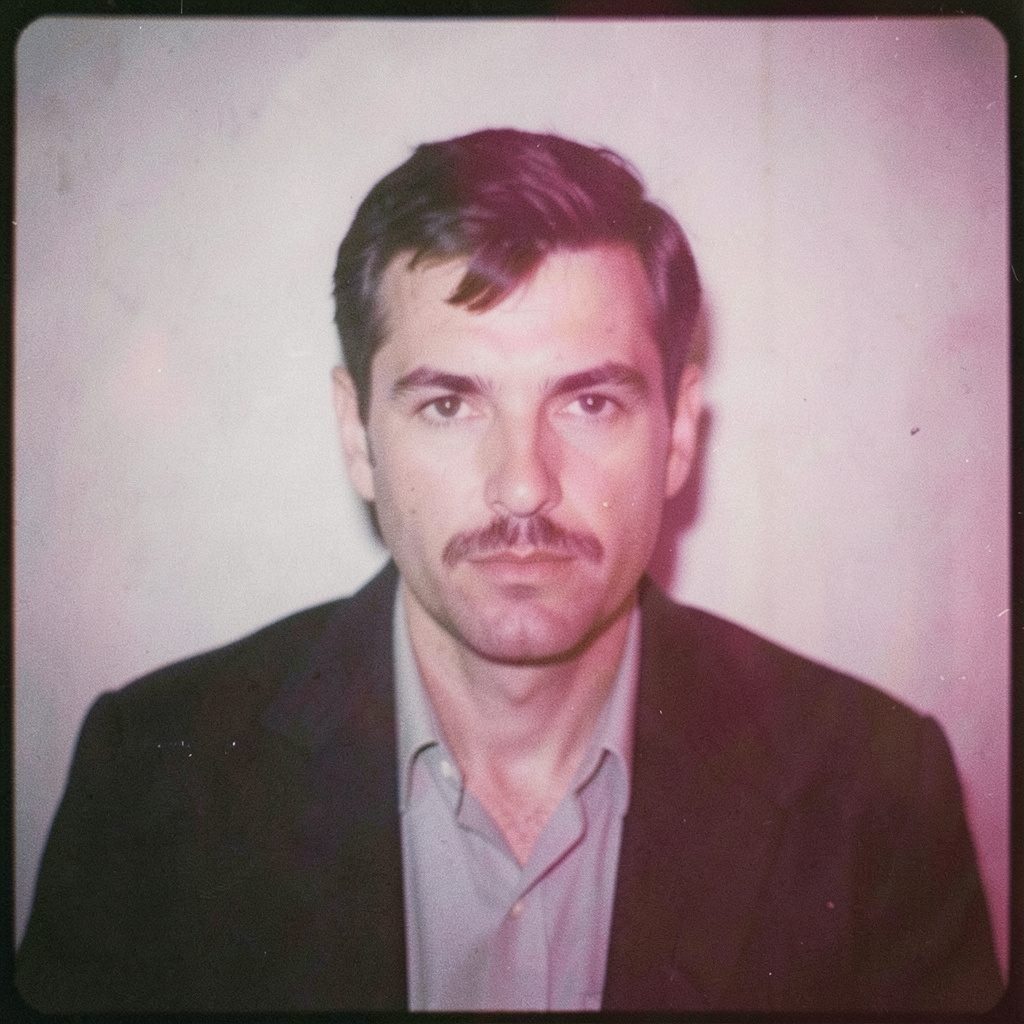
"Photography is not about the thing photographed. It is about how that thing looks photographed."
The joy of shooting with a twin lens reflex camera
A twin lens reflex camera makes photography feel physical in a way many digital cameras no longer do. You hold the body at waist or chest height, watch the scene appear on a ground-glass screen and bring it into focus with a small control wheel. The image is reversed and inverted on that screen, yet its brightness, grain and fine detail remain strangely immediate. Nothing about the process feels mediated. Light, distance, gesture and timing become visible before the shutter is pressed.
That deliberate rhythm fits my Wrocław-based practice, where traditional darkroom thinking meets medium-format film and digital post-production. A twin lens reflex camera is not a replacement for every modern tool, nor is it an exercise in purity. It is a way of looking. Used with care, it encourages restraint, close attention and a willingness to accept that some frames matter more than a long sequence of almost identical ones. The pleasure comes from learning to recognise that difference while the scene is still happening.
Why the waist-level view changes seeing
The upper lens of a twin lens reflex sends light to the viewing screen; the lower lens carries it to the film. This unusual arrangement is more than an engineering footnote. Because the photographer looks down rather than through a pentaprism, the camera becomes a compact drawing board held just below the line of sight. Portraits can be made from the chest, street scenes can be framed around foreground objects, and subjects may feel less confronted by a lens aimed directly at eye level. The posture alone changes the social temperature of the picture.
Focusing also becomes a tactile conversation. On many cameras, a central spot, a split-image prism or a bright-line rangefinder helps confirm sharpness, while the surrounding screen shows how much depth remains acceptable. At close distances, parallax can shift what the focusing screen shows from the taking lens, so the camera must be moved slightly as focus is refined. This tiny physical adjustment is often described as inconvenient. I find it absorbing: the photographer has to negotiate three dimensions instead of trusting a rectangle of pixels.
The screen’s reversed image can initially disorient, but the mind adapts quickly. Once that adaptation occurs, tonal transitions become easier to read and compositional balance can feel unusually clear. A pale cloud against a dark sky, a white collar against deep fabric, or a figure separated by a strip of sunlight can be spotted without guessing from a small rear display. Medium-format negatives then preserve much of that visual decision. The result may feel clean and contemporary, while the moment of seeing it was distinctly analogue.
A field kit for Australian assignments
A twin lens reflex camera feels at home in Australia when its limitations are treated as part of the assignment. Heat, dust, coastal salt and sudden squalls all affect a rigid body with glass and moving shutters. A Melbourne laneway can be sheltered yet crowded, while a Sydney sandstone terrace can bounce hard light into the taking lens. Before leaving the studio, the camera needs a weather plan as considered as the lighting plan.
The bag itself can stay deliberately plain:
- A fitted rain cover that also shields the camera during a crowded street shoot.
- Soft cloths for dust, fingerprints and the fine salt found near beaches.
- A lens hood or screw-on cover that protects the front element from impact and spray.
- A small dry bag for film, a light meter and anything vulnerable to moisture.
Working tools need a different kind of discipline:
- A fresh battery for the meter, plus a spare if the meter uses one.
- Film rated for the light, with a note of the shutter speed and aperture used.
- A phone used only for logistics, never as a substitute for the camera’s screen.
- An old towel or seat liner for resting the body on stone, bark or hot pavement.
This approach matters when travelling between city streets, coastal paths and interior locations. Instead of changing cameras at every sign of trouble, I can slow the setup and make deliberate adjustments. A light cloth over the camera is less elegant than a sealed professional body, but it is honest equipment, and honesty about what a camera can tolerate encourages better decisions. The aim is not to romanticise weather; it is to keep attention on the photograph rather than on anxiety about the equipment.
Composing portraits, fashion and street scenes
For business portraits, the waist-level screen offers a useful sense of intimacy. Rather than filling the frame with a face, the photographer can include hands, a desk edge, a window reflection or the curve of a shoulder. Because the camera sits below the subject’s eyeline, the pose can look less formal even when the lighting is carefully controlled. A medium-format lens then gives skin texture and fabric weight enough room to survive a large print, which is valuable for company profiles and polished head-and-shoulders alternatives.
The same camera works differently for fashion and editorial work. The square frame of a 6x6 negative leaves generous options for cropping, while a waist-level viewpoint can place clothing against architecture rather than isolating it. In Melbourne, a laneway with brick, metal and painted signage can become a compact studio; in Sydney, pale stone and blue-hour coastal light produce another visual register. These places are not simply backdrops. Their textures, weather and local character contribute to the story, just as they do in a Wrocław courtyard or beside the Odra.
Events demand a different rhythm. A twin lens reflex is less forgiving of dim reception rooms than a modern high-speed body, and flash sync speed can constrain available light. Still, it can be effective for arrivals, quiet details and carefully posed moments between speeches. I might use digital capture for a fast-moving corporate schedule, then return with the twin lens reflex for portraits that deserve a slower cadence. Hybrid working is not a compromise; it lets each format serve the brief rather than forcing one device to do everything.
Film, exposure and a hybrid workflow
Exposure on a twin lens reflex is lucid once the controls become familiar. Set the lens aperture, choose a shutter speed and watch the metered needle or digital reading settle around the middle of the scale. A moderate aperture such as f/8 or f/11 often provides enough depth for a three-quarter portrait or a small still life, while the selected shutter speed must match the subject and the film’s response to light. A tripod can reveal what the screen alone cannot, especially in a dim interior.
Film also introduces useful uncertainty. I often expose a test roll and judge it under neutral daylight before committing to a full roll, especially for black-and-white series where skin, sky and architecture need to sit in distinct tonal zones. Medium-format negative film offers ample room for scanning, and careful darkroom discipline can preserve highlight detail without making the result look artificially flat. The goal is not to imitate an old photograph; it is to make the file or print reflect the tonal structure seen through the screen.
Digital tools remain valuable after the exposure. They can straighten a deliberately tilted frame, remove a distracting cable, combine separate exposures or prepare images for commercial delivery. When a brief expands from a single portrait into a conceptual photographic series or a connected visual language, resources such as Gestalt Projects can prompt useful thinking about relationships between images, typography and context. The camera should still establish the point of view; post-production should strengthen it rather than disguise what happened in front of the lens.
Most of all, the twin lens reflex encourages sequencing. One frame tests the shadow, another waits for a hand to leave the composition, and a third holds the room after the gesture has passed. Exposure bracketing and shot variation are built into the process. The resulting set can feel coherent because it grows from sustained observation rather than dozens of unrelated selections. That is a valuable lesson even when the finished work is delivered as a web gallery, a magazine spread or a framed print.
Carrying the camera into the Australian market
Working with Australian clients adds another layer to this approach. The commercial photography market there includes brand campaigns through creative agencies, direct commissions from fashion labels, corporate portrait programmes, editorial assignments and event coverage. A producer may ask for a quick family of images, a founder portrait and several crops for a campaign rollout. Clear discussions about deliverables, usage rights, GST where applicable and turnaround matter as much as the camera choice. A slower method can still meet a commercial deadline when the brief is understood before the first roll is loaded.
Local conversation is often direct and practical. A Melbourne producer might call an afternoon session an “arvo shoot”, then say, “Have a look at these options and let’s lock in the strongest one,” while a Sydney team may prefer a tidy shot list sent across email. These are small cultural details, not rules, but they encourage clarity: distinguish the must-have image from the desirable one, state which crops are needed, and agree on retouching boundaries. Across Australia, schedules can stretch between cities, so contact sheets and secure digital delivery often need to be prepared as carefully as the prints.
That market also rewards photographs with a recognisable sense of place. A portrait against Sydney sandstone, fashion imagery shaped by Melbourne’s laneways, or an event framed by native planting can serve the immediate brief and accumulate meaning over time. My work in Wrocław has similarly depended on architecture, weather and the habits of the people in front of the camera. The twin lens reflex cannot manufacture authenticity, but it gives that authenticity room to emerge. It asks for a slower, more exact kind of attention, and the resulting image often carries the evidence of that attention.
Used this way, the camera becomes more than a historical curiosity. It is a means of pacing the eye, testing the hand and returning to a fundamental pleasure: arriving at a photograph because the scene was truly seen. The reward is not simply that the camera is unusual, but that every visible choice—distance, focus, tone, gesture and patience—has been given enough time to become part of the picture.
Selected Series
A cross-section of commissioned and personal projects spanning fine art, commercial, and conceptual work.
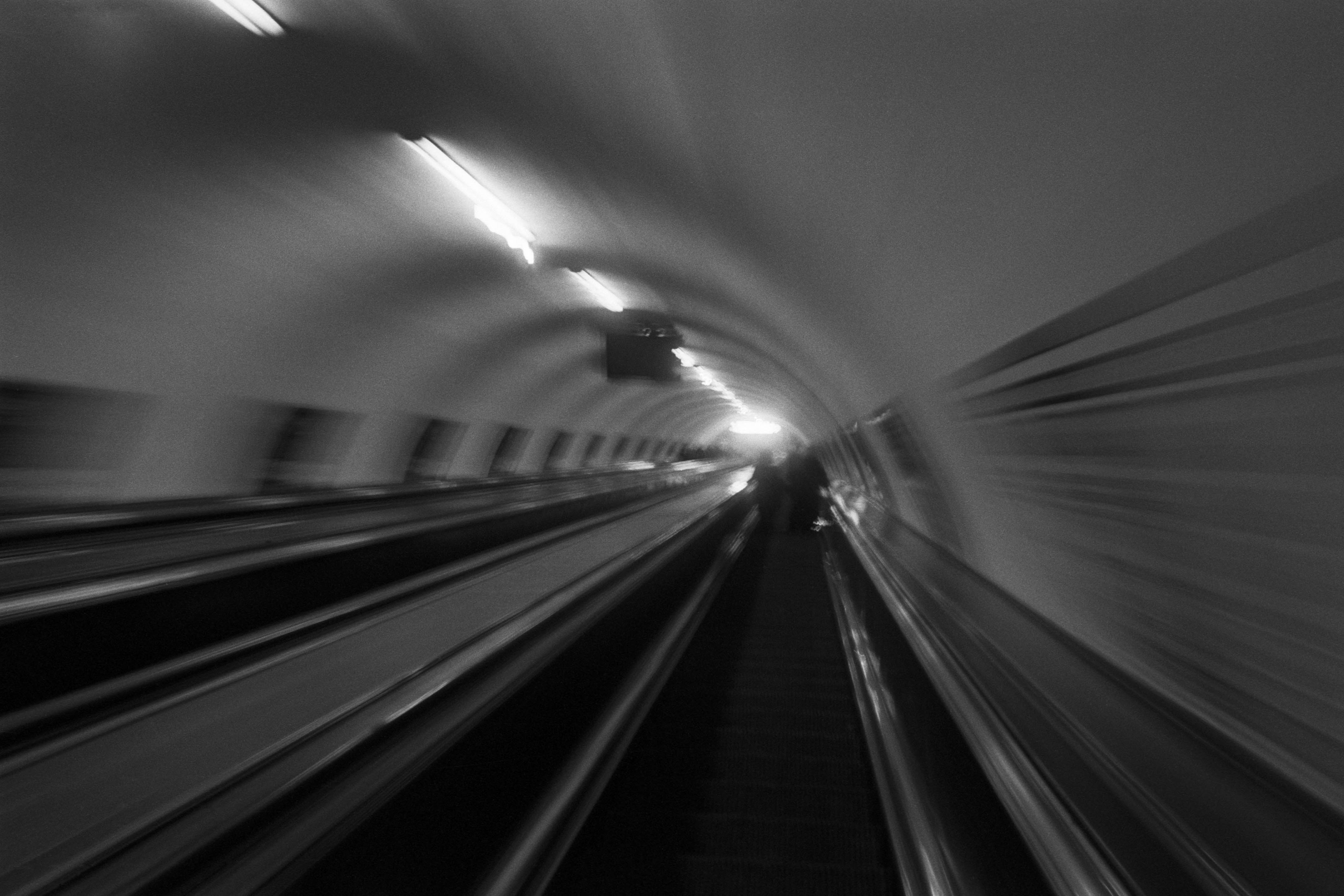
The Wall
2015Winner of the 1st prize & Golden Glass Award at the 11th Photographic Open Championship Olsztyn, and 1st place with the Special Prize of FORMAT magazine at the 3rd Biennial of Art in Piotrków Trybunalski.
View Series →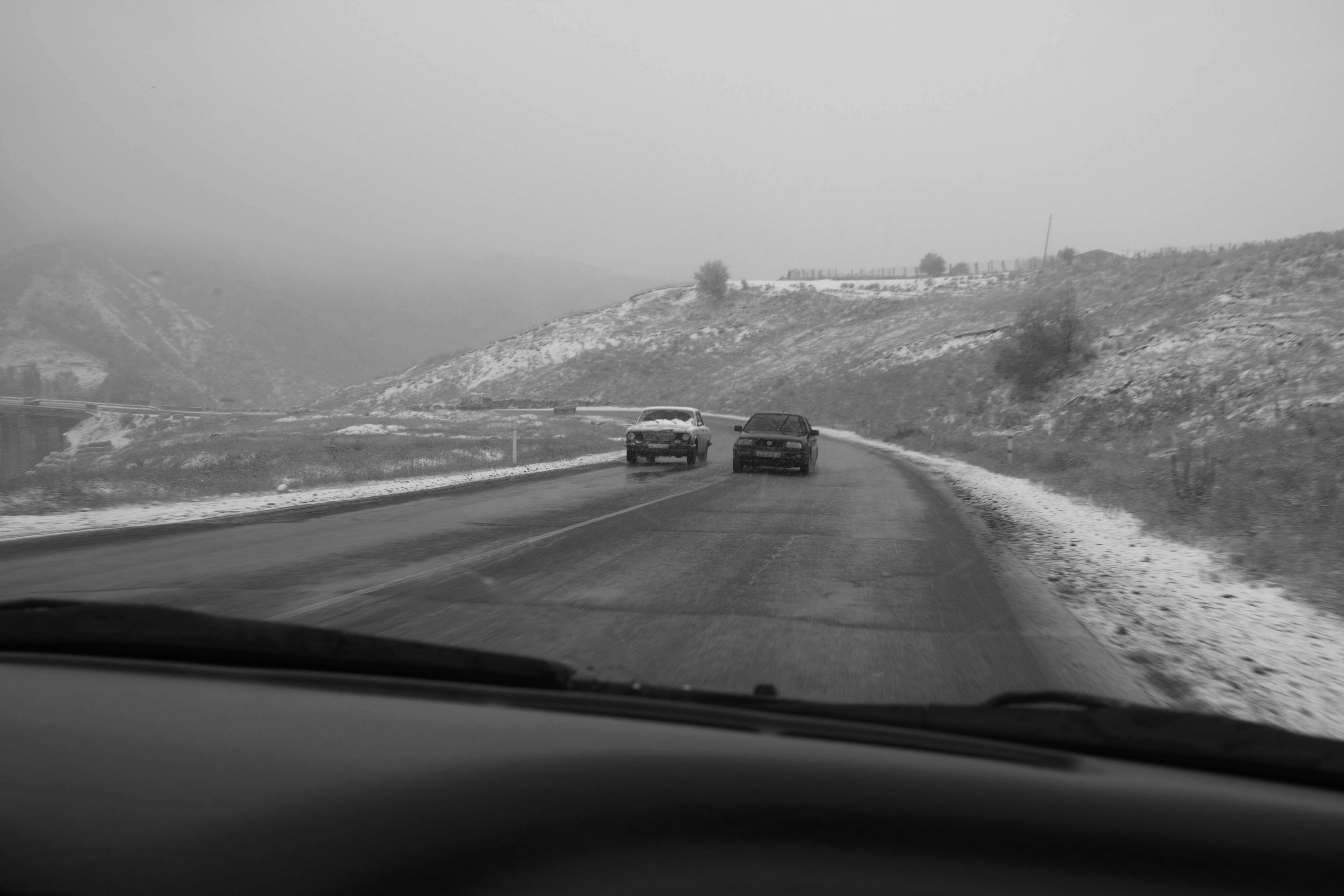
An Engagement Ring
2011A narrative series set in Wrocław in August 2011. Awarded 2nd prize & Silver Glass at the 10th Photographic Open Championship Olsztyn in 2014.
View Series →
Heat Wave
2014A documentary series recording spontaneous events across August and September 2014, capturing the raw energy of a city under the grip of summer.
View Series →