
"Photography is not about the thing photographed. It is about how that thing looks photographed."
Chasing golden light: how to plan and execute a stunning shoot
Light has a way of transforming the ordinary into something almost otherworldly. For photographers, few moments hold as much potential as the golden hour, that fleeting window when the sun hovers low on the horizon and bathes everything in a warm, amber glow. Whether you are capturing a fashion editorial on the cobblestones of The Rocks in Sydney or shooting a business portrait in a Melbourne rooftop studio with west-facing windows, understanding this daily phenomenon can elevate your work from competent to unforgettable. The good news is that the magic is predictable, repeatable, and available to anyone willing to do a little planning before pressing the shutter.
In Australia, the southern hemisphere tilt creates a unique relationship with the sun that photographers in London, New York, or Berlin never quite experience. When June rolls around and winter settles across the continent, the sun traces a lower arc through the sky, producing extended golden periods that can stretch well over an hour in Hobart, Adelaide, and Perth. Conversely, the long summer days of December deliver shorter, more intense bursts of warmth, particularly in the tropical north. This reversal of seasons, combined with the sheer diversity of landscapes from the red centre to the Tasmanian coastline, makes the country a remarkable laboratory for anyone serious about studying natural light.
What makes the light glow
The science behind that honeyed radiance is rooted in geometry and physics. When the sun sits lower in the sky, its rays travel through a thicker slice of the atmosphere, scattering the shorter blue wavelengths and allowing the warmer reds, oranges, and yellows to dominate. The result is a softer, more directional quality of light that wraps around subjects rather than blasting them from above. Shadows grow longer, contrast becomes more manageable, and skin tones take on a flattering warmth that is almost impossible to replicate in software afterwards.
For portrait photographers, this translates into what many call the magic hour for a reason. The diffused quality minimises harsh facial shadows, reduces the need for reflectors, and adds a subtle rim light when subjects are positioned with the sun behind them. Commercial clients, particularly those booking headshots and fashion campaigns, often notice the difference immediately. The light feels cinematic, editorial, and inherently flattering, three qualities that are difficult to achieve under the harsh midday sun that beats down on a Brisbane summer street.
Timing is everything, of course, and the window is smaller than many beginners assume. The actual golden period, when the sun is between roughly four degrees above and four degrees below the horizon, can last as little as twenty minutes depending on latitude and season. Adding a buffer on either side gives you the broader warm light phase that most photographers refer to as the golden hour, while the moments immediately after sunset deliver the cool blue hour, a complementary counterpart with its own visual poetry.
Predicting the perfect window
Reliable planning starts with reliable data. A handful of smartphone applications have become essential tools for working professionals, including PhotoPills, Sun Surveyor, and the more streamlined Golden Hour One. Each calculates the exact moment the sun crosses critical angles for your specific coordinates, accounting for the equation of time and the subtle variations caused by the earth's elliptical orbit. For a shoot scheduled in Surry Hills, Cottesloe, or Fortitude Valley, a five-minute check the night before can prevent a wasted morning and a missed opportunity.
Australian photographers quickly learn that the nation's size creates dramatically different conditions from one state to another. A winter shoot in Sydney might deliver soft, diffused light filtered through marine layer clouds rolling in from the Tasman Sea, while a simultaneous session in Darwin produces intense, saturated colour thanks to the dry tropical air. Understanding these regional nuances matters when scheduling travel jobs, particularly for clients who fly in from overseas expecting a particular look. Building a small library of location notes, cloud cover patterns, and seasonal wind directions pays dividends over years of work.
Weather, naturally, plays the role of either collaborator or saboteur. Clear skies produce the most dramatic sunsets because the unobstructed light travels without interference, but partly cloudy conditions can be even more rewarding. Cumulus clouds catch the warm tones and reflect them across the sky, creating natural reflectors that fill in shadows and add visual depth to the background. The trick is learning to read the conditions. High, thin cirrus clouds signal stability. Heavy mid-level clouds often indicate an incoming front, and shooting in the aftermath of a storm frequently delivers the most spectacular colour of the entire week.
Choosing locations that amplify the warmth
Australia offers a remarkable variety of environments for golden hour work, and selecting the right one shapes the entire mood of the final image. Sydney Harbour, with its iconic bridge and Opera House silhouette, becomes a stage during the late afternoon when ferries cross the water and the sky takes on layered shades of amber. Melbourne's laneways, with their textured brick walls and street art, gain a tactile quality when the light rakes across the surfaces at a low angle. Further afield, the Twelve Apostles on the Great Ocean Road, the rugged coastline of the Kimberley, and the salt flats of Lake Tyrrell each offer distinct possibilities for landscape and conceptual work.
Commercial shoots bring additional considerations. Filming and photography in national parks typically require permits from the relevant state authority, and the rules differ between Queensland, New South Wales, Victoria, and Western Australia. Heritage-listed sites carry extra restrictions, and any project involving Indigenous cultural locations demands consultation with traditional owners and adherence to protocols established by local land councils. Privacy law also matters. The Privacy Act 1988 governs how images of identifiable individuals are collected and used, particularly for commercial purposes, so obtaining proper model releases remains a non-negotiable part of the workflow.
Beyond the postcard locations, the country rewards those who look closer to home. Suburban backyards, industrial edges, and quiet coastal reserves can all become compelling backdrops when the light is right. The key is to scout in advance, ideally at the same time of day you intend to shoot, so you understand exactly where the sun will fall and which surfaces will catch the warmth. A simple walk with a phone camera, taken a week before the actual job, gives you a visual reference and helps you brief assistants, stylists, and clients with confidence.
Technical settings for translucent results
The light is generous, but it is not forgiving of poor exposure choices. During the warmest part of the golden hour, the dynamic range can exceed what most camera sensors can capture in a single frame, so working professionals often bracket their exposures or rely on graduated neutral density filters to balance bright skies with shaded foregrounds. A low ISO, typically between 100 and 400, keeps the files clean and provides latitude for post-processing. Aperture choices depend on the subject. Wide apertures around f/2.8 to f/4 produce creamy backgrounds that emphasise faces and fabric textures, while narrower settings of f/8 to f/11 keep landscapes and architectural elements sharp from front to back.
Metering requires attention as well. Evaluative or matrix metering handles most situations adequately, but backlit subjects often fool the camera into underexposing the subject to preserve the sky. Switching to spot metering on the face, or simply dialling in positive exposure compensation of one to two stops, ensures that skin tones remain luminous rather than muddy. White balance is another creative decision point. Leaving the camera set to daylight or auto and warming the image later in software preserves flexibility, while setting a custom Kelvin temperature around 5500 to 6500K delivers a more predictable look straight out of camera for clients who want immediate previews.
Lens flare can be a feature or a flaw depending on the vision. Shooting directly into the sun produces streaks, veiling glare, and reduced contrast, but many photographers embrace these artefacts for their dreamy, nostalgic quality. A lens hood helps when you want to minimise flare, while removing it and introducing a finger or a piece of black card at the edge of the frame creates intentional, controlled effects. For fashion and conceptual work, this kind of experimentation is where individual style begins to emerge, and the golden hour provides the ideal playground for testing ideas quickly.
From the camera to the final image
Post-processing extends what the light gives you. A careful pass in Capture One, Lightroom, or DxO PhotoLab can deepen the amber tones without crossing into oversaturated territory, and the HSL panel allows precise control over which colours dominate the frame. For portrait work, the skin tone range tool helps keep complexions natural while the background burns into deeper warmth. Black-and-white conversions also benefit from golden hour source material because the original tonal separation is already strong, and the resulting monochrome often carries a timeless, almost cinematic quality that clients find irresistible.
For those shooting with analogue materials, the same principles apply, but the discipline of exposure becomes sharper. Slide film such as Kodak Ektar or Portra pushes the warm tones further, while black-and-white stocks like Ilford HP5+ render the directional light with beautiful contrast. The darkroom, or its digital equivalent in software, becomes the place where the final mood is locked in. Printing on baryta or cotton rag papers adds another layer of depth, particularly for fine art pieces destined for gallery walls in Paddington, Collingwood, or Fremantle.
The atmosphere of a shoot matters as much as the technical execution. Stylists, hair and makeup artists, and assistants all contribute to the energy of the day, and a thoughtful playlist keeps the mood focused and creative. There is something to be learned from how live performers structure their sets, balancing familiar material with original work to keep the audience engaged, and the same rhythm can be applied behind the camera. Drawing inspiration from resources like live set balance reminds photographers that pacing, mood, and a willingness to deviate from the plan often produce the most memorable results. A few tracks that match the warm tones of the fading sun, played quietly through a portable speaker, can transform a routine session into something closer to a collaborative performance.
Ultimately, the golden hour is a gift that rewards preparation, patience, and presence. It asks photographers to plan with the head, shoot with the eye, and edit with the heart. The light will do much of the heavy lifting if you simply show up at the right moment, in the right place, with the right settings, and a clear intention. The rest is craft, refined over years and shaped by the particular places where you choose to work.
Selected Series
A cross-section of commissioned and personal projects spanning fine art, commercial, and conceptual work.
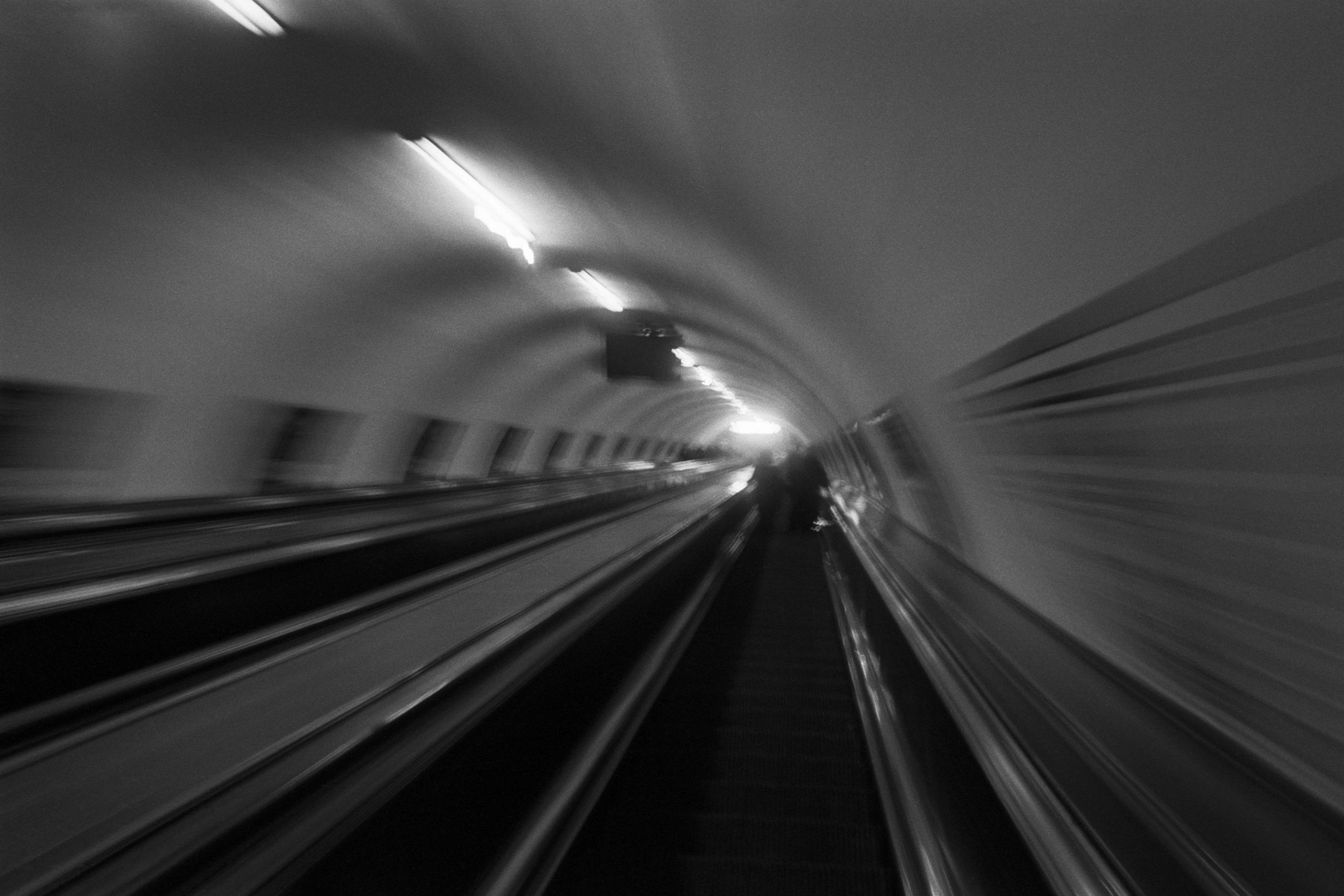
The Wall
2015Winner of the 1st prize & Golden Glass Award at the 11th Photographic Open Championship Olsztyn, and 1st place with the Special Prize of FORMAT magazine at the 3rd Biennial of Art in Piotrków Trybunalski.
View Series →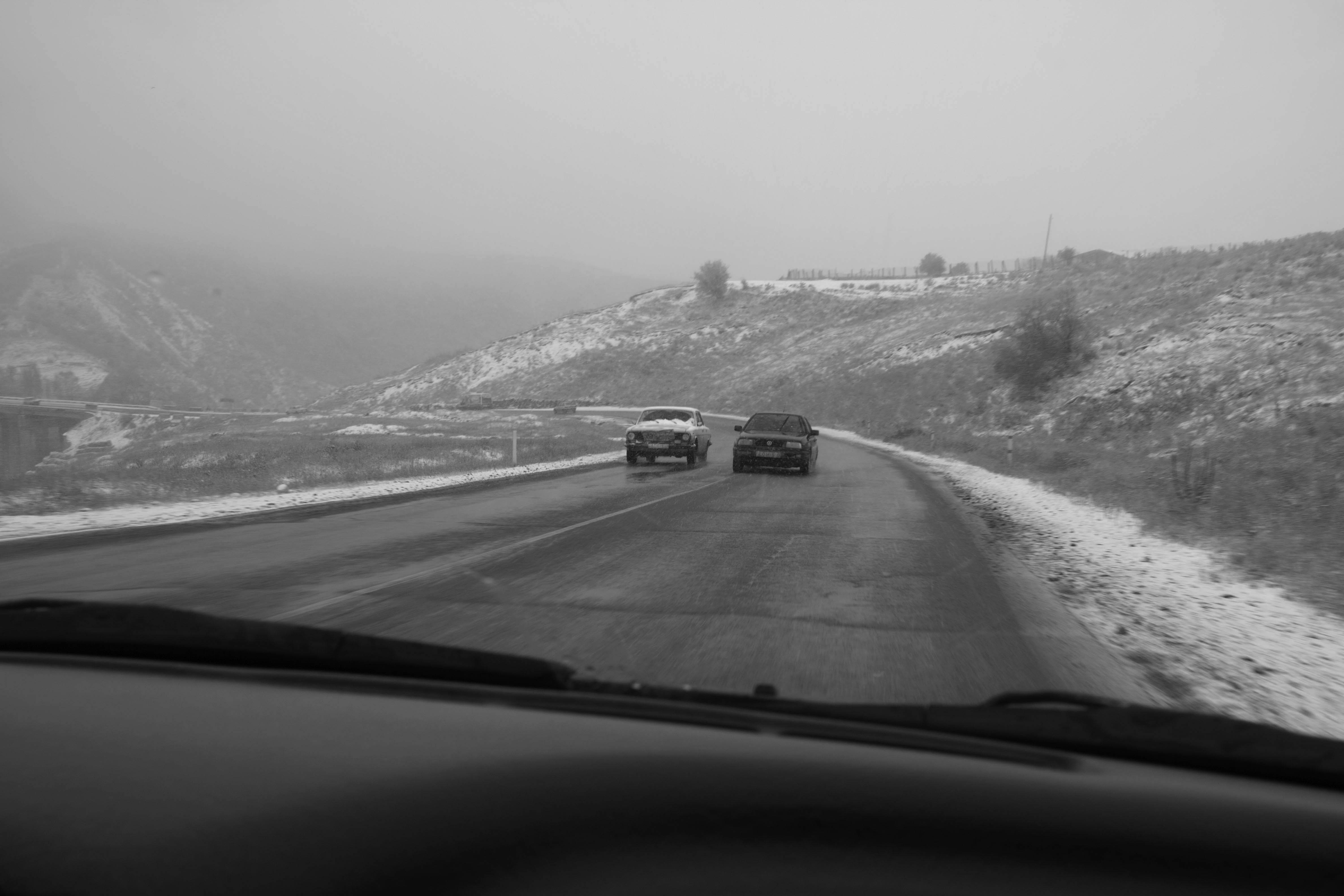
An Engagement Ring
2011A narrative series set in Wrocław in August 2011. Awarded 2nd prize & Silver Glass at the 10th Photographic Open Championship Olsztyn in 2014.
View Series →
Heat Wave
2014A documentary series recording spontaneous events across August and September 2014, capturing the raw energy of a city under the grip of summer.
View Series →