
"Photography is not about the thing photographed. It is about how that thing looks photographed."
Wabi-sabi in photography: beauty through imperfection
Wabi-sabi offers a way of seeing that values what conventional image-making often tries to remove. Instead of insisting on flawless surfaces, polished finishes, and permanent forms, it draws attention to cracks, fading, irregularity, and the quiet evidence of time. In photography, this approach encourages images that feel observed rather than manufactured and alive rather than artificially fixed.
Applied to portraiture, fashion, events, and conceptual series, wabi-sabi is less a preset visual effect than a principle of attention. It asks the photographer to notice how light falls imperfectly, how clothing gathers, how expressions change, and how spaces acquire character through use. The result can be an image whose restrained simplicity creates a stronger emotional presence than technical display.
Imperfection as a source of meaning
Perfection tends to close an image. Seamless skin, immaculate styling, and carefully resolved surfaces can make a photograph feel complete before the viewer has begun to experience it. Wabi-sabi introduces a different tension: the image remains open, marked by hesitation, change, or incompleteness. A hand entering the frame, a small blur, or an area of shadow can preserve the fact that a person exists in time rather than outside it.
This does not mean that every irregularity carries artistic value. Grain alone does not create depth, and a crooked horizon is not automatically expressive. The meaningful imperfection must reveal something about the subject, the light, or the instant being photographed. It gives the viewer a trace of real presence: a body shifting, fabric moving, dust suspended in a beam, or a gesture that resists formal control.
The photographic frame becomes a place where impermanence can become visible. Rather than freezing a subject into an ideal state, the camera records a particular and unrepeatable version of it. This is especially valuable in portraits, where a slight asymmetry or unguarded expression can communicate personality more effectively than a technically immaculate pose.
Stillness, transience, and passing time
Wabi-sabi has a close relationship to stillness because stillness allows small changes to become perceptible. A shadow crossing a wall, mist thinning over a landscape, or a model briefly lowering her gaze creates movement without demanding dramatic action. The photograph interrupts that movement at a moment when it carries both presence and disappearance.
This quality is closely connected to transience. Nothing in the frame is entirely stable: expressions pass, light shifts, colors fade, and objects age. A still image can nevertheless preserve this sense of becoming. The viewer is made aware that the photographed moment has already gone and that the print now belongs to another stage of the same cycle.
Slow looking is therefore essential. Waiting for the gestures that appear too controlled to be interesting, the wind that disturbs a composed scene, or the room after a formal arrangement has relaxed can produce photographs with greater authenticity. Medium-format film can support this pace by encouraging attention to detail without requiring every detail to be sharp. Its scale does not neutralize impermanence; it makes the coexistence of clarity and change more compelling.
Material honesty and the value of process
The material qualities of analogue photography naturally suit a wabi-sabi sensibility. Film responds to light through a physical process, carrying subtle tonal transitions, grain, and variations that cannot be entirely predicted. Black-and-white film removes the distraction of color and directs attention toward texture, shape, gesture, and the relationship between light and shadow.
Darkroom printing offers a similarly tactile way of thinking. The choice of paper, developer, exposure, and contrast can create an image that feels aged, quiet, or weathered without simulating age as a decorative effect. The print becomes an object shaped by chemistry, water, pressure, and time. Those physical records reinforce the idea that an image is not detached from its making.
Digital tools remain valuable within this approach. They can support cropping, tonal refinement, sequencing, and reproduction while preserving an image’s essential character. The distinction lies in intention rather than medium. A carefully controlled digital photograph can communicate impermanence; an unconsidered film photograph can remain merely imperfect. What matters is whether every visible quality serves the emotional structure of the work.
Asymmetry, negative space, and restrained composition
Wabi-sabi composition often begins with subtraction. Removing an object, reducing tonal contrast, or allowing a large area of unoccupied space can make the remaining subject more powerful. Negative space is not merely background; it establishes rhythm, isolation, and the possibility of change within the frame.
Asymmetry can serve a similar purpose. Instead of centering every subject or filling every edge, the photographer may allow a figure to sit near the boundary of the image. This creates a subtle sense of instability and invites the eye to complete the scene mentally. The composition feels open rather than sealed.
This principle is useful in business portraits because it supports dignity without excessive display. A subject can occupy only part of the frame and still command attention through posture, expression, and light. In fashion photography, an unconventional crop can shift attention from polished spectacle toward the physicality of cloth, skin, and movement. Restraint gives these details room to become the true subject of the photograph.
Patina, weathering, and the marks of use
Patina is one of the most recognizable expressions of wabi-sabi, yet it is more than a surface style. It records contact, repetition, and the gradual surrender of a material to its environment. Rusted metal, worn wood, faded paint, creased paper, and softened fabric all communicate a history that a pristine replacement cannot imitate.
In photography, these details can give a portrait or place emotional depth. A weathered wall behind a sitter may suggest experience; damaged clothing may introduce vulnerability; the worn edge of an object may imply use and continuity. The texture becomes visual evidence of time passing through the subject’s world.
The camera must distinguish authentic weathering from a manufactured appearance designed to look old. The latter can become a predictable fashion effect, while the former depends on close observation of real materials. This distinction is particularly important in fine-art work, where the integrity of the photographed relationship matters as much as the final surface of the image.
Translating the philosophy into portrait and commercial work
Wabi-sabi can inform commercial photography without requiring every commission to appear visibly aged or unconventional. Its most useful influence may occur behind the camera. It encourages the photographer to create conditions in which a person’s natural expression, posture, and interaction with the environment can emerge without excessive performance.
For a business portrait, this might mean giving the subject time to settle after formal directions have ended. For fashion work, it might involve lighting fabric so that its weight and texture remain legible. During an event, it may mean recognizing the unguarded moment between arranged poses. In each case, the image gains credibility from specificity rather than generic refinement.
The approach also clarifies the balance between collaboration and observation. Direction remains valuable, particularly when a client needs consistency or a clear representation of a brand. Yet the direction can be designed to create space rather than prescribe every visible detail. A subject who feels physically at ease may produce gestures that are less polished and more recognizably human.
This philosophy does not diminish technical expertise. Precise exposure, careful focus, controlled lighting, and exacting printing all support the image’s credibility. Their purpose, however, is not to erase every irregularity. It is to make each chosen irregularity intelligible, giving the frame the coherence of an intentional observation.
A working method for photographs with soul
A wabi-sabi approach becomes most effective when it is treated as a way of working rather than a set of filters. The photographer can use the following principles when developing a project, directing a portrait session, or editing an existing body of work:
- Begin with a clear question about impermanence, such as what is changing, fading, or about to disappear in the scene.
- Observe before arranging, allowing posture, expression, and environmental details to develop beyond the initial setup.
- Simplify the frame by removing distractions and testing how much negative space the subject can comfortably hold.
- Work with available light where possible, preserving soft shifts, reflections, and shadows that reveal the character of the moment.
- Give close attention to worn surfaces, natural textures, and signs of use rather than relying on effects that simulate age.
- Edit until every visible irregularity supports the image’s meaning and the picture feels complete without appearing overworked.
The final photographs should balance clarity with openness. Too much control can make the image feel closed, while uncontrolled disorder can make it difficult to read. The most resonant works occupy the interval between those extremes. They retain enough structure to hold the viewer’s attention and enough imperfection to suggest that life continues beyond the edges of the frame.
Selected Series
A cross-section of commissioned and personal projects spanning fine art, commercial, and conceptual work.
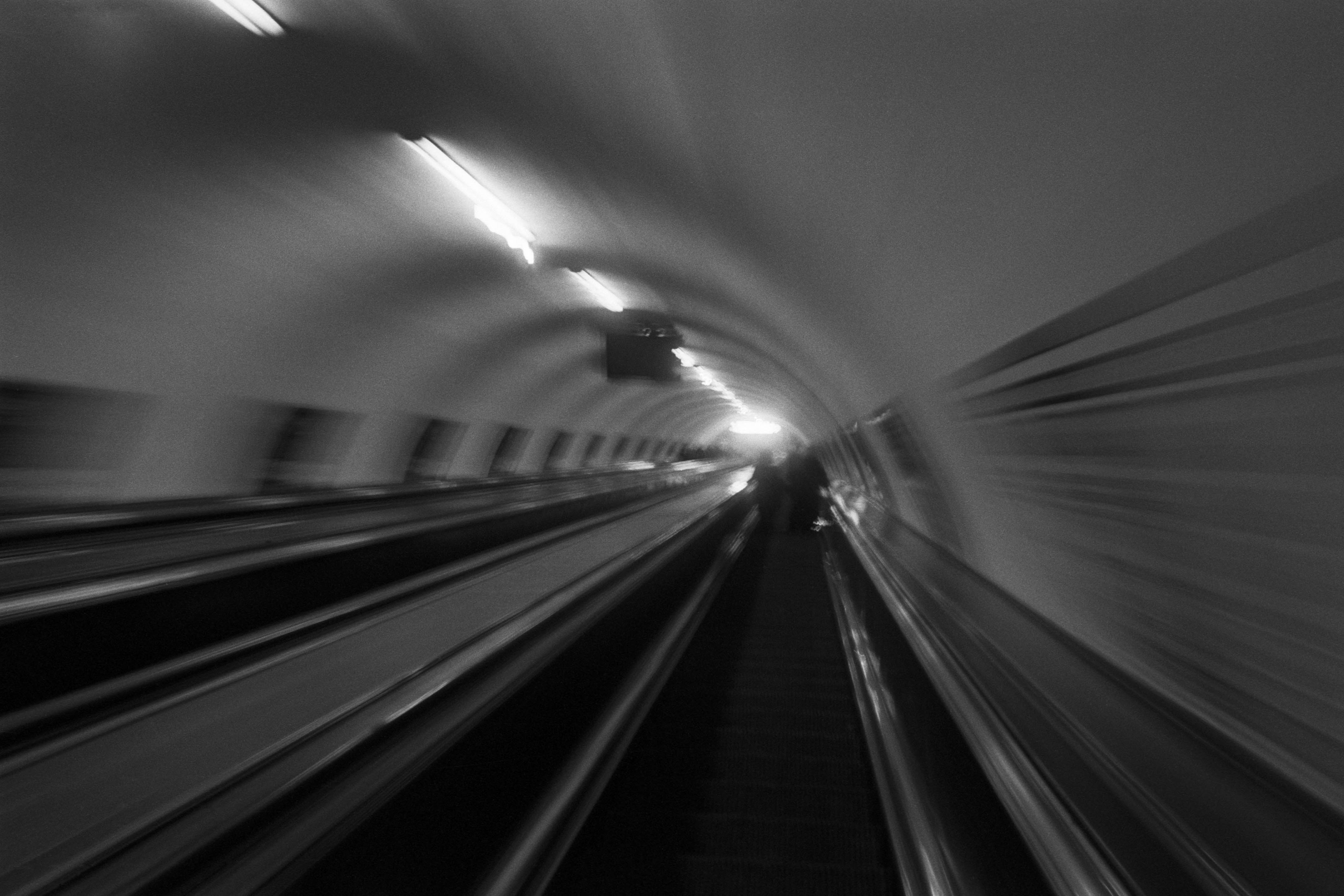
The Wall
2015Winner of the 1st prize & Golden Glass Award at the 11th Photographic Open Championship Olsztyn, and 1st place with the Special Prize of FORMAT magazine at the 3rd Biennial of Art in Piotrków Trybunalski.
View Series →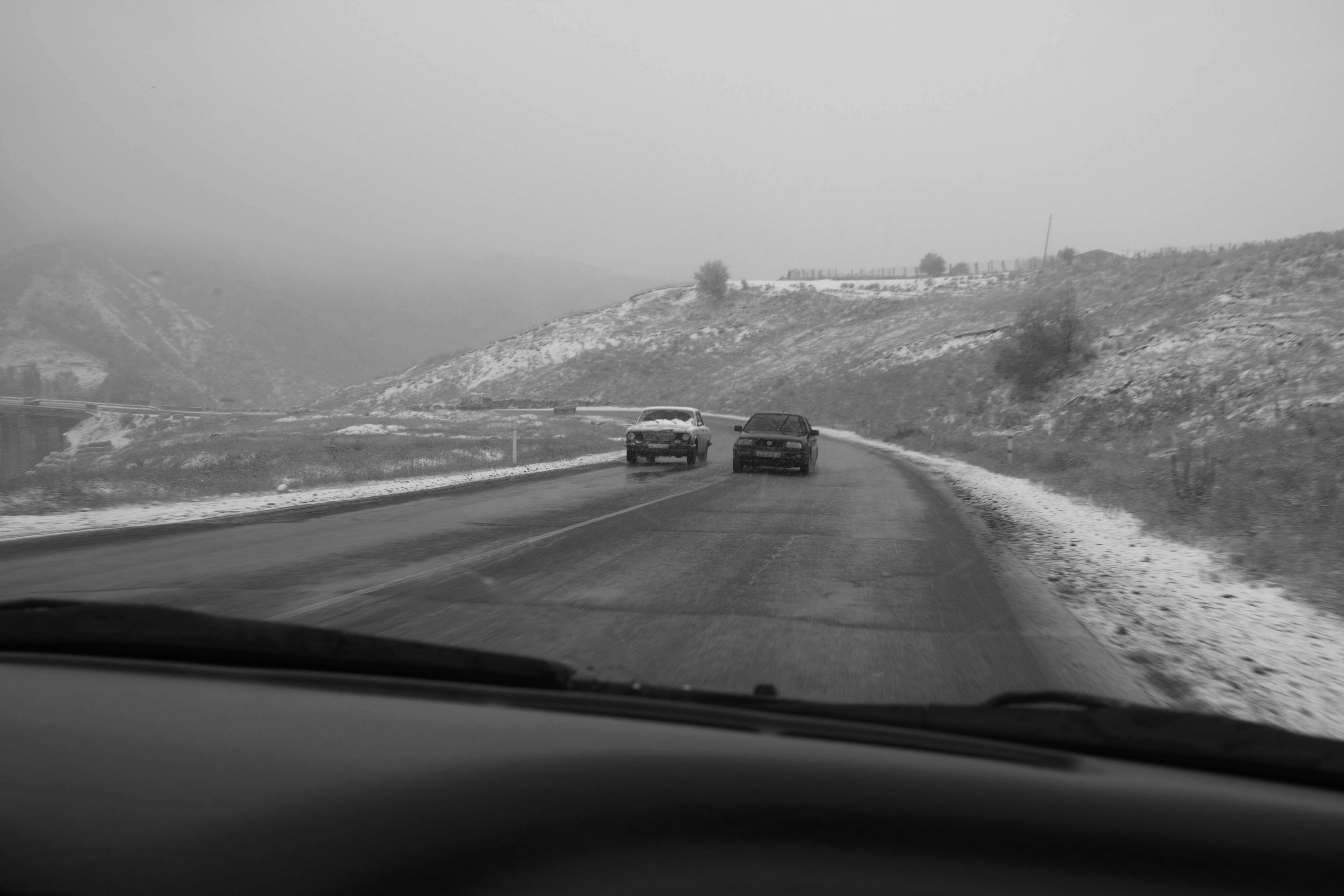
An Engagement Ring
2011A narrative series set in Wrocław in August 2011. Awarded 2nd prize & Silver Glass at the 10th Photographic Open Championship Olsztyn in 2014.
View Series →
Heat Wave
2014A documentary series recording spontaneous events across August and September 2014, capturing the raw energy of a city under the grip of summer.
View Series →