"Photography is not about the thing photographed. It is about how that thing looks photographed."
Chance and accidents in creative photography
Photography often appears to be an exercise in control: choose the lens, position the subject, manage the light and wait for the right expression. Yet a photograph can contain a moment that no one planned. A person turns before the pose is settled, cloud shadow crosses a wall, a reflection breaks in an unexpected place. Such incidents may be called accidents, but their value lies in how they alter perception. They introduce uncertainty into a medium built to preserve appearances, revealing that seeing depends on interruption as much as arrangement.
The role of chance and accidents in creative photography is therefore richer than the idea of a lucky frame. For Rafal Michalak, whose award-winning practice in Wrocław joins business portraiture, fashion, events and conceptual series, unpredictability is a working material. Medium-format film, black-and-white darkroom practice and digital post-production each create different conditions for discovery. The aim is not to surrender authorship to randomness. It is to prepare a situation in which an unforeseen detail can redirect the image without severing it from its purpose.
Chance as a working method
A productive accidental image rarely begins with chaos. It begins with boundaries: a chosen location, lens and lighting direction; a clear idea of the story; a subject given enough direction to feel comfortable. Within those limits, small variables can carry considerable weight. A gust changes the shape of clothing, a passer-by enters the edge of a frame, or a familiar gesture briefly replaces a formal pose. The surprise is meaningful because the photographer has created the conditions in which it can occur.
This kind of openness changes how a shoot is read. Instead of hunting only for a predetermined composition, the photographer watches for relationships between elements. The important moment may be the main subject and an accidental secondary detail: a hand entering a portrait, sunlight caught on an earring, the shadow of a window falling across a jacket. Such details give a picture depth and often make it feel inhabited. They can also make a polished image easier to remember because they resist the visual grammar of an advertisement.
Chance works particularly well in business portraits because people reveal themselves when they believe the formal part of the session has ended. The photographer can leave the prepared sequence behind and respond to a laugh, a glance between colleagues or a brief adjustment of a collar. This does not mean abandoning direction. It means treating the sitter’s behaviour as active feedback. A useful portrait records character rather than merely displaying a costume of professionalism.
When accidents reveal a new direction
Technical accidents have a reputation for failure, yet some of photography’s strongest departures have grown from a misfocused lens, an unexpected flare, a clipped highlight or a camera moved a fraction too soon. The first response may be disappointment, but the negative or preview can show a structure hidden by the intended shot. Motion blur can transform a static product into a sense of duration; flare can dissolve the boundary between figure and space. The accident becomes creative only when it is examined closely enough to understand what it reveals.
Conceptual accidents work in a similar way. The wrong object enters the scene. A fitting-room curtain remains visible. Rain moves a planned exterior indoors. In a conceptual series, these disruptions can sharpen the argument, linking the subject to something that was supposed to remain outside the frame. In fashion, an incidental shape can create tension with styled clothing. In event coverage, an unplanned interaction may tell the story of an evening more clearly than a posed handshake could.
The discipline lies in deciding what to keep and why. Randomness without judgment soon becomes clutter, whereas a chance element can anchor a deliberate composition. A photographer might shoot around a bright reflection because it isolates the subject; retain a shadow because it creates an unexpected rhythm; or abandon a formal arrangement when a child crosses the set and gives everyone a more truthful expression. Fortune becomes useful through editing, patience and a willingness to follow an image away from the first plan.
Material unpredictability and the value of imperfection
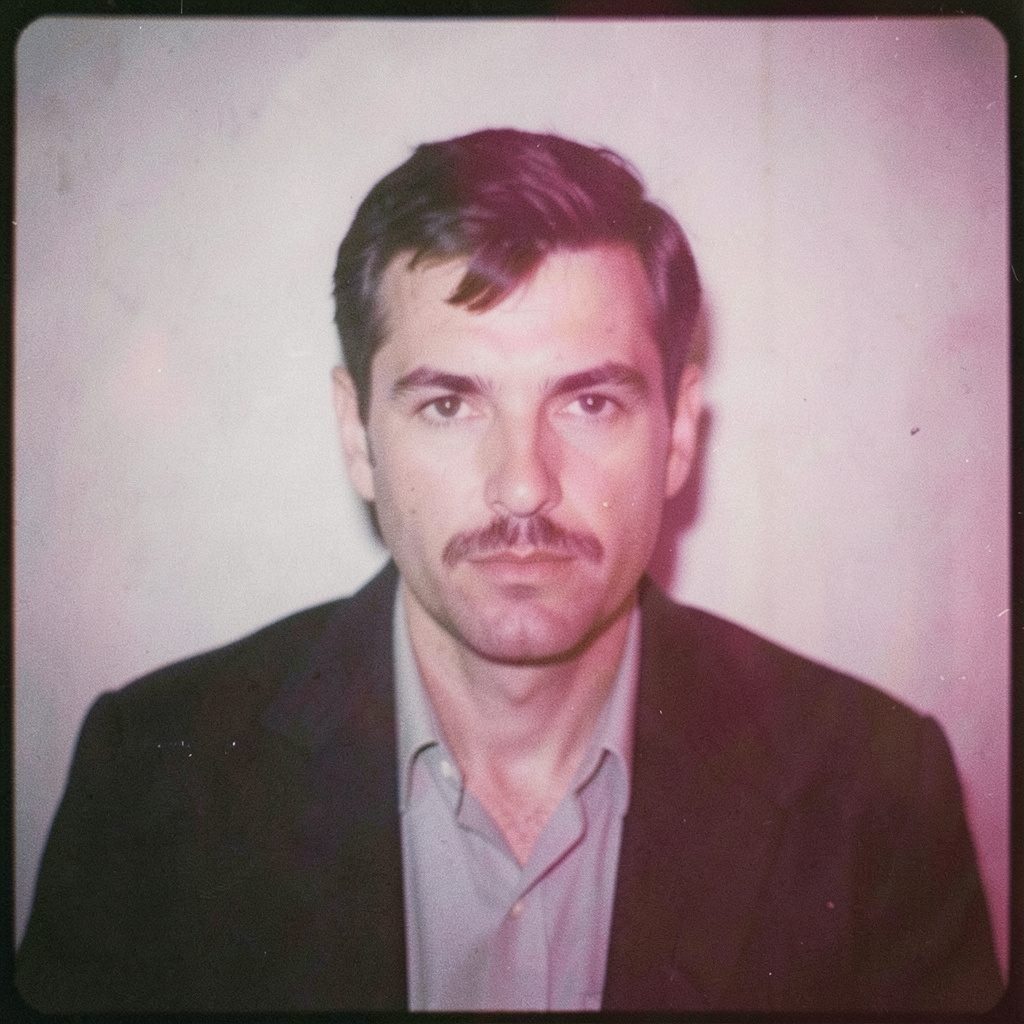
Analogue photography offers chance at several levels. Film stock changes colour response, light leaks enter through an old seal, dust marks the negative and chemistry alters density. Pushing or pulling a roll can intensify contrast or soften tonal separation. A fingerprint on a print may be removed, but it may also reveal a texture worth preserving. In a darkroom, decisions about timing, paper grade, developer temperature and the accident of water on the print can produce effects that a perfectly previsualised digital file would not suggest.
These imperfections carry history. They recall the physical sequence of making rather than the clean surface of a screen. That quality is not automatically nostalgic, and it should not be added as decoration. A visible flaw becomes strongest when it belongs to the photograph’s subject and process. The dust on a scanned negative may suit a portrait about labour; the flare may echo the glare of a Perth street at midday. Material evidence gives the image a specific truth that cannot be borrowed from a generic filter.
Digital workflows can hold uncertainty just as effectively. Masking, layering and colour grading allow a discovered accident to be developed without pretending it happened by magic. The photographer can intensify a transient reflection, combine compatible frames or adjust a tonal transition that emerged on location. The ethical question is whether the intervention clarifies the discovery or invents false evidence. In Michalak’s hybrid practice, the darkroom instinct to work with what the material produces can inform the edit: preserve the energy of the accident while retaining control over how it is presented.
Chance across people, places and commissions
The Australian market adds particular textures to this approach. Work is often commissioned through a mix of creative agencies, production companies, direct enquiries from small businesses, magazine assignments and event networks. A commercial photographer may therefore need both a flexible visual response and a clear operational framework. Accidental images are welcome when they serve the brief, but the session still has to meet deadlines, usage requirements and the expectations of people who may not understand why a technically imperfect frame was chosen.
Local conditions can make the unexpected easier to notice. Melbourne’s graffiti-lined laneways provide shifting layers of colour, shadow and pedestrian movement, often close to studios where creative teams meet over coffee. Sydney’s harbour light changes quickly with cloud and coastal wind, giving fashion and event photographs a live quality that a fixed lighting diagram cannot predict. Perth’s hard sunlight and dry red dust encourage the photographer to work with flare and atmosphere, while Brisbane’s humidity, rain and saturated colour can transform a simple portrait within minutes.
Every place also changes the pace of human behaviour. An Australian client might ask to “have a squiz” at a contact sheet, settle an unexpected request with “no worries”, or encourage the photographer to “give it a go” when a spontaneous frame feels risky. The informal rhythm can relax a sitter and create space for a genuine reaction. In outdoor events, where guests bring their own drinks and conversations drift between speeches and dance floors, even a missed cue can produce the most revealing picture. Spontaneity succeeds through attention to the culture rather than imitation of its slang.
Making unpredictability a deliberate practice
A reliable approach to chance begins before the camera is lifted. The photographer can prepare several visual propositions, identify the point at which they could break, and make room for an unplanned response. This might mean carrying two lenses instead of one, leaving a background unscripted, arranging a portrait so there is space for movement, or budgeting time after a formal sequence. It also means checking weather, access, safety and consent. A surprising frame should never be created by ignoring a person’s boundaries or placing them in avoidable danger.
Good accidents also depend on the technical foundation. Batteries, media and backups matter; a highlight clipped by accident is different from one lost through haste. Raw files preserve more opportunity than compressed previews. Film can be scanned with enough tonal information to recover a shadow without erasing its grain. The goal is not perfection at all costs. It is enough control that the photographer can recognise a valuable irregularity and enough flexibility to keep it.
The strongest creative process makes accident accountable to intention. A conceptual series may begin with an accident and later be organised around it. A business portrait can move from a formal setup to an unguarded exchange, while a fashion image can gain force from a flare that interrupts the styling. For Michalak, the combination of medium-format cameras, traditional film, darkroom principles and digital tools supports this balance. The result is an image that feels composed without appearing sealed off from the world. Its power comes from the moment when a prepared frame meets an event that could not have been fully predicted, and both the plan and the interruption become part of the photograph.
Selected Series
A cross-section of commissioned and personal projects spanning fine art, commercial, and conceptual work.
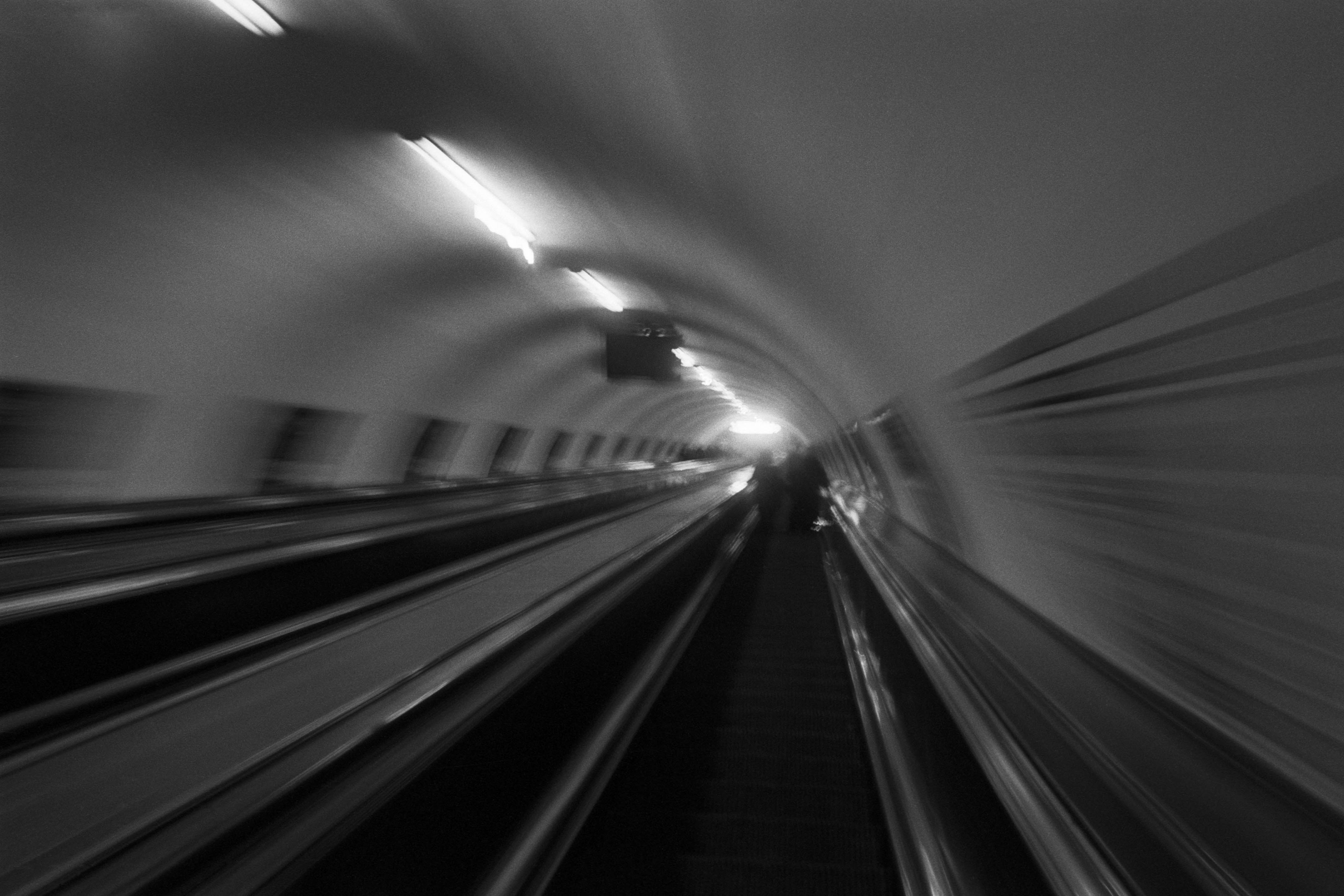
The Wall
2015Winner of the 1st prize & Golden Glass Award at the 11th Photographic Open Championship Olsztyn, and 1st place with the Special Prize of FORMAT magazine at the 3rd Biennial of Art in Piotrków Trybunalski.
View Series →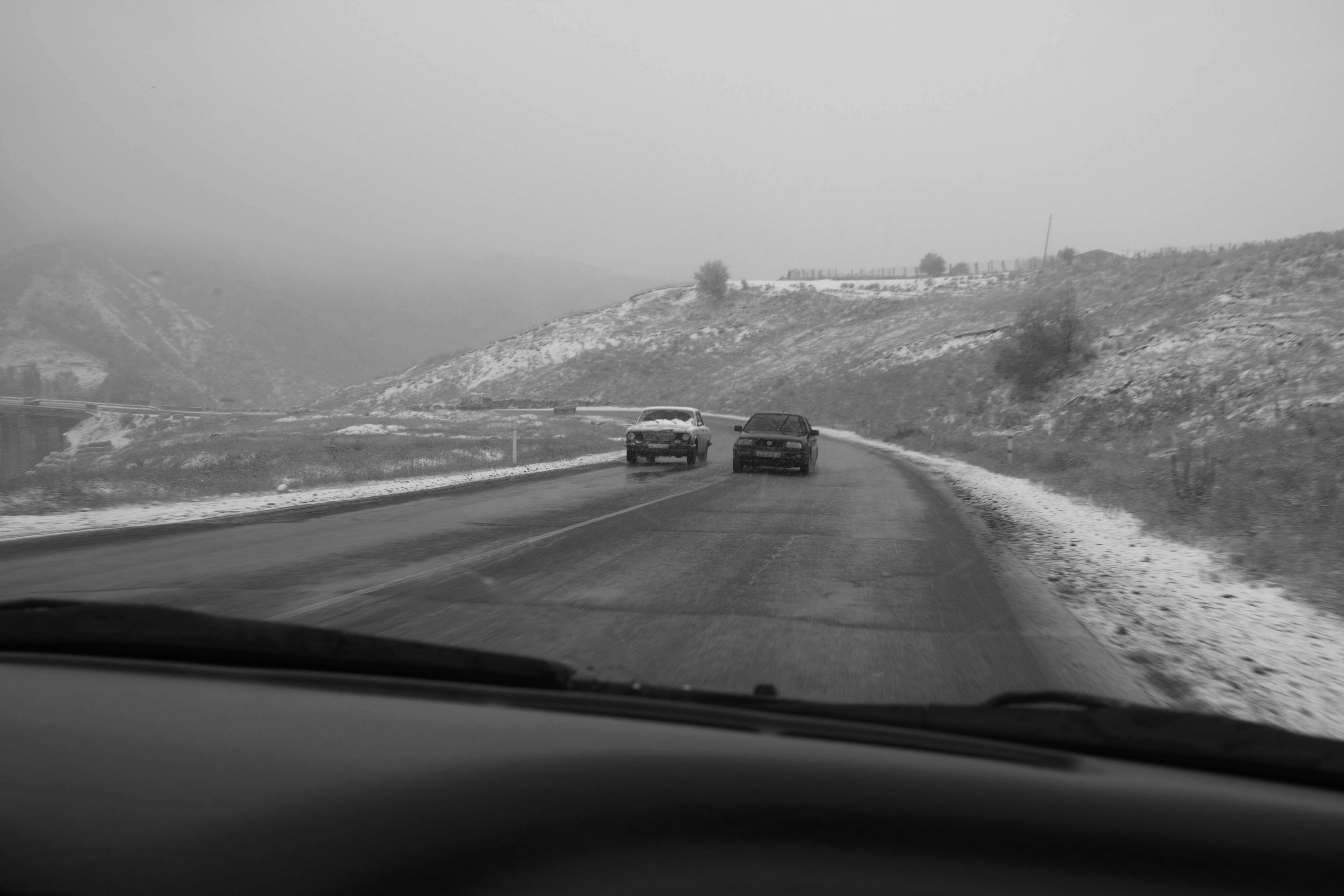
An Engagement Ring
2011A narrative series set in Wrocław in August 2011. Awarded 2nd prize & Silver Glass at the 10th Photographic Open Championship Olsztyn in 2014.
View Series →
Heat Wave
2014A documentary series recording spontaneous events across August and September 2014, capturing the raw energy of a city under the grip of summer.
View Series →