"Photography is not about the thing photographed. It is about how that thing looks photographed."
Natural Light In Environmental Portraiture
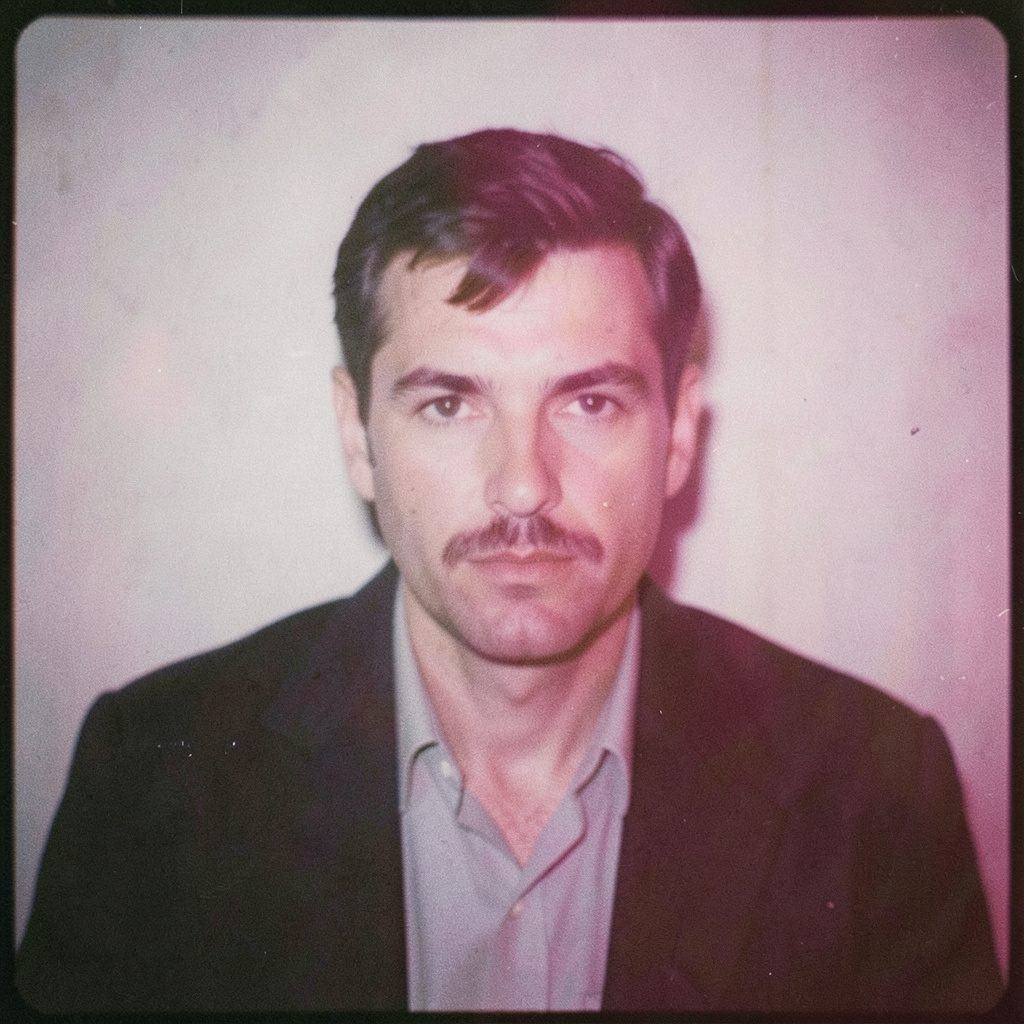
A portrait becomes more revealing when the surrounding place is allowed to participate. A workshop, office, beach, kitchen, laneway or open paddock can disclose something about a person before they speak. Natural light gives these environments a changing visual language, shaping skin, clothing, architecture and atmosphere with a directness that studio lighting often has to recreate.
For environmental portrait photographers, available light is both a practical resource and an expressive tool. It can establish season, time, climate and mood while preserving the relationship between a subject and their setting. In a fine art portrait or a commercial commission, the quality of daylight influences how honestly a person and their world are perceived.
Light As Part Of The Story
Natural illumination does more than make a face visible. Its direction and intensity can suggest whether a subject is at ease, working, waiting or moving through a demanding day. Window light falling across a tailor’s bench may emphasise concentration, while broad outdoor shade can create a quieter, more reflective mood for an artist surrounded by materials.
The setting should be considered as carefully as the face. A bright industrial interior, a narrow Melbourne laneway and a windswept coast each reflect light differently, and each carries cultural associations. When the light belongs naturally to the location, the portrait tends to feel integrated rather than staged. The viewer senses that the person exists within a real daily environment.
This approach is especially useful in business portraiture. A chef photographed near a pass, an architect surrounded by models or a business owner in a warehouse can appear more credible when the available light supports the activity. The image communicates profession through context while retaining the individuality of the sitter.
Reading Direction, Colour And Contrast
The first step is to observe where daylight enters and how it travels through the space. A north-facing window in Australia can deliver strong illumination for much of the day, while a south-facing opening generally offers softer, more consistent light. These patterns change according to season, weather and latitude, so a location should be assessed at the approximate time of the planned session.
Side light reveals texture and shape. It can describe wrinkles, fabric, timber, machinery and architectural surfaces with a strong sense of depth. Front light is often gentler and more forgiving, particularly for professional headshots, though it can flatten the environment. Backlight separates hair and shoulders from the background, introduces luminous edges and may create a sense of movement or memory.
Colour temperature also affects the emotional register. Warm late-afternoon sunlight can make an exterior feel intimate, while cool shade may suit a restrained editorial portrait. Mixed light requires attention: daylight entering through a window can sit beside fluorescent or LED fixtures with a different colour cast. Turning off competing artificial sources, or deliberately including them, helps the visual decision feel intentional.
Working With Australia’s Strong Sun
Australian daylight can be beautiful and unforgiving. In Sydney, Brisbane and Perth, direct midday sun often produces dense shadows, bright highlights and a narrow exposure margin. On a beach or pale concrete surface, reflected light can become intense enough to alter skin tone and make a subject squint. Early morning and late afternoon generally offer more manageable contrast, especially when the portrait needs detail in both face and surroundings.
Open shade is a valuable natural-light solution. The edge of a verandah, a building’s shaded side or a leafy street can produce broad illumination while retaining the location’s character. A simple reflector can return gentle light into the face without replacing the atmosphere of the site. White foam board, a pale wall or even a light-coloured pavement may perform this role, although the photographer must watch for unexpected colour casts.
Weather changes the visual meaning of a place. Overcast conditions in Melbourne can create soft, even light suited to subtle expressions and muted colour. Storm clouds on the New South Wales coast may give a dramatic background, while smoke haze during a bushfire season can reduce contrast and shift the palette. Safety takes priority whenever heat, fire conditions, unstable weather or remote access affects the session.
Timing The Portrait Around Real Life
Environmental portraiture often works best when the subject continues a familiar activity. That requires timing around work routines rather than forcing every person into a fixed studio schedule. A ceramicist may be most convincing while preparing clay, a farmer may have only a short window between tasks, and a restaurateur may be available before service begins.
The light should support these practical rhythms. A photographer working in Adelaide might use the first hours of a morning shift for clean, cool illumination in a market stall. In Sydney, a portrait session near a harbour may need to account for rapidly changing reflections and tourist traffic. In regional Australia, travel distance, heat and limited shade can make a short, carefully timed session more effective than a long production.
Daylight also reveals the passage of time. A sequence made across several hours can show a person’s relationship with a workplace as shadows move across walls and surfaces. This is valuable for conceptual photographic series, where continuity, repetition and subtle changes may carry as much meaning as a single expressive gesture.
Analogue Sensitivity And Digital Control
Medium-format film has a particular relationship with natural light. Its generous negative area and gradual tonal transitions can render skin, clouds and textured interiors with a quiet depth. Black-and-white film can reduce a complex environment to shape, brightness and shadow, allowing gesture and structure to take precedence over colour.
Film also encourages deliberate observation. Exposure cannot be changed casually between every frame, so the photographer studies the subject’s position, the background and the movement of light before pressing the shutter. This slower process can create a calm atmosphere, helping a sitter settle into a more natural expression. The resulting portrait often feels considered without appearing over-directed.
Digital cameras provide flexibility when conditions are changing quickly. Highlight warnings, histograms and exposure previews help protect detail in bright Australian sun, while a carefully calibrated workflow preserves the tonal character of the location. Digital files can still be approached with darkroom principles: restrained contrast, controlled highlights and attention to the full range between deep shadow and bright light.
Shaping Light Without Losing Its Truth
Using natural light does not mean accepting every condition without intervention. Curtains, blinds and doors can narrow a source, while a translucent fabric can soften harsh illumination. A black flag or dark jacket can deepen one side of the face, and a reflector can raise shadow detail. These adjustments shape the existing light rather than replacing the identity of the place.
The key is to avoid making the environment visually dishonest. A portrait of a mechanic should retain the character of the workshop; a fashion image in a city street can be polished without erasing its public texture. When every shadow is filled and every surface is perfected, the setting may lose the evidence that makes it meaningful.
Composition helps regulate the relationship between person and place. A wide frame can allow architecture, landscape or tools to carry equal weight with the subject. A closer crop can retain a small amount of environmental information through colour, texture or reflected light. The choice depends on whether the portrait is intended to identify a profession, express a mood or form part of a broader visual narrative.
Respect, Consent And Professional Practice
A convincing portrait begins with trust. The photographer should explain how the image will be used, where it may appear and whether the session is editorial, personal, commercial or part of an artistic project. For a corporate commission, this conversation may include brand guidelines, employee consent and approval procedures. Clear expectations allow the subject to participate without guessing what will happen to the photograph.
Australian law and professional practice make image permissions important. An identifiable person’s photograph may be treated as personal information in circumstances covered by the Privacy Act 1988, particularly when collected or used by an organisation. State and territory rules can also affect photography in private spaces, workplaces and situations involving surveillance or recording. A written model release is a practical safeguard for commercial use, even where a specific release is not legally mandatory.
Copyright should be discussed before commissioned work begins. In Australia, the photographer will commonly own copyright in commissioned photographs unless the agreement states otherwise, with particular rules applying to certain commissioned uses and contracts. A written brief should clarify licensing, duration, territory, exclusivity, retouching and publication. This protects the photographer’s authorship and gives the client confidence about permitted use.
Cultural awareness is equally significant when photographing Aboriginal and Torres Strait Islander people, places or objects. Permission, community protocols and appropriate consultation may be required, especially where a location or subject has cultural significance. Respectful environmental portraiture recognises that a setting can hold histories and responsibilities beyond its visual appeal.
Building A Distinctive Visual Language
The strongest environmental portraits make natural light feel inseparable from the person’s identity. A fashion subject may be framed against hard urban light to express energy and independence, while a quiet black-and-white study in a rural interior may depend on soft window illumination and long shadows. The treatment is shaped by the story rather than by a fixed preference for bright, dark, warm or cool images.
For Australian clients, local conditions offer a rich visual vocabulary. The reflective surfaces of a Perth office tower, the dense shade of a Brisbane garden, the pale light of a South Australian landscape and the weathered textures of a Hobart waterfront can all inform a portrait series. These places are more than backdrops: they influence posture, clothing, colour and the pace of the session.
A photographer with experience across analogue and digital processes can respond to these differences with flexibility. Medium-format film may suit a carefully observed personal portrait, while digital capture can handle a fast-moving event or a complex commercial production. Darkroom-inspired tonal decisions can connect both approaches, giving the final work a coherent sense of depth and restraint.
Natural light ultimately invites attention. It asks the photographer to notice how a person belongs to a place, how weather changes an expression and how a familiar room can become visually meaningful. When those observations guide the session, environmental portraiture gains a quiet authority: the subject remains central, yet the world around them helps tell the story.
Selected Series
A cross-section of commissioned and personal projects spanning fine art, commercial, and conceptual work.
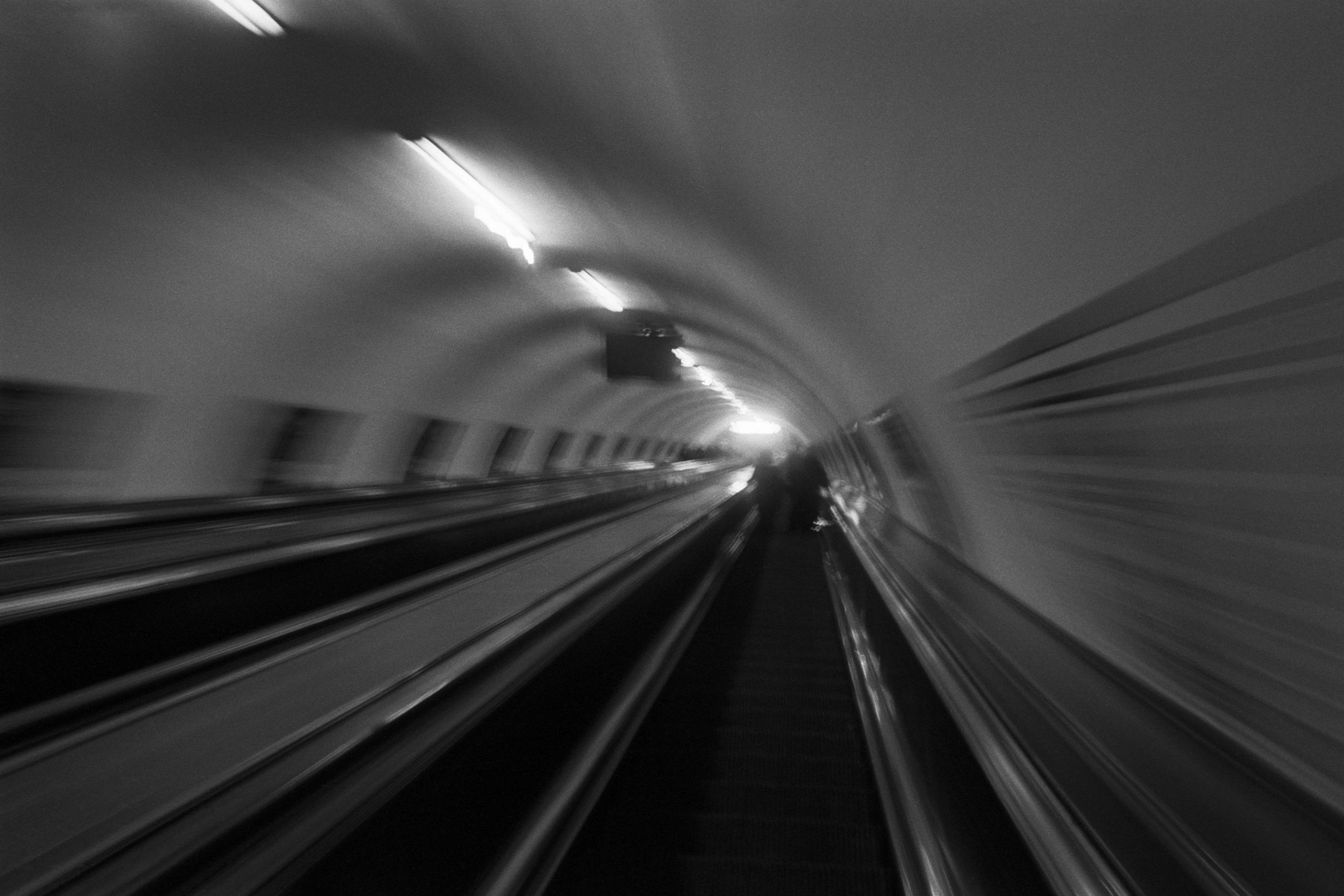
The Wall
2015Winner of the 1st prize & Golden Glass Award at the 11th Photographic Open Championship Olsztyn, and 1st place with the Special Prize of FORMAT magazine at the 3rd Biennial of Art in Piotrków Trybunalski.
View Series →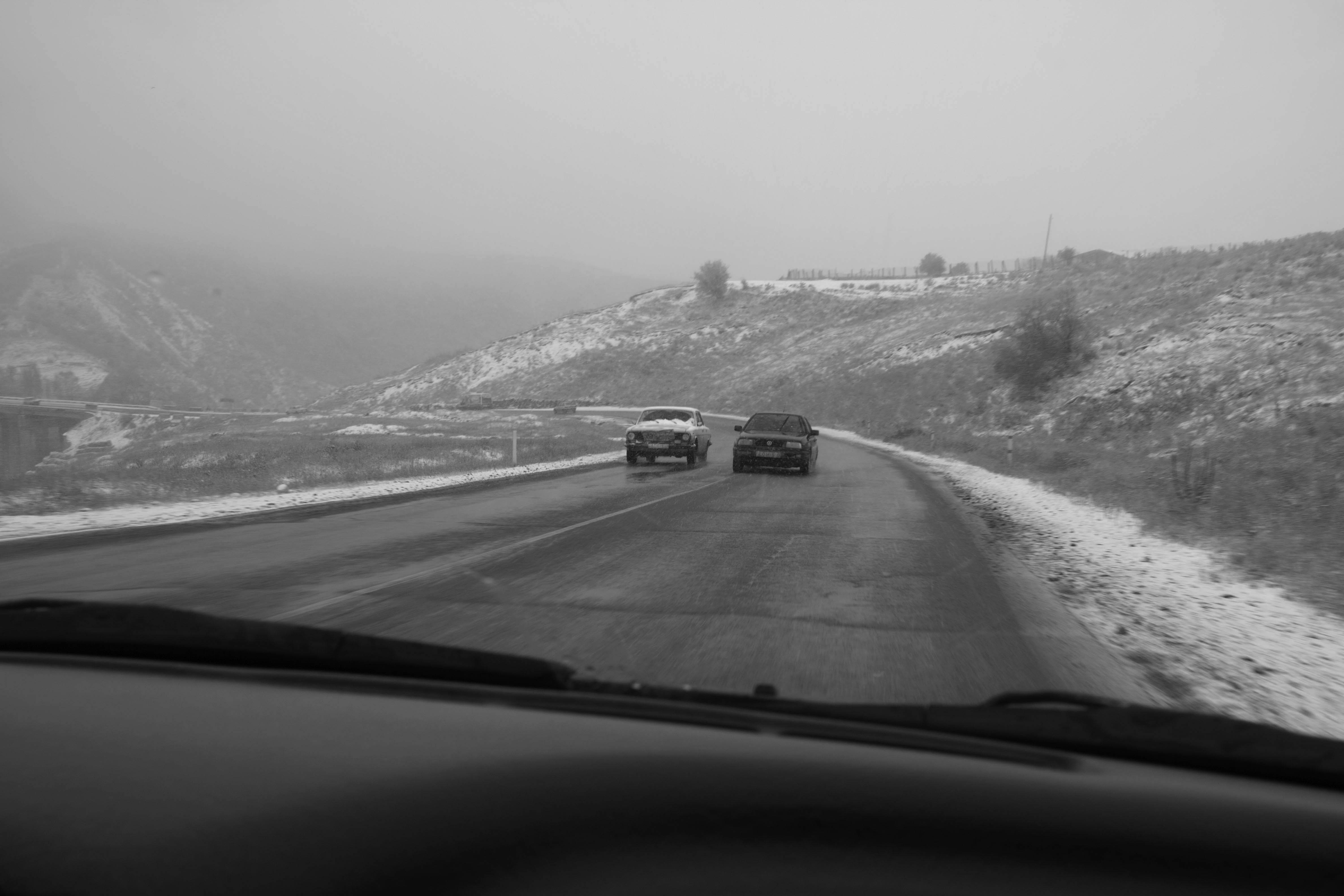
An Engagement Ring
2011A narrative series set in Wrocław in August 2011. Awarded 2nd prize & Silver Glass at the 10th Photographic Open Championship Olsztyn in 2014.
View Series →
Heat Wave
2014A documentary series recording spontaneous events across August and September 2014, capturing the raw energy of a city under the grip of summer.
View Series →