"Photography is not about the thing photographed. It is about how that thing looks photographed."
The photographer as director in fashion shoots
A fashion photo shoot can appear effortless in the finished campaign: a model crosses a sunlit room, a jacket catches the wind, and one frame carries the promise of a whole collection. Those decisive images are rarely accidental. They result from decisions about narrative, casting, styling, location, light, gesture and pace, all aligned with a particular idea.
The photographer therefore does more than record what happens. They read the commercial intention, shape the visual language and guide people so the camera captures a coherent story. For award-winning photographer Rafal Michalak, based in Wrocław, Poland, this director-like role combines an editorial eye with the practical control needed on a busy set.
Turning a brief into a visual strategy
Direction starts by finding the emotional and commercial centre of the creative brief. A statement such as “modern confidence” may sound broad until it becomes a restrained pose, a precise palette, a hard architectural background or a deliberately imperfect texture. The photographer asks what the viewer should feel and which details can communicate that feeling without relying on decoration.
References then give the concept a shared visual vocabulary. A mood board might combine a film still, a piece of architecture, a painter’s palette and details of contemporary street style. Its purpose is not to predict every final image; it is to help the client, stylist and photographer make compatible choices. Too many references can flatten the idea, so the director identifies the useful tension and discards the rest.
A clear hierarchy keeps the shoot coherent. The photographer decides which element leads, whether the collection should feel severe or playful, and how much room the styling has to breathe. Where an in-house art director is present, roles should be defined: one may own the concept and set design while the other leads visual execution, camera language and on-set coherence. Practical limits, including movement, angles and locations, then protect the concept when the day becomes busy.
Directing talent, styling and movement
Fashion imagery depends on performance, yet the performance should never look imposed. The photographer explains the intended energy, demonstrates a tempo and gives the model tangible actions: pause, turn, adjust a cuff or hold the gaze. This direction creates freedom within a precise frame. It also protects time, because a model who understands the brief can vary a pose instead of repeating an uncertain instruction.
Styling is treated as part of the image, not a separate layer. Silhouette, fabric weight, colour relationship and footwear all affect how a pose reads. The photographer works with the stylist to decide when the garment needs stillness and when movement will reveal its construction. Hair and makeup similarly support the narrative without distracting from the clothing or the intended identity of the campaign.
Direction also becomes a question of representation. Campaigns intended for the Australian market may need to reflect varied body types, ages and cultural backgrounds. The photographer helps set a casting brief, watches how poses accommodate different proportions and ensures the final sequence feels intentional. Inclusive choices are strongest when they arise from the story rather than from an isolated gesture.
Controlling light, location and atmosphere
Light is the photographer’s material, and its direction gives the shoot its visual grammar. Hard side light may make tailoring feel graphic; open shade can lend an urban image a quieter mood. Soft diffusion might suggest polish, while a practical lamp or deep shadow can introduce tension. The decision is not merely technical. It determines how colour behaves, how texture appears and whether the clothing or the setting carries greater weight.
Location scouting is therefore a form of pre-visualisation. Rather than treating the site as a backdrop, the director studies orientation, sightlines, surfaces, movement and the times the light will change. In Sydney, a coastal location such as Bondi may offer energy and wind but require checks for sun direction, access and changing weather. Melbourne’s laneways can provide depth and texture, though narrow walls may limit crew and lighting positions.
Australian production calendars also work against the European season. A June campaign developed for Australia belongs to winter locally, even though Wrocław is entering summer. That difference affects wardrobe, locations and the emotional temperature expected in the images. Directors planning work across borders must account for Southern Hemisphere timing, council permits, traffic restrictions, insurance and the practical reliability of outdoor light rather than copying a northern summer concept verbatim.
Building a campaign that holds together
A campaign is a sequence, not a collection of isolated wins. The photographer determines what must appear in the opening image, how the looks should change and where the strongest visual can sit. This creates rhythm: a close portrait can offer intimacy, a full-length frame can clarify construction, and a moving detail can reset the eye. Each picture needs its own impact while advancing the collection’s story.
A shot list supports this structure without making the day mechanical. It identifies essential frames, alternative angles and details that must be captured if weather or wardrobe changes. The director remains flexible within that framework, recognising when a better expression has emerged. A controlled departure can be valuable, but only after the planned assets are secure. That balance is especially important for fashion weeks in Sydney and Melbourne, where brands often work to compressed launch and media schedules.
The narrative should also remain visible in quieter pictures. A hand against a textured wall, a shoe crossing wet pavement or an empty fitting-room chair can connect product imagery to the world around it. These details are not automatically more artistic; they work when they carry meaning. Visual storytelling depends on distinguishing a purposeful pause from visual noise and knowing when the campaign needs simplicity rather than another layer of symbolism.
Leading the team and production
Creative direction becomes leadership once the set is assembled. The photographer coordinates ideas from stylists, hair and makeup artists, casting agents, assistants, production managers, designers and the client. That does not mean issuing orders to every discipline. It means protecting one visual idea, clarifying dependencies and helping each specialist understand how their work serves it. A strong set knows who makes each decision and who resolves a conflict.
Clear communication is particularly valuable when the production crosses cultures. A Wrocław-based shoot directed for an Australian label may involve time-zone differences, digital approvals, local crew and international suppliers. Briefs should include visual references, must-have shots, timing, safety notes and a clear approval route. Australian production culture often favours direct discussion, so expectations should be explicit without losing the nuance needed for fashion.
Budgets require direction too. In the Australian market, fees quoted in Australian dollars may need to accommodate GST where applicable, talent, stylists, hair and makeup, location charges, transport, insurance and contingency. A photographer who understands those pressures can recommend a stronger concept that is achievable instead of protecting an impractical setup. For fashion clients, editorial and commercial shoots should also align licensing, delivery schedules and usage rights from the outset.
Balancing client control and creative authorship
Commercial work demands two kinds of clarity: the brand must be recognisable, and the images must still hold attention. Product information, campaign claims and required visual elements provide boundaries, but boundaries should guide execution rather than flatten it. The photographer translates strategic requirements into choices about composition, casting and atmosphere, allowing the brand identity to emerge through credible creative decisions.
Feedback can threaten that balance when too many stakeholders alter the work. The director creates a focused review process, grouping comments by purpose and separating essential corrections from subjective preferences. This is not about ignoring the client; it is about preventing each note from shifting the campaign’s centre. Rafal Michalak’s experience across fashion, conceptual photographic series, business portraits and events is useful here because the same discipline of visual consistency applies to very different commissions.
Authority in a shoot comes from preparation, not from ego. The photographer must be able to explain why a frame works, adapt when production conditions change and still protect the agreed idea. If a garment behaves differently from expectation, a location becomes crowded or the light loses its shape, the right response may be to revise the shot without surrendering the narrative. That is the difference between directing a compromise and merely accepting one.
Editing, finishing and preserving intent
Post-production continues the direction rather than repairing it. Selection determines which gestures and expressions belong together; sequencing establishes pace; retouching should remove distractions without erasing material truth. Colour grading then unifies separate lighting conditions. The photographer retains responsibility for this stage because the image that looked strongest in isolation may weaken beside its neighbours, and technical cleanup cannot rescue a frame that lacked intention.
Rafal Michalak Photography’s combination of traditional analogue methods, medium-format and black-and-white film, darkroom principles and digital workflows offers useful flexibility. Film can provide tactile grain, tonal depth and a deliberate resistance to excess, while digital capture supports precision and demanding commercial schedules. A hybrid workflow should never become an aesthetic gesture. The process is chosen for the story and for the client’s practical needs, not to display technology.
Final delivery closes the loop with careful proofing, file preparation, colour profiles and documented usage. It is also important to archive the visual references, approved selects and production notes so the campaign can evolve in future seasons. The lasting value of a fashion shoot extends beyond the immediate release. A coherent campaign can support retail displays, editorial features and future brand communications without losing the identity created on set. When every stage has been directed with the same purpose, the result feels less like a temporary production and more like a considered body of work.
Selected Series
A cross-section of commissioned and personal projects spanning fine art, commercial, and conceptual work.
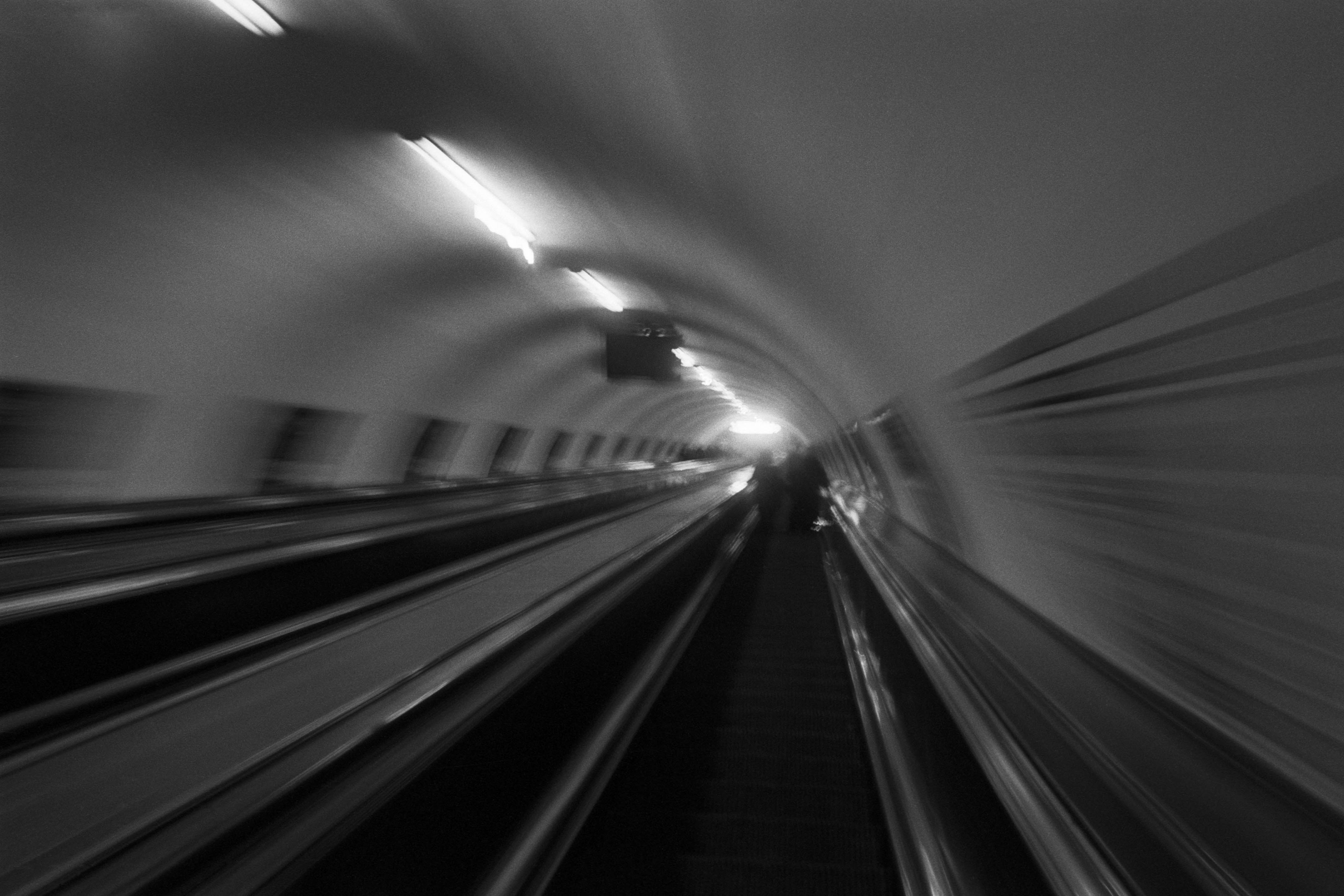
The Wall
2015Winner of the 1st prize & Golden Glass Award at the 11th Photographic Open Championship Olsztyn, and 1st place with the Special Prize of FORMAT magazine at the 3rd Biennial of Art in Piotrków Trybunalski.
View Series →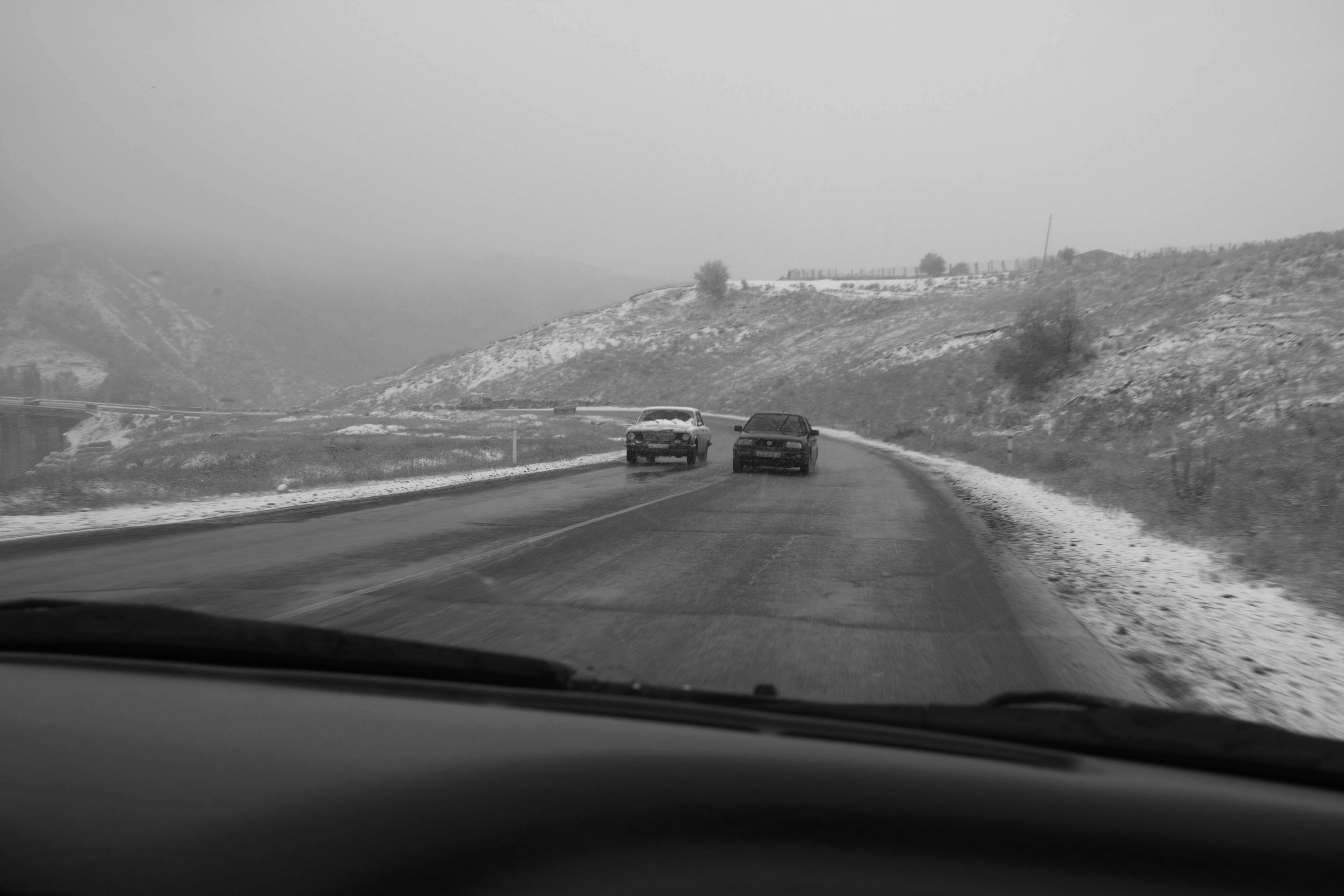
An Engagement Ring
2011A narrative series set in Wrocław in August 2011. Awarded 2nd prize & Silver Glass at the 10th Photographic Open Championship Olsztyn in 2014.
View Series →
Heat Wave
2014A documentary series recording spontaneous events across August and September 2014, capturing the raw energy of a city under the grip of summer.
View Series →