"Photography is not about the thing photographed. It is about how that thing looks photographed."
The photographer as a storyteller shaping the way we see
Every photograph begins as an idea shaped by the person behind the camera. Long before a shutter is pressed, the photographer makes a series of choices: what to include, what to leave outside the frame, how to direct the gaze of the viewer, and what emotional register the final image should carry. These decisions transform a technical act into a narrative one. Across fashion editorials, corporate portraits and conceptual series, the modern photographer functions as an author, a translator and an editor, weaving fragments of reality into a coherent visual statement. The frame becomes a paragraph, the sequence a chapter, and the entire body of work a book that the audience reads without words.
For a practitioner working between Wrocław and international commissions, this storytelling role is not a stylistic flourish but the core of the practice. Drawing on medium-format film, traditional darkroom principles and contemporary digital tools, the photographer treats each project as an opportunity to construct a world the viewer can enter. The work shown in the portfolio aims to do more than document a face or a garment; it seeks to position the subject within a story that carries meaning, atmosphere and intention.
Foundations of visual narrative
A narrative photograph is built from intention. The camera records what is in front of it, but the storyteller decides why it matters. This distinction sits at the heart of any serious photographic practice and shapes everything that follows, from the way a session is prepared to the final edit. The photographer who sees their work as storytelling begins by asking what the image should communicate, who the audience is, and what the subject's role is within the larger tale. Without those questions, even a technically flawless picture can feel hollow.
Storytelling also relies on compression. A single still image cannot show a beginning, middle and end in the literary sense, so the photographer must suggest them through visual cues. A turned shoulder, a hand reaching for a doorway, the way natural light falls across a table, all become narrative devices. The viewer's mind fills in the rest, completing the story from the fragments offered. This collaboration between maker and audience is what gives still photography its enduring power, and it is the reason a strong image can feel as complete as a short film.
Building a story from concept to final frame
The process of constructing a photographic narrative usually begins with a concept document, a mood board or a written brief. For commercial clients, the brief may outline a campaign's message, its target demographic and the brand values that need to be visible. For personal or fine art projects, the photographer writes the brief themselves, choosing themes that resonate with their own experience. In both cases, the preparation stage determines whether the final images will feel coherent or scattered.
Location scouting, wardrobe selection, casting and the choice of camera format all serve the narrative. Working with medium-format equipment, for instance, produces a particular sense of depth and texture that supports certain kinds of stories, particularly those grounded in fine art and fashion. The slower pace of analogue shooting also encourages a more deliberate reading of the scene, which can translate into images that feel composed rather than captured. When the elements align, the final sequence reads like chapters of the same book, even when individual frames were taken weeks apart.
The conversation between photographer and subject
Storytelling in photography is rarely a solitary act. It depends on a relationship between the person behind the camera and the person, object or place in front of it. Business portraits, fashion campaigns and event coverage all require the photographer to establish trust quickly, often within minutes, and to use that trust to draw out an authentic presence. The result is an image that feels observed rather than manufactured.
Directing a subject is a delicate skill. It involves listening as much as instructing, adjusting tone to suit the personality in front of the lens, and recognising the moment when a gesture or expression carries the right weight. Experienced photographers often speak of "the moment the room changes", a small shift in posture or mood that signals the real picture has arrived. Recognising and capturing that moment is the difference between a competent portrait and a memorable one. The same principle applies to fashion editorials, where the model's energy, the stylist's choices and the photographer's guidance converge to produce a single expressive frame.
Place, culture and the Australian context
Australia offers a distinct visual vocabulary for photographers willing to read it. The quality of light differs noticeably between coastal cities and the interior, and even between neighbourhoods within the same metropolis. In Sydney, the morning light bouncing off the harbour creates a cool, reflective atmosphere, while Melbourne's laneways reward photographers who look for colour, texture and human-scale detail. Brisbane, Adelaide and Perth each carry their own rhythms, shaped by climate, architecture and the everyday habits of the people who live there. A storyteller who works across these places learns to adapt their palette and pacing to match the local mood.
Commercial projects in Australia also respond to the country's creative industries. The fashion scene in Melbourne, the advertising market around Sydney's CBD and the growing number of boutique brands in Brisbane all generate demand for imagery that feels both locally rooted and internationally aware. Australian audiences tend to respond to photography that balances sophistication with a relaxed, approachable tone, a sensibility shaped by the country's café culture, beach lifestyle and outdoor event calendar. Recognising those preferences allows a photographer to craft work that resonates with the local market while still carrying a distinctive authorial voice.
The legal environment in Australia also shapes how stories can be told. The Australian Privacy Principles, administered by the Office of the Australian Information Commissioner, govern how likenesses are collected, stored and used, particularly in commercial contexts. Photographers working on advertising campaigns, corporate communications or public-facing editorials must navigate consent, model releases and image licensing with care. Understanding these obligations is not a bureaucratic hurdle but a part of responsible storytelling, ensuring that the narratives constructed in the studio or on location respect the people who appear in them.
Light, mood and the grammar of an image
If concept provides the words of a photographic story, light provides its grammar. The direction, quality and colour of light determine how a viewer reads an image, and the photographer who masters light can shift the emotional meaning of a scene without moving a single object. Hard light from a low sun can introduce drama and tension, while diffused overcast light softens a portrait and invites intimacy. Black-and-white film, used deliberately, removes the distraction of colour and pushes the viewer toward form, texture and expression.
Working with analogue and hybrid workflows adds another layer to this grammar. The constraints of film encourage slower decision-making, more careful exposure metering and a heightened awareness of the frame. The darkroom, in turn, offers a second stage of storytelling through printing, where contrast, tonality and cropping can be refined long after the shutter has been released. Even when the final delivery is digital, the discipline of working in this way tends to produce images with greater coherence, because every choice has been considered rather than rescued in post-production.
Mood extends beyond light into composition, pacing and sequence. A fashion editorial that moves from tightly cropped portraits to wide environmental shots tells a different story than one that keeps the framing consistent. A corporate report illustrated with candid, slightly desaturated images communicates a different tone than one filled with highly stylised studio portraits. Photographers who think like storytellers plan these variations in advance, treating the sequence as a piece of writing rather than a collection of disconnected images.
Editorial vision in commercial practice
Commercial photography is sometimes treated as separate from storytelling, yet the most effective campaigns are built on narrative thinking. A brand is, after all, a story about who a company is, what it values and how it wishes to be perceived. The photographer's task is to translate that story into images that feel credible and compelling. Whether the commission is a campaign for a Sydney-based fashion label, a corporate portrait series for a Melbourne financial firm or a hospitality shoot for a coastal resort, the underlying craft is the same: find the narrative, then build the visual language to support it.
This is where the flexibility of a hybrid practice becomes valuable. Analogue techniques can lend a campaign a sense of craft and authenticity, while digital workflows allow for the precision, speed and reproducibility that commercial clients require. The decision to shoot film for a particular project, or to print a portfolio piece in the darkroom, is itself part of the story the photographer is telling about their work. Clients reading the portfolio are not just hiring a technician; they are choosing a visual author whose sensibility will shape how their own story is presented to the world.
Working commercially also requires the photographer to be a careful editor. Not every strong image belongs in the final delivery, and not every project should be approached in the same way. Learning to read a brief, propose a concept, execute it confidently and then refine the edit is the daily discipline that turns a talented photographer into a reliable creative partner. It is also the discipline that allows a personal body of work to grow alongside commercial output, each informing the other.
Ethics, consent and the storyteller's duty
A storyteller carries responsibilities that go beyond craft. Photography has the power to shape perception, and with that power comes an obligation to handle subjects, places and communities with care. In Australia, this is reflected in industry standards around consent, cultural sensitivity and the depiction of Indigenous communities, as well as in broader legal frameworks such as the Copyright Act 1968 and the Australian Privacy Principles. A photographer who treats these as background concerns rather than central principles risks producing work that is technically impressive but ethically fragile.
Consent is not simply a signed form. It includes the way a subject is approached, the language used on set and the assurance that an image will be used only in the ways that were discussed. For editorial and documentary projects, consent can be more complex, but the principle of respect remains constant. The same applies to places: photographing in a community, a private venue or a culturally significant site carries expectations of behaviour that a thoughtful photographer learns to recognise.
Ultimately, the role of the photographer as a storyteller is a role of trust. Audiences look at images and form opinions about the people, brands and places depicted. Subjects place their likeness in the photographer's hands. Clients entrust their reputation to a visual interpretation of their work. Honouring that trust requires technical skill, a clear narrative vision and a steady ethical compass. When those elements come together, photography becomes what it has always been at its best: a way of seeing the world with greater care, and of sharing that vision with others.
Selected Series
A cross-section of commissioned and personal projects spanning fine art, commercial, and conceptual work.
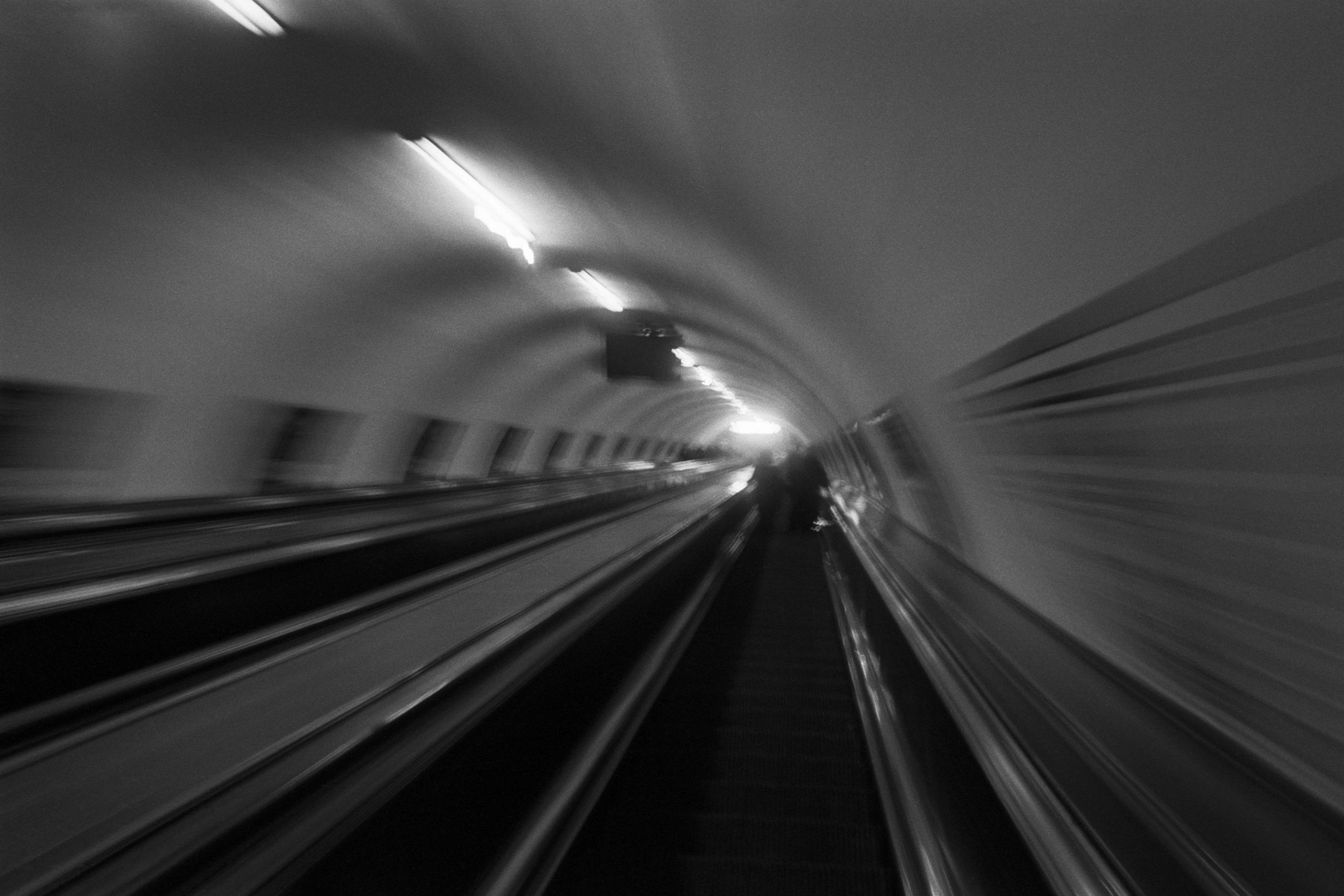
The Wall
2015Winner of the 1st prize & Golden Glass Award at the 11th Photographic Open Championship Olsztyn, and 1st place with the Special Prize of FORMAT magazine at the 3rd Biennial of Art in Piotrków Trybunalski.
View Series →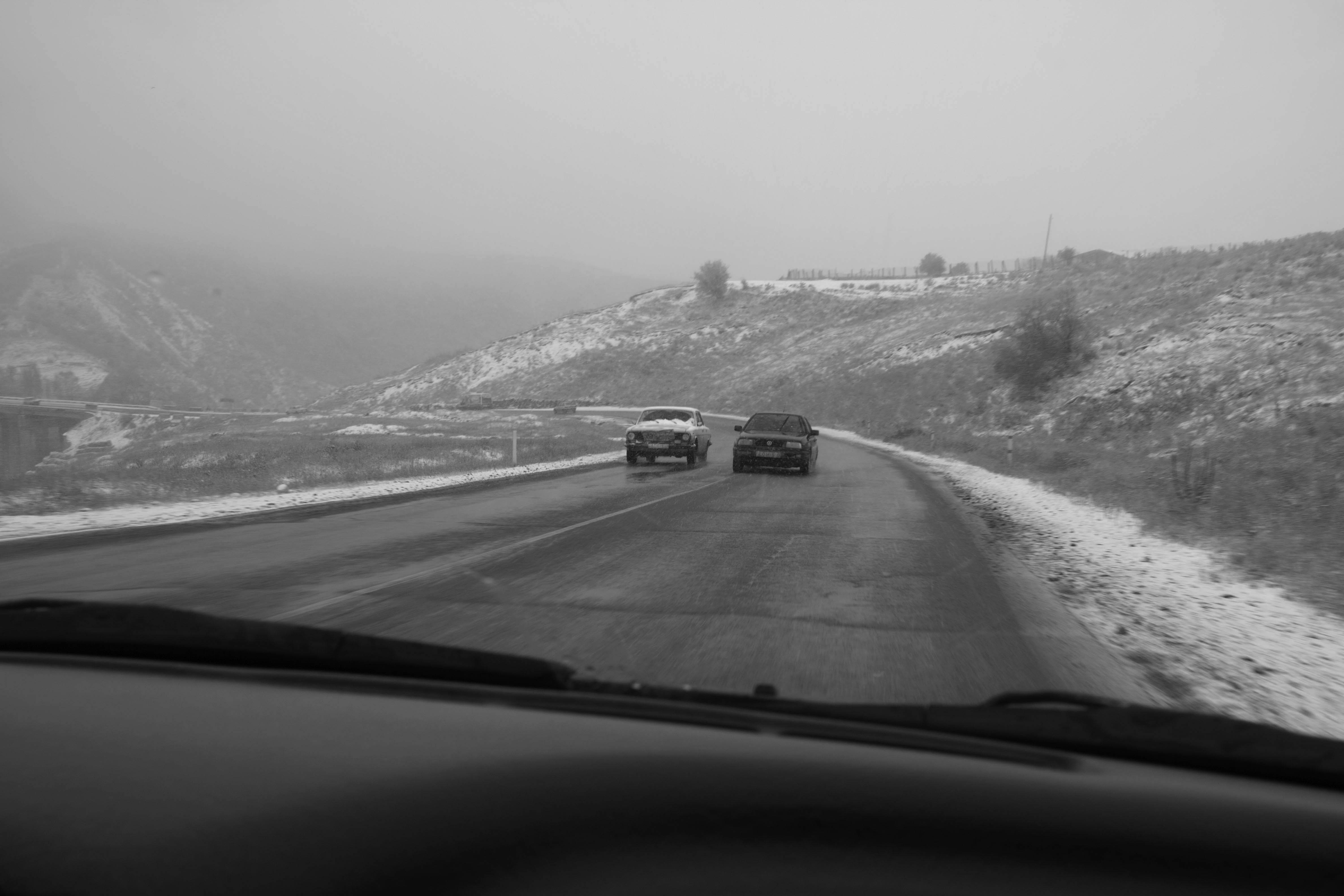
An Engagement Ring
2011A narrative series set in Wrocław in August 2011. Awarded 2nd prize & Silver Glass at the 10th Photographic Open Championship Olsztyn in 2014.
View Series →
Heat Wave
2014A documentary series recording spontaneous events across August and September 2014, capturing the raw energy of a city under the grip of summer.
View Series →