"Photography is not about the thing photographed. It is about how that thing looks photographed."
Tips for Shooting Headshots That Command Attention
A strong headshot does more than record someone’s appearance. It communicates judgement, confidence and approachability before a client, recruiter or collaborator has read a single line of biography. The best portraits feel immediate: the viewer senses a distinct person rather than a carefully arranged face placed against a generic background.
That impact comes from a combination of preparation, light, direction and timing. Camera settings matter, but they cannot compensate for guarded body language, unfocused eyes or lighting that flattens the subject. A compelling business portrait is built through a series of small decisions that work together.
For Australian professionals, the image also needs to suit the way people actually meet and work. A solicitor in Sydney, a creative director in Melbourne, a property agent in Brisbane and a founder in Perth may all need headshots, yet their visual language will differ. The portrait should feel polished without becoming stiff, contemporary without chasing a short-lived trend, and recognisably connected to the person’s professional world.
Begin with the purpose of the portrait
Before choosing a lens or arranging a backdrop, establish where the image will appear and what it needs to achieve. A LinkedIn profile photograph has different demands from a company leadership page, a casting portfolio, a speaker biography or an editorial feature. On LinkedIn, the face often appears as a small circle on a mobile screen, so clear eyes, simple composition and strong tonal separation are essential.
A business portrait for a law firm may call for measured authority, while a headshot for a design studio can accommodate more character, texture and visual experimentation. Ask about the subject’s role, audience and usual clients. A financial adviser who wants to appear calm and dependable may need a different expression from a hospitality entrepreneur who wants energy and warmth.
In Australia, many professionals use the same portrait across LinkedIn, conference programmes, media releases and corporate websites. The image therefore needs enough flexibility to work in both formal and informal contexts. A clean frame photographed near the Sydney CBD can feel credible for a board profile, while a more environmental portrait may suit a creative agency based in Collingwood or Surry Hills.
A short pre-shoot conversation also helps reveal how the subject wants to be seen. Words such as “approachable”, “decisive”, “curious” or “grounded” can guide posture and expression more effectively than vague instructions to “look natural”. The photographer’s role is to translate those qualities into visible choices.
Shape the light around the eyes
Attention begins with the eyes, so light should give them clarity, dimension and life. A large soft source placed slightly above and to one side of the camera is a dependable starting point. It creates gentle modelling across the face while keeping the catchlights visible. The exact position can then be adjusted according to the subject’s features and the desired mood.
Flat frontal light may remove distracting shadows, but it can also make the face look two-dimensional. Hard light from directly overhead often deepens eye sockets and creates an unflattering shadow beneath the nose. A carefully controlled side light can produce a more sculptural portrait, particularly when the subject has a strong profile or distinctive facial structure.
Window light remains one of the most useful tools for natural-looking headshots. A north-facing window in the southern hemisphere can provide consistent illumination, although direct Australian sun may still be intense. Sheer curtains, diffusion fabric or a white reflector can soften the source. In bright locations such as Brisbane or Perth, watch for rapidly changing contrast and coloured reflections from nearby walls.
Exposure should preserve skin texture and highlight detail. Check the forehead, cheekbones and pale clothing rather than relying only on the camera’s overall meter. A slight adjustment to the subject’s position can be more effective than increasing power: turning the face a few degrees away from the source may reduce shine while retaining a lively eye light.
Use composition to create presence
A headshot needs enough space to breathe without allowing the frame to become visually vague. The crop should support the intended use. A close portrait can command attention on a speaker page, while a chest-up image offers more room for a website layout or a company directory. Leave useful negative space when a designer may need to place text beside the face.
Eye position has a powerful effect on perceived engagement. For a direct, confident portrait, place the eyes near the upper third of the frame and have the subject look towards the lens. A slight shift in gaze can create a more reflective or editorial mood. The difference between looking into the camera and looking just beside it is subtle, so give clear direction rather than expecting the subject to guess.
Backgrounds should support the person instead of competing with them. A plain wall, softly blurred office or controlled studio surface can all work. Keep an eye out for bright windows, door frames and vertical lines that appear to grow from the head. In a Melbourne laneway or a Barangaroo office, architectural details can add context, but they should remain subordinate to the face.
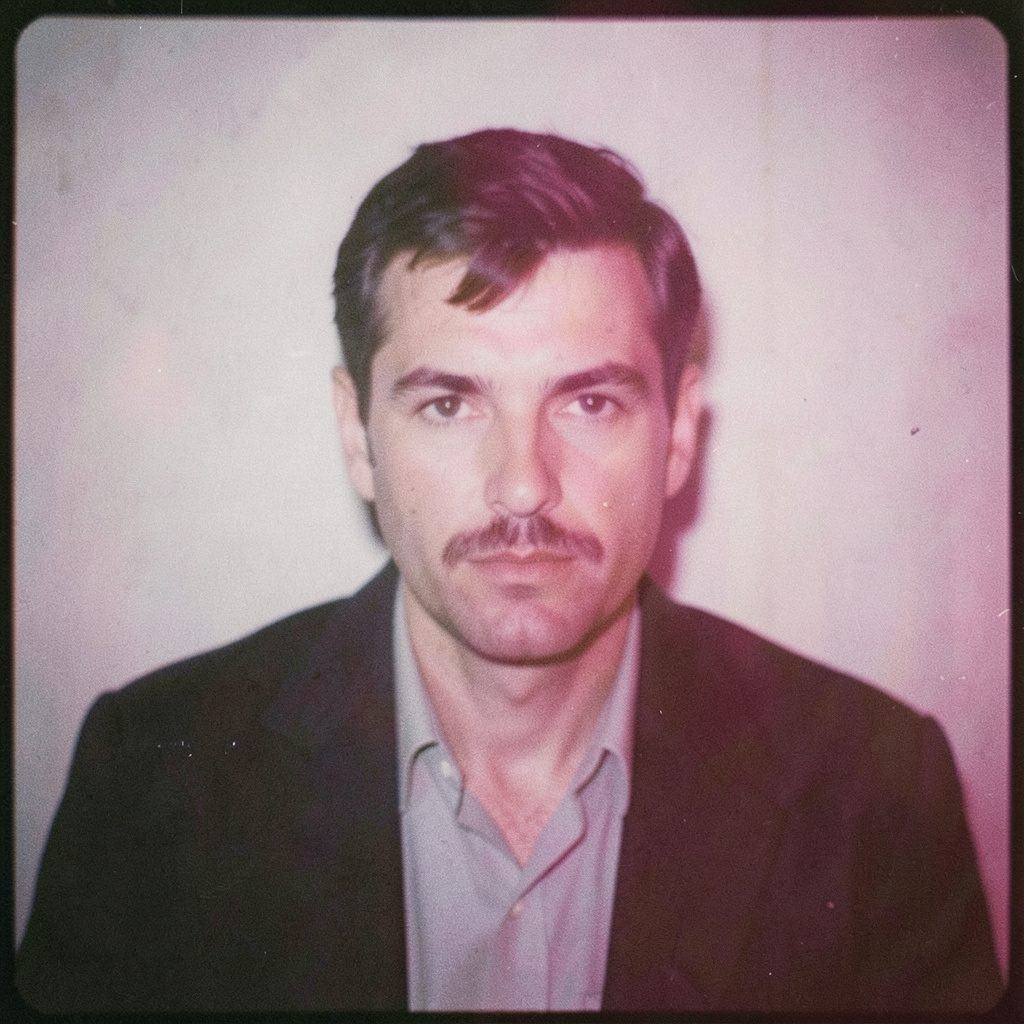
Lens choice affects the relationship between photographer and subject. A short telephoto lens, commonly around 85mm to 135mm on a full-frame camera, gives a flattering perspective from a comfortable working distance. Medium-format systems and analogue film can render facial detail with particular subtlety, though the composition still depends on the photographer’s physical distance and viewpoint.
Direct expression without forcing it
People often become self-conscious as soon as a camera is raised. Telling someone to “relax” rarely helps because it gives them no practical action. Instead, offer simple physical directions: lower the shoulders, move the chin slightly forward, breathe out, shift weight onto one foot or turn the torso a few degrees. These instructions release tension while preserving structure.
Conversation is a valuable part of portrait direction. Ask about the person’s work, a recent project or the clients they enjoy helping. Listen for the moment their expression becomes animated and photograph through that transition. A genuine expression does not always mean a broad smile; for many professional portraits, alert eyes and a relaxed mouth communicate more confidence.
Small adjustments have a significant effect. A lowered chin can look guarded, while lifting it too far can create arrogance. Shoulders pulled back may feel formal, but excessive posture can make the subject appear uncomfortable. The most convincing pose often sits between deliberate structure and natural movement.
Make space for several expressions and review them discreetly. Showing a subject one or two strong frames can build confidence, while displaying every unflattering moment can make them more self-aware. A calm, specific comment such as “That angle gives your eyes more presence” explains what is working and helps create consistency during the session.
Keep styling and colour under control
Clothing should reflect the subject’s role and personality while keeping attention on the face. Solid colours, restrained patterns and well-fitted garments tend to reproduce more cleanly than tight stripes, tiny checks or reflective fabrics. Ask the subject to bring options that match their normal professional wardrobe rather than dressing as a version of someone else.
Colour can shape the emotional reading of a portrait. Navy, charcoal and muted earth tones often support authority and stability, while a saturated shirt or accessory can introduce creative energy. Background and clothing should have enough separation to define the silhouette. A dark jacket against a dark grey wall may look elegant in person yet lose clarity in a small digital image.
Grooming details deserve practical attention. Wrinkled collars, stray hairs, shiny skin and uneven lapels are easier to manage before the first frame than in post-production. A small powder brush, lint roller and mirror can save time. Retouching should refine temporary distractions while preserving genuine skin texture, expression lines and distinctive features.
Consider how the portrait will sit within the organisation’s visual identity. Australian companies often want imagery that feels professional but not overly formal, particularly in technology, property, health and creative industries. A polished portrait can still retain warmth and individuality. The goal is credibility, not an artificial version of perfection.
Choose a workflow that protects character
Digital capture offers speed, immediate review and precise control over colour. It is well suited to corporate sessions where several people need consistent portraits in a limited time. Shoot tethered when possible so the photographer and subject can assess focus, expression and framing on a larger screen. This also helps maintain a consistent look across a team.
Analogue film brings a different discipline. Medium-format negatives and black-and-white film can produce nuanced tonal transitions, restrained contrast and a tactile sense of presence. The slower process encourages deliberate direction and reduces the impulse to make hundreds of near-identical frames. Darkroom principles remain valuable even when the final image is digital: observe the quality of light, protect highlights and shape the print or file with intention.
For commercial headshots, a hybrid workflow can offer the advantages of both approaches. Film may suit an executive portrait, campaign image or personal branding session where atmosphere matters, while digital capture provides efficient variations for web use. The finished files should be supplied in appropriate colour space and dimensions, with high-resolution versions for print and correctly sized copies for online profiles.
Post-production should strengthen the photograph rather than disguise the person. Balance colour, refine exposure, remove temporary blemishes and address background distractions. Avoid excessive skin smoothing, eye brightening or reshaping. Viewers respond to recognisable humanity, and an image that looks heavily processed can undermine trust.
Build a portrait session that feels considered
A successful session begins before the subject arrives. Visit the location or assess detailed reference images, identify available light, check background options and decide where equipment can be placed safely. In a busy Sydney office near Wynyard, the schedule may need to account for meeting-room access and changing daylight. In a small studio, efficient lighting changes may matter more than elaborate sets.
Allow enough time for settling in, test frames and small refinements. Rushing directly into the final pose often produces a tense expression. Even a brief conversation can establish rapport and reveal how the person naturally moves. For team portraits, photograph each individual under closely matched lighting while preserving small differences in direction and expression.
Environmental details can add meaning when used carefully. A chef photographed near a working kitchen, an architect beside a material sample wall or a startup founder in a bright studio may benefit from context. Keep the background quiet and control practical distractions such as signage, clutter and mixed colour temperatures. The setting should clarify the subject’s professional identity rather than function as decoration.
Strong headshots command attention because they feel specific. They show a real person with a clear point of view, supported by intentional light, composition and direction. Whether created on digital equipment, medium-format film or through a carefully balanced combination, the portrait should leave viewers with an immediate sense of confidence, presence and connection.
Selected Series
A cross-section of commissioned and personal projects spanning fine art, commercial, and conceptual work.
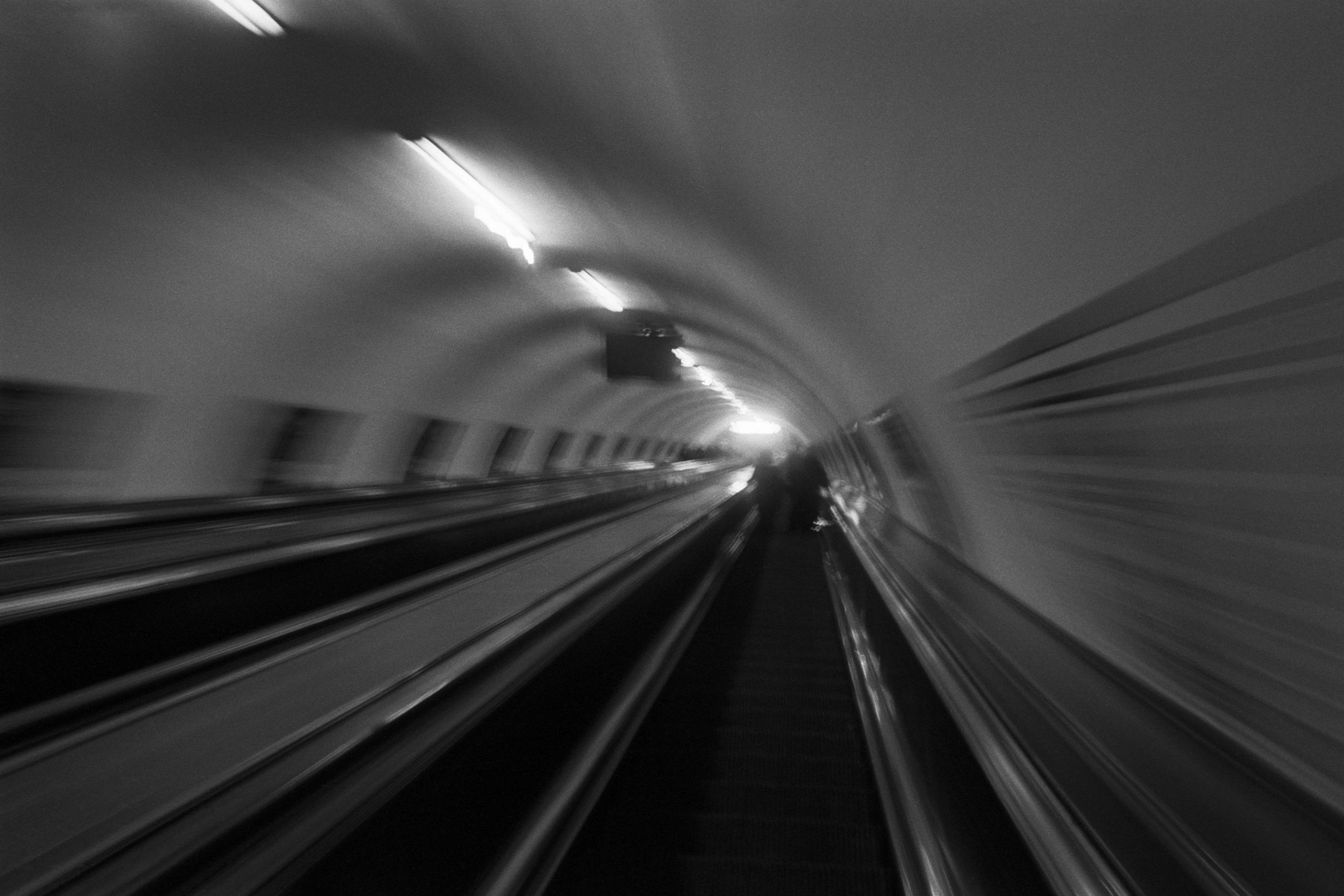
The Wall
2015Winner of the 1st prize & Golden Glass Award at the 11th Photographic Open Championship Olsztyn, and 1st place with the Special Prize of FORMAT magazine at the 3rd Biennial of Art in Piotrków Trybunalski.
View Series →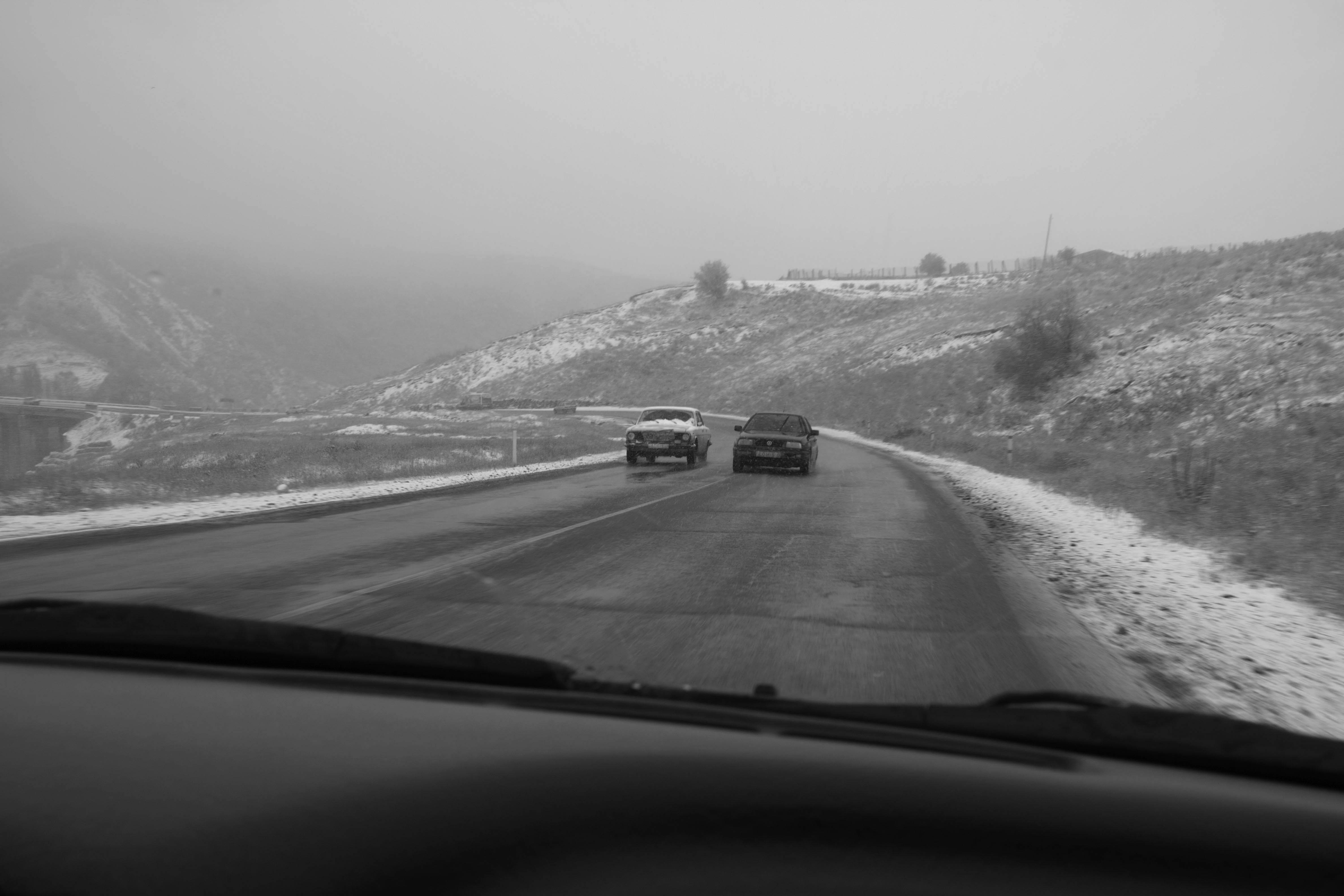
An Engagement Ring
2011A narrative series set in Wrocław in August 2011. Awarded 2nd prize & Silver Glass at the 10th Photographic Open Championship Olsztyn in 2014.
View Series →
Heat Wave
2014A documentary series recording spontaneous events across August and September 2014, capturing the raw energy of a city under the grip of summer.
View Series →