"Photography is not about the thing photographed. It is about how that thing looks photographed."
Props With Purpose: Stories in Portrait Photography
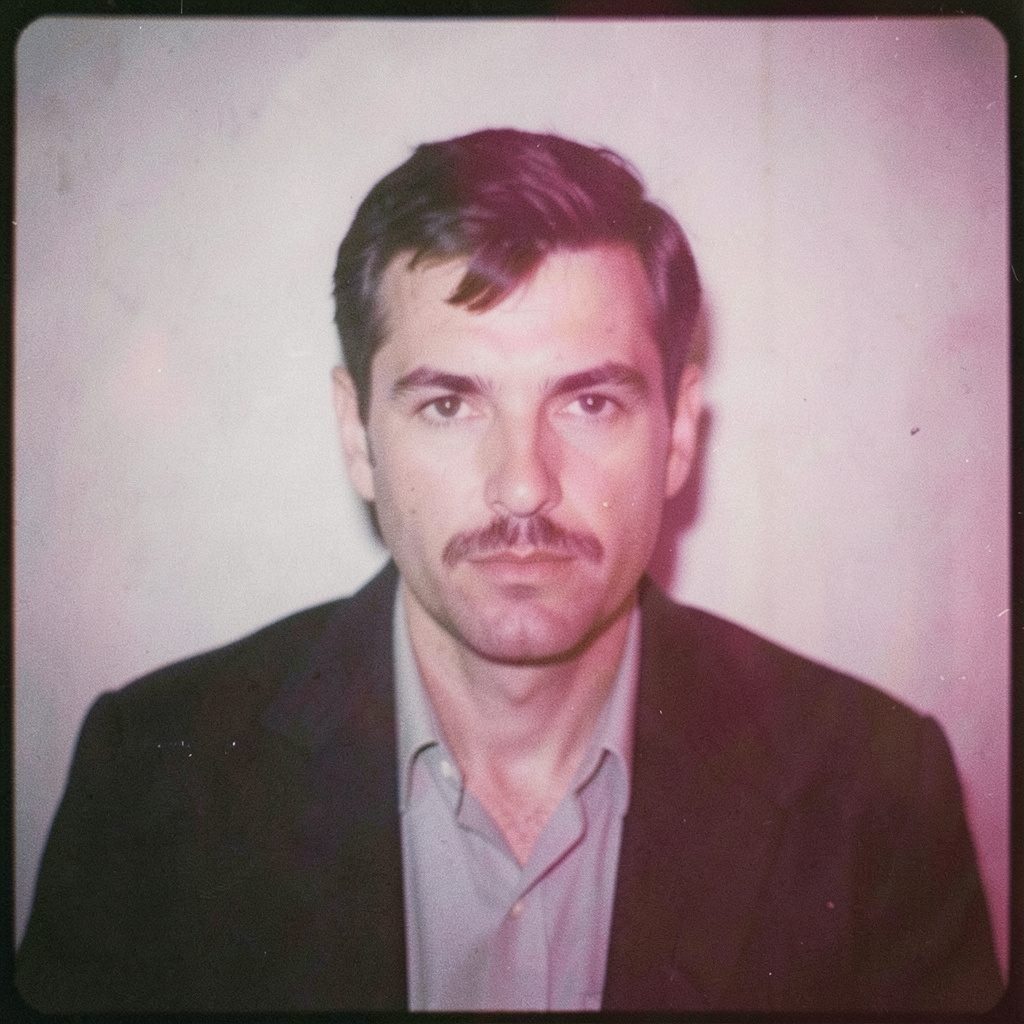
Using props to tell a story in portrait photography is a question of relationship, not decoration. The right object gives a viewer an entry point into an image, offering clues about a subject’s work, relationships, aspirations and sense of place. It can turn a polished likeness into a narrative that can be read before any caption appears.
Rafal Michalak, an award-winning photographer based in Wrocław, Poland, works across fine art and commercial commissions, including business portraits, fashion, events and conceptual photographic series. His combination of medium-format and black-and-white film, darkroom principles and digital workflows informs a careful approach to objects, texture and light. These principles travel well to Australian commissions: an object should contribute context, character or emotional tension, rather than simply fill the frame.
Props as Narrative Evidence
A prop becomes meaningful through the relationship it creates with the person. A battered leather case can suggest a working life, while a sealed envelope introduces distance, anticipation or an untold story. Such objects rarely need to be explained. Their force comes from leaving space for the viewer to connect the clue with the expression, posture and environment surrounding it.
The difference between narrative evidence and set dressing starts with intention. A chair, vase or length of fabric can establish a room, yet it becomes story-bearing when it changes our understanding of the sitter. Consider a founder photographed beside a prototype rather than a wall of logos: the prototype implies invention and risk, giving a business portrait a sense of movement that credentials alone cannot supply. The subject’s hands, resting on the prototype or adjusting a component, can make that relationship explicit.
The strongest props often support a sequence rather than a single decisive gesture. A retired musician’s bow case, a stack of annotated contact sheets or a carefully folded uniform can recur across a photographic series. Each appearance adds a layer, while changes in position and use suggest time passing. One object anchors the story; repetition develops it. In fine art, this measured recurrence can turn familiar belongings into a record of identity, ageing and change.
Choosing Objects With Meaning
Begin with the subject’s own vocabulary. The pen beside a writer, the worn keyboard of a composer or the notebook filled with a designer’s sketches contains information that a generic studio accessory cannot. Specific objects make a portrait more credible, especially when the image must communicate expertise without turning the sitter into a performer for an unseen audience.
Everyday Australian habits can supply equally rich material. A Melbourne laneway café, with its stainless steel bench, tiled counter and steady flow of commuters, gives a hospitality portrait a recognisable rhythm. A Sydney office photographed before the working day begins can borrow meaning from an untouched cup, a lanyard on a chair or the low harbour light crossing a desk. These details belong to the setting; they are not tokens pasted over it.
Props sourced from local markets, second-hand shops and specialist prop-hire suppliers can add another layer. A particular cup, tool or piece of furniture may carry the patina of previous use, and that imperfection often makes a constructed scene more convincing than a flawless imitation. Its connection to the subject matters more than its age. An heirloom lends itself to a portrait about family history; a newly made technical object may suit a portrait about beginning a practice.
Designing the Scene Before the Shoot
Start with an emotional proposition, then decide which objects can support it. “A designer absorbed in the problem of making” gives a session a different centre from “a designer displaying success.” A short list of essential props follows naturally from that distinction. It also prevents a session from becoming a display of unrelated objects, each competing for attention.
Treat the arrangement as composition rather than accumulation. Decide where the subject sits, where the eye should travel and which areas must remain quiet. Negative space can be more useful than another accessory: it gives a single object room to register. A prop near the edge of a medium-format frame may become a subtle interruption, whereas a central placement can dominate the image. Small changes in distance can transform its role from evidence to obstruction.
Direct the interaction, not just the pose. Place the object in the subject’s hands and watch for the moment when concentration replaces self-consciousness. Working with it can reveal a habitual gesture that feels natural, whether that means tightening a cable tie, turning a page or checking a reflection. Photograph the established action as a wider portrait, then move closer for details. The resulting sequence moves from person to process, giving the final series a coherent grammar.
Light, Texture and Visual Rhythm
Even a carefully chosen prop depends on light to reveal its character. Brass shifts from a dark silhouette to a warm highlight, paper changes from flat white to a field of soft tone, and worn leather develops depth when raking light crosses its creases. Black-and-white film can reduce an object to shape and texture, making it read clearly without competing with skin tones. Colour introduces another decision: whether the prop belongs to the subject or interrupts the palette of the clothing and setting.
Location and climate shape those decisions strongly in Australia. Sydney’s harbour-facing studios can catch cool reflected light, while Melbourne’s narrow laneways often provide brief shafts of sunlight between buildings. Brisbane’s subtropical brightness can expose every scratch and fibre, useful for an intentionally raw portrait but less forgiving when the goal is polish. Reflectors, diffusion and shade become practical tools for controlling what the material reveals. Strong Australian ultraviolet light can also fade coloured paper and fabric, so vulnerable objects need protection during an outdoor session.
Keep the lighting setup and the prop in constant conversation. A white card might open shadows on a face but flatten the texture of a linen sleeve; a small flag may restore that texture while preserving the face. In analogue work, exposure choices affect how both skin and object are rendered on the negative, and the darkroom print offers a final stage of refinement. Digital workflows provide faster control, yet the same principle applies: build a hierarchy of light before adding equipment. Every reflective surface or bright label must earn its visual emphasis.
Responsible Practice and Lasting Images
Professional portraiture requires clear agreements about people, images and objects. For Australian commercial work, recognisable subjects should sign appropriate model releases, with contracts defining how the photographs may be used, where they can appear and for how long. Organisations collecting client, employee or event information must consider the Australian Privacy Principles, including collecting only what the project genuinely needs. Copyright normally remains with the photographer unless an agreement states otherwise, so commissioning terms should explain ownership and permitted reuse without vague promises.
Cultural objects need particular care. Aboriginal and Torres Strait Islander artworks and cultural belongings should not be treated as generic backdrops. Obtain appropriate permissions and guidance, credit artists and Traditional Owners where appropriate, and avoid reproducing restricted designs or presenting cultural knowledge as a visual prop. The same restraint applies to religious, military and family heirlooms. Respect can be visible in the image: a portrait may show how an object is held, protected or placed within a setting, rather than treating its significance as decoration.
Sourcing has a practical and environmental dimension. Flea markets, charity shops, hire companies and local craftspeople can provide materials without relying on disposable sets, but records of purchases and licences help when images are published years later. Check the conditions attached to donated or hired items, and keep receipts for commissioned objects. Reusing a well-made prop across related assignments can also reduce waste, provided its meaning is not diluted by careless repetition.
The practical result is a portrait with room for both character and clarity. Rafal Michalak’s approach to business portraiture can retain an individual’s working habits within a polished setting; fashion imagery can use one unexpected object to challenge a prescribed look; event photography can preserve the objects that explain what happened; and fine-art series can let recurring belongings build a larger argument. An object earns its place when the image feels more specific with it than without it.
Selected Series
A cross-section of commissioned and personal projects spanning fine art, commercial, and conceptual work.
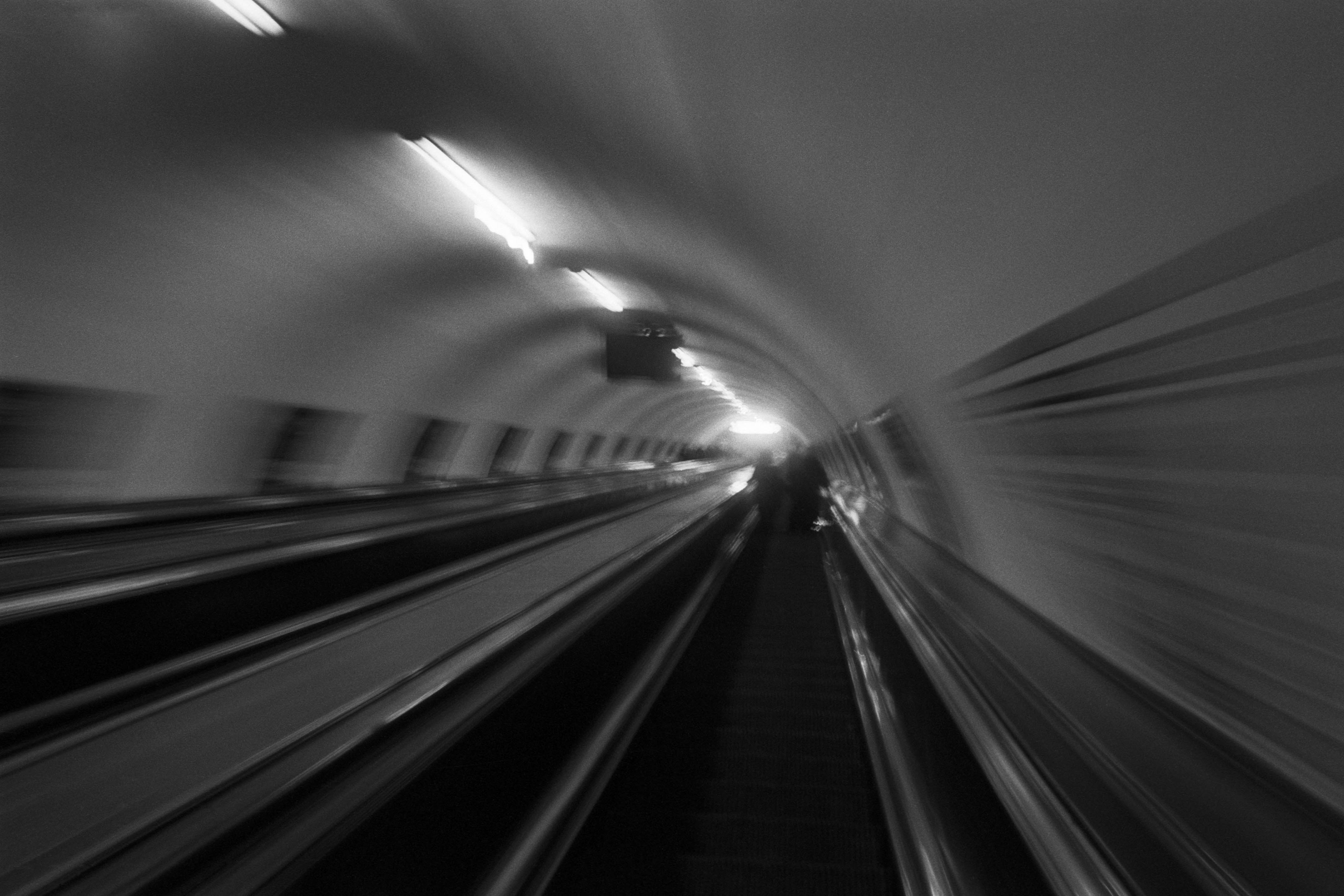
The Wall
2015Winner of the 1st prize & Golden Glass Award at the 11th Photographic Open Championship Olsztyn, and 1st place with the Special Prize of FORMAT magazine at the 3rd Biennial of Art in Piotrków Trybunalski.
View Series →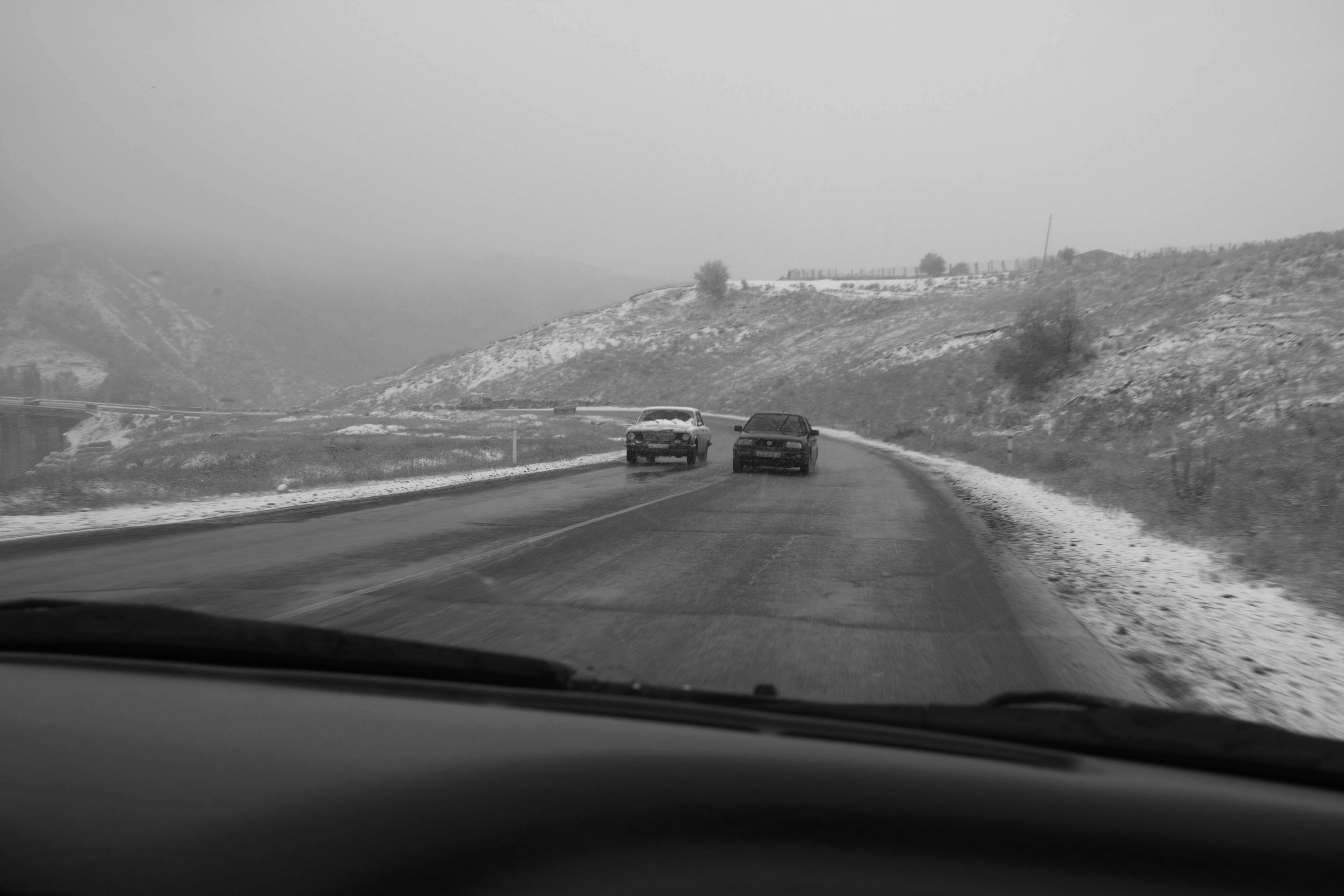
An Engagement Ring
2011A narrative series set in Wrocław in August 2011. Awarded 2nd prize & Silver Glass at the 10th Photographic Open Championship Olsztyn in 2014.
View Series →
Heat Wave
2014A documentary series recording spontaneous events across August and September 2014, capturing the raw energy of a city under the grip of summer.
View Series →