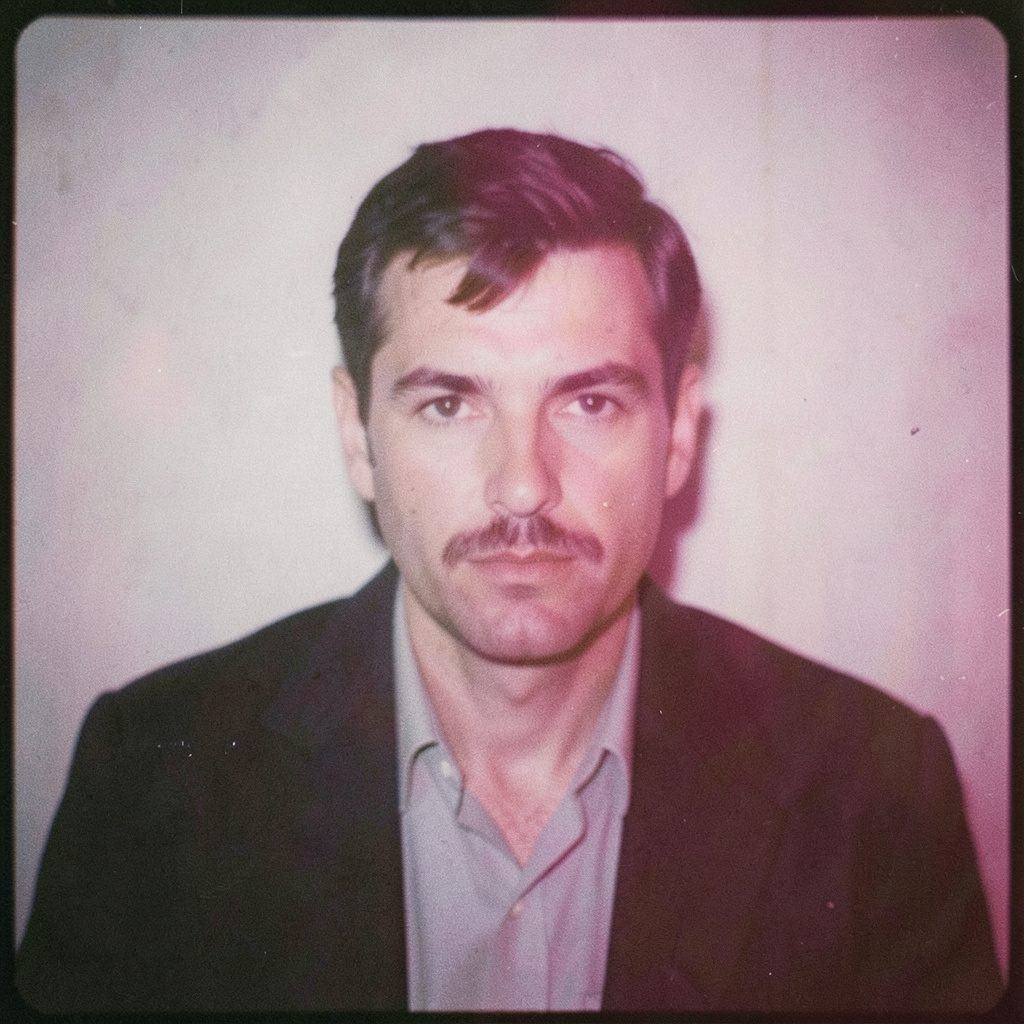
"Photography is not about the thing photographed. It is about how that thing looks photographed."
What I learned from my first solo exhibition
Standing alone in the gallery the morning of the private view, holding a coffee that had gone cold in my hand, I realised that I was about to do something I had talked about for nearly a decade. Every working photographer eventually circles back to the idea of a solo show. It is the cleanest way to present a body of work to a room full of strangers and let the work speak for itself, with no shared bill, no neighbouring photographer to lean on, and no thematic festival umbrella to gather curious passers-by. After years of group exhibitions, juried displays, and online features, I finally accepted the invitation I had been quietly postponing.
What follows is a personal account of the months around that first exhibition. It is written for fellow photographers considering the same leap, but also for anyone curious about what really happens between the announcement and the closing night. I have tried to be honest about the parts that surprised me, the parts that humbled me, and the practical lessons that only reveal themselves once you sign the venue contract.
The months before the doors opened
Planning a solo exhibition feels like producing a small film. Every choice about scale, framing, sequencing, and even lighting temperature has a downstream effect on how visitors eventually experience the space. I chose seventeen prints for the main wall, drawn from the conceptual series I had been refining over three years, plus a small companion room with five medium-format black-and-white pieces developed by hand in the darkroom. That ratio — a louder contemporary statement paired with quieter traditional work — felt right because it mirrored the way I actually shoot, switching fluidly between digital back and analogue film stock.
One of the earliest decisions involved budget. I sat down with a spreadsheet and costed everything in Australian dollars, which is not the currency I usually think in. Print runs at a Sydney lab, custom Victorian ash frames from a joiner in Marrickville, signage, promotional postcards, wine for the opening, and insurance together added up quickly. I had underestimated the smaller items — gummed archival tape, replacement bulbs for the picture lights, a spare matte-cutter blade — which is why I now tell every first-time exhibitor to keep a contingency line of at least fifteen per cent.
Australian gallery culture turned out to be more understated than I had expected, having shown previously only in central European venues. Visitors rarely gush at openings. They look, they nod, and many return a week later during their lunch break to see the work properly. This was reassuring. It meant I did not need to perform confidence, only put the photographs on the wall as honestly as I could.
Hanging, sequencing, lighting
The week of installation is where most solo shows either cohere or fall apart. I had drafted the hang on paper weeks in advance, but the moment I walked the empty white cube with a tape measure, every plan changed. A print that reads beautifully at eye level in the studio disappears when hung too high beneath industrial ceiling beams. A series that builds emotionally in digital contact sheets stalls when the same sequence is mounted flat along a single wall. Sequencing in a real room is a craft of its own, and one that no studio mock-up can fully replicate.
Lighting turned out to be the element I had spent the least time thinking about and the most time fixing. My gallery used a mix of track spots and adjustable wall washers. After two days of trial and error, swapping bulbs, and crawling along the floor to check raking light on each frame, I learnt that warm 3000K illumination flatters skin tones and film grain, while anything cooler pushed the analogue prints towards an unflattering clinical look. I also learnt to distrust my camera's white-balance preview entirely — the room behaves differently than any software simulation.
There is a quiet ritual in hanging work alone at the end of a long day. You stand back three metres, walk closer, take a phone snapshot, walk further away again, and ask yourself whether the photograph still says what you intended. By the third evening I had rearranged four pieces and completely removed one. The remaining sixteen hung with conviction. Cutting the weakest print was the single best curatorial decision I made during the whole process.
The night everything became real
Private views are strange events. The room fills with people you have never met, all sizing up the work while politely avoiding the artist who made it. I had prepared a short speech and tossed it after the first ten minutes. What actually happened was a series of long, slow conversations, mostly with people who had come for something else and lingered because one particular print caught their attention.
I watched visitors read the walls the way I had hoped they would — in sequences, not as isolated images. A couple in their sixties spent fifteen minutes in front of a triptych I had nearly cut for being "too quiet". A younger curator from a small Adelaide institution asked whether the work existed in any archival digital form for a regional travelling show she was curating in 2026. A local barista I had been trying to coax into a portrait for two years finally agreed to sit for me the following week, after admitting she had assumed the project was closed to outsiders. None of these conversations would have happened through social media alone.
What I had not anticipated was how much energy an opening drains. I hosted around ninety people over four hours, and by the time the last glass of pinot was poured I could barely speak. The advice I would give any photographer staging their own preview is to bring a trusted friend to handle logistics, keep a printed price list at the desk, and accept that fewer prints tend to sell on the night than the buzz might suggest. The real sales usually arrive quietly by email over the following month.
What the visitors taught me
The visitor book is one of the most useful documents I now keep from every project. Photographers are often encouraged to ignore feedback, and that is partly wise — strangers rarely understand the technical constraints behind a frame. But the cumulative weight of honest written impressions is hard to dismiss. Four recurring phrases appeared in my guest book: visitors described the work as "still", "honest", "unhurried", and "considered". I had not realised that those qualities were visible to anyone other than myself, and knowing they now resonate with strangers has reshaped how I approach commercial briefs as well.
Conversations also revealed unexpected gaps in how the project was being read. More than once, guests asked whether the conceptual series was a single ongoing undertaking or a closed chapter. They wanted to know what came next. That question, repeated by perhaps a dozen different visitors, persuaded me to keep the door visibly open to a continuation rather than to package the work as a final statement. A solo exhibition, I learnt, is not a tombstone. It is a waypoint.
There is also something worth noting about the Australian appetite for photography in regional centres. Festivals such as Head On in Sydney and the Ballarat International Foto Biennale pull audiences out of capital-city galleries and into regional ones. Several people at my show had travelled from regional New South Wales specifically to see photographic exhibitions during the autumn season. Their expectations were high but their generosity was palpable. They came ready to be moved, and they made the experience matter.
Returning to the studio afterwards
The fortnight after the show closed was unexpectedly quiet. The adrenaline that had carried me through the previous six months evaporated, and for the first time in years I did not have a deadline pulling me towards the next frame. Some photographers find this stillness disorienting; I found it restorative. I caught up on darkroom printing, reviewed contact sheets I had been ignoring, and finally repaired a Hasselblad back that had been sitting in pieces since the previous winter.
Returning to commissioned work felt different too. After living alongside a wall of my own images for several weeks, I came back to client briefs with a clearer sense of what kind of photographs I am genuinely committed to making. Briefs that asked for novelty for its own sake no longer appealed. Briefs that asked for restraint, for narrative, for a single sustained idea, felt like the natural continuation of the exhibition work rather than a distraction from it. The solo show, it turned out, recalibrated my commercial practice rather than interrupting it.
For any photographer weighing up their own first exhibition, the only piece of guidance I would genuinely offer is to begin the planning earlier than feels sensible. The rest will follow. A look through my portfolio gives a fuller sense of the bodies of work this article draws on, and I am always glad to hear from anyone sitting on a project that might one day deserve its own wall.
Selected Series
A cross-section of commissioned and personal projects spanning fine art, commercial, and conceptual work.
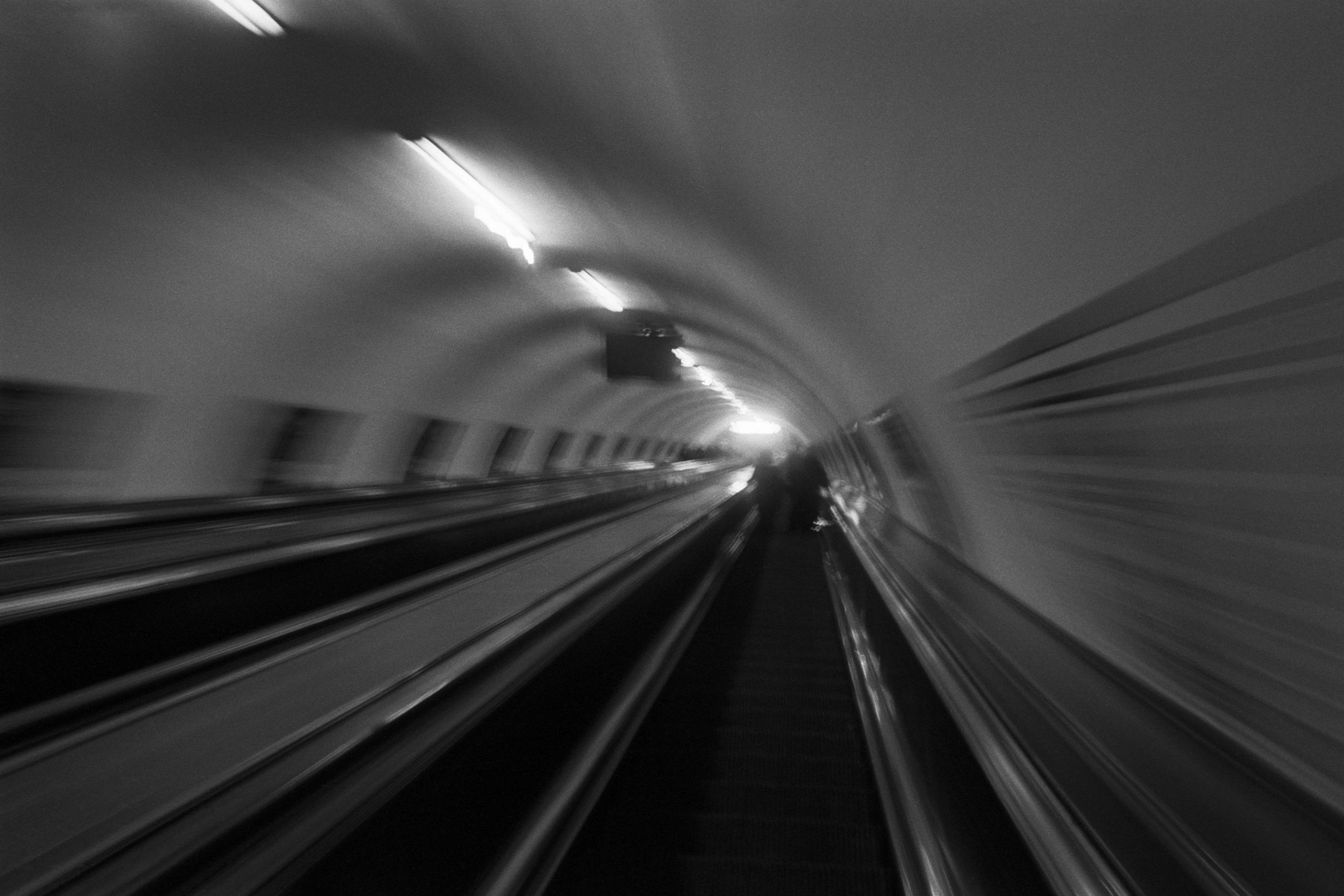
The Wall
2015Winner of the 1st prize & Golden Glass Award at the 11th Photographic Open Championship Olsztyn, and 1st place with the Special Prize of FORMAT magazine at the 3rd Biennial of Art in Piotrków Trybunalski.
View Series →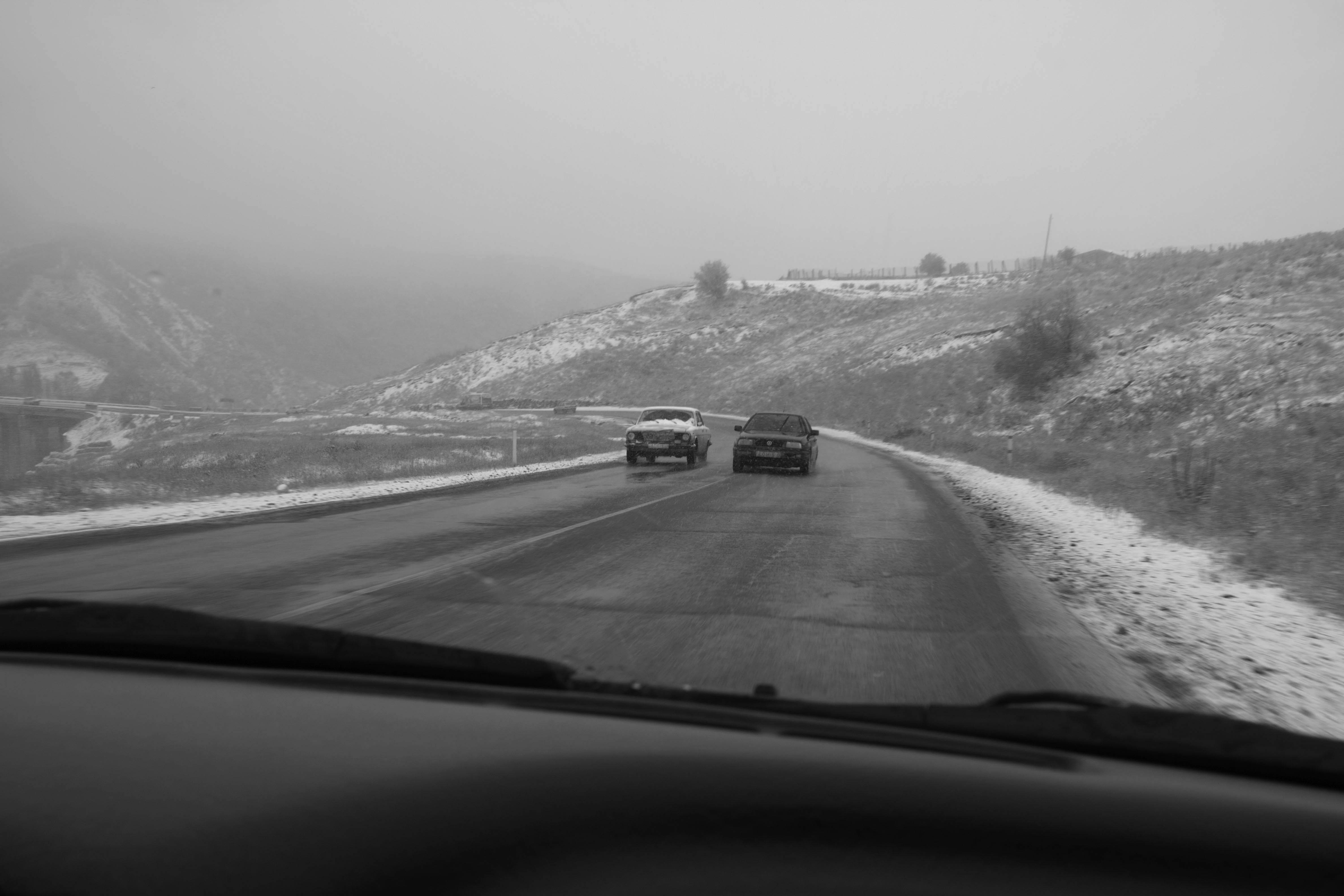
An Engagement Ring
2011A narrative series set in Wrocław in August 2011. Awarded 2nd prize & Silver Glass at the 10th Photographic Open Championship Olsztyn in 2014.
View Series →
Heat Wave
2014A documentary series recording spontaneous events across August and September 2014, capturing the raw energy of a city under the grip of summer.
View Series →