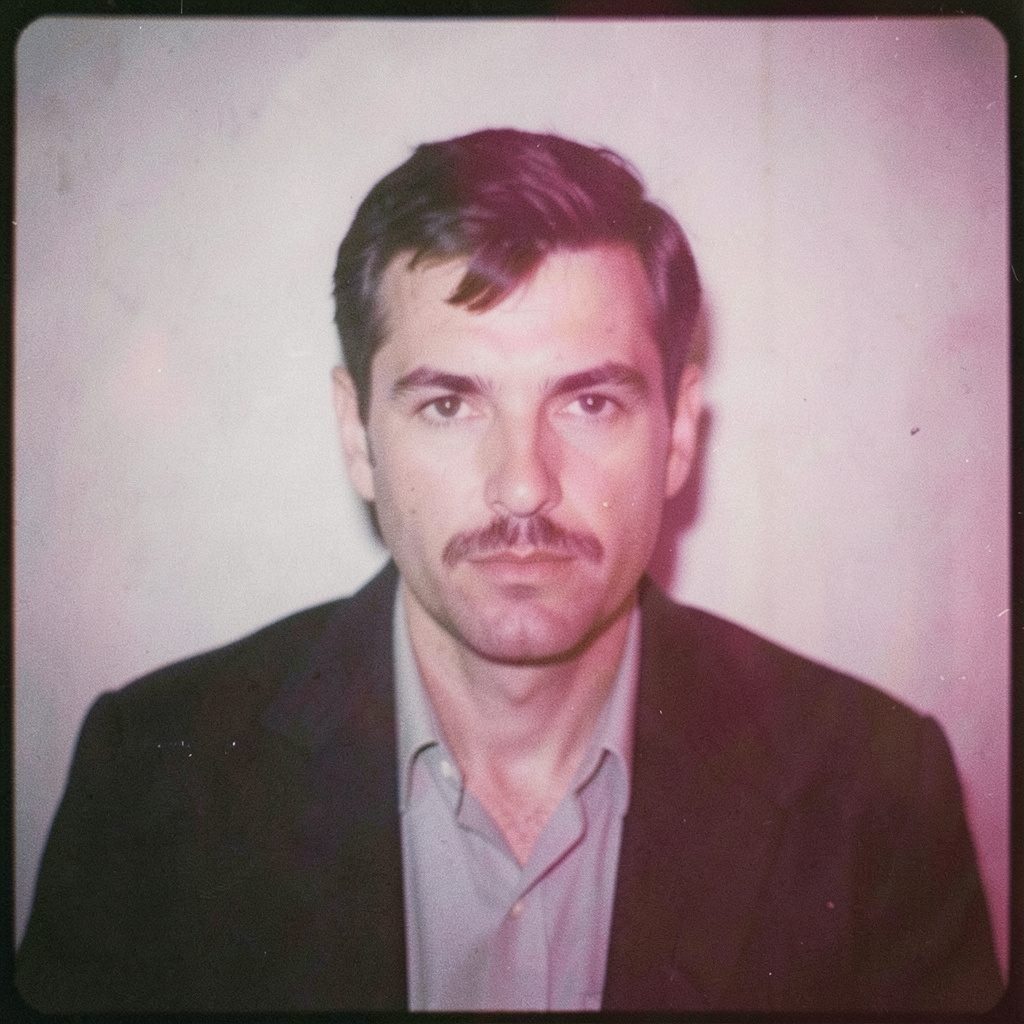
"Photography is not about the thing photographed. It is about how that thing looks photographed."
Lessons from studying the work of Irving Penn
Photography becomes more interesting when a frame contains fewer distractions and more decisions. Irving Penn’s portraits, fashion pictures, and street photographs taught me to look for that balance. I am an award-winning photographer based in Wrocław, Poland, working across fine art and commercial photography, including business portraits, fashion, events, and conceptual series. His influence reaches every part of that practice. Copying his look was never the aim; understanding the decisions underneath it was.
Penn moved easily between editorial assignments, studio portraits, and tightly observed street scenes. He could place a model against a plain wall, hold a conversation, and make an image feel formal without making it stiff. I was struck by the economy of his choices: the backdrop, the angle, the light, and the crop. Each had a job. Studying those choices helped me understand that visual restraint can carry more character than a crowded composition.
The most useful lesson arrived gradually. I stopped judging a picture by its first impression and began examining its visual rhythm: the distance between camera and subject, the weight of a shadow, and the small pause before a gesture. That habit changed how I prepare a commission, choose a lens, edit a sequence, and make a print. It also raised the standard for commercial photography, where the subject’s presence should matter more than a fashionable effect.
Seeing before composing
Looking was the first discipline I borrowed from Penn. In his Route 66 photographs, roadside buildings, vehicles, and people are not simply scenic material; they form a measured pattern of shape and pause. I began treating a location as a set of relationships instead of a backdrop to fill. Before raising the camera, I look for merging lines, competing colours, empty areas, and the scale of the person against the architecture.
The medium he favoured sharpened that habit. Penn often used a Rolleiflex twin-lens reflex camera, producing square images on medium-format film and avoiding the exaggerated perspective of a very wide lens. In fashion sessions he sometimes held the camera high, allowing the garment to remain legible while reducing distortion. The square frame demanded decisions on all four sides, so nothing could hide outside the picture. I adopted that measure of responsibility, even when a client asks for a vertical crop.
Penn’s background in painting, early photojournalism, and engagement with the work of Man Ray also mattered to me. He approached photography with an understanding of proportion, surface, and the tension between flat design and three-dimensional form. His still lifes of food and everyday objects, gathered in the series Worlds in a Small Room, reveal how little needs to happen in a frame. In my own fine art and conceptual work, I now ask whether a quieter image might hold attention longer than an obviously dramatic one. That question often removes the first idea and leaves a better one.
Light, distance, and visual restraint
Light became the second major lesson. Penn used natural light and carefully controlled studio illumination with an economy that keeps the viewer aware of the subject. A single window, a plain wall, or one directional source can model a face and clothing without turning the portrait into a display of equipment. I have carried this into sessions for clients who initially want several lights and elaborate backgrounds. Often one source, a simple tonal field, and a slight change of position produce a stronger result.
In monochrome work, Penn’s tonal range taught me to respect the shadows rather than erase them. Dense blacks can anchor a composition, while a sequence of greys gives a face time to emerge. His dye-transfer prints make that range especially vivid, yet the technique is only a means of preserving the photograph’s structure. I use black-and-white film and darkroom principles selectively; colour remains valuable when the hue carries meaning. Converting every frame to monochrome simply because it looks fashionable would repeat the mistake of applying a style without understanding its purpose.
I also found Max Goh’s photography helpful as a point of comparison during this study. The two bodies of work come from different contexts, yet both remind me that a controlled setting need not erase personality. Looking across photographers’ portfolios has encouraged me to ask more precise questions of my own images: Where does the arrangement end and the person’s presence begin? The answer changes each portrait.
The crop and the psychology of a portrait
The crop is where Penn’s quiet confidence becomes most obvious. A full-length fashion frame can make clothing and posture the subject; a frame ending near the ankles can reduce a person to a shape. Between those extremes, the photographer chooses how much room the body should keep. Negative space becomes a psychological distance. I now compare wide and tight frames during every session, because moving closer can increase authority or vulnerability, and neither effect should be accidental.
His portraits of artists, writers, and other public figures avoid the trap of treating seriousness as a fixed facial expression. Penn often kept the gaze steady, the posture composed, and the clothing sharply observed while allowing small signs of character to remain. This encouraged me to direct with conversation rather than a catalogue of poses. In Wrocław, a client may arrive with a rigid idea of how an executive should look. I give that person a role, a task, or a subject to consider, then wait for the moment when the professional presence becomes naturally alert.
For Australian commissions, the same approach suits a culture that often values someone who appears both capable and approachable. I might photograph an architect in Sydney with plans on the table, or a Melbourne tradesperson beside carefully arranged tools, rather than relying on an interchangeable office. The surrounding objects create an environmental portrait and provide evidence of the work. Protective clothing and site safety stay in the picture when they belong there; removing them would be as artificial as inventing a formal suit for a craftsperson.
Adapting Penn’s lessons to Australian work
Adapting Penn’s discipline to Australia begins with the local market. Sydney and Melbourne both have established communities of fashion, events, and portrait photographers, including many small studios competing on craft and service rather than volume. A fashion commission may connect a designer in Surry Hills with a stylist working across inner Melbourne, so digital files need to survive local teamwork and interstate handoffs. Clients often arrive with a style guide, a deadline, and a request for images that work across social media, print, and internal communications. Clear discussion of cropping, retouching, delivery time, and usage rights has become as important as the visual approach.
The light is different from the light I know in Poland. Melbourne’s cloud can replace hard sunshine with soft diffusion within minutes, while Perth’s summer sun creates severe contrast between sunlit and shaded areas. During outdoor sessions I plan for both conditions, protect the camera and film from heat, and keep sunscreen, water, and shade available for the crew. Strong Australian sunlight also makes small technical errors visible. I test exposure on skin and fabric, then check the digital preview before committing to a longer portrait or fashion sequence.
Australian everyday life provides its own subjects: busy markets, suburban backyards, AFL crowds, coastal walks, and informal family celebrations. Penn’s street work reminds me to notice the exchange between people and their surroundings instead of photographing either in isolation. At public events, I still discuss photography with the organisers and follow venue rules. For commercial images centred on an identifiable guest, I use a model release and explain where the pictures may appear. Public access does not make every photograph automatically suitable for advertising.
Privacy and copyright require equally plain language in Australian projects. When a client is covered by the Privacy Act 1988 and the Australian Privacy Principles, I align the collection, storage, and deletion of personal information with their requirements. Photography can also engage privacy, publicity, and contractual restrictions, so consent should cover the actual use rather than merely say “photography permitted”. The Copyright Act 1968 generally leaves copyright in a photograph with its author unless an agreement assigns it; my commissions therefore specify whether I retain copyright or assign it, the permitted uses, and any extra fees for extended campaigns. Sponsor logos, private property, and reproduced artwork may carry separate restrictions. Good contracts protect the photographer and the client without draining the picture of humanity.
A disciplined practice built on observation
My workflow now combines analogue attention with digital control. For a fine art series, I may work on medium-format black-and-white film, develop it conventionally, and make a careful print in the darkroom. For a time-sensitive event or business portrait session, I can capture digitally while keeping the same deliberate approach to light and gesture. Film and digital images are edited as sequences, not isolated winners. A contact sheet, tethering screen, or side-by-side monitor helps me judge consistency across a sitting, a fashion story, or an evening of speeches and movement.
During a portrait or fashion session, my composition checks are:
- I clear the frame of accidental objects, then watch for lines that pull attention away from the face or garment.
- I compare a full-length view with a tighter crop, because proximity changes a subject’s authority and vulnerability.
- I wait for a change in expression or balance instead of treating the first arranged pose as the finished photograph.
Before delivery, my production sequence is:
- I scan film with care for dust and density, treating the digital file as a faithful working copy rather than an aggressively processed substitute.
- I check skin tone, shadow detail, and highlight recovery in colour before committing to a monochrome conversion.
- I retain the unretouched frame, document the agreed retouching, and define cropping, licensing, and delivery terms with the client.
Those checks are simple enough to remember under pressure. They also keep a commercial session from drifting towards generic corporate imagery: the face remains the centre, but the surroundings can carry information about how the person works and what they value. For me, the lasting lesson from Penn’s photographs is that attention is a form of respect. Composition, tonal range, and crop become more precise when the photographer is genuinely interested in the person or object before the lens. That is the standard I bring to my studio work in Wrocław and to commissions across Australia: make the image exact, but keep it alive.
Selected Series
A cross-section of commissioned and personal projects spanning fine art, commercial, and conceptual work.
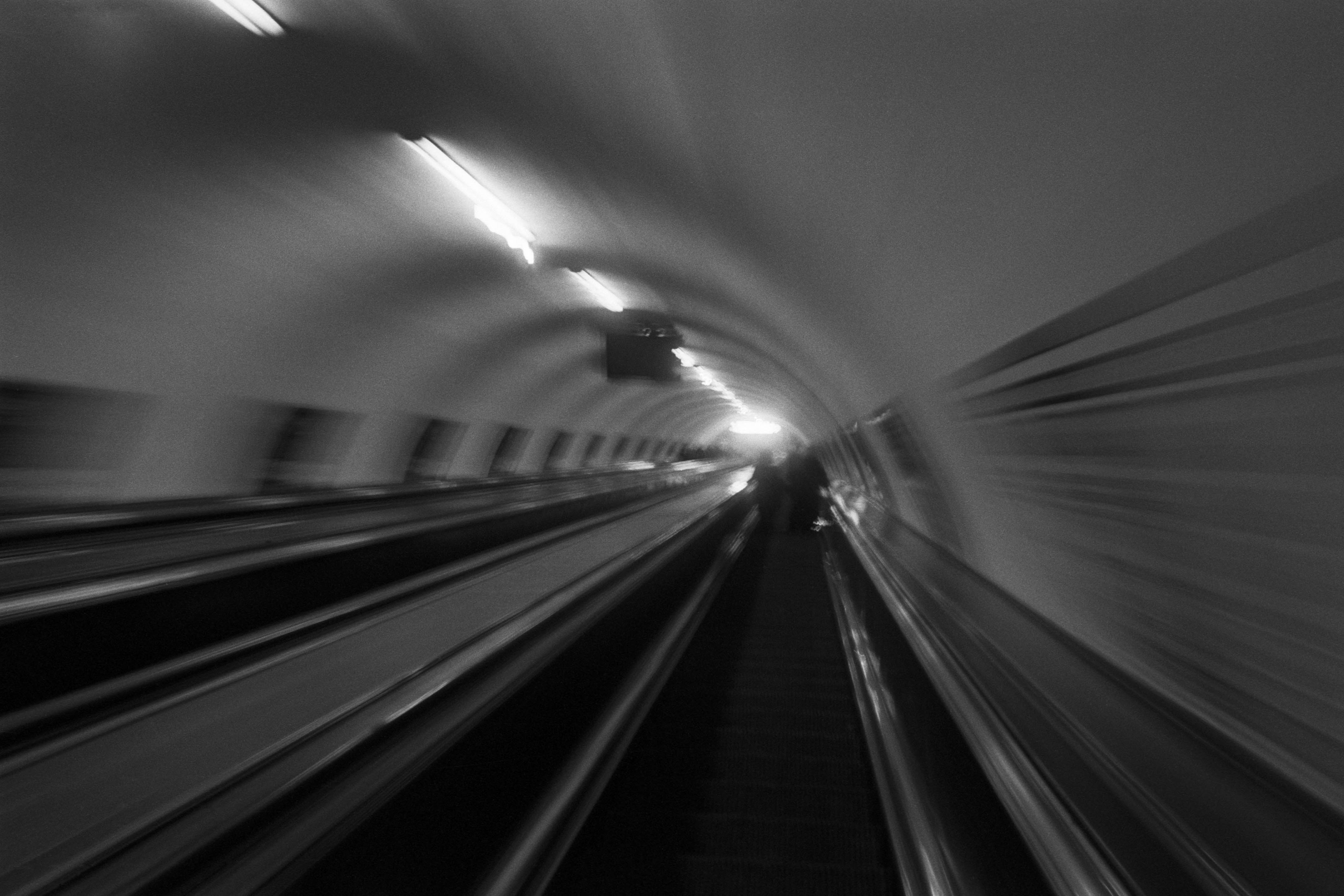
The Wall
2015Winner of the 1st prize & Golden Glass Award at the 11th Photographic Open Championship Olsztyn, and 1st place with the Special Prize of FORMAT magazine at the 3rd Biennial of Art in Piotrków Trybunalski.
View Series →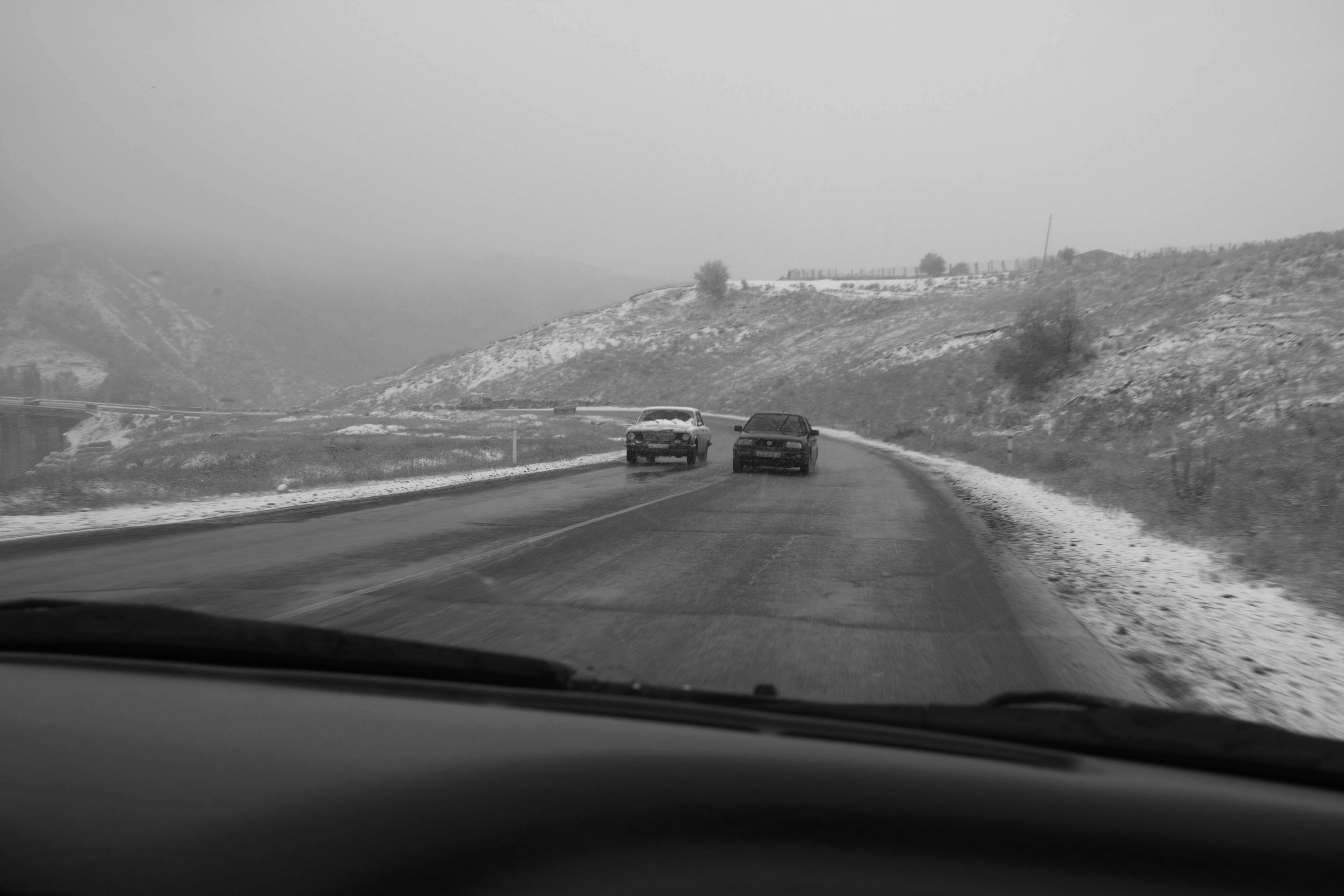
An Engagement Ring
2011A narrative series set in Wrocław in August 2011. Awarded 2nd prize & Silver Glass at the 10th Photographic Open Championship Olsztyn in 2014.
View Series →
Heat Wave
2014A documentary series recording spontaneous events across August and September 2014, capturing the raw energy of a city under the grip of summer.
View Series →