"Photography is not about the thing photographed. It is about how that thing looks photographed."
What Gives a Portrait Lasting Visual Power
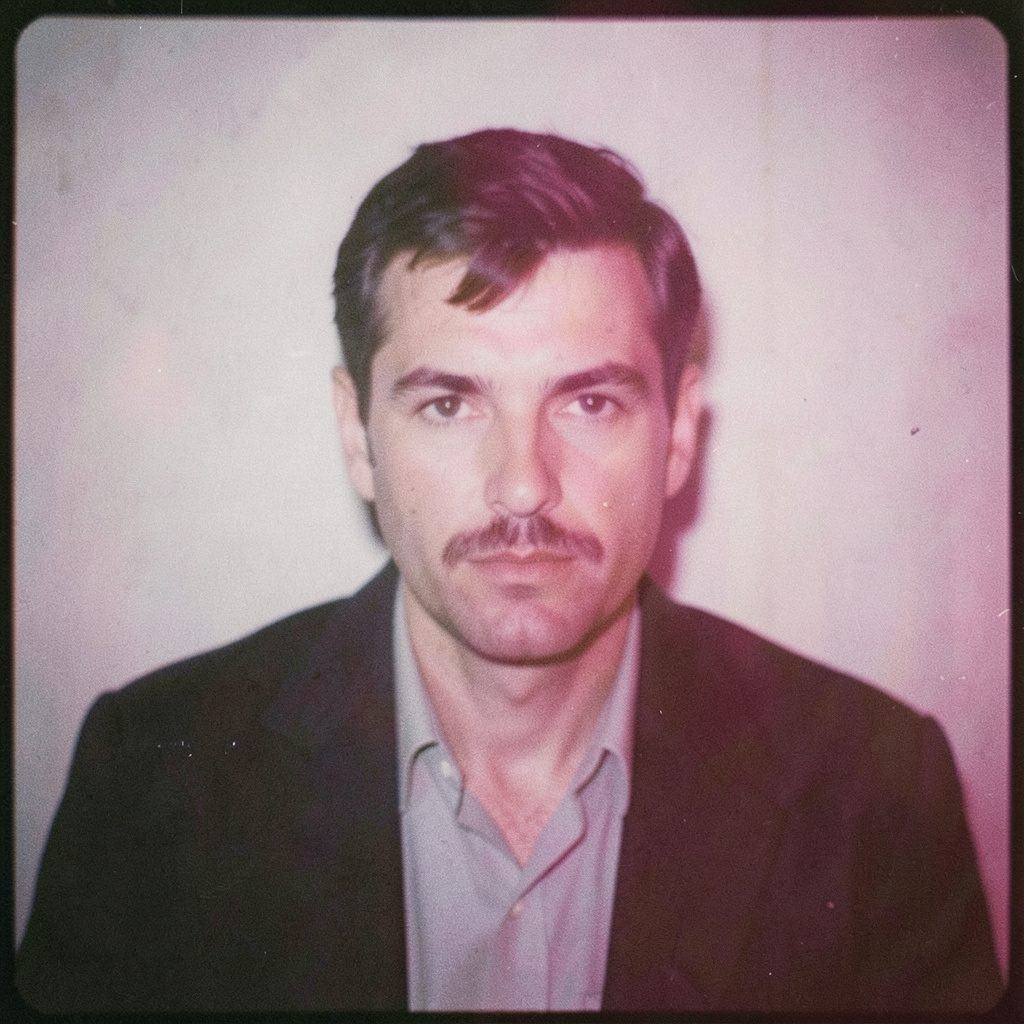
A timeless portrait does more than record a face at a particular age or place. It preserves a mood, a relationship and a sense of character that can still feel immediate years after the photograph was made. Trends may change, cameras may become more advanced and fashions may move on, yet a compelling portrait remains recognisable because it is grounded in something human.
The most enduring images are shaped by thoughtful observation rather than decoration alone. Light, expression, composition, clothing and technical choices all matter, but they serve a deeper purpose: revealing the person in front of the lens. Whether created as fine art, a business portrait, a fashion image or part of a conceptual photographic series, a lasting portrait balances clarity with mystery.
Character carries the image
A portrait becomes memorable when it communicates more than appearance. The viewer senses an attitude, a private thought or a particular way of occupying space. This does not require a dramatic pose or an exaggerated expression. Often, a quiet gaze, relaxed hands or a slight shift in posture can say more than a carefully performed smile.
The photographer’s role is to create conditions in which that character can surface. Conversation, patience and precise direction help a subject move beyond a public persona. This is especially important in professional photography, where people may arrive expecting to perform confidence. A strong business portrait can communicate authority without becoming rigid, approachable without looking casual and intelligence without relying on familiar visual clichés.
Timelessness often comes from this emotional honesty. A portrait that reflects a genuine presence is less dependent on current styling and more capable of holding attention over time. The image remains alive because the person does.
Light shapes memory
Light is one of the clearest distinctions between a fashionable portrait and an enduring one. Dramatic lighting effects can attract attention, but a considered approach gives the face structure, atmosphere and emotional weight. Soft window light, controlled studio illumination or directional natural light can each be timeless when used with intention.
Classic portrait lighting does not mean every image must look old-fashioned. It means that highlights, shadows and tonal transitions support the subject instead of overpowering them. A face should retain its individuality: the contours around the eyes, the shape of the mouth and the texture of the skin should not disappear beneath excessive retouching or artificial effects.
Place also influences the quality of light. The low, bright sun around Sydney can produce crisp contrast, while Melbourne’s changing weather often offers subtle, diffused conditions. In Brisbane, heat and humidity can affect both the comfort of the subject and the pace of a shoot. Working with these realities, rather than forcing every location into the same visual formula, allows the environment to become part of the portrait’s character.
Expression needs room to breathe
A portrait does not have to explain everything. Some of the most successful images leave space for interpretation, allowing viewers to wonder what happened immediately before or after the exposure. A restrained expression can be more enduring than a theatrical one because it does not dictate a single reading.
This quality depends on timing. The photographer must recognise the moment when the subject’s expression feels natural, whether that moment lasts a fraction of a second or develops slowly during the session. Repeatedly asking for the same smile can flatten the interaction, while careful observation can reveal subtle changes in attention, confidence and mood.
Silence can be useful during a portrait session. Direction remains important, particularly for people who are uncomfortable in front of a camera, but constant instruction may produce tension. A pause can allow the subject to settle into their own presence. The resulting image often feels less like a performance and more like an encounter.
Composition outlasts visual trends
Composition gives a portrait its internal order. The placement of the head, the relationship between figure and background, the use of negative space and the direction of the gaze all affect how an image is read. Strong composition can make a simple setting feel purposeful and can prevent visual distractions from competing with the subject.
Timeless composition usually has a clear hierarchy. The viewer knows where to look, yet the frame still offers details to discover. A plain wall, a doorway, a chair or a landscape can provide enough context without turning the portrait into a literal explanation of someone’s occupation or identity. The setting should support the person rather than become a prop list.
Cropping also influences longevity. Extremely fashionable aspect ratios or aggressive framing may date an image, while balanced proportions tend to remain adaptable across print, editorial and digital formats. A portrait intended for an Australian annual report, a gallery print or a LinkedIn profile may need different crops, but the underlying composition should retain its strength in each use.
Clothing and context should serve identity
Wardrobe can establish period, profession and personality, yet clothing should not become the only story. A timeless portrait is rarely built around a fleeting logo, an exaggerated trend or styling that overwhelms the individual. Texture, silhouette and colour usually offer more lasting value than conspicuous fashion references.
This does not mean a portrait must be conservative. Fashion photography often depends on bold creative choices, and conceptual work may deliberately use costume, art direction and visual symbolism. The distinction lies in whether these elements are purposeful. When styling expresses an idea or reveals something about the subject, it gains depth. When it is included only because it is currently popular, the image can age quickly.
Context also matters in commercial portraiture. An architect may be photographed within a considered built environment, a chef in a working kitchen and an artist among materials that carry personal meaning. The strongest environmental portraits avoid obvious staging. They show a relationship between the person and their world, giving the image relevance without reducing the subject to a job title.
Craft creates a deeper sense of time
Traditional photographic methods can contribute a distinctive emotional quality. Medium-format film offers a particular relationship between detail, depth and tonal gradation, while black-and-white photography draws attention towards form, gesture and light. Analogue processes can introduce subtle variations that feel tangible, especially when the final image is printed rather than viewed only on a screen.
Darkroom principles also influence digital work. Careful exposure, disciplined contrast and respect for skin tones are relevant regardless of the capture method. Digital tools are valuable when they support the image’s intention, but excessive smoothing, artificial sharpness and cosmetic alteration can remove the qualities that make a face recognisable.
A hybrid workflow can therefore be highly effective. Film may be selected for its texture and deliberateness, while digital capture may offer flexibility for a commercial campaign or a fast-moving event. Scanning, colour management and retouching then become part of a considered process rather than an attempt to disguise the original photograph. The finished portrait should feel coherent, whether it is printed in a gallery edition or delivered for a professional brand.
A portrait must belong to its subject
A successful portrait reflects the person’s reality rather than imposing a generic idea of attractiveness or authority. This is particularly significant in business photography, where clients need images that feel credible across websites, media profiles, speaking engagements and internal communications. An executive portrait in Sydney, a creative profile in Melbourne or a team photograph for a Perth company should communicate the organisation’s culture without making every person look interchangeable.
The Australian market also values versatility. A single session may need to produce a formal headshot, an environmental portrait and more relaxed images for social media or editorial use. Planning the session around these purposes allows the photographer to maintain a consistent visual language while giving the client a useful range of photographs. Consistency is especially important for a national brand with teams in multiple cities.
Cultural awareness is part of that responsibility. Australia is a diverse country with distinct communities, histories and visual expectations. Photographs should be made through clear communication, appropriate consent and respect for personal and cultural boundaries. Authenticity is not created by adding superficial symbols; it develops through trust and an accurate understanding of the subject.
A portrait gains longevity when it can function in several contexts without losing its emotional centre. It should look considered on a printed invitation, natural on a website and convincing in a professional publication. That adaptability comes from a strong relationship between photographer and subject, not from generic styling.
Choices that help a portrait endure
A lasting portrait is built through many small decisions. Before a session, the photographer can consider the subject’s purpose, preferred level of direction, likely applications and relationship to the chosen location. During the shoot, observation and flexibility matter more than forcing a predetermined result.
Useful principles include:
- Prioritise genuine character over a polished but impersonal pose.
- Use light to describe the subject clearly, with shadows that add depth rather than concealment.
- Choose clothing, props and locations for their relevance to the person, not their temporary popularity.
- Leave room for natural pauses, subtle expressions and changes in posture.
- Retouch with restraint so that the final image remains recognisably human.
The final selection should also be judged with time in mind. Ask whether the image depends on a passing visual effect, or whether its meaning comes from the subject’s presence. Consider how it will look as a large print, a website image, a monochrome reproduction and a small mobile thumbnail. A truly enduring portrait can change scale and setting without losing its core.
For a photographer working across fine art, commercial commissions, fashion and events, this standard creates a useful connection between disciplines. A business portrait can possess the sensitivity of a gallery image, while a conceptual series can retain the clarity needed for communication. The result is photography that feels rooted in its moment yet remains open to future viewers.
Selected Series
A cross-section of commissioned and personal projects spanning fine art, commercial, and conceptual work.
The Wall
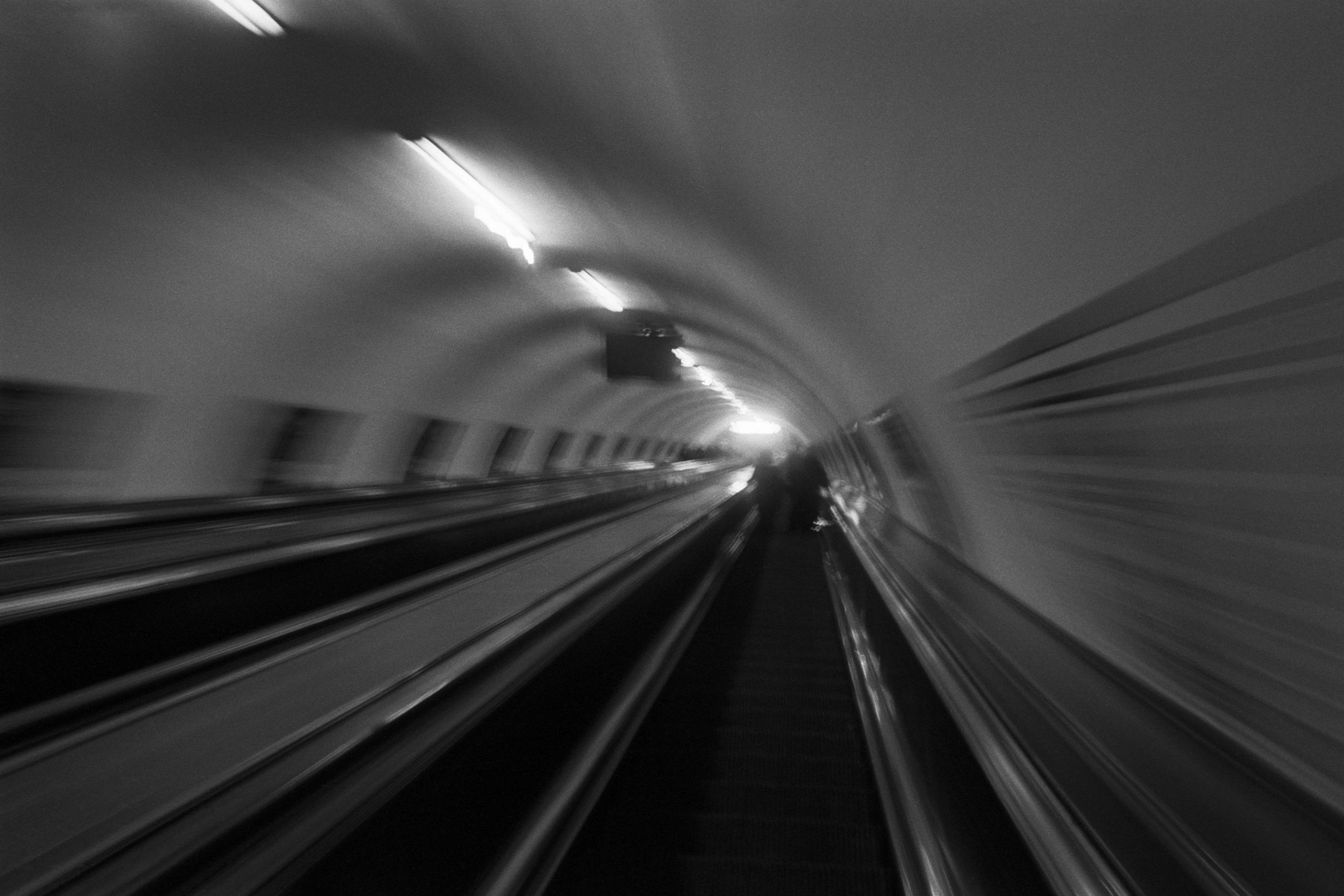
2015Winner of the 1st prize & Golden Glass Award at the 11th Photographic Open Championship Olsztyn, and 1st place with the Special Prize of FORMAT magazine at the 3rd Biennial of Art in Piotrków Trybunalski.
View Series →
An Engagement Ring
2011A narrative series set in Wrocław in August 2011. Awarded 2nd prize & Silver Glass at the 10th Photographic Open Championship Olsztyn in 2014.
View Series →
Heat Wave
2014A documentary series recording spontaneous events across August and September 2014, capturing the raw energy of a city under the grip of summer.
View Series →