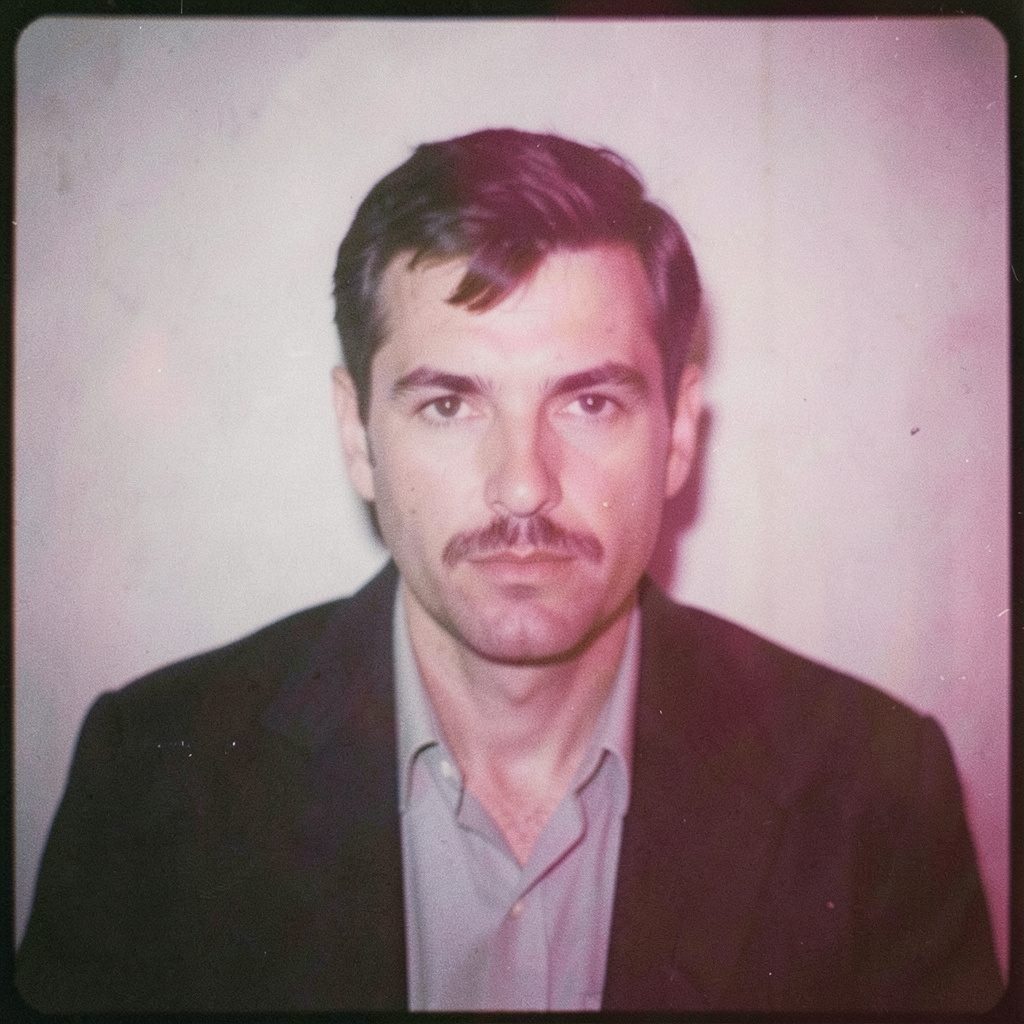
"Photography is not about the thing photographed. It is about how that thing looks photographed."
What Your Camera Bag Says About Your Photography Style
A camera bag is more than a container for equipment. It is a working map of priorities: what a photographer carries, what they leave behind and how quickly they need to move. Two people can own identical cameras yet make entirely different pictures. One may chase passing expressions; another may construct a large-format view and wait for an exact alignment of light.
My practice sits between traditional analogue methods and digital production. Medium-format film, black-and-white emulsion and darkroom printing shape my fine-art work, while commercial commissions demand the precision and flexibility of a modern workflow. Carrying both worlds is not a contradiction. The kit holds different answers to the same creative question: how should this photograph be made, and what should a viewer feel when they encounter it?
That question becomes especially visible in Australia. In Sydney, a photographer can move from hard coastal sunlight to the softer shade of a sandstone colonnade within a morning. Melbourne offers another rhythm, with shifting light across laneways, brick facades and street art. Local briefs often ask for images that feel genuine and approachable rather than overly polished. All of this asks something practical of a camera bag: it must support observation, conversation and adaptation, not merely collect specifications.
The way a photographer packs reveals more about their photographic style than a list of camera models. Style develops through repeated decisions about light, gesture, composition and restraint. It also grows from the kind of work they accept and the conditions they choose to work in. The clues are there, although they are never the whole story. The gear’s cost tells little; its effect on the possible pictures tells much.
The Bag As A Visual Fingerprint
The first clue is selection. A single body and prime lens suggest an emphasis on consistency; a body with several zooms suggests speed and framing flexibility. Filters, a light meter or a colour chart reveal another layer of intent. Organisation matters too. A photographer who reaches for a spare battery without searching has already built a rhythm around the camera, and that rhythm often appears in the finished frame.
Brand names are the weakest evidence. A prestigious camera does not automatically produce thoughtful work, and a modest setup can support a precise artistic language. More revealing is what a photographer refuses to carry. A heavy flash rig may point towards controlled studio production. A tiny tripod and one lens can indicate a preference for available light and unpredictable scenes. Equipment begins to resemble a set of editing decisions before the shutter is pressed.
In my working bag, there is a place for a medium-format body, a digital body, a carefully chosen set of lenses and a small collection of tools for light and film. That sounds comprehensive, yet the real constraint is often time. I choose the combination that lets me remain present without making the photograph feel like an equipment demonstration. Everything extra must earn its place by helping the subject, the story or the final print.
Weight, Patience And Minimum Equipment
Weight changes the pace of a shoot. A substantial camera slows the body down, which can be useful on a street, in a quiet studio or during a long portrait session. In Wrocław, I often work around courtyards, old stone and narrow streets. Those spaces reward a slower approach. I can compose deliberately, notice how someone shifts their weight and let a gesture develop rather than interrupting it with repeated adjustments.
That logic becomes more practical in Australia. Sydney’s humidity and salt-laden coastal air are hard on equipment, while Melbourne’s rapidly changing skies make weather planning unreliable. A smaller kit is easier to protect and less tiring to carry between locations. I also separate what is needed to make the image from what merely provides comfort. One dependable lens, one light modifier and a working backup may serve a brief better than a van full of unused possibilities.
The same bag must survive a long day in the heat. Canvas has a different character from padded technical fabric, and a closed compartment may protect a lens better than an open pocket. These are unglamorous choices, but they reveal a practical instinct. A photographer who protects equipment carefully is often similarly attentive to continuity of tone, colour and detail across a series. The photograph is planned as a body of work, not isolated images.
Film Choices And The Texture Of Light
Film encourages decisions that cannot be undone. With black-and-white emulsion, I pay closer attention to the relationship between highlights and shadows, skin against background, and the shape of an empty area. Grain is not decoration added afterwards; it belongs to the chemistry and the exposure. A frame may feel raw on the scanning screen, yet the darkroom print can hold a deeper tonal structure than the initial file suggests.
Medium format offers both precision and useful friction. Its slower workflow changes how people behave during a session. The subject has more time to settle, and I have fewer opportunities to compensate through excessive volume. Digital tools remove that friction when a commercial deadline requires speed, so I use them without apology. The important distinction is not analogue purity. It is knowing why a particular process serves a particular image.
Australian light makes this distinction particularly clear. Sydney’s strong midday sun can cut hard shadows across a face and bleach pale fabrics. Melbourne’s low winter light can be beautiful but brief, with cloud moving across a facade in minutes. Rather than treating those conditions as faults, I adjust my position, the direction of the light and the exposure. A bag full of technical options cannot replace that attention, but it gives the attention somewhere to go.
Portraits, Presence And Human Distance
For portraits, focal length changes the relationship between photographer and subject. A wide lens includes context and can make a person feel surrounded by the business; a longer lens compresses the background and can create a more formal presence. The choice reveals what the photographer believes is important: environment, authority, intimacy or movement. My preference is usually a normal or short telephoto perspective, close enough to notice hesitation and confident enough not to crowd the frame.
That preference also shapes the bag. I favour a reflector that can be moved quickly and a light with soft, directional quality rather than a large collection of complicated modifiers. Australian business clients often use direct words such as relaxed, clean and real. Those terms deserve careful interpretation. Relaxed does not mean careless, and real does not mean untouched. A useful portrait can be polished while preserving the small signs of character that make a person recognisable.
Commercial portraiture also demands a different kind of awareness. The photographer is working with someone who may need the image for a conference profile, a company website or a professional directory. The result should feel credible, not theatrical. Having fewer pieces of equipment in the room reduces the sense of performance. It leaves attention available for the person: how they arrive, what makes them laugh, and the moment when guarded confidence becomes genuine presence.
Fashion, Space And Visual Restraint
Fashion offers a different test of restraint. The camera bag needs to support clothing, movement and shape without turning every frame into a catalogue record. A single normal lens is often enough for a coherent editorial story; a wider lens may be necessary when architecture carries as much weight as the garment. A long lens can make a moving figure feel separate from the street. The technical choice is also a statement about where the story lives.
Melbourne’s laneways near Hosier Lane and around the central business district provide a useful example. Brick, painted walls, metal stairs and shifting patches of sky create changing backdrops without a set. Sydney’s coastal architecture offers harder edges and brighter reflections. I prefer to work with those conditions rather than hide them. In fashion, an environment that feels specific gives an image more memory than a generic studio background, even when the clothes remain the formal focus.
A restrained kit makes those walks possible. I can move with a model, adjust for a passing cloud and catch the way fabric settles after a turn. Larger lights remain useful when the brief requires a precise finish, but they also define the boundaries of the session. The camera bag tells me whether I am prepared to improvise or to construct. Good fashion photography can do both, provided the equipment supports the idea rather than announcing itself.
Events, Movement And Reliable Equipment
Events reward preparation because nothing can be controlled for long. I need quick access to bodies, cards and batteries, as well as a lens that can move from wide environmental coverage to a closer portrait without slowing the rhythm. Silent operation or a quiet shutter can matter in a room full of speeches. Digital bodies are usually the practical choice, with a second body providing redundancy. Reliability is more valuable than an impressive specification when a keynote begins and the best frame will not wait.
The Australian event market spans corporate functions, hospitality openings, launches and celebrations, each with its own visual expectations. Briefs may call for energy, authenticity or a polished record of the room. When a planner describes a live, documentary feel, that usually means honest reactions and movement rather than stiff group poses. A good bag supports both moods. It contains enough range to react, but not so much that changing settings becomes the work.
There is a practical reason to keep event equipment separate from the fine-art kit. One is built for contingency, continuous shooting and rapid delivery; the other may be built around deliberate exposures and physical prints. I do not ask them to behave as the same kind of camera. The common thread is judgement: knowing which tool suits the situation, then making the photograph before the moment disappears. Preparation appears in the final images as calm rather than clutter.
From Equipment To An Honest Practice
The most informative part of any camera bag may be what it leaves out. It shows that a photographer has made decisions about limits. A bag designed around black-and-white series may include only one camera and a meter. A commercial kit may hold several bodies, fast lenses and two ways of shaping light. An editorial bag may be almost empty except for a camera, a lens and a notebook. Each arrangement answers the same underlying question with a different voice.
My own approach grew from black-and-white film and darkroom habits, but those foundations sit comfortably within digital commissions. I use the discipline of exposure and sequencing in commercial portrait work, then bring the same attention to the moment a client walks into the room. In the Australian market, where clear communication and natural results are often prized, this combination can be surprisingly useful. The technical method changes; the need for an honest response to the person or place does not.
That voice becomes more distinct across Australian light and local expectations. A photographer working in Adelaide’s broad streets, Melbourne’s laneways, Sydney’s coastal light or Perth’s low afternoon sun develops a visual vocabulary shaped by climate, architecture and the people encountered there. In Wrocław, I bring the habits of a city with cobbled streets, deep shadows and an architectural history that rewards close observation. Working between such places teaches me to treat equipment as a means of attention. The bag carries tools, but the photographs reveal the character of the person making them.
Selected Series
A cross-section of commissioned and personal projects spanning fine art, commercial, and conceptual work.
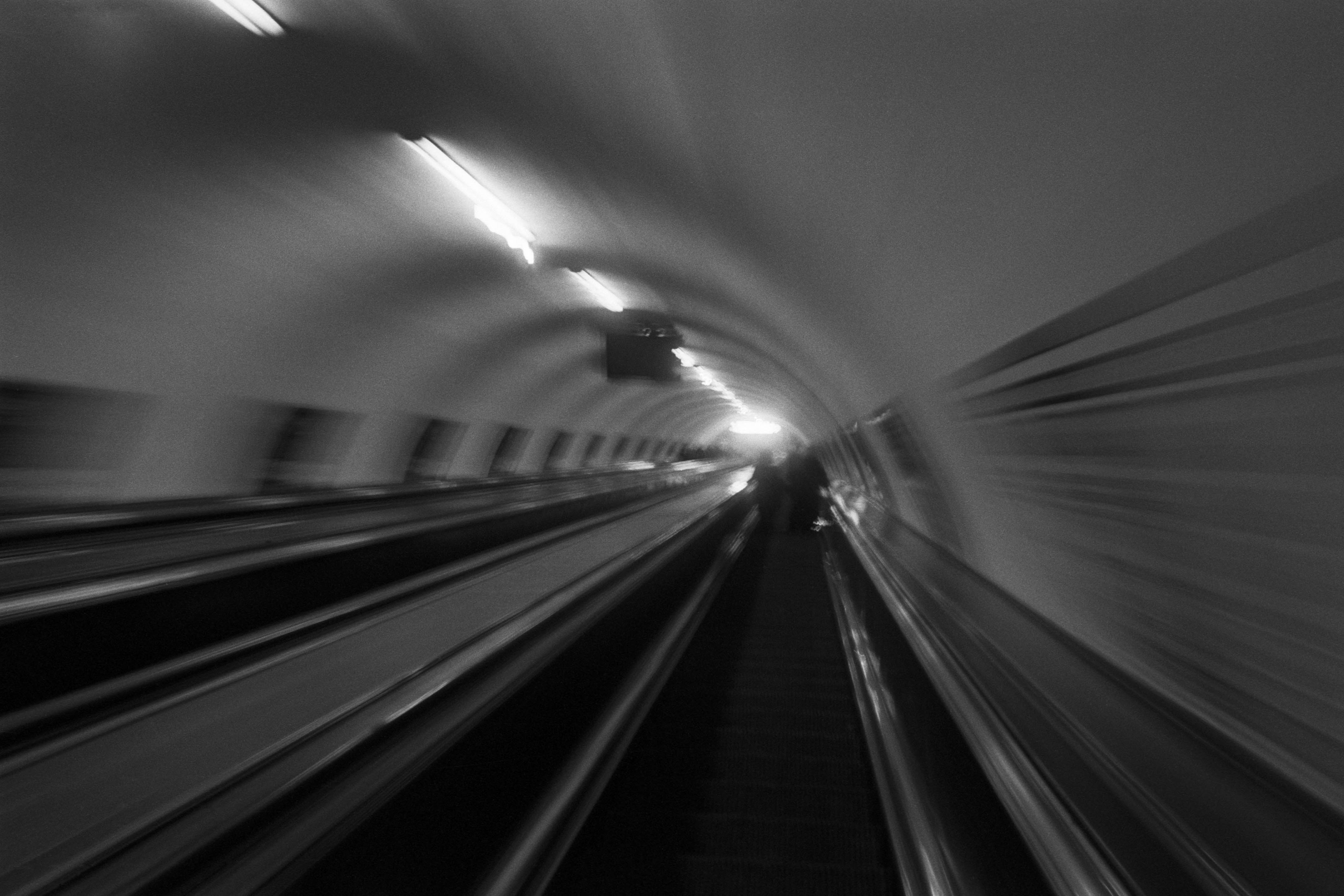
The Wall
2015Winner of the 1st prize & Golden Glass Award at the 11th Photographic Open Championship Olsztyn, and 1st place with the Special Prize of FORMAT magazine at the 3rd Biennial of Art in Piotrków Trybunalski.
View Series →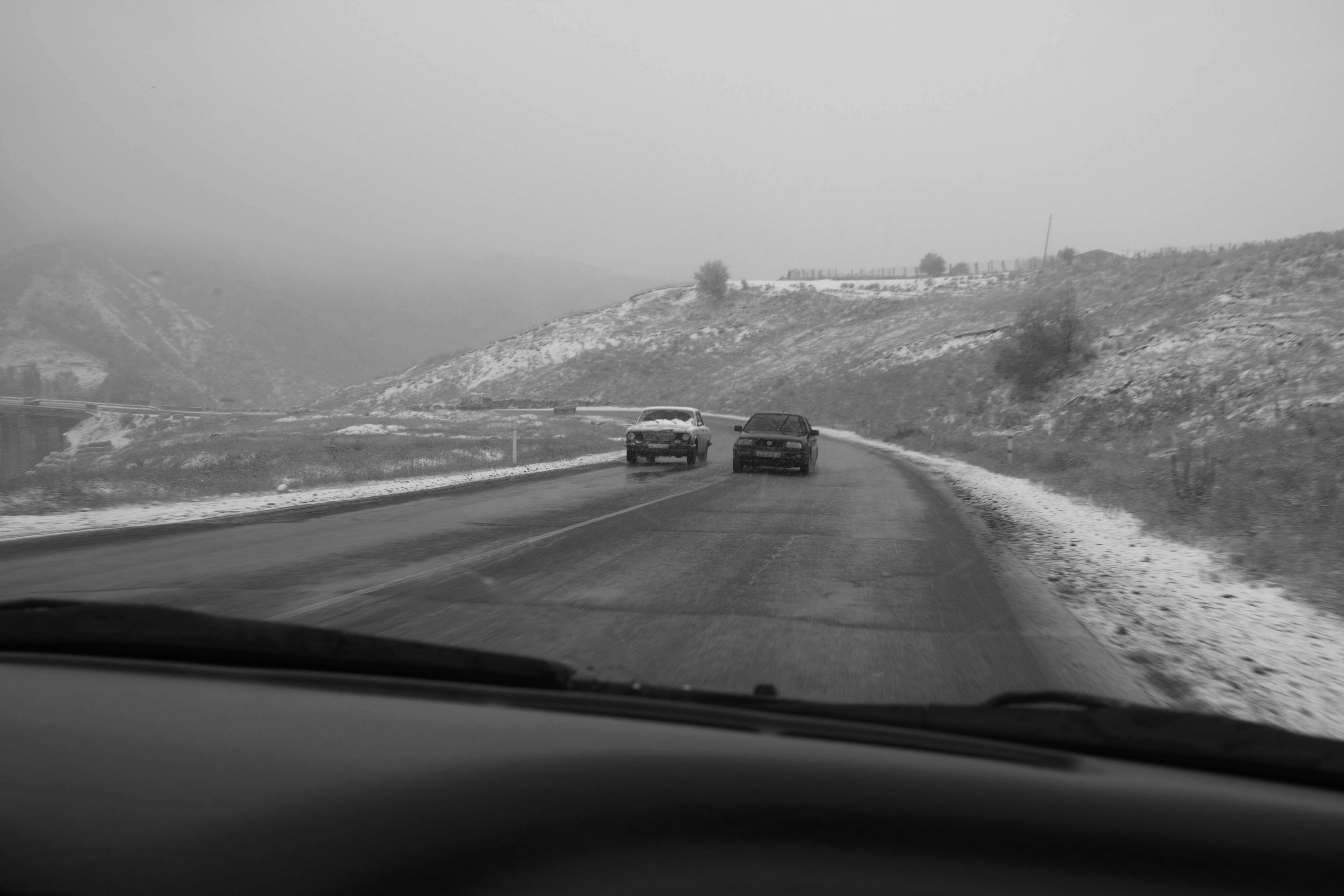
An Engagement Ring
2011A narrative series set in Wrocław in August 2011. Awarded 2nd prize & Silver Glass at the 10th Photographic Open Championship Olsztyn in 2014.
View Series →
Heat Wave
2014A documentary series recording spontaneous events across August and September 2014, capturing the raw energy of a city under the grip of summer.
View Series →