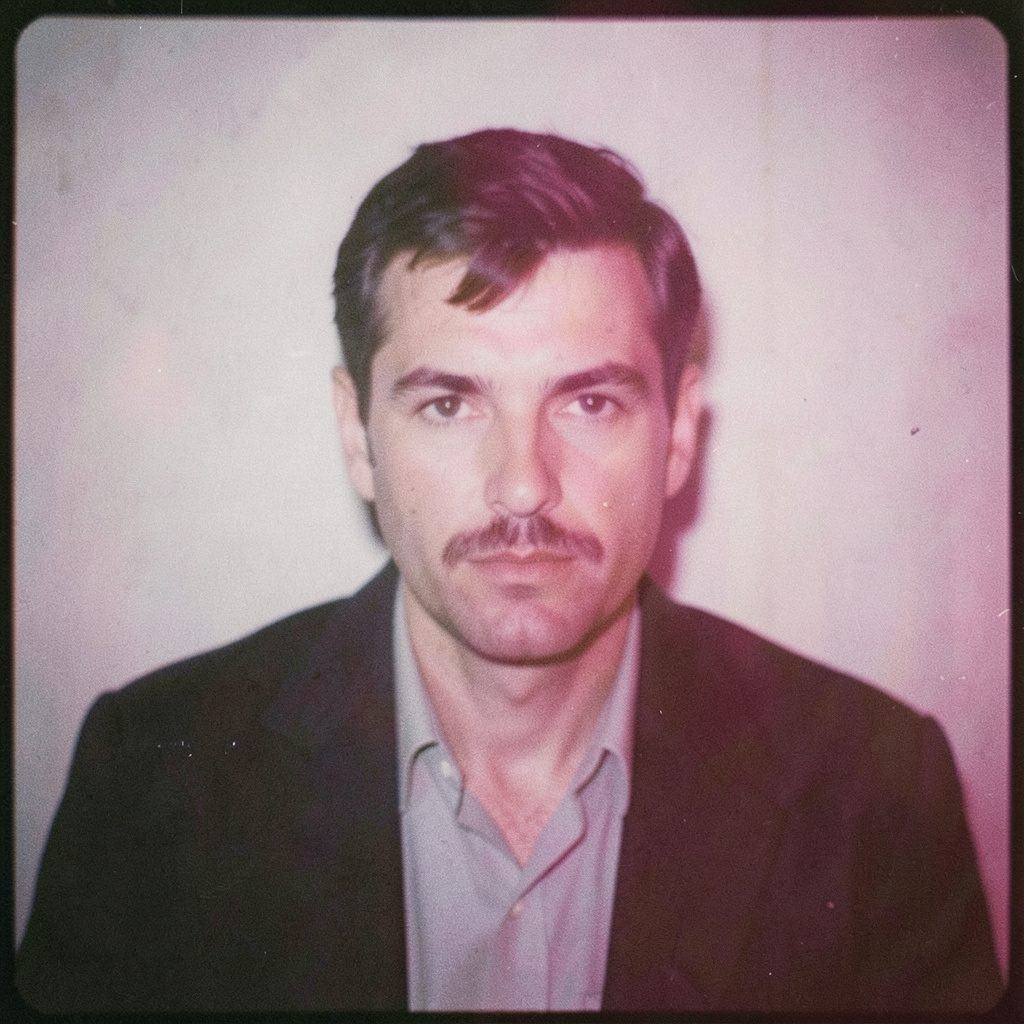
"Photography is not about the thing photographed. It is about how that thing looks photographed."
Why Black and White Film Still Matters for Modern Portraiture
Portrait photography has become faster, cleaner and more abundant than ever. A phone can produce a technically sharp image in difficult light, while digital cameras offer remarkable control over colour, focus and exposure. Yet a monochrome film portrait can still hold attention in a way that feels unusually direct. Its power comes from restraint: fewer visual distractions, visible texture and a tone that invites the viewer to look longer.
For contemporary photographers, black and white film is not a rejection of modern technology. It is a deliberate way of slowing the image-making process and giving every decision greater weight. The choice of film stock, medium-format camera, lighting position, development method and print surface can influence the emotional character of a portrait before any digital retouching takes place.
This approach has particular relevance in Australia, where portrait commissions range from polished Sydney corporate campaigns to editorial work in Melbourne’s independent fashion and arts scenes. Businesses may need consistent LinkedIn portraits for an entire team, while artists, performers and designers often want images that feel more personal than a standard studio headshot. A carefully made analogue portrait can serve both purposes when its visual language is clear.
Rafal Michalak’s practice brings together traditional analogue techniques, medium-format photography, darkroom principles and contemporary digital workflows. The result is a flexible approach in which film is valued for what it contributes to a portrait, rather than used as a nostalgic effect. The image can feel timeless while remaining suited to current commercial, editorial and personal contexts.
Texture that gives a face presence
Digital images often aim for smoothness. Skin can be refined, backgrounds can be cleaned and tonal transitions can be adjusted with extraordinary precision. Film introduces a different kind of surface. Grain varies according to the emulsion, exposure, development and enlargement, giving the portrait a tactile quality that can make a face feel present rather than merely recorded.
This texture becomes especially expressive in close-up work. Small lines around the eyes, the unevenness of a complexion and the subtle marks of age remain part of the image’s physical character. A portrait does not need to turn these details into dramatic statements, but film can acknowledge them without making the subject seem over-processed. For an Australian professional portrait, that can help create an image that feels credible rather than excessively polished.
Medium-format negatives are particularly useful because they combine detail with a graceful rendering of tone. They can preserve the structure of a face while retaining soft transitions in the shadows. The result is often calmer than a heavily sharpened digital file, with enough resolution for a large print, a campaign image or a carefully designed website.
Monochrome directs attention
Colour carries information about clothing, branding, architecture and surroundings. That information can be useful, but it can also compete with expression. Black and white photography removes hue while preserving shape, contrast, gesture and light. The viewer is encouraged to notice how a person stands, where their eyes rest and how the face relates to the surrounding space.
This is one reason monochrome portraits work well for people whose identity is connected to ideas, expertise or performance. An architect photographed among models, a chef in a working kitchen or a musician between rehearsals can be represented through gesture and atmosphere rather than colour coding. In a Sydney office, a black-and-white portrait can also sit comfortably beside a restrained corporate identity without becoming visually outdated.
The absence of colour does not make every image serious. High-key lighting can produce an open, elegant result, while deep shadows may suggest concentration or introspection. The photographer’s responsibility is to match the tonal structure to the subject. A bright, informal portrait for a Brisbane creative studio should not be lit in the same way as a formal image for a law firm or financial organisation.
The value of deliberate exposure
Film imposes a useful discipline. Each frame has a cost, and exposure decisions cannot be endlessly corrected while the subject is standing in front of the camera. This encourages the photographer to observe carefully, adjust the light and build a more focused relationship with the person being photographed.
That process can change the atmosphere of a session. Rather than firing hundreds of near-identical frames, the photographer may make a small number of considered exposures, checking posture, expression and background between them. The subject often becomes more aware of the moment, but the session need not feel stiff. Clear direction, conversation and pauses can produce an image with greater psychological depth.
In a market shaped by rapid content production, this slower rhythm has practical value. A leadership team preparing new portraits around the Australian end-of-financial-year period may need efficiency, yet efficiency does not require haste. A structured film session can create a coherent set of portraits while giving each person enough attention to avoid the interchangeable look common in large batches of headshots.
Light becomes the main subject
Without colour, light carries much of the emotional and descriptive work. The direction of a window, the hardness of a flash, the brightness of a background and the density of a shadow all become easier to read. Black and white film therefore rewards photographers who understand how illumination shapes volume and mood.
Natural light can be especially effective in Australia. The strong sun found in many parts of the country can create sharply defined shadows, while overcast conditions offer broad, gentle illumination. A photographer working in Melbourne might use the soft light of a north-facing studio or the controlled shade of a laneway, while a session in Perth could take advantage of late-afternoon contrast without allowing the highlights to overwhelm the face.
Studio lighting provides another level of control. A single large source may model the features with quiet precision, while a harder light can create a more graphic portrait suited to fashion or conceptual work. The important factor is intention. Dramatic contrast should reveal something about the subject or visual brief, rather than function as decoration added after the fact.
Film and digital can share one workflow
Using analogue film does not mean abandoning digital delivery. After development and scanning, a negative can become a high-quality file for a website, press release, social campaign or printed brochure. The photographer can preserve the character of the film while preparing files in the formats expected by contemporary clients and publications.
A hybrid workflow also allows careful, ethical finishing. Dust can be removed, density can be balanced and the image can be prepared for different papers or screens. The goal is to retain the natural grain and tonal relationships that make the negative distinctive. Excessive smoothing, artificial sharpening or aggressive skin retouching can undermine the reasons for choosing film in the first place.
This combination is useful for Australian businesses that need images across several platforms. A portrait may appear on a company’s website, in a media kit, on LinkedIn and in an annual report, each with different technical requirements. Film can provide the original visual character, while digital processing ensures consistency and reliability across those applications.
A stronger relationship with the sitter
Portraiture is shaped by interaction as much as equipment. The photographer’s manner, the clarity of direction and the amount of time available all affect whether a person appears guarded, relaxed, thoughtful or energetic. The slower nature of film can support a more attentive exchange because the image is treated as an event rather than an automatic by-product of the session.
This is especially important when photographing people who are not accustomed to being in front of a camera. A founder, academic or community leader may need guidance about posture and expression, but they also need to feel that the portrait reflects their character. The photographer’s Rafal’s biography describes a practice grounded in both professional commissions and an individual artistic outlook, a combination that can help keep the session responsive rather than formulaic.
A successful portrait does not require the subject to perform a manufactured version of confidence. Sometimes a slight pause, an unguarded glance or an imperfect gesture communicates more than a fixed smile. Film can preserve these quieter moments with a distinctive sense of weight, allowing the final image to feel observed rather than staged.
Where monochrome portraits find a place now
Black and white film has a natural place in fine art, gallery and editorial settings, where viewers expect a strong point of view. In Australia, it can complement photographic exhibitions in Melbourne, artist publications in Sydney and independent creative projects across Adelaide, Hobart and other regional centres. Its visual language is recognisable, but it does not have to be historical or conventional.
Commercial clients are also using more individual imagery. A founder’s portrait may need to communicate authority without appearing generic; a fashion label may want a campaign with tactile restraint; an event organiser may require expressive images that document people rather than simply record attendance. In each case, monochrome film can establish a consistent mood and distinguish a project from the bright, highly processed imagery common in online feeds.
The medium also works well in collaboration with curators, designers and cultural organisations. A photographer contributing to an exhibition or conceptual series may use film to connect separate portraits through grain, framing and tonal treatment. Projects presented through spaces such as Gestalt Projects demonstrate how photography can operate between commissioned image-making and broader artistic practice, where the portrait becomes part of a larger conversation about identity, place and representation.
What matters is not whether film is fashionable, but whether its qualities serve the person and the purpose of the portrait. Its grain can add physicality, its limited palette can sharpen attention, and its slower process can create room for genuine observation. In a visual culture full of instant images, that considered approach remains relevant. A black-and-white film portrait can feel current precisely because it asks the viewer to stay with the image and recognise the person within it.
Selected Series
A cross-section of commissioned and personal projects spanning fine art, commercial, and conceptual work.
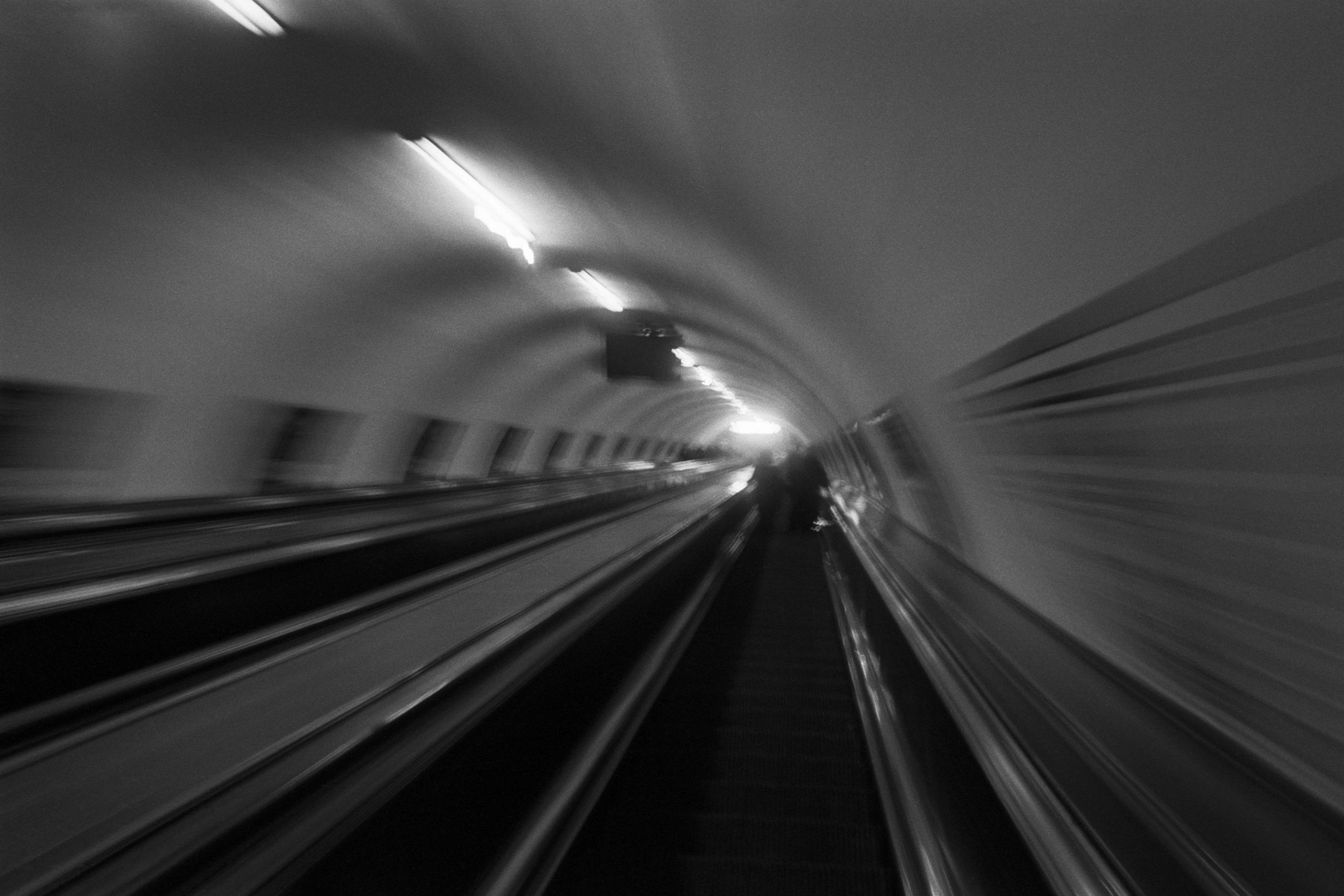
The Wall
2015Winner of the 1st prize & Golden Glass Award at the 11th Photographic Open Championship Olsztyn, and 1st place with the Special Prize of FORMAT magazine at the 3rd Biennial of Art in Piotrków Trybunalski.
View Series →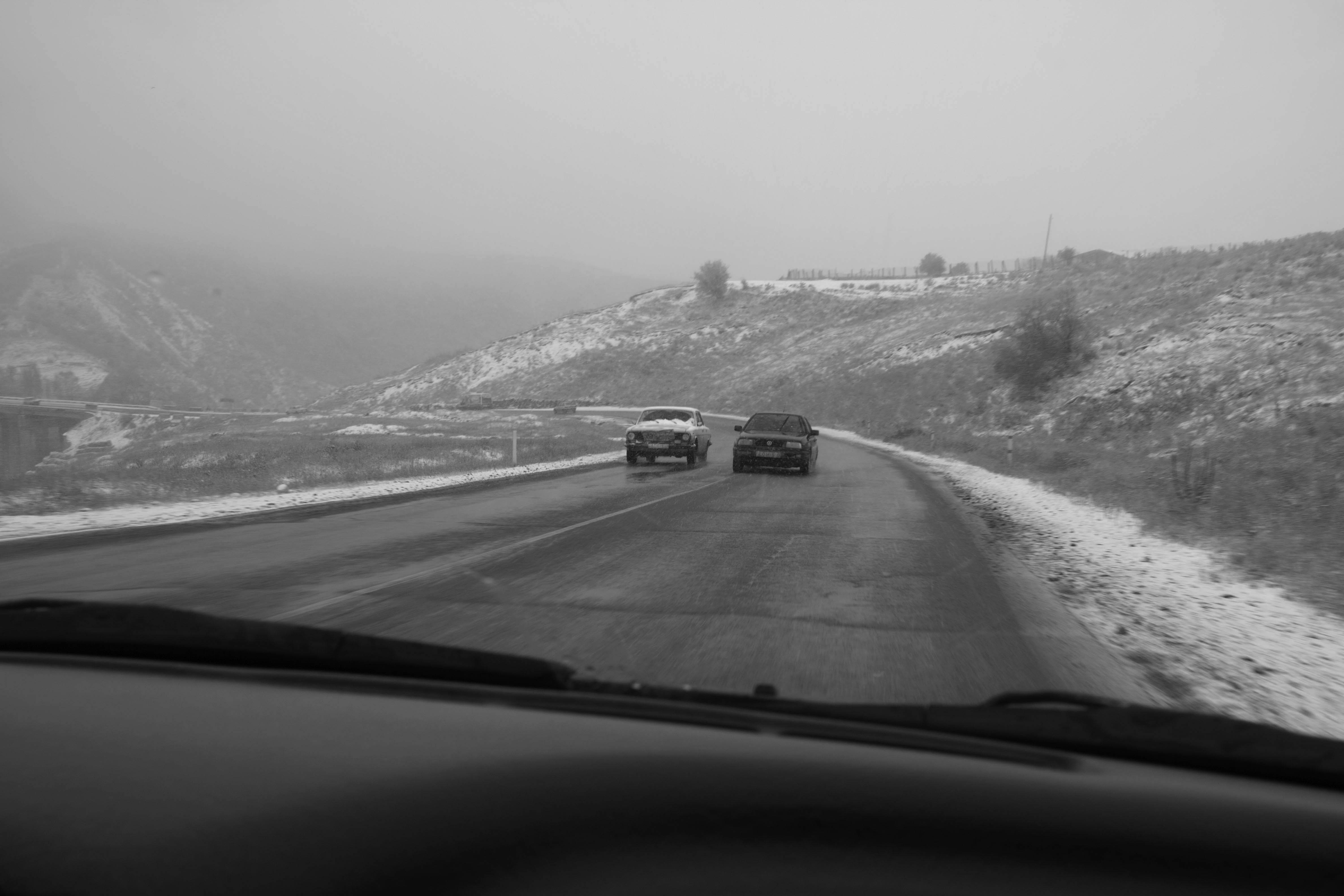
An Engagement Ring
2011A narrative series set in Wrocław in August 2011. Awarded 2nd prize & Silver Glass at the 10th Photographic Open Championship Olsztyn in 2014.
View Series →
Heat Wave
2014A documentary series recording spontaneous events across August and September 2014, capturing the raw energy of a city under the grip of summer.
View Series →