"Photography is not about the thing photographed. It is about how that thing looks photographed."
Why Time in the Darkroom Still Matters for Every Photographer
Digital cameras have made photography faster, more flexible and easier to distribute. A photographer can review an image seconds after making it, adjust exposure in software and send a finished file to a client in Melbourne, Sydney or Perth before the day is over. Yet speed can sometimes weaken attention. The darkroom restores a slower relationship with the image, where observation, judgement and craft become inseparable from the final photograph.
For photographers working across fine art, business portraits, fashion, events or conceptual projects, analogue practice offers more than nostalgia. It develops a physical understanding of light, contrast, timing and sequence. Working with medium-format film, black-and-white negatives and traditional printing methods can sharpen decisions that remain valuable in a digital workflow, whether the finished work appears in a gallery, a campaign or an online portfolio.
Slowing Down To See More
A darkroom changes the pace of making photographs. Film is limited, whether a roll contains twelve medium-format frames or thirty-six 35mm exposures. Each shutter release has a visible cost in time and materials. This encourages the photographer to study the scene before pressing the shutter, notice the direction of light and wait for a gesture that carries meaning.
The discipline is especially useful for photographers accustomed to photographing Australian city life at speed. A wedding in Brisbane, a corporate portrait session in Sydney or a fashion editorial in Melbourne can produce hundreds of digital frames. That volume has practical value, yet the habit of making fewer, more deliberate exposures can improve the way a photographer approaches every assignment.
In the darkroom, attention shifts from instant approval to evidence. A negative may appear flat, dense or uncertain before printing reveals its potential. The photographer learns to trust observation rather than the small screen on the back of a camera. This patience can lead to more coherent contact sheets, stronger edits and images with greater emotional precision.
Learning The Physical Language Of Light
Printing a black-and-white photograph by hand makes light tangible. Exposure time, enlarger height, aperture, paper grade and the position of the easel all affect the result. A small adjustment in the enlarger can alter the density of a face or the detail held in a shadow. Dodging and burning become precise acts of interpretation rather than automatic sliders.
This process teaches tonal relationships that translate directly into digital post-production. Photographers begin to recognise whether a scene depends on soft separation between greys, deep blacks or a carefully protected highlight. They understand that contrast is structural: it directs attention, establishes atmosphere and influences how a subject is read.
Medium-format film adds another lesson. The larger negative can provide subtle transitions and a distinctive sense of presence, particularly in portraits and still-life work. It also requires care. Film must be loaded correctly, kept clean and processed consistently. These physical demands encourage an understanding of image-making as a chain of decisions, from metering and development to the final print.
Developing Patience Through Process
A darkroom introduces useful friction between exposure and result. Film needs to be labelled, stored, developed, washed and dried before it can be assessed properly. The photographer must record times, temperatures and chemical dilutions, then compare the outcome with the intention behind the image. Mistakes become information rather than invisible corrections.
That process is valuable in commercial photography, where consistency matters. A photographer producing staff portraits for a law firm in Canberra or campaign images for a local fashion label needs repeatable results. Darkroom practice builds habits of calibration and note-taking that support reliable digital colour management, file naming, backup routines and retouching standards.
The delay also creates emotional distance. Immediately reviewing a photograph can encourage a reaction based on excitement, disappointment or technical anxiety. Returning to a negative or proof sheet later allows the photographer to judge composition and expression with a clearer mind. This is particularly helpful when editing personal projects, where attachment to the circumstances of the shoot can cloud visual judgement.
Practical Habits Worth Carrying Forward
- Make exposure notes instead of relying entirely on memory.
- Edit contact sheets before selecting individual images.
- Test small changes before committing to a full print.
- Keep materials, files and negatives consistently labelled.
In Australia, climate can make this discipline especially important. Summer heat and humidity in places such as Darwin, Brisbane and coastal New South Wales can affect film storage, paper and chemical stability. Cool, dry storage, careful ventilation and sensible handling protect both the materials and the photographer’s investment.
Finding A Personal Visual Signature
Digital tools offer enormous control, yet the abundance of possibilities can make a visual style less distinct. Presets, automated masking and familiar editing trends may produce polished images that resemble thousands of others. A darkroom limits the available tools, encouraging photographers to develop a signature through exposure, development, paper choice and printing decisions.
Black-and-white work can be particularly revealing. Removing colour places emphasis on gesture, texture, shape and light. A face becomes a study in planes and expression; a building becomes a structure of lines and mass. The photographer has to decide what the absence of colour contributes rather than treating monochrome as a decorative filter applied at the end.
This is valuable for conceptual series and fine art portfolios. A consistent approach to grain, tonal range and composition can create a visual language across separate images. The results may feel quieter than fast-moving commercial content, yet they can hold attention because the choices are coherent. A print carries traces of the maker’s hand in ways that a generic digital treatment may not.
Australian photographers also work within a visually competitive market. A portraitist in Melbourne may compete with studios offering immediate digital delivery, while an artist in Adelaide or Hobart may need a strong body of work to attract curators, publishers and collectors. A recognisable analogue sensibility can give a portfolio depth, provided it serves the subject rather than functioning as a surface effect.
Connecting Craft With Contemporary Work
Time in a darkroom does not require abandoning digital photography. Hybrid workflows are often practical and creatively strong. A photographer can shoot film for a portrait series, scan selected negatives, refine them digitally and prepare files for a client, exhibition or archival print. Alternatively, a digital image can be printed as a negative and used in an analogue process.
This combination suits the demands of professional work. Event clients often need rapid previews and online galleries, while a business may require high-resolution files for annual reports and social media. The photographer can meet those expectations digitally while continuing to develop a slower personal practice that informs composition, lighting and editing.
The distinction between analogue and digital is also useful when discussing deliverables. Australian clients may expect high-resolution JPEGs, web-ready files, usage terms and colour profiles, while collectors may value a signed, editioned print. Clear agreements should state whether the commission includes a physical print, a scan, reproduction rights or additional licensing.
Copyright remains relevant to both formats under Australia’s Copyright Act 1968. The photographer generally owns copyright in an original photograph, although commissioned work, employment arrangements and contracts can alter ownership or usage rights. A darkroom print does not remove the need to define permissions, and a digital scan does not automatically grant a client unrestricted reproduction. Written terms protect the photographer and clarify the client’s actual needs.
Building A More Responsible Studio Practice
A darkroom makes the environmental and material side of photography visible. Film, photographic paper, packaging, water and chemical solutions all require consideration. Fixer can contain dissolved silver, and it should not simply be poured into a household drain. Local disposal requirements vary, so photographers need to use appropriate collection services or follow guidance from their council and waste provider.
This is a practical concern for Australian studios, especially where access to specialist facilities differs between metropolitan and regional areas. Melbourne and Sydney have established photographic communities, labs and educational spaces, while photographers in regional Queensland, Western Australia or Tasmania may need to order supplies, use a shared darkroom or travel for processing. Planning batches of work can reduce freight, waste and unnecessary chemical use.
A responsible studio also considers people. Portrait and fashion photographers should obtain informed consent, agree on intended uses and keep records for commercial assignments. Australia does not have a broad standalone image-rights law equivalent to some overseas jurisdictions, but privacy, defamation, contract and consumer laws can still affect publication. Identifiable people in advertising, editorial work and personal projects should be handled with care.
The same principle applies to cultural material and location-based work. Photographers working with Aboriginal and Torres Strait Islander communities need to follow appropriate cultural protocols, seek permission through the right channels and avoid assuming that a signed release settles every ethical question. Technical craft has value when it is matched by respect for subjects, collaborators and place.
Useful Ways To Extend The Practice
- Visit a shared darkroom or enrol in a supervised workshop.
- Compare a hand-made print with its scanned digital version.
- Keep a written record of exposure and processing decisions.
- Present selected prints in a small, coherent series.
Carrying Darkroom Thinking Into Everyday Assignments
The strongest benefit of analogue work may be the mindset it creates. A photographer who has spent time making a print tends to look carefully at edge detail, tonal balance and the relationship between subject and background. These observations improve lighting decisions on set, even when the camera is digital and the images will be delivered the same afternoon.
For business portraits, this may mean shaping light so a subject’s expression remains open without flattening the face. For fashion, it may involve choosing a location for texture and contrast instead of relying on post-production to create atmosphere. At an event, it can encourage anticipation: watching a room, predicting movement and recognising the decisive moment before it disappears.
The darkroom also strengthens editing. A photographer learns that a compelling frame may need space around it, while a technically perfect frame may contribute nothing to a series. Contact sheets teach sequencing, repetition and rhythm. Those skills matter when building a website portfolio, submitting to a gallery, preparing a book dummy or selecting images for a client presentation.
A sustainable career rarely depends on one technique alone. Clients may choose a photographer for a distinctive point of view, consistent service and the confidence to solve unfamiliar problems. Analogue practice supports all three. It deepens visual judgement, encourages care and gives the photographer a grounded relationship with the medium.
Making Room For The Work
A darkroom does not need to become a permanent room filled with specialised equipment. Many photographers begin with occasional access to a community facility, a short course or a shared studio. Starting with black-and-white film and contact printing can provide a meaningful foundation before investing in an enlarger, trays, safe light and ventilation.
The goal is regular attention rather than a romantic idea of purity. One afternoon spent printing can influence months of digital work. A small personal series made between commercial commissions may reveal new approaches to shadow, gesture or negative space. Over time, these experiments can become the basis for an exhibition, a fine art publication or a more distinctive client portfolio.
Photography remains a conversation between intention and accident. Digital tools make it possible to correct, repeat and distribute with remarkable efficiency; analogue methods make the consequences of each decision easier to feel. Spending time in the darkroom brings those decisions into focus, giving photographers a deeper command of light, patience and visual meaning.
Selected Series
A cross-section of commissioned and personal projects spanning fine art, commercial, and conceptual work.
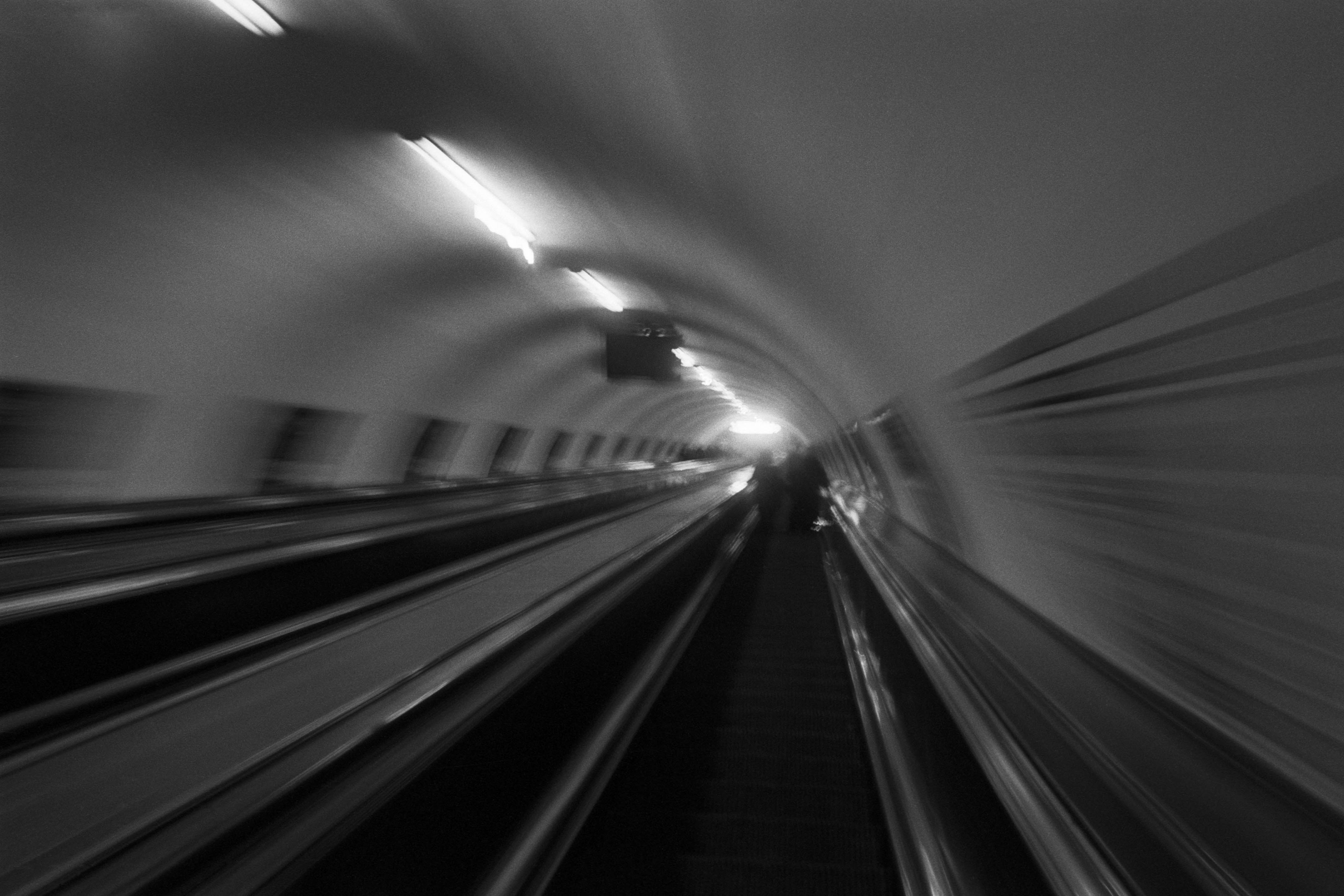
The Wall
2015Winner of the 1st prize & Golden Glass Award at the 11th Photographic Open Championship Olsztyn, and 1st place with the Special Prize of FORMAT magazine at the 3rd Biennial of Art in Piotrków Trybunalski.
View Series →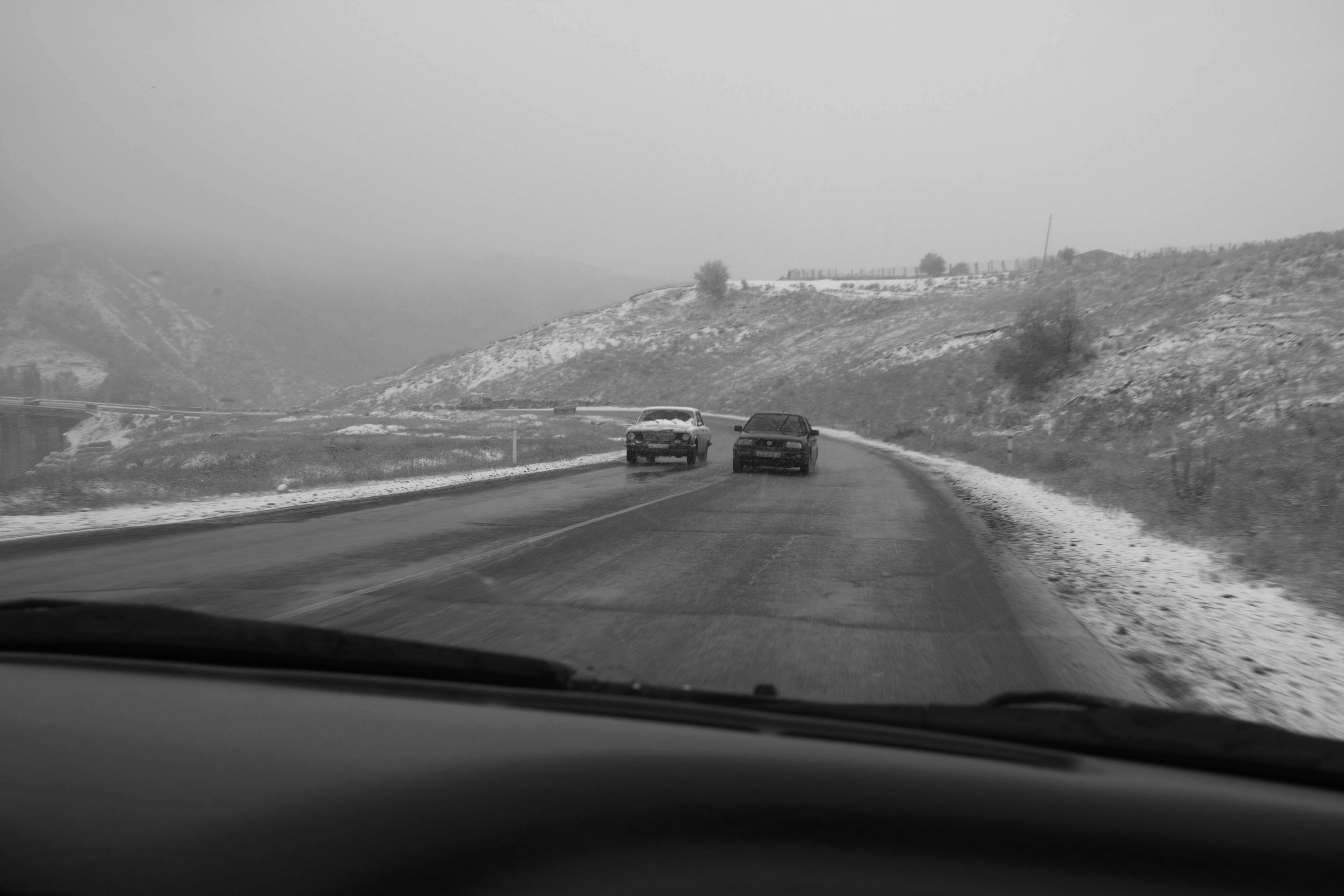
An Engagement Ring
2011A narrative series set in Wrocław in August 2011. Awarded 2nd prize & Silver Glass at the 10th Photographic Open Championship Olsztyn in 2014.
View Series →
Heat Wave
2014A documentary series recording spontaneous events across August and September 2014, capturing the raw energy of a city under the grip of summer.
View Series →