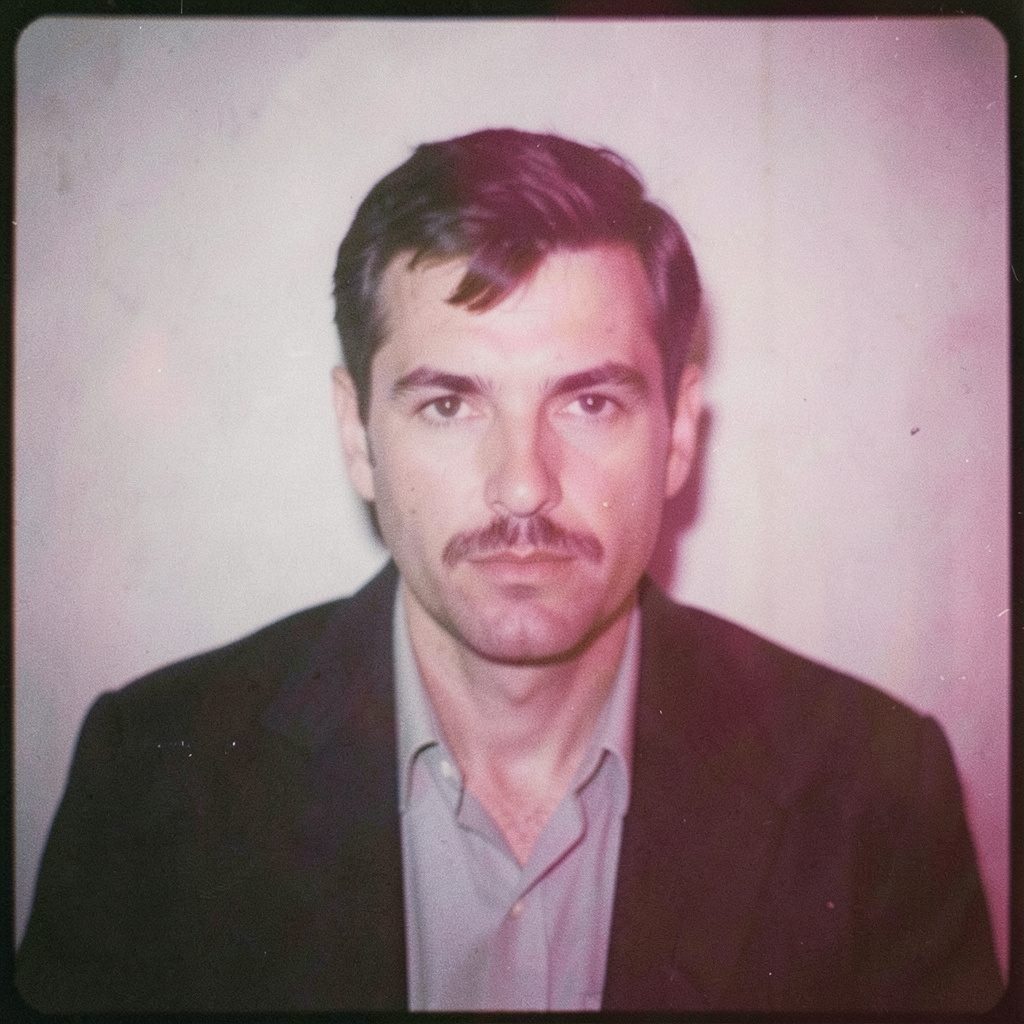
"Photography is not about the thing photographed. It is about how that thing looks photographed."
Why I carry a compact camera for personal work
For commissioned work, I still reach for the larger tools in my kit: medium-format bodies, careful lighting, and the measured pace of a studio or location set. Those tools suit business portraits, fashion, events, and the formal construction of a conceptual series. For my own work, however, I often want the opposite conditions. I want to notice before I compose, move before the arrangement becomes rigid, and keep a camera close enough that a fleeting interval of light, gesture, or street detail can become part of the work rather than a memory I failed to record.
A compact camera gives me that proximity. It slips into a coat pocket or sits in a small bag while I walk through Wrocław, travel, or spend time in Australian cities such as Sydney, Melbourne, and Brisbane. Its limits—modest lenses, a smaller sensor, and less formal control—encourage a specific kind of looking. They reduce the temptation to override what is in front of me with the camera I happen to own. That is why the compact format has become part of my personal practice rather than a substitute for the larger equipment I use professionally.
Scale changes the way I look
Scale changes the relationship between photographer and subject. A large camera announces a session: I choose a position, make adjustments, and ask the frame to hold still. A compact camera can behave more like a notebook. On a tram in Melbourne or a ferry crossing Sydney Harbour, I can lift it without arranging a performance. The smaller instrument keeps the encounter informal, but the image does not have to be careless. It asks for faster decisions, clearer awareness, and an acceptance of partial views.
That immediacy is particularly valuable when personal work begins with curiosity rather than a predetermined result. I might photograph the geometry of a suburban veranda, the pause before strangers enter a café, or the anonymous movement of commuters. These fragments rarely fit a commissioned brief, yet they often carry the social texture I want to investigate. The compact camera lets me collect observations at the speed of daily life, preserving relationships between details that a planned shoot would separate.
The camera also lowers the stakes of looking. I can work without the assumption that every frame must enter a portfolio, and I can return to the same subject later without having exhausted it. A personal series can emerge from repetition rather than spectacle: the same platform at different hours, a doorway seen on several walks, the changing edge of a body against a window. The photographs gain depth because the camera remained available when the polished opportunity had passed. Personal work needs patience, and accessibility creates more opportunities for that patience.
What the camera meets on an Australian day
Australia is a revealing place to test this way of working because so much of its public life unfolds outdoors and in transit. Melbourne’s tram network, Sydney’s ferries and buses, and crowded platforms in Brisbane make the small camera genuinely useful. A large body can be carried on a train, but it changes how one moves through the carriage. A compact camera can remain in a bag, ready for the brief view between stops, without becoming the centre of attention.
The light demands equal attention. Sydney’s coastal glare, the sharp sun across a Canberra winter, and the warm humidity of a Brisbane afternoon each alter speed, contrast, and the need for shade. Melbourne’s rapidly changing weather can move from hard blue skies to drizzle within a single walk. A small weather-resistant body and a simple rain sleeve matter, but so does accepting that light is the subject. The camera should not flatten every condition into one clean technical response.
Everyday Australian habits provide material without requiring spectacle. I find visual stories in neighbourhood coffee queues, school-gate clusters, local markets, coastal change, and the mix of old brick and new apartment towers on suburban arterials. Local photography clubs, camera fairs, and well-used second-hand dealers also keep the culture of image-making visible. These are practical realities, but they matter artistically: the places where a photographer moves are part of the work’s vocabulary. Carrying a small camera makes me available to that vocabulary.
Constraint as a method, not a limitation
My training is rooted in analogue practice, especially medium-format and black-and-white film, the discipline of the darkroom, and the patience of developing an image rather than accepting an immediate preview. A compact digital body does not erase that inheritance. Its useful lesson is that seeing is not the same as recording. I still think in exposure, grain, density, and sequence; I simply have the option to review a frame, make a monochrome conversion, or let an imperfect contact sheet emerge from the day’s work.
That hybrid workflow gives personal work a useful tension between intention and accident. I can compose deliberately, then scan a crowded pavement for the frame that reveals the series. Colour may hold the social clue while a black-and-white interpretation isolates form. A fixed lens can limit choices, but it also prevents me from endlessly comparing focal lengths. The constraint becomes a method: one optical vocabulary used across many days, so differences in light and gesture become more noticeable than differences in equipment.
Freedom also requires editorial resistance. Spontaneity can become an excuse for weak sequencing, and a small camera can encourage a vague aesthetic of observation if every accidental frame is treated as meaningful. I return to my own notes on handling creative criticism: the right response to a difficult response is to examine the photograph as a proposition, not as a verdict on the person who made it. Personal work becomes stronger when I can test a series against distance, time, and another person’s attention.
A compact kit that respects place and people
A compact kit should be light enough to disappear until the moment calls for it. My working choice is modest: a small body I can operate without looking down for long, a compact lens, a charged battery, and a protective pouch. The camera’s social presence matters. On a crowded train in Perth or at an event in Adelaide, it occupies less space and attracts less attention, allowing me to move between observer and participant with fewer interruptions.
The items that earn their place in the bag are practical rather than luxurious:
- A weather-resistant body with direct exposure and focus controls
- A compact prime or short zoom suited to walking, often around 28mm equivalent
- A charged battery in the body plus a small power bank when the day is long
- A wrist strap, lens cloth, and thin rain cover packed flat in the same pouch
The Australian second-hand camera market gives this kit a practical advantage, since suitable bodies and lenses are readily found through camera shops, clubs, and online marketplaces. When buying from an Australian business, the Australian Consumer Law provides consumer guarantees, though the protection depends on the terms of sale and whether an item is represented as second-hand. A private sale works differently. Keeping the receipt, checking the serial number, and testing the shutter and sensor before leaving the seller can prevent a small saving from becoming a ruined day.
Responsibility travels with the camera, especially in public places where Australian privacy expectations vary by context. These habits keep the practice attentive to people as well as images:
- Ask before making close portraits of strangers, children, or people in vulnerable circumstances.
- Check venue signs and restrictions in stations, hospitals, schools, exhibitions, and private areas.
- Remember that the federal Privacy Act is not a blanket prohibition on public photography; its application depends on the organisation and circumstances.
- Seek permission and follow community-defined protocols when photographing Aboriginal or Torres Strait Islander people, communities, or cultural material.
These boundaries do not obstruct candid work; they shape its manners. An unobtrusive camera can document a public room while still showing respect for the people inside it. I keep a mental distinction between an image that is available to make and an image that deserves to be published. That distinction is particularly important when a photograph from a public place travels into a gallery, campaign, or magazine and acquires a reach its original moment never had.
Personal work after the camera comes home
After a walk, the camera bag comes home, but the work continues. I download the files, make contact sheets, and separate images that are visually strong from those that are emotionally accurate. Neither test is sufficient alone. A personal sequence needs pacing, not simply a pile of favourites. I may print selected frames, work from monochrome negatives, or compare digital files with film references before deciding what deserves another season of attention.
Carrying the same compact camera over time makes this process more coherent. Its fixed optical habits create a common thread across streets, interiors, and changing weather. Technical limitations can reveal an author’s decisions: the edge of a shadow, the timing of a shutter release, the distance maintained from a subject. When those decisions repeat, a body of personal work can develop without relying on novelty. The camera becomes an instrument of authorship rather than a catalogue of varied hardware.
That authorship depends on attention beyond the frame. The work presented by BHC Clay Smith is a useful reminder of how image-making can reward patience and close observation rather than constant escalation of scale or spectacle. I return to the same broad interests that guide my professional photography: people, place, the architecture of a gesture, and the emotional distance hidden inside an apparently ordinary scene. The compact camera simply gives those interests a way into the day.
Most importantly, it protects the private origin of a public image. It can be present when a portrait subject becomes less self-conscious, when an event reveals its rhythm, or when a conceptual series finds an accidental visual grammar. What begins as a small tool for personal work becomes a method for gathering evidence of how people inhabit their surroundings. Its value lies in that humble continuity: ready, limited, and close enough to the moment to let observation lead.
Selected Series
A cross-section of commissioned and personal projects spanning fine art, commercial, and conceptual work.
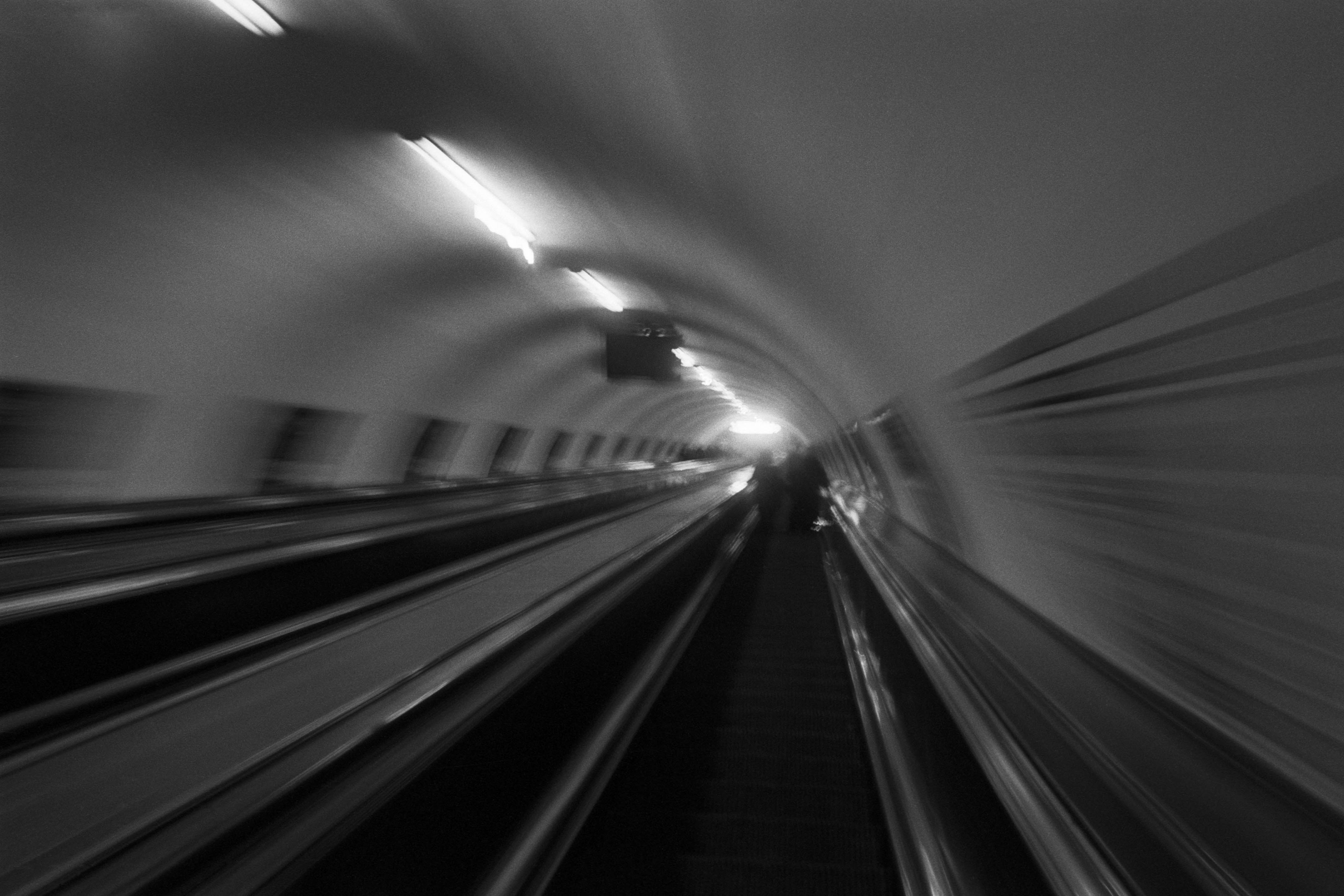
The Wall
2015Winner of the 1st prize & Golden Glass Award at the 11th Photographic Open Championship Olsztyn, and 1st place with the Special Prize of FORMAT magazine at the 3rd Biennial of Art in Piotrków Trybunalski.
View Series →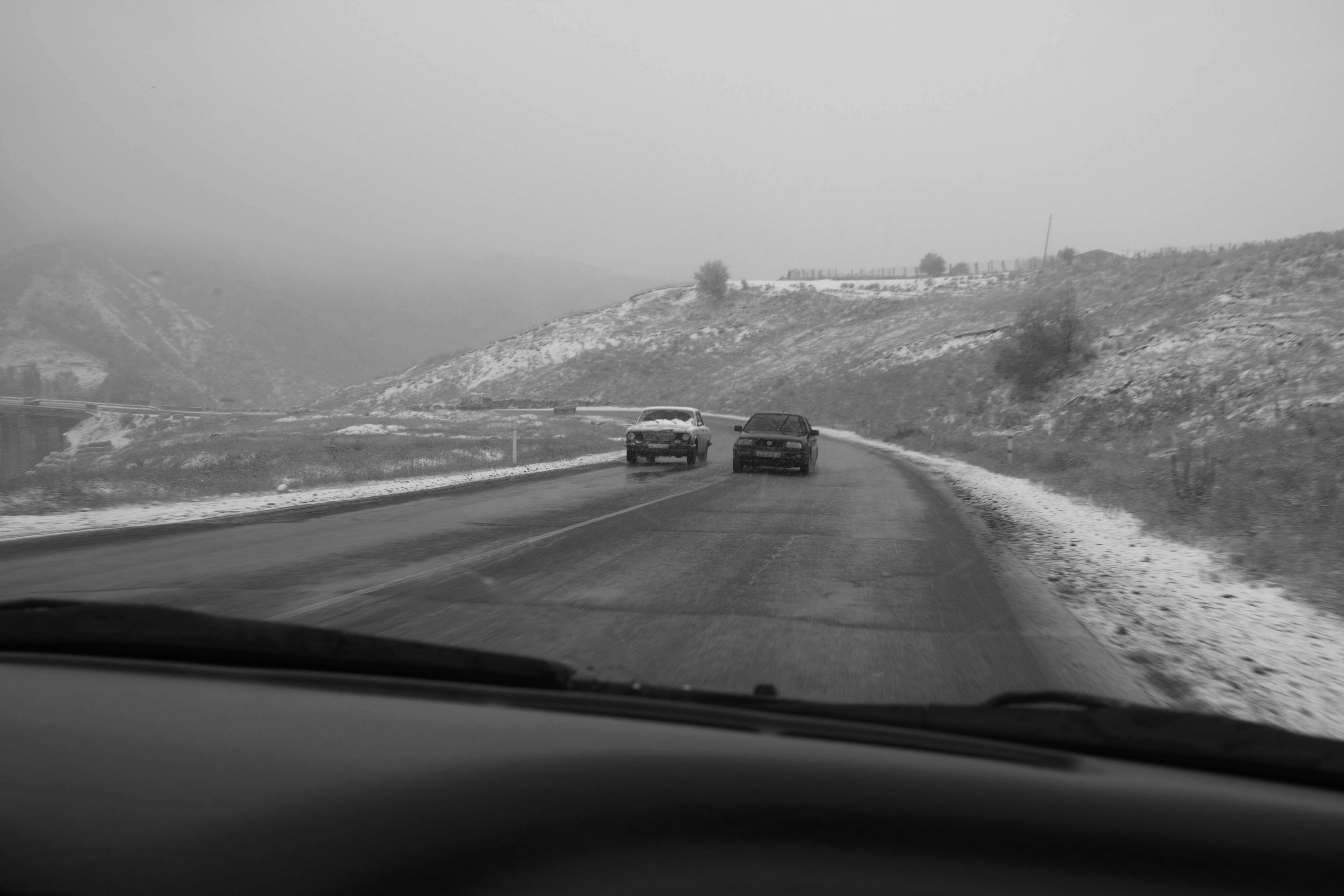
An Engagement Ring
2011A narrative series set in Wrocław in August 2011. Awarded 2nd prize & Silver Glass at the 10th Photographic Open Championship Olsztyn in 2014.
View Series →
Heat Wave
2014A documentary series recording spontaneous events across August and September 2014, capturing the raw energy of a city under the grip of summer.
View Series →