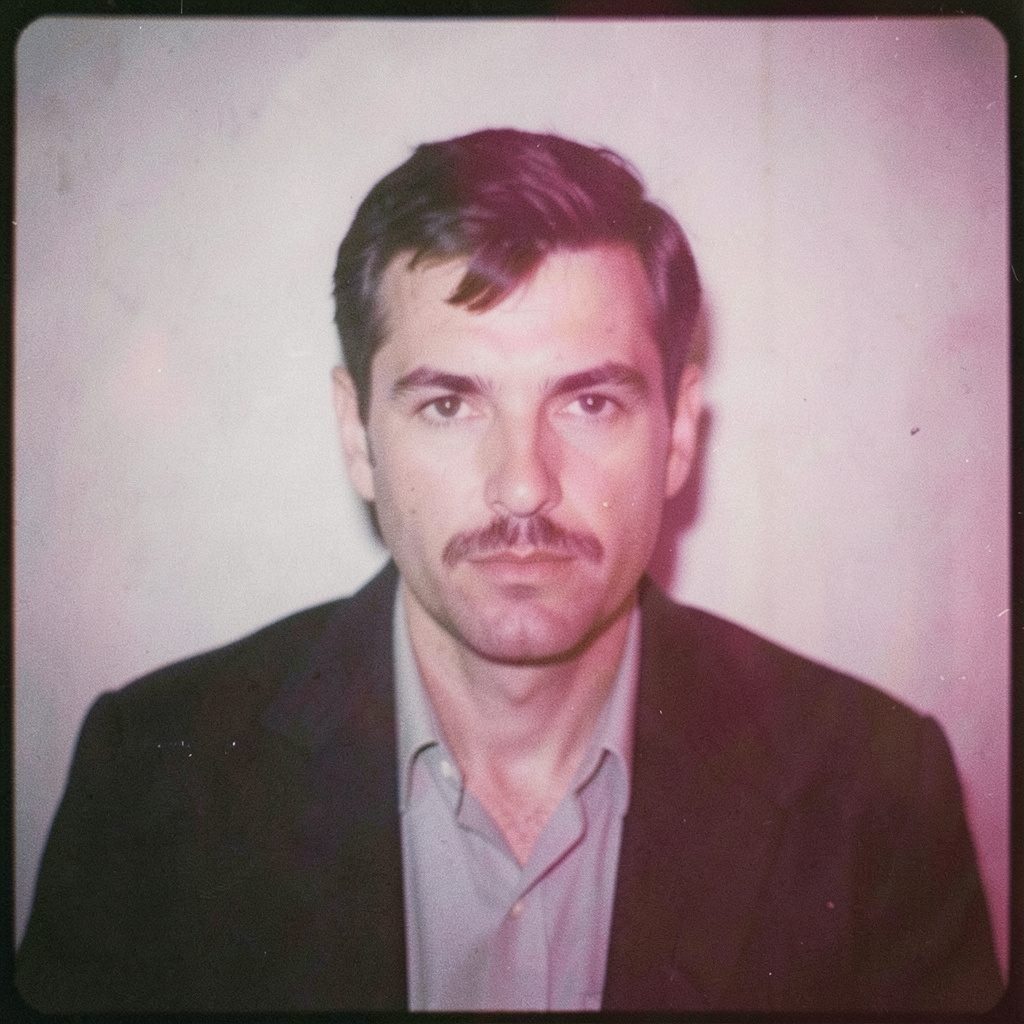
"Photography is not about the thing photographed. It is about how that thing looks photographed."
The Quiet Precision of Medium Format in the Studio
Studio photography is built around control. The position of a light, the angle of a face, the texture of a garment, and the distance between subject and camera can all be adjusted with care. For me, that controlled environment is where medium format film becomes especially expressive. It gives me enough time and visual information to make deliberate decisions, while retaining the tactile character that first drew me to analogue photography. Learn more about How To Play Paco Sery S Signature Groove On The Drum Kit.html.
Why I Choose Medium Format Film for Studio Work is a question of both image quality and working attitude. A larger negative records subtle transitions in tone, fine details, and the character of light with an ease that feels different from smaller formats. The result is not simply a sharper photograph. It is an image with a particular sense of space, calmness, and physical presence.
My studio practice combines medium-format cameras, black-and-white film, traditional darkroom principles, and digital finishing. These methods are not competing systems. Each contributes something specific to a finished portrait, fashion photograph, commercial commission, or conceptual series. Film establishes the foundation, while scanning and digital processing allow the image to remain practical for contemporary use.
A Larger Negative Creates A Different Image
Medium format refers to film larger than 35mm, with several possible frame sizes depending on the camera. I most often value the increased surface area because it gives the negative greater descriptive capacity. Skin, fabric, hair, paper, and reflective materials are rendered with a quiet density that can be difficult to reproduce through a smaller frame, even when the final file is technically excellent.
The distinction is especially visible in tonal transitions. A face lit from the side may move gradually from a bright cheekbone into a delicate shadow, rather than separating into abrupt zones. A dark suit can retain its weave and structure. A pale background can remain luminous without becoming empty. These details support an image that feels observed rather than aggressively processed.
There is also a relationship between format and depth of field. Medium format can create a shallow, graceful focus plane while preserving a wider feeling of space around the subject. In portrait photography, the eyes can be precise while the surrounding features soften naturally. In fashion work, the model and clothing retain a strong presence without the background becoming visually disconnected from the scene.
This quality is useful when the photograph needs to communicate refinement. A business portrait should feel credible and human, not overproduced. A fashion image may need atmosphere as much as information. The larger negative allows me to place these qualities within the same frame, balancing detail with restraint.
Film Encourages Deliberate Studio Lighting
Working with film changes the pace of a session. A roll contains a limited number of exposures, and each frame represents a small decision about composition, expression, focus, and light. This limitation is productive. It encourages me to study the subject before pressing the shutter and to make adjustments that serve the image rather than collecting variations without purpose.
In the studio, light is already easier to control than in many outdoor situations, but control does not automatically create character. I may use a large soft source for a gentle portrait, a harder directional light for graphic shadows, or a carefully placed reflector to bring information back into the darker side of the face. Medium format film records these choices with a broad, coherent tonal response.
Metering becomes part of the creative process. I consider the brightness range of the scene, the important shadow areas, the reflective qualities of the subject, and the way the film will respond during development. Exposure is not treated as a technical afterthought. It determines how much texture remains in the shadows and how gracefully highlights approach the edge of the negative.
This is particularly valuable with black-and-white film. Without colour to separate forms, the image depends on luminance, texture, shape, and rhythm. A small change in the position of a light can transform the structure of a portrait. Medium format gives these transitions room to develop, allowing a black-and-white studio photograph to feel rich without appearing heavy.
The Slower Process Sharpens Attention
A film session asks for concentration from everyone involved. The subject has time to settle into the space instead of responding to a rapid sequence of clicks. I can observe posture, breathing, gestures, and the subtle changes in expression that appear between formal poses. This slower exchange often produces portraits with greater emotional clarity.
The rhythm of the work matters. A session has pauses, adjustments, repetitions, and moments when a frame comes together unexpectedly. I think of it in a similar way to learning a musical pattern: the structure must be understood, but it should still allow room for feeling. Even a technical reference such as this signature drum groove can be approached through timing, restraint, and the relationship between separate parts. Studio photography has its own rhythm, formed by the interaction of light, subject, camera, and photographer.
Medium format also makes me more attentive to composition. The viewfinder encourages a careful examination of edges, negative space, background marks, and the relationship between the subject and the frame. Rather than relying on extensive cropping later, I try to make the composition hold at the moment of exposure. This strengthens the connection between the physical studio arrangement and the final photograph.
The process can be collaborative without becoming chaotic. For a business portrait, I may give clear direction while allowing the sitter to retain a natural presence. For a fashion commission, the model, stylist, and designer can respond to the light and clothing in real time. The measured pace leaves room for communication, which often matters as much as the equipment.
The Darkroom Remains Part Of The Practice
The photograph does not finish when the shutter closes. Film development influences contrast, grain, density, and the amount of information available for printing or scanning. I approach development with the character of the series in mind. A portrait requiring soft tonal movement may need a different treatment from a conceptual image built around stark separation and graphic form.
Darkroom principles continue to shape how I edit digitally. I look for the same qualities in a scan that I would seek in a traditional print: controlled highlights, substantial shadows, and a coherent relationship between the middle tones. Digital tools can be precise, but precision should support the material character of the photograph rather than erase it.
Black-and-white film is especially compatible with this approach. Removing colour places greater responsibility on light and structure, yet it also reveals the physical beauty of the negative. Grain becomes part of the surface. A slight variation in density can give a background atmosphere. The image feels connected to a process involving emulsion, chemicals, paper, and time.
I do use digital capture when a project requires immediate delivery, extensive frame counts, or a particular production workflow. Film is not a universal answer, and its value depends on the intention of the assignment. For carefully directed portraits, editorial images, and fine art projects, however, the analogue process provides a depth of engagement that remains central to my work.
Medium Format Supports Both Art And Commissioned Work
The strengths of medium format film are useful across several kinds of studio photography. In a business portrait, tonal subtlety can make a face appear open and dimensional, helping the image communicate confidence without stiffness. The subject remains recognisable and professional, while the photograph retains a sense of personal attention.
Fashion photography benefits from the format’s treatment of materials. Wool, silk, leather, denim, and metallic surfaces each respond differently to studio light. A larger negative records those distinctions with clarity, helping the clothing function as a tactile element rather than a flat graphic. The model’s pose, the styling, and the environment can remain integrated within a single visual language.
Conceptual photography gives me the greatest freedom to explore the less predictable qualities of film. I may work with unusual lighting, constructed sets, multiple exposures, or deliberate imperfections. Medium format provides a stable and detailed foundation while leaving space for ambiguity. The photograph can be precise in its physical description and open-ended in its meaning.
There is also a particular value in making a limited number of considered frames. It creates a stronger relationship between preparation and result. The finished image carries traces of the decisions behind it: the arrangement of the light, the placement of the subject, the selection of film, and the moment chosen for exposure. This is why medium format remains important to my studio practice. It offers technical richness, but its deeper contribution is a way of seeing.
For clients, that approach means the session is shaped around photographs with lasting value rather than an excess of interchangeable files. For personal work, it preserves the possibility of discovery within a controlled process. In both cases, the camera becomes part of a wider practice built on observation, material sensitivity, and respect for the image.
Selected Series
A cross-section of commissioned and personal projects spanning fine art, commercial, and conceptual work.
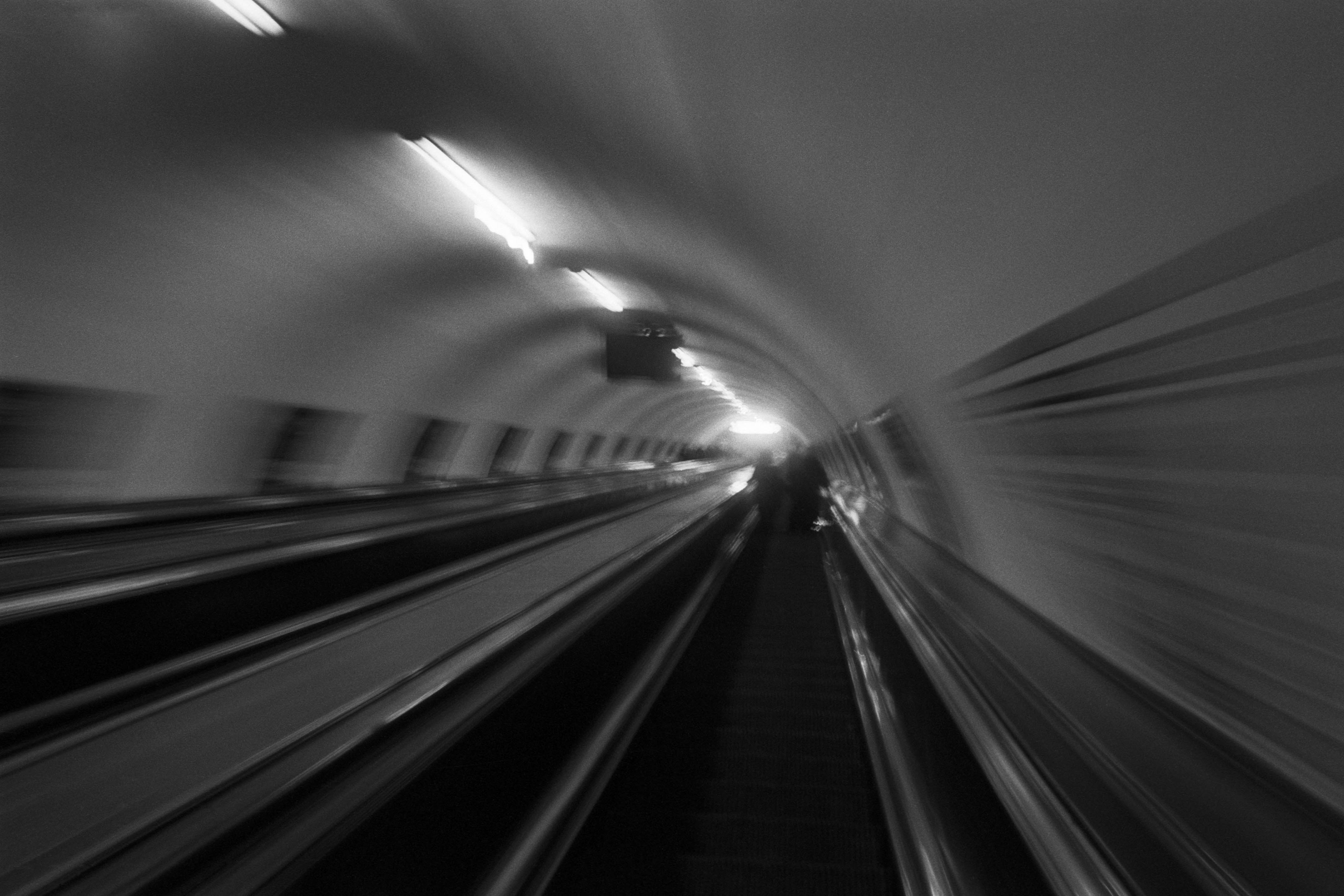
The Wall
2015Winner of the 1st prize & Golden Glass Award at the 11th Photographic Open Championship Olsztyn, and 1st place with the Special Prize of FORMAT magazine at the 3rd Biennial of Art in Piotrków Trybunalski.
View Series →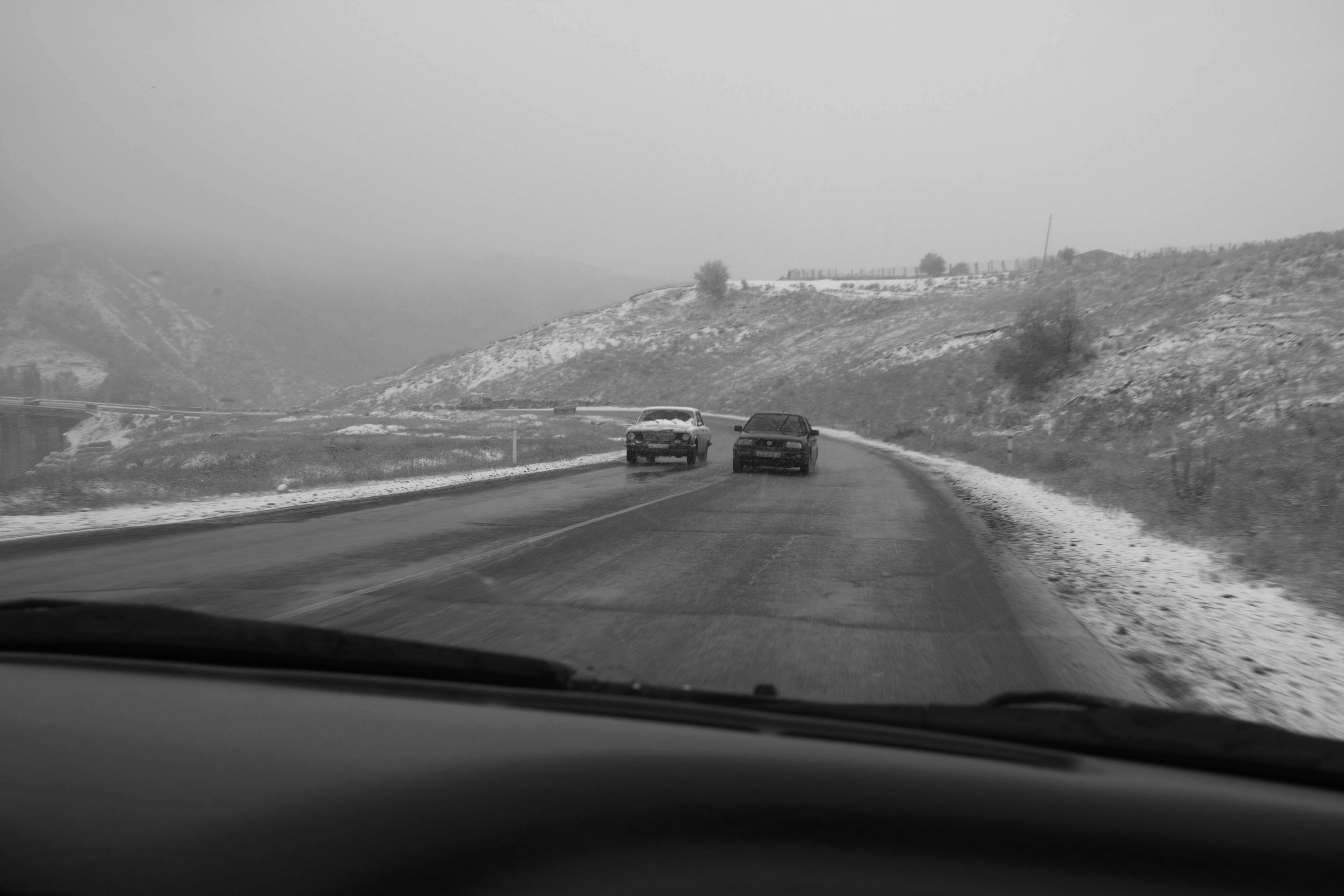
An Engagement Ring
2011A narrative series set in Wrocław in August 2011. Awarded 2nd prize & Silver Glass at the 10th Photographic Open Championship Olsztyn in 2014.
View Series →
Heat Wave
2014A documentary series recording spontaneous events across August and September 2014, capturing the raw energy of a city under the grip of summer.
View Series →