"Photography is not about the thing photographed. It is about how that thing looks photographed."
Why I never delete photos immediately after a shoot
Why I never delete photos immediately after a shoot is rooted in patience. The first edit happens while the images are still charged with the noise, movement and decisions of the day. I may remember a difficult pose, a missed focus point or the frame I intended to make. That memory is useful, but it can also distort what is actually in front of me.
A photograph needs time to become visible. After a commercial portrait session, a fashion story or an improvised encounter on the street, I often know which images seem successful. I also know that immediate certainty can be misleading. A picture that feels quiet or incomplete on the evening of the shoot may reveal an unusual gesture, a subtle relationship between figures or a quality of light that grows more compelling later.
This is especially true in a practice that moves between medium-format film, black-and-white negatives, darkroom thinking and digital files. Each medium asks for a different kind of attention. The contact sheet, the raw file and the final print do not tell the same story at first glance. Keeping the entire photographic record gives me room to understand those differences.
For clients, the process creates a more considered selection. For personal work, it protects the possibility of discovery. An image does not have to announce its value immediately, and my job is to avoid confusing speed with judgement.
The first review is too close to the experience
Immediately after a shoot, I am still carrying the atmosphere of the session. I remember the conversation with a subject, the weather, the pressure of a deadline and the technical problem that demanded attention. Those memories can make me favour an image because it represents a successful moment, even when another frame communicates the subject more clearly.
The opposite can happen as well. A photograph may remind me of a mistake: a person turned away, an awkward expression or a composition that did not match the original plan. I might reject it simply because I know what went wrong before the shutter was released. Someone seeing the image without that background may respond to its tension, intimacy or visual rhythm.
For this reason, my first pass is practical rather than final. I identify obvious technical failures, such as a completely missed focus, accidental frames or severe exposure problems. I do not try to settle the emotional or artistic meaning of every photograph while the shoot is still fresh.
This pause is useful in Wrocław, where a portrait session can move quickly between a studio, a café and a city street. The visual conditions change, and so does my perception of them. A frame made under pressure may deserve a calmer look once the day has stopped moving.
A photograph can change after sleep
The most valuable part of delayed image selection is psychological distance. After a night away from the files, I no longer remember every frame in sequence. I begin to see the photographs as a group of independent objects rather than as evidence of what happened during the shoot.
A second viewing often changes the hierarchy. The image I initially considered the strongest may feel too obvious. A less polished frame may contain a more honest expression. A near-duplicate may reveal a small change in posture that transforms the relationship between the subject and the camera. These differences are easy to overlook when I am working quickly.
I usually compare images at a controlled size and in a neutral order. I avoid attaching a story to a frame before looking at its formal qualities: line, balance, gesture, negative space, texture and tonal range. On another day, I may convert a colour file to monochrome or examine a film scan beside its negative. The photograph can then begin a second life outside the conditions in which it was made.
This delayed edit resembles the darkroom process. A negative is not a finished image; it is a potential image requiring interpretation. Digital photography creates the same responsibility, even when the material arrives instantly. The gap between capture and judgement gives that potential time to develop.
Contact sheets preserve the conversation between frames
A single selected image can hide the logic of a shoot. Looking at a contact sheet, proof gallery or thumbnail sequence shows how the subject moved, how the light shifted and how an idea gradually formed. It allows me to recognise patterns that are invisible when files are viewed one at a time.
In a business portrait session, the most useful frame may sit between two nearly identical expressions. In a fashion series, the image with the most dramatic styling may weaken the rhythm of the complete set. At an event, a photograph that appears ordinary on its own can provide the breathing space needed between crowded, energetic moments.
I keep rejected photographs separated from the strongest selects rather than erasing them at once. This does not mean treating every frame as precious. It means retaining enough context to understand why a particular image belongs in the edit or why it should remain outside it. The archive becomes a record of decisions, not just a storage box for finished pictures.
The approach is valuable in the Australian commercial market, where a campaign may need several crops, aspect ratios and delivery formats. A client choosing a hero image for a website may later need a banner, a vertical social asset or a print detail. A frame that was unsuitable for the original layout may solve a new communication problem months later.
Film teaches patience in a different way
Analogue photography makes delayed judgement unavoidable. Film must be developed, scanned or printed before its full character can be assessed. With medium-format negatives, the detail and tonal transitions can reward close attention, yet the image may not look spectacular in a quick scan. A darkroom print can reveal depth that a first digital preview only suggests.
Black-and-white work makes this especially apparent. Colour can attract attention immediately through hue and contrast, while monochrome depends on relationships between light, texture and form. A frame that seems flat in colour may become coherent when interpreted through a carefully controlled tonal scale. I prefer to leave space for that possibility before deciding that an exposure has failed.
Digital cameras offer speed, but speed should not dictate the entire creative process. I may create a backup as soon as possible, generate working previews and mark obvious technical problems. The original raw files remain intact while I assess them across several sessions. That combination of fast protection and slow interpretation keeps the workflow secure without making it impatient.
In bright Australian locations such as Sydney or Perth, hard sunlight can produce images that initially seem unforgiving. Later, those deep shadows may suit a graphic editorial sequence or a portrait with a strong architectural setting. In Melbourne’s changeable weather, a cloud passing over a subject can create a brief softness that only becomes apparent when the files are reviewed together.
Deleting is also an ethical decision
Photographs contain people, personal spaces and moments that may carry consequences beyond their visual value. A frame can reveal a private conversation, an unguarded expression or identifying details in a workplace. Deleting it may be appropriate, but that decision should come from a clear understanding of the assignment, consent and storage responsibilities rather than from fatigue at the end of a long day.
When working with Australian clients or subjects, I pay attention to the Privacy Act 1988 and the Australian Privacy Principles where they apply, especially when images are collected or used in a commercial context. A photograph of an identifiable person can be personal information, and the intended use, access arrangements and retention period should be treated seriously. Model releases, commissioning agreements and usage permissions support that care, but they do not replace thoughtful handling of the files.
The everyday reality of production also matters. An event in Brisbane may involve hundreds of guests, staff badges, children, screens and private conversations in the background. A corporate session in Canberra may include documents or whiteboards that were never meant for publication. I review the wider frame before delivery and remove material that creates an avoidable privacy risk.
Keeping files temporarily does not mean keeping everything forever. It means separating creative editing from responsible data management. Once the agreed retention period has passed, files that have no artistic, legal or client-related purpose can be securely deleted. The timing should be deliberate, documented and consistent.
The archive protects future meaning
Personal projects often reveal their value slowly. A photograph may appear unrelated to the rest of a series until another image is made months later. A face, location or gesture can become a visual thread. If I remove every uncertain frame immediately, I may also remove the evidence of a direction that has not yet become clear.
This is particularly important for conceptual work. The meaning of a picture can change as the project develops, as I encounter new references or as the social context shifts. An image made before a major event may later acquire documentary weight. A fragment from a fashion experiment may become the missing transition in a fine art sequence.
I organise archives with dates, project names, camera information and broad categories, while keeping the original files separate from edited exports. I use multiple backups because a careful editing philosophy is useless if the material disappears through drive failure, theft or accidental overwriting. Film negatives receive comparable attention: sleeves, notes and controlled storage preserve the physical source.
The archive is also a professional resource. Clients sometimes return to an earlier commission when their brand identity changes or a new publication requests a different image. In Australia, where creative teams may be spread between Sydney, Melbourne, Adelaide and regional centres, a reliable remote archive can make a practical difference. Reopening the original selection is often faster and more faithful than trying to recreate a past mood.
The final selection should feel earned
By the time I make a final edit, the photographs have passed through several kinds of attention. I have checked technical quality, compared sequences, considered the intended audience and allowed my immediate reaction to settle. The strongest image is then chosen for what it communicates, not simply for being sharp, dramatic or easy to remember.
This matters in commissioned photography because the client is usually selecting a visual tool, not a souvenir of the shoot. A business portrait must express character and trust. A fashion image must support the garment, styling and publication context. An event photograph must convey atmosphere while remaining respectful of the people present. The edit gives each frame a job.
For a personal series, the standard is different but equally demanding. I ask whether the photograph adds tension, silence, repetition or contrast. I look for an emotional connection between images rather than judging every frame as an isolated masterpiece. Some photographs remain outside the final series but stay in the archive because they explain how the work arrived at its shape.
That discipline is part of the service I offer as a photographer. Anyone considering a portrait, fashion, event or conceptual commission can discuss a commission with me before the visual direction is fixed. A considered conversation at the beginning helps define what should be captured, protected, delivered and retained.
I do eventually delete photographs. Obvious duplicates, accidental exposures and files with no creative, contractual or archival purpose do not need permanent storage. The important distinction is timing. I delete after I have looked properly, after I understand the project and after I can separate a temporary reaction from a lasting judgement. That pause allows the photograph to become more than a record of the day it was made.
Selected Series
A cross-section of commissioned and personal projects spanning fine art, commercial, and conceptual work.
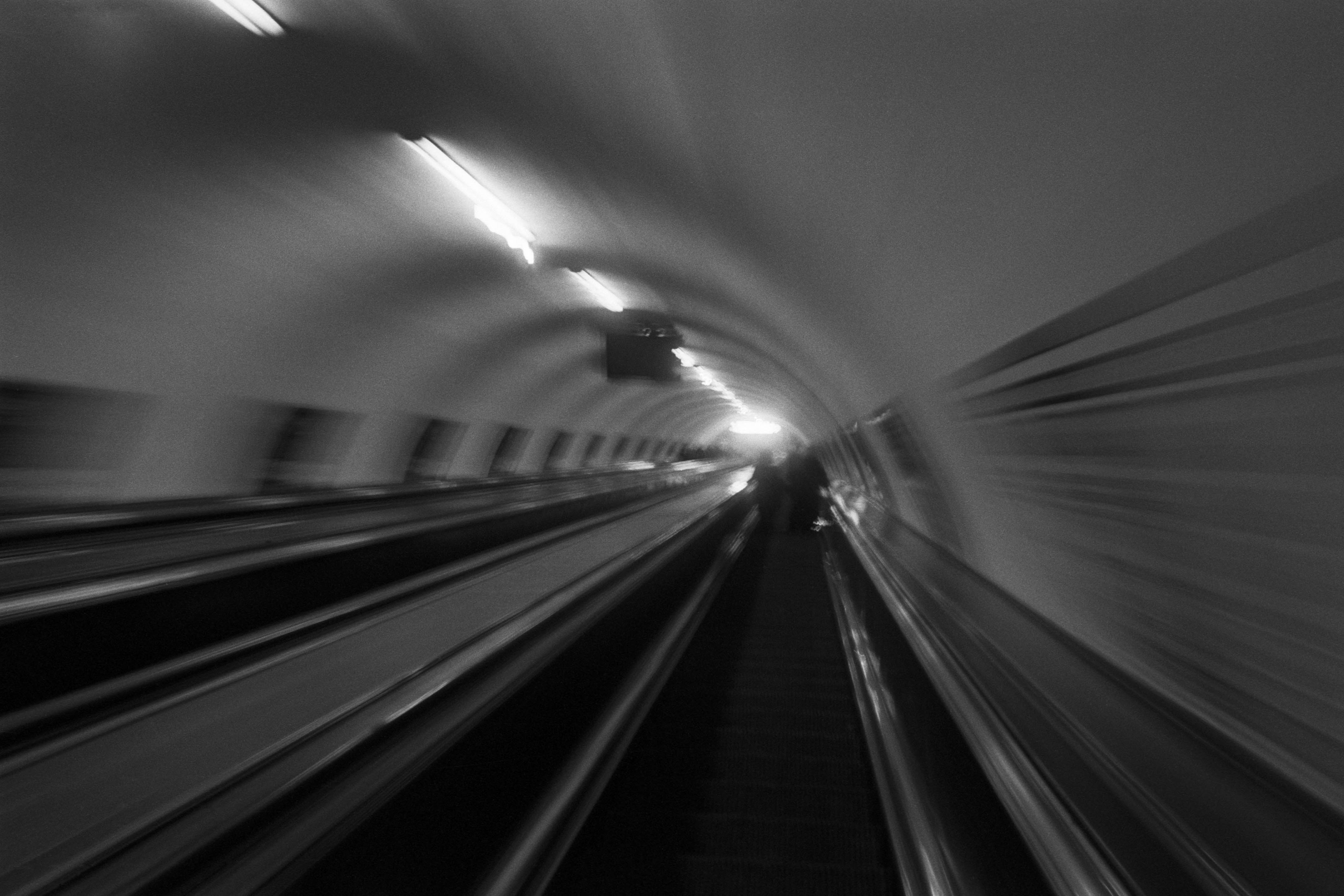
The Wall
2015Winner of the 1st prize & Golden Glass Award at the 11th Photographic Open Championship Olsztyn, and 1st place with the Special Prize of FORMAT magazine at the 3rd Biennial of Art in Piotrków Trybunalski.
View Series →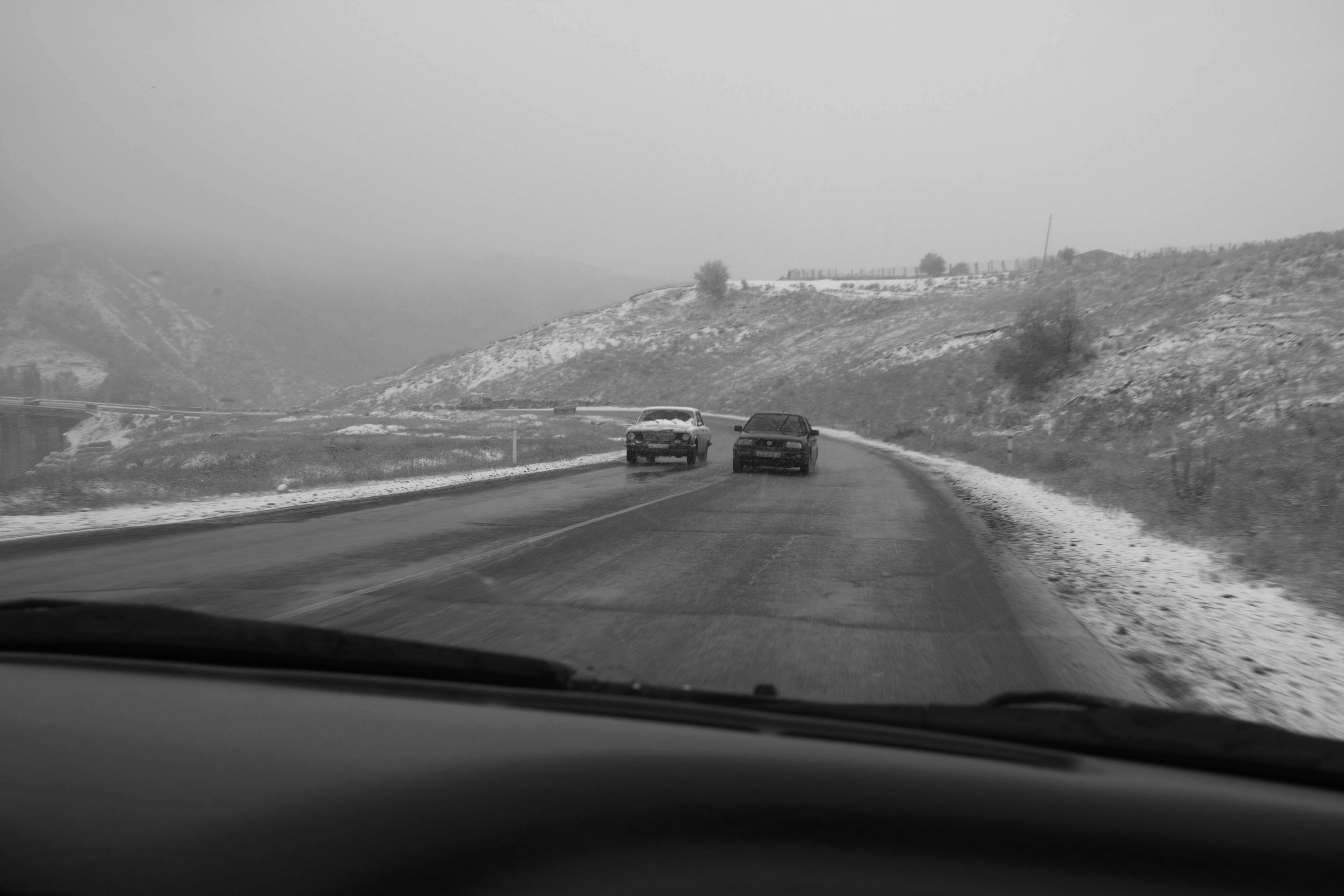
An Engagement Ring
2011A narrative series set in Wrocław in August 2011. Awarded 2nd prize & Silver Glass at the 10th Photographic Open Championship Olsztyn in 2014.
View Series →
Heat Wave
2014A documentary series recording spontaneous events across August and September 2014, capturing the raw energy of a city under the grip of summer.
View Series →