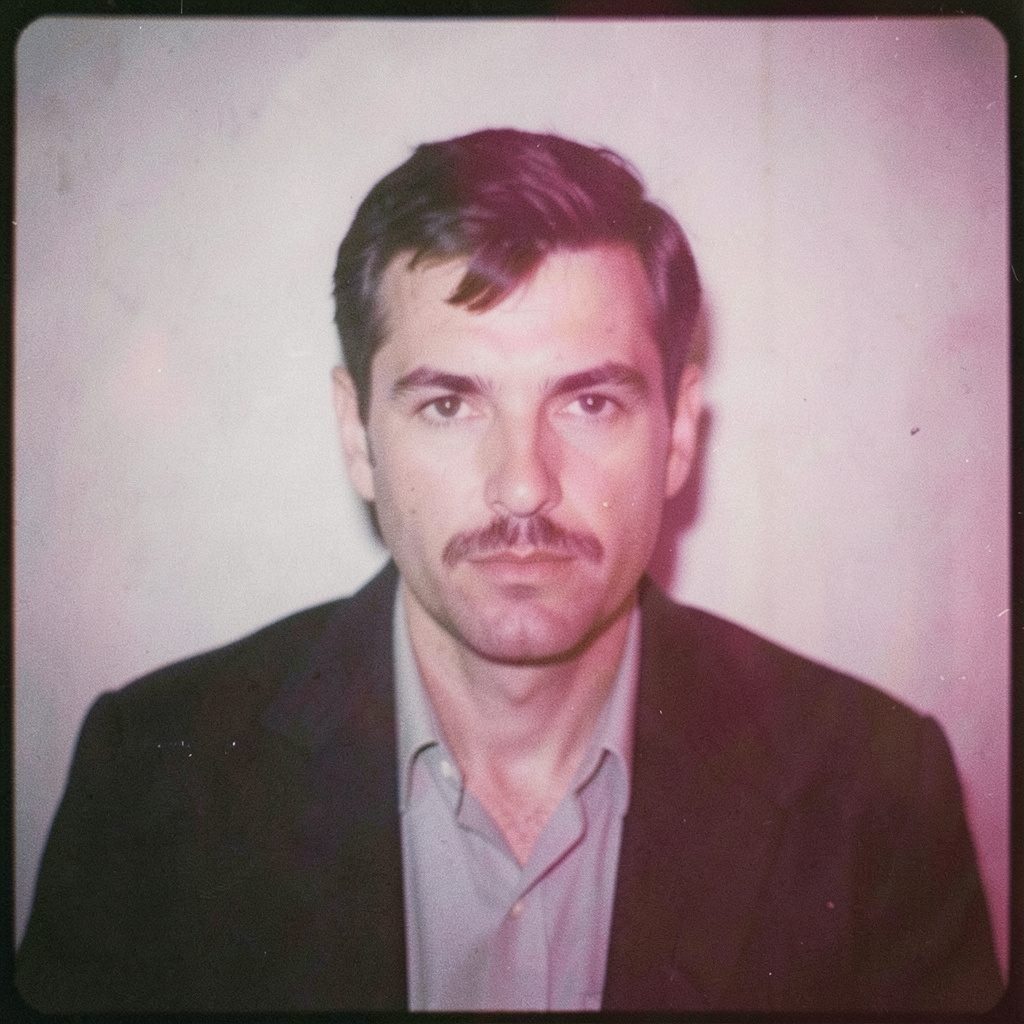
"Photography is not about the thing photographed. It is about how that thing looks photographed."
Why I prefer fixed focal length lenses for portraiture
Portraiture begins with attention. Before I think about aperture, film stock or lighting ratios, I need to understand how a person occupies a room, how they respond to silence and where their confidence appears in a gesture. A fixed focal length lens supports that process because it removes one decision from the camera and gives greater weight to position, timing and connection.
My work in Wrocław moves between business portraits, fashion, events and conceptual photographic series. I use digital cameras when speed and flexibility matter, while medium-format and black-and-white film bring a slower, tactile discipline. Across both approaches, prime lenses help me create photographs with a clear point of view rather than images assembled through constant technical adjustment.
A prime lens makes distance part of the portrait
A fixed focal length lens does not allow me to zoom from the same spot. If I want a tighter composition, I must move closer; if I want more space around the subject, I must step back. That physical adjustment changes the relationship between photographer and sitter. It can make a portrait feel intimate, observational, formal or slightly detached before the subject has changed expression.
For a head-and-shoulders portrait, I often reach for an 85mm lens on a full-frame camera. It gives flattering perspective without forcing me too far away, and it leaves enough room for conversation. A 50mm lens offers a more environmental view, allowing architecture, furniture or landscape to participate in the image. On medium format, the equivalent field of view feels especially calm because the larger negative gives the frame a distinctive presence and smooth tonal transition.
This choice is useful in Australian portrait sessions, where location often carries strong visual information. A corporate portrait in Sydney may need the vertical rhythm of a CBD façade, while a creative profile in Melbourne might benefit from a laneway, studio wall or carefully chosen piece of furniture. A prime lens encourages me to decide how much of that setting belongs to the person instead of casually including everything.
The frame becomes more deliberate
Zoom lenses are practical, especially at events or when a photographer must respond quickly to changing circumstances. Yet the convenience of changing focal length can encourage small, unconscious compromises. I can stand in one position and alter the frame repeatedly, refining the crop without considering whether my physical relationship to the subject feels right.
A fixed lens gives me a visual discipline. I begin to recognise its angle of view and understand how a person will look at different distances. Composition becomes an active movement through space: I look for a cleaner background, a stronger line, a more balanced negative space or a moment when the posture settles. This is particularly valuable for conceptual portraiture, where the position of the body and the surrounding atmosphere may be as important as facial expression.
The limitation also helps during fashion work. A model’s movement becomes part of the composition rather than something I chase with a zoom ring. With a 35mm or 50mm lens, I can include garments in relation to the location. With an 85mm or 105mm lens, I can isolate shape, texture and expression. The focal length sets a boundary, and that boundary makes the image-making process more intentional.
Optical character matters as much as sharpness
Portrait lenses are often discussed through technical language: maximum aperture, edge performance, autofocus speed and background separation. Those qualities matter, but a portrait is not successful simply because every eyelash is sharp. I am interested in how a lens draws skin, fabric, hair and light, and in how its contrast contributes to the emotional tone of the photograph.
Many prime lenses offer wide apertures such as f/1.4 or f/1.8. Used carefully, they create shallow depth of field and separate the face from a distracting background. I do not treat wide aperture as an automatic solution. At close range, depth of field can become so thin that one eye is sharp while the other dissolves. For a portrait with a more descriptive mood, f/2.8, f/4 or even f/5.6 may preserve enough of the surroundings to tell a fuller story.
The character of older lenses can be especially appealing when working with analogue methods. A slightly gentler rendering, distinctive flare or gradual fall-off can complement black-and-white film and darkroom-inspired printing. In a digital workflow, I may still look for that sense of texture rather than an aggressively clinical result. Artists whose work connects image, symbolism and material, such as Imelda Almqvist, remind me that visual character can carry meaning beyond surface polish.
Fewer choices create better contact
Portraiture depends on communication. People often arrive with a clear idea of how they should look in a professional photograph, particularly for a LinkedIn profile, annual report or company website. The photographer’s role is to create enough structure for that purpose while allowing the individual personality to remain visible.
A fixed lens helps me stay engaged with the person instead of constantly checking equipment. Once I know the focal length and exposure, I can watch for a change in posture, a relaxed mouth, a direct gaze or a brief expression that feels more authentic. I can give simple direction, then respond to what happens rather than interrupting every moment to reconsider the kit.
This matters in Australian commercial photography, where portrait sessions may be brief and practical. A business leader in Melbourne may have only twenty minutes between meetings. A team in Brisbane may be photographed outdoors before the heat and humidity become uncomfortable. In those conditions, a familiar prime lens allows the session to move efficiently while retaining a considered visual style.
A single focal length can also make the photographer’s presence more consistent. Subjects learn where I am standing and how close I will come. That predictability can reduce self-consciousness. The result is often a portrait with less performance and more observation, whether the setting is a quiet studio in Wrocław or a bright office near Sydney Harbour.
Choosing the right focal length for the assignment
There is no universal portrait lens. The right choice depends on the size of the location, the desired relationship between subject and background, the camera format and the mood of the commission. I prefer to decide before the session begins, then use movement and light to build the composition rather than carrying every option into the frame.
Australian assignments can require different practical decisions from European studio work. Long distances between cities may make a compact kit valuable when travelling from Perth to a regional location. Bright coastal light in Adelaide or Sydney can be beautiful but unforgiving, so a lens with a reliable hood and controlled flare is useful. For environmental portraits in Tasmania, a 50mm equivalent may give enough context for weather, landscape and clothing without making the subject feel distant.
The recommendations below describe how I usually match a prime lens to a portrait brief:
- Use a 35mm lens for environmental portraits where the workplace, street or landscape is an essential part of the story.
- Choose a 50mm lens for a natural perspective and flexible framing in studios, offices and informal editorial sessions.
- Reach for an 85mm lens when the face should dominate while the background remains softly present.
- Consider a 105mm or 135mm lens for a more compressed, formal look, particularly in fashion or controlled outdoor light.
- Use a wider aperture for separation, but stop down when both eyes, clothing details or the surrounding scene need to remain legible.
- Walk around the subject before changing lenses; a different position often solves a composition problem more effectively than a new focal length.
- Carry one dependable backup option for paid work, especially when photographing teams, events or clients travelling on a strict schedule.
The discipline carries across film and digital work
My preference for primes is closely connected to the slower decisions of analogue photography. With medium-format film, every frame has cost in time, material and attention. I cannot rely on rapid bursts to discover the portrait afterwards. I need to read the light, consider the background and wait for a moment that feels complete.
That mindset remains useful with digital cameras. Digital capture provides immediate feedback and makes it possible to work efficiently at an event, during a corporate session or on a fashion production. The prime lens keeps some of the restraint of film in place. It encourages me to make a decision before pressing the shutter and to value a small sequence of purposeful frames over a large collection of near-duplicates.
Fixed focal lengths also suit the way I edit and print. A coherent lens choice can give a series a visual rhythm, particularly when several portraits appear together in a campaign or exhibition. Similar perspective and rendering allow differences in gesture, expression and environment to become more apparent. This is helpful for black-and-white work, where tonal structure and the relationship between face and space must carry much of the image.
I still use zoom lenses when the assignment demands them. Events, theatre work and fast-moving commercial productions can make changing lenses impractical, and a zoom can protect the photographer from missing an important moment. My preference for prime lenses is therefore not a rule against versatility. It is a deliberate way of working when portraiture calls for concentration, physical engagement and a clear visual point of view.
A fixed focal length lens gives me less control in the obvious sense, yet it gives me more control over the decisions that shape a portrait. I have to choose my distance, accept the perspective and build trust within that frame. For my practice, those restrictions produce photographs that feel more considered, more personal and more connected to the person in front of the camera.
Selected Series
A cross-section of commissioned and personal projects spanning fine art, commercial, and conceptual work.
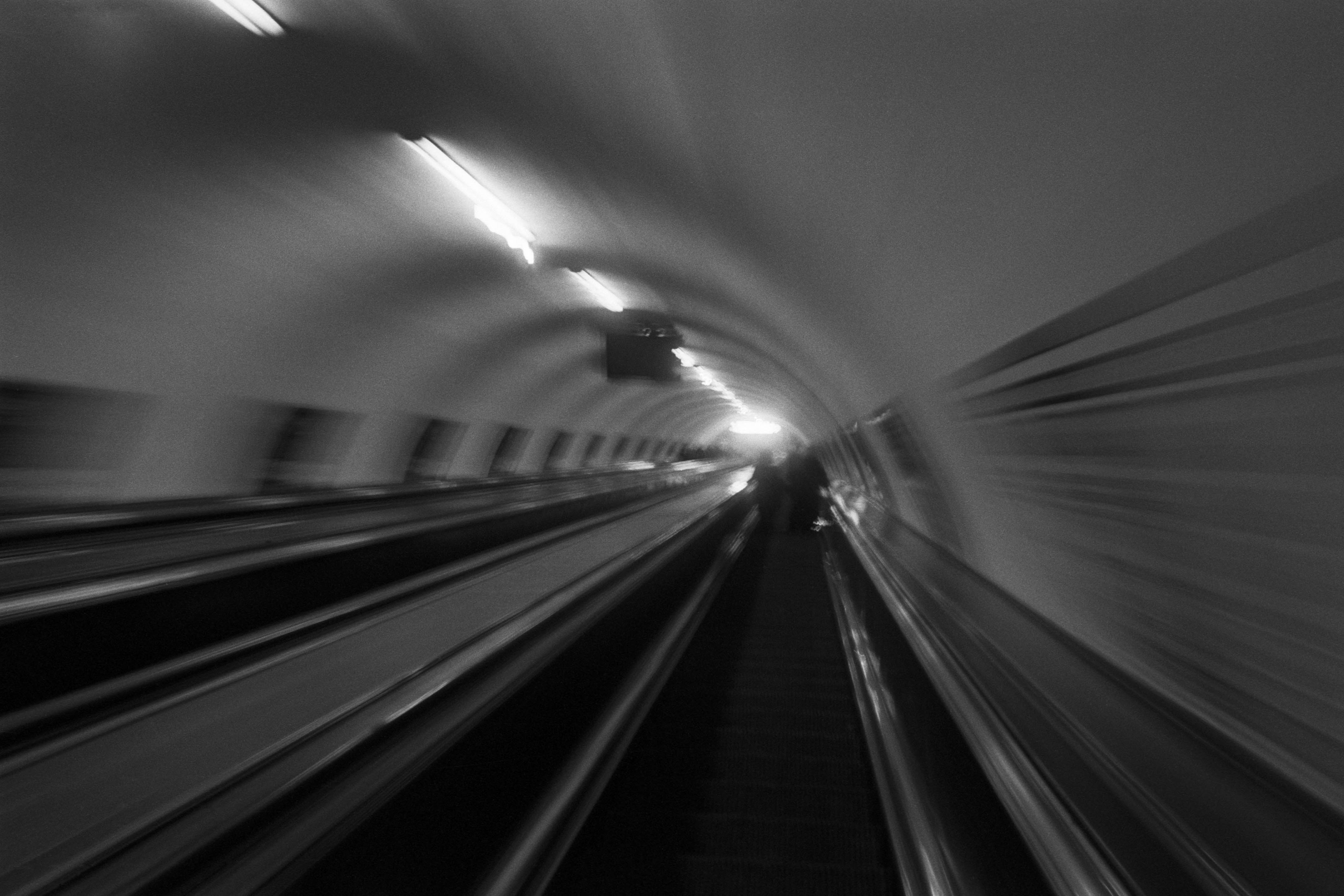
The Wall
2015Winner of the 1st prize & Golden Glass Award at the 11th Photographic Open Championship Olsztyn, and 1st place with the Special Prize of FORMAT magazine at the 3rd Biennial of Art in Piotrków Trybunalski.
View Series →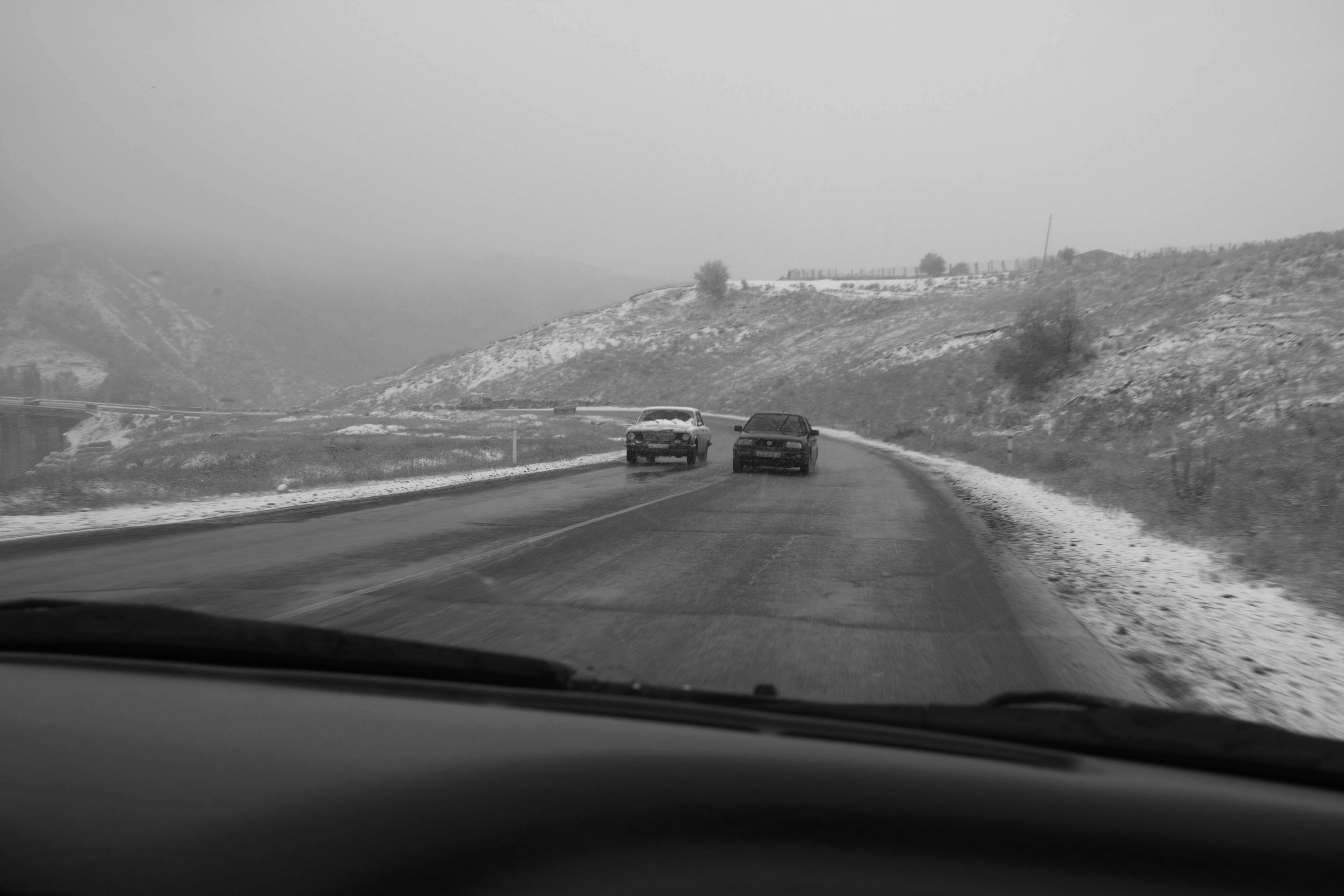
An Engagement Ring
2011A narrative series set in Wrocław in August 2011. Awarded 2nd prize & Silver Glass at the 10th Photographic Open Championship Olsztyn in 2014.
View Series →
Heat Wave
2014A documentary series recording spontaneous events across August and September 2014, capturing the raw energy of a city under the grip of summer.
View Series →