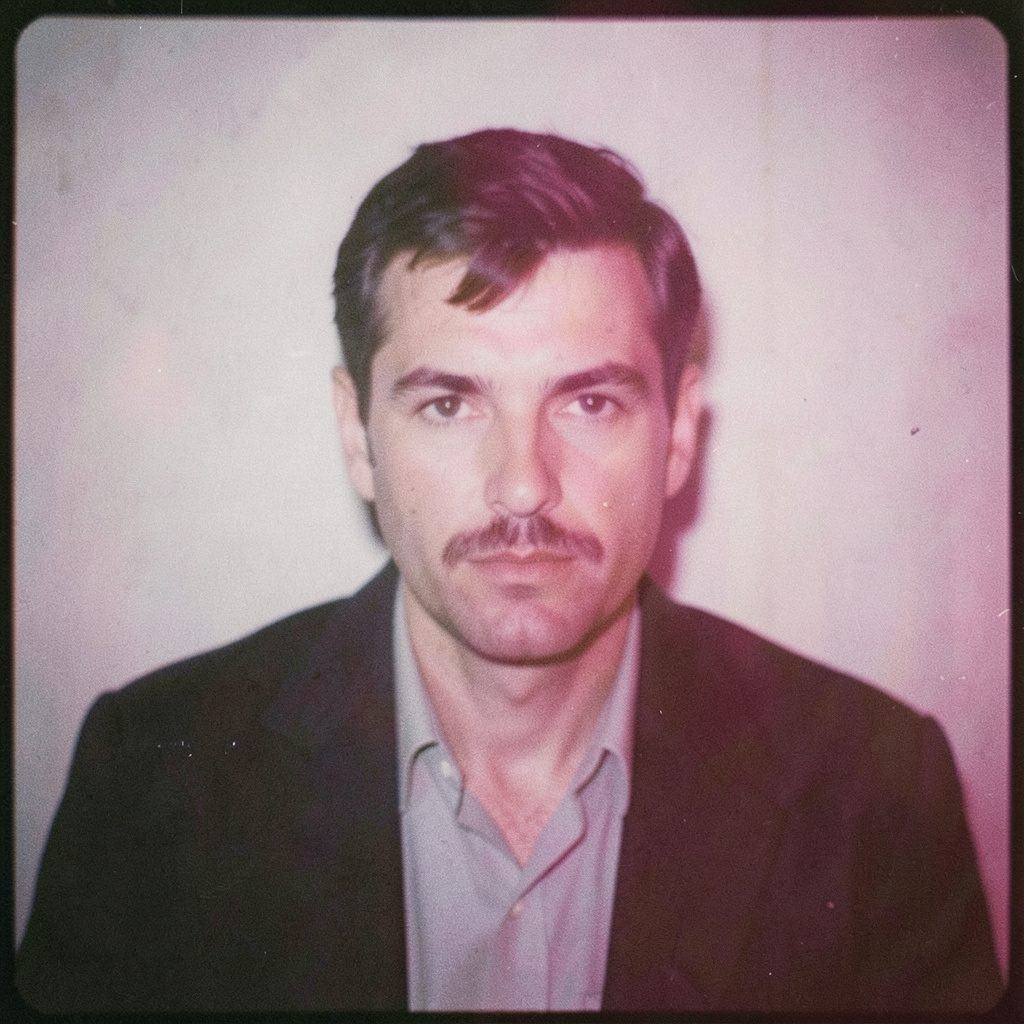
"Photography is not about the thing photographed. It is about how that thing looks photographed."
Why film still belongs on commercial shoots
Commercial photography is often associated with speed, consistency and immediate delivery. Digital cameras answer those needs brilliantly, especially when a campaign requires hundreds of frames, rapid previews or precise colour matching across a large set. Yet the commercial image can benefit from a slower, more deliberate process. Film introduces a different way of looking, one that rewards judgement before the shutter is released and gives a campaign a tactile visual character.
I shoot film alongside digital on commercial projects because the two mediums solve different problems. Digital provides flexibility and control, while medium-format and black-and-white film bring texture, restraint and a sense of permanence. The choice is not based on nostalgia. It is a practical creative decision shaped by the subject, the location, the intended audience and the way a brand wants to be remembered.
Film creates a more deliberate way of working
A roll of film places a useful limit on a shoot. When there are only a small number of exposures available, every frame receives more attention: the composition, the gesture, the background and the relationship between light and subject. This slower rhythm can be especially valuable during a business portrait session, where a person may need time to settle into an authentic expression rather than produce a succession of identical smiles.
That concentration changes the atmosphere on set. The photographer is less likely to chase endless variations and more likely to recognise the moment when the image has arrived. People often become more present when the process feels considered. In a boardroom, studio or quiet office, the camera becomes part of a conversation rather than a machine demanding constant performance.
The visual language of analogue photography
Film has a physical response to light that can be difficult to reproduce convincingly with a digital preset. Highlights can soften gracefully, skin can retain a natural density and fine grain can give a photograph a quiet material quality. Medium-format negatives are particularly effective when a portrait needs detail without looking clinical. The result can feel polished while retaining the irregularities that make a person or place believable.
Black-and-white film offers another kind of clarity. Removing colour directs attention towards shape, texture, gesture and contrast. It can suit an executive portrait, a designer’s campaign or a conceptual series where mood is more important than literal description. Darkroom principles still influence the way I expose and edit: I think about the final tonal structure before making the photograph, rather than relying entirely on decisions made after the shoot.
Digital capture keeps commercial work responsive
Digital photography remains essential when a project demands speed or a high volume of usable material. A fashion production may require several wardrobe changes, multiple angles and quick checks for styling details. An event assignment can involve keynote speakers, guests, branding and spontaneous interactions within a narrow schedule. Digital capture makes it possible to work efficiently while adapting to changing light, movement and client priorities.
It is also valuable when a campaign needs immediate review. A creative director can assess framing, expression and product placement while the team is still on set. This is useful for Australian agencies working across long distances, where a production may involve people joining remotely from Sydney, Melbourne or Brisbane. Digital files can move quickly through approval, retouching and delivery without waiting for laboratory processing.
A hybrid workflow gives the project more range
Using both formats does not mean photographing the same scene twice without a reason. I assign each medium a role. Digital may cover the broad commercial requirement: alternate crops, fast-moving action, product details and a dependable set of deliverables. Film may be reserved for the key portrait, a quieter fashion frame or a sequence that needs greater emotional weight.
The workflow begins before the shoot. I consider the campaign’s aspect ratios, print requirements, colour profile, retouching expectations and delivery schedule. Film is metered carefully, labelled and protected during transport. Digital files are backed up as soon as practical, while exposed negatives are handled as valuable originals. Scanning then becomes a considered stage of the process, translating the negative into a high-quality file without erasing its character.
Film suits portraits, fashion and events in different ways
In business portraiture, film can help move attention away from technical perfection and towards presence. A person does not need to look artificially flawless to appear capable and trustworthy. The slight density of a film negative can preserve a face’s structure and expression, making the final portrait feel confident rather than over-processed. This approach works well for founders, lawyers, architects and creatives who want a professional image with some individuality.
Fashion and conceptual photography benefit from the medium’s willingness to retain ambiguity. Fabric, skin, shadow and movement can merge into a more atmospheric image. At an event, digital is usually the practical choice for coverage, but a few film frames can record the character of the occasion: a speaker waiting backstage, an exchange between guests or the architecture around a crowded room. In Melbourne’s laneways or beside Sydney’s hard coastal light, the contrast between analogue texture and contemporary surroundings can be especially striking.
Commercial clients need confidence in the process
A film-based component works best when the client understands what it contributes. I explain which images will be captured on film, why they suit that part of the brief and how the negatives will be scanned and delivered. This makes the decision transparent. It also prevents film from becoming a decorative add-on with no connection to the communication goal.
Timelines matter in the Australian market, where a campaign might be planned in one city, photographed in another and distributed nationally within days. A Sydney brand may need assets ready for a Monday launch after a Friday shoot; a Perth production may require additional planning because of travel time and limited access to specialist services. Clear estimates for processing, scanning and retouching allow analogue work to fit within a professional production schedule.
Local light and place shape the decision
Australia offers an unusually broad range of commercial environments. The pale, direct light around Bondi can create strong edges and deep shadows, while overcast conditions in Melbourne can produce a softer, more even portrait. In Queensland, humidity and bright sun affect both the comfort of the subject and the way a location photographs. Film stock, exposure and development can be selected with those conditions in mind rather than treated as fixed technical settings.
Location also carries cultural and commercial meaning. A shoot in a Sydney office tower communicates something different from a portrait in a Fitzroy studio, a campaign near Perth’s coast or an event in Adelaide’s converted industrial spaces. Even practical language affects the working rhythm: teams may refer to an afternoon session as the “arvo”, and the tone on set is often direct, relaxed and collaborative. Good preparation leaves room for that flexibility without allowing the production to drift.
The finished image should have a longer life
Commercial photography is frequently judged by immediate performance, yet strong images can continue working long after a campaign has ended. A distinctive film portrait may appear on a website, in an annual report, across editorial coverage or in a printed publication years later. Its appeal comes from more than technical sharpness; it has a visual identity that helps a brand avoid looking interchangeable.
This balance between craft and communication is central to my practice, as described in my photographic biography. Traditional analogue methods, medium-format cameras, black-and-white work and digital production are connected rather than separated into competing identities. The final choice is always guided by the image’s purpose. When film and digital are used with intention, they create a commercial library that feels efficient, expressive and built to last.
Selected Series
A cross-section of commissioned and personal projects spanning fine art, commercial, and conceptual work.
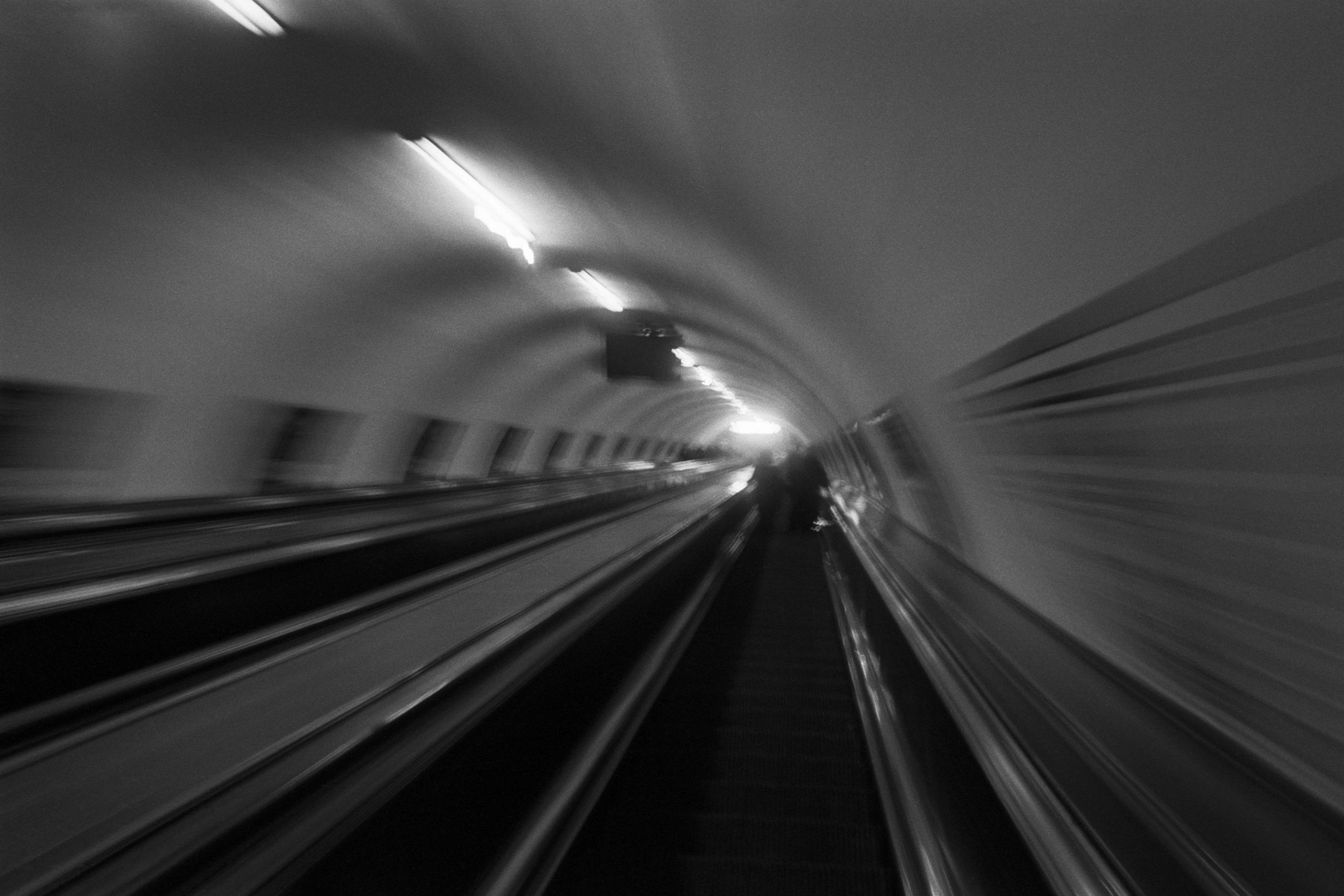
The Wall
2015Winner of the 1st prize & Golden Glass Award at the 11th Photographic Open Championship Olsztyn, and 1st place with the Special Prize of FORMAT magazine at the 3rd Biennial of Art in Piotrków Trybunalski.
View Series →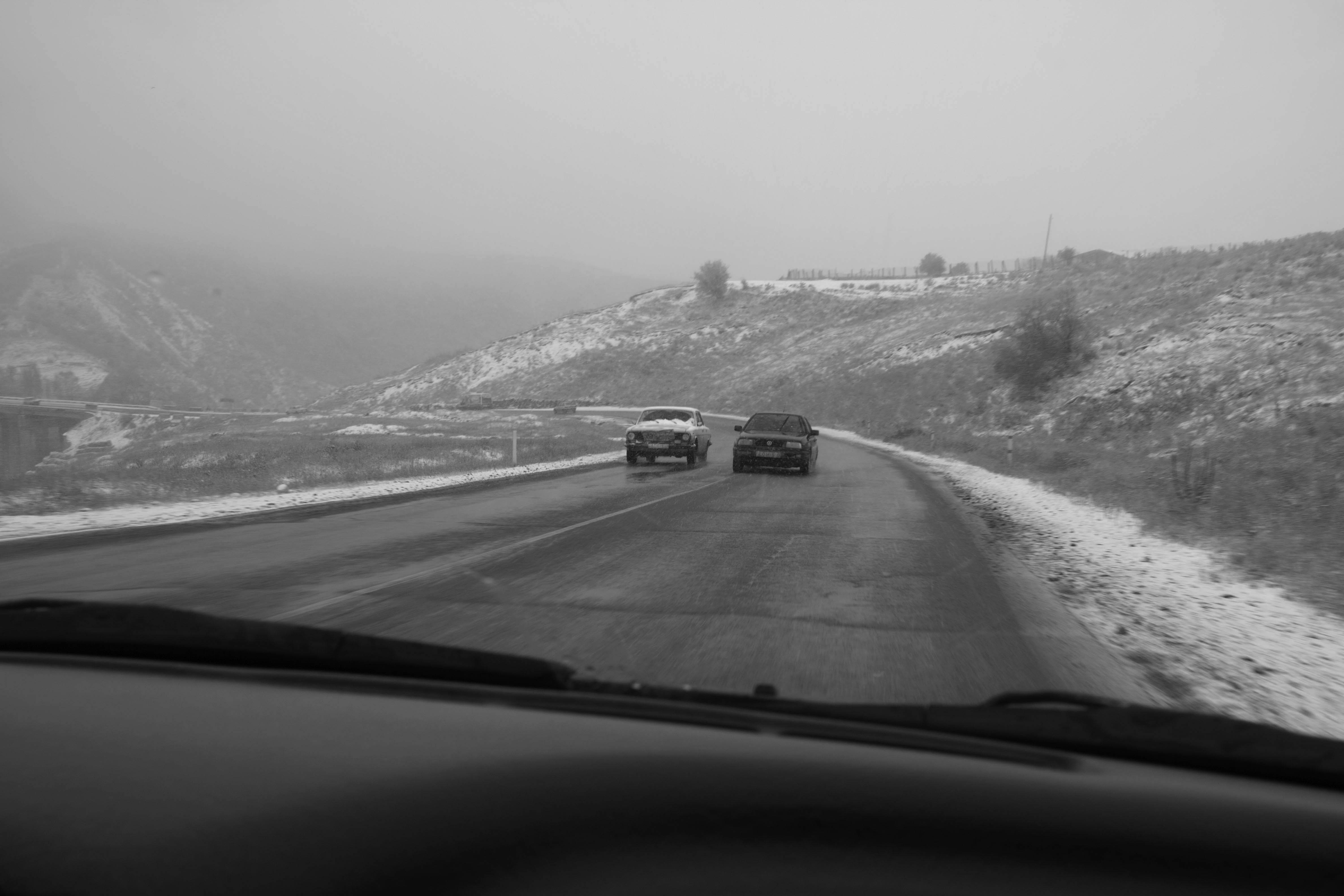
An Engagement Ring
2011A narrative series set in Wrocław in August 2011. Awarded 2nd prize & Silver Glass at the 10th Photographic Open Championship Olsztyn in 2014.
View Series →
Heat Wave
2014A documentary series recording spontaneous events across August and September 2014, capturing the raw energy of a city under the grip of summer.
View Series →