"Photography is not about the thing photographed. It is about how that thing looks photographed."
Why I Still Carry a Handheld Light Meter
I shoot with a handheld light meter rather than relying entirely on in-camera metering. It is a small instrument, yet it puts a deliberate pause between noticing light and recording it. Instead of accepting the camera’s suggestion immediately, I can measure the part of the subject that matters, decide how much light that exposure should contain, and then choose the framing. That separation is central to my practice.
My work in Wrocław ranges from business portraits and fashion to events and conceptual photographic series. Medium-format film, black-and-white emulsions and traditional darkroom thinking remain important, alongside digital workflows for commercial assignments. A handheld meter connects these approaches. It gives both film and digital photography a common foundation: a measured starting point informed by the subject rather than an automatic interpretation of the entire frame.
Separating exposure from composition
Most in-camera meters read through the lens and combine measurements from different parts of the frame. Evaluative, centre-weighted and spot patterns offer useful control, but the reading remains tied to what the camera sees. A window, a white wall or a dark jacket can influence the result, even when those areas are not the subject.
A handheld meter gives me more freedom in choosing where to take the reading. I can measure a face, a piece of fabric or a specific surface without pointing the camera at it. Reflected readings are usually based on an assumed middle-grey reflectance of around 18 per cent. That assumption provides a useful reference, but it is not a law of brightness. A face in shadow, pale linen against a dark background and glossy satin require different exposure decisions. Choosing the target is therefore part of the photographic judgement.
This becomes especially valuable when the subject is moving. During a fashion session, a model may change posture just as I would press the shutter. During a business portrait, a subtle turn of the head can move the face in and out of shadow. I can establish the exposure first, compose afterwards and avoid reacting to a meter reading that was never quite intended. A camera’s spot metering and exposure lock offer similar benefits, but separating the two tasks makes the process more transparent to me.
Reading light without digital assistance
Film photography makes meter readings more consequential. A digital camera can display the result immediately, with a histogram, highlight warnings and live exposure feedback. Film offers no such preview before the negative is developed. If a highlight clips on transparency film, the lost detail cannot be recovered in the darkroom. The same applies to digital sensors, although some raw files retain more highlight information than the camera preview suggests.
The meter helps me establish a sound base exposure, but a correct reading does not automatically make the lighting suitable. A face may be correctly exposed while a bright window behind it is overwhelmed, or a white shirt may look attractive in the preview while becoming a featureless white shape on film. Checking the brightest important areas protects detail without making every shadow dense and lifeless.
My usual workflow is straightforward: measure the relevant surface, choose an aperture and shutter speed that preserve the character of the light, and make a test frame when the situation warrants it. With black-and-white film, I pay particular attention to highlight density because of the tonal separation required for printing. The negative is only one part of the process, but it is the part I can no longer alter once the exposure has been made.
Consistency across film and digital
A handheld meter also creates continuity. A corporate portrait series may include several people, different clothing and changes in room lighting. The wedding and events market may involve movement between reception spaces, outdoor areas and speeches. In my own fine-art projects, consistency often matters more than a dramatic adjustment from frame to frame. Keeping the exposure settings deliberate helps prevent one room, face or background from setting an accidental standard for everything that follows.
This does not mean every photograph should share the same settings. It means the changes should be intentional. I might keep the aperture and shutter speed fixed for a sequence of portraits, then alter the exposure to place a figure more clearly against a bright window. A handheld meter provides a dependable reference from which those departures can be made with confidence.
Digital cameras have sophisticated metering systems, and a competent camera meter is entirely capable of producing accurate exposures in ordinary conditions. I do not treat the handheld meter as a substitute for that technology. Its value lies in a different working rhythm: measurement, decision and composition become distinct acts. The camera remains a precise exposure tool, but it does not have to make every exposure decision for me.
Australian light and working conditions
Australian light presents many reasons to measure carefully. Brisbane can have intense overhead sun, producing hard facial shadows and bright reflections on skin. A face metered in open shade may need a different exposure from the same face turned towards the light. Perth’s dry brightness and Sydney’s strong coastal light create similarly demanding contrast, particularly in portraits taken near windows or outdoors.
Melbourne’s changeable sky calls for another kind of attention. Cloud cover can transform a hard midday scene into something much softer within minutes, while a corporate portrait session may have to continue under whatever light the building provides. Rather than automatically applying one compensation for shade or cloud, I compare readings and watch how the light actually falls across the subject.
Commercial schedules in Sydney and Melbourne add a practical constraint. A corporate portrait day may need to accommodate multiple people, wardrobe changes, different backgrounds and short breaks between setups. Repeatable exposure decisions reduce uncertainty when the timetable is tight. The goal is not technical rigidity; it is to spend attention on the person in front of the camera rather than on repeated uncertainty about the camera settings.
Australia’s events and wedding market places a premium on natural, unobtrusive documentation. Celebrations often move between speeches, dining areas, outdoor lawns and evening entertainment, where ambient light can fall quickly. A handheld meter supports fast adjustments without demanding attention to a camera menu or a bright screen in a crowded room. It is also valuable when photographing the many skin tones represented in Australian communities. I aim for texture and tonal separation in each face rather than assuming that a single grey reference describes everyone equally.
The limits of measurement
A meter measures light; it does not understand the photograph I want to make. Its reading may be technically accurate and artistically wrong. A silhouette needs the background to hold exposure while the subject becomes dark. A high-key fashion image may require detail to remain in a pale background. A conceptual portrait may depend on an unexplained patch of shadow. In these situations, the meter supplies information, but I decide how to use it.
Reflective surfaces can also distort a reading. Red clothing, polished metal, glass and wet pavement may return less light than a general meter expects. Moving the meter slightly or taking another reading at the subject often reveals the problem. If flash is involved, the ambient meter measures only the existing light; it cannot replace a direct flash reading. Understanding these distinctions keeps the instrument useful without turning it into an unquestioning authority.
The case for a handheld meter is therefore not simply that it provides better numbers than a camera. Modern cameras can meter very well. The stronger argument is control, clarity and continuity across different assignments. I have an award-winning photographic practice, but equipment alone does not earn recognition. Judgement does.
What I value in the handheld meter is the interval it creates between seeing and recording. That interval allows exposure to become a deliberate choice rather than an automatic response. It supports the measured, analogue foundation of my work while remaining entirely practical in a contemporary digital workflow. For me, carrying it is less about distrusting the camera than giving each photograph a considered beginning.
Selected Series
A cross-section of commissioned and personal projects spanning fine art, commercial, and conceptual work.
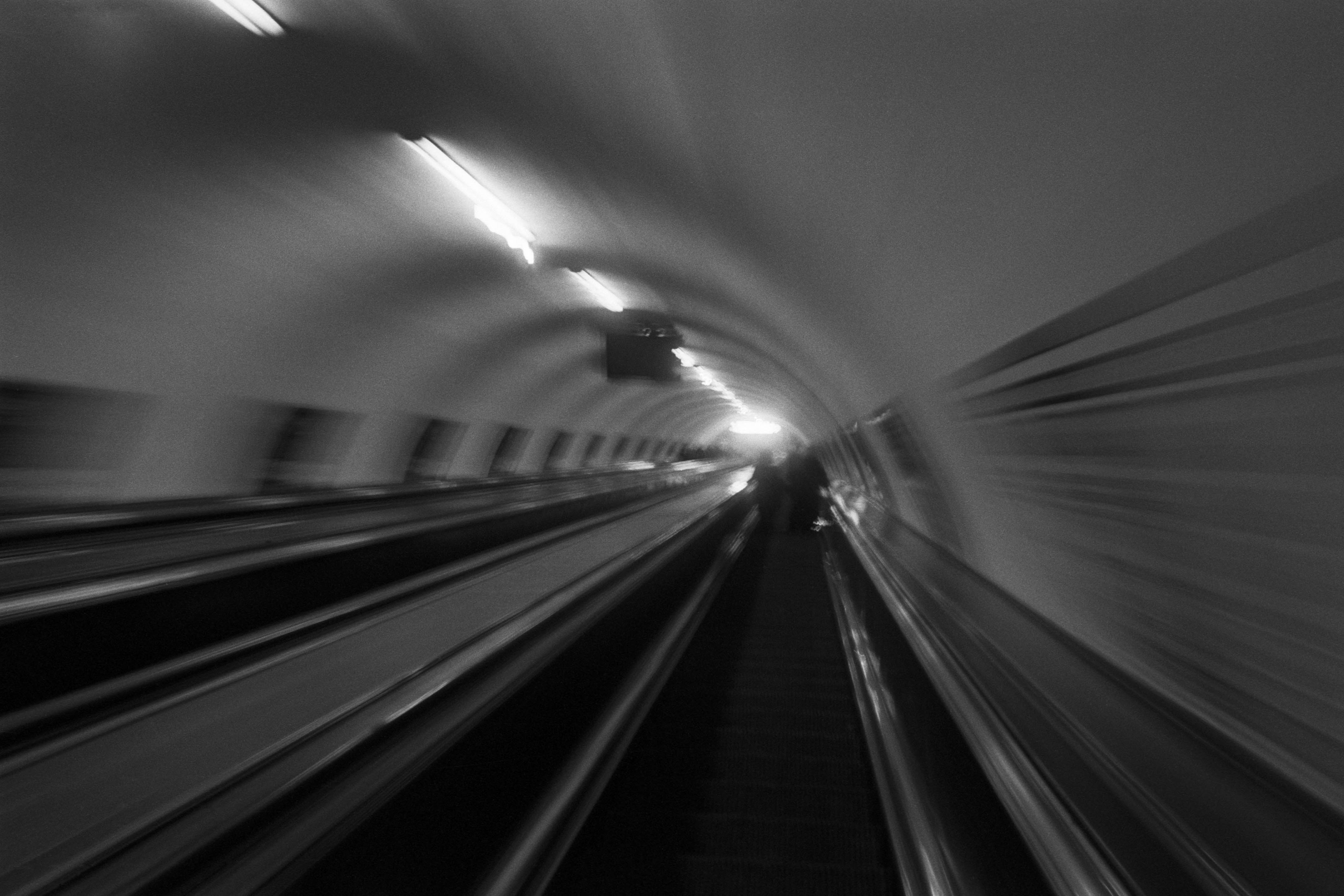
The Wall
2015Winner of the 1st prize & Golden Glass Award at the 11th Photographic Open Championship Olsztyn, and 1st place with the Special Prize of FORMAT magazine at the 3rd Biennial of Art in Piotrków Trybunalski.
View Series →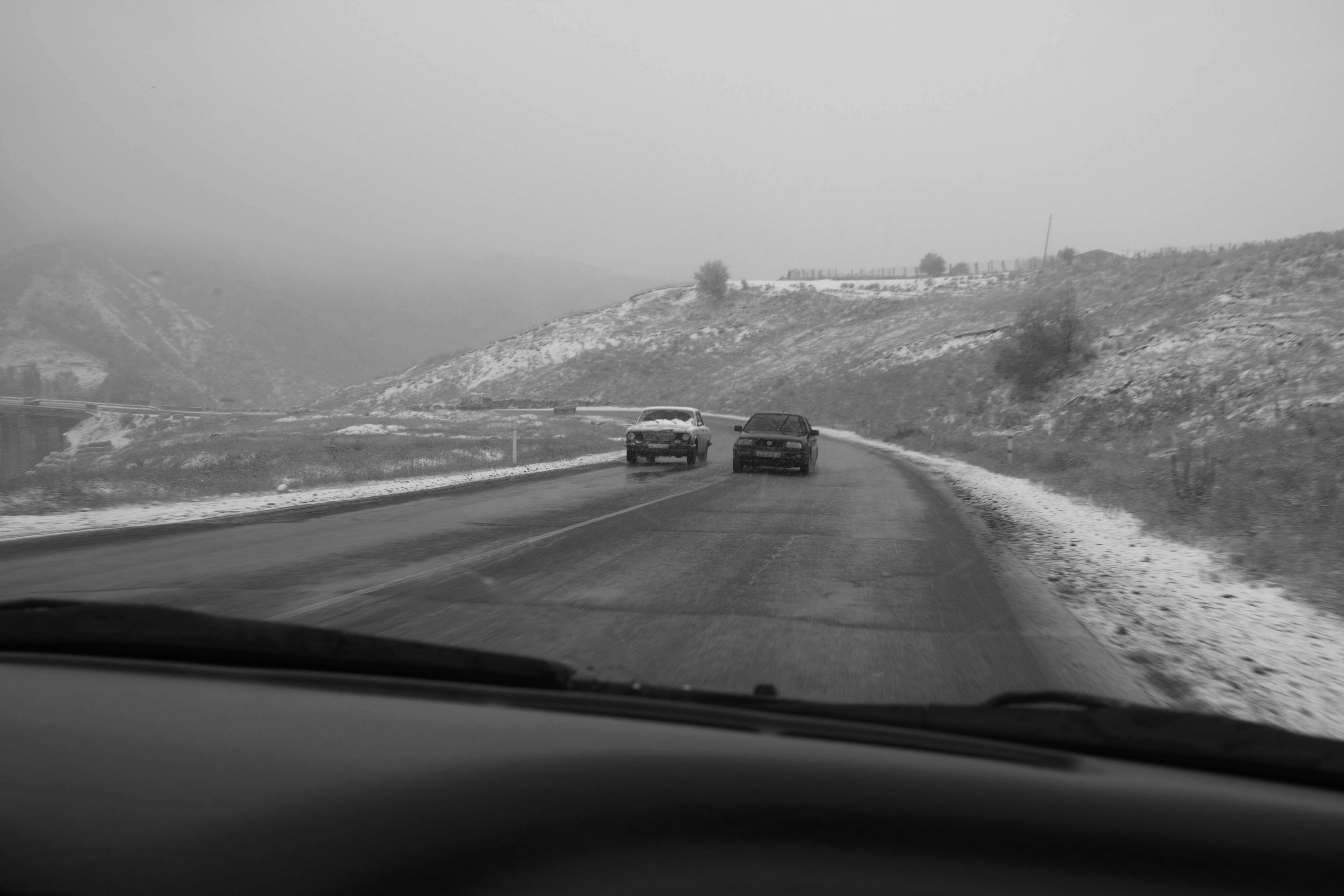
An Engagement Ring
2011A narrative series set in Wrocław in August 2011. Awarded 2nd prize & Silver Glass at the 10th Photographic Open Championship Olsztyn in 2014.
View Series →
Heat Wave
2014A documentary series recording spontaneous events across August and September 2014, capturing the raw energy of a city under the grip of summer.
View Series →