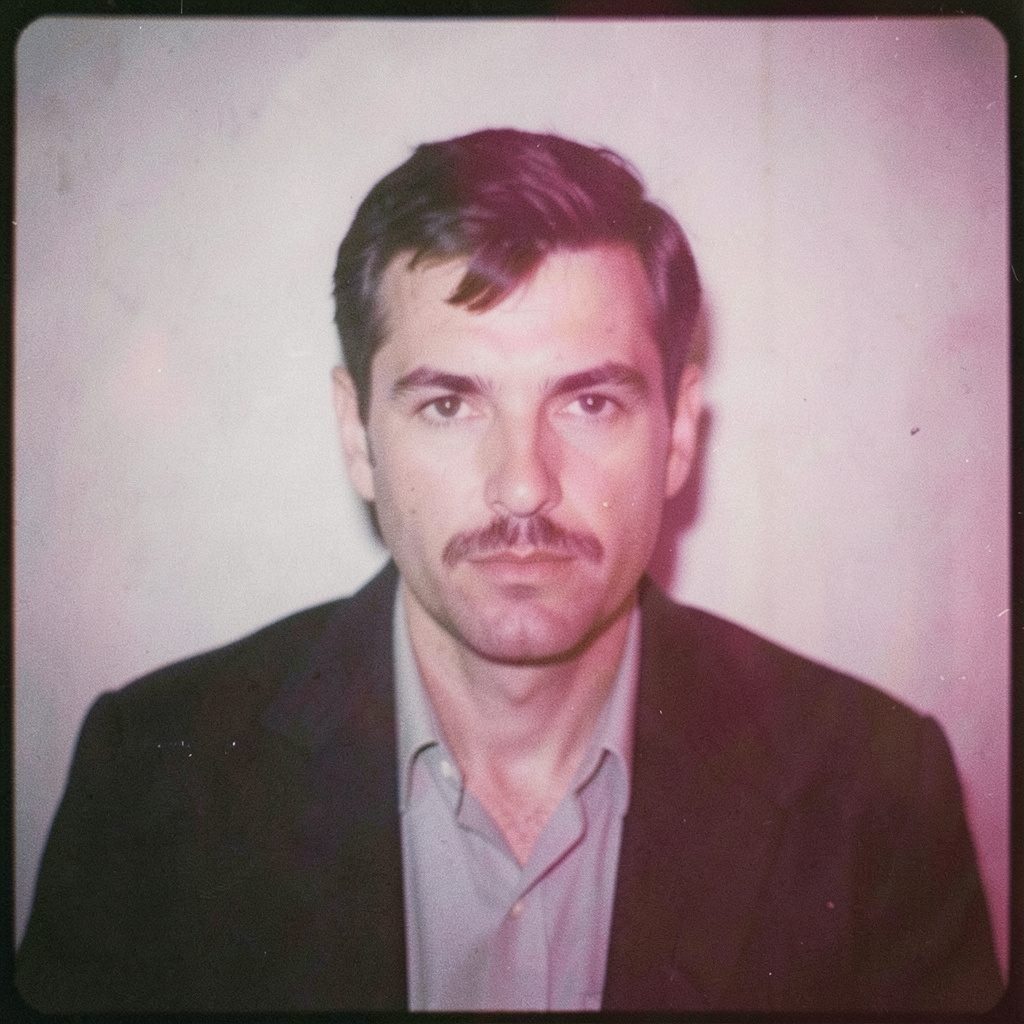
"Photography is not about the thing photographed. It is about how that thing looks photographed."
The weekly challenge that reframed my photography
I started a weekly photo challenge for myself with one deliberate rule: make a single considered frame every week and examine it honestly before moving on. There was no public streak to maintain, no engagement target, and no requirement to turn the result into a social media post. The purpose was private. I wanted to replace the habit of waiting for a commissioned brief with a rhythm of noticing, choosing and finishing.
The challenge also gave my analogue habits a place within a digital workload. I could work with medium-format film and black-and-white, print using darkroom principles, or move through a digital workflow. Whatever the tool, the assignment remained the same: pay attention, commit to an interpretation and sit with the result. That combination of structure and freedom changed how I approached both personal series and paid assignments.
For Australian photographers, the idea may be especially relevant in a market where one shoot can supply a website, campaign, paid social campaign and event recap while clients expect polished digital delivery. The local rhythm is quick, but attention does not have to be rushed. My weekly challenge became a way to protect the slower part of photography: the moment before composition becomes a calculation.
Briefs were hiding a harder problem
Commissioned work provides welcome direction. A business portrait needs to communicate confidence, a fashion shoot follows agreed references, and an event has a schedule full of moments worth recording. My challenge removed those signposts. I had to decide what interested me, then accept that my choice might not resemble a conventional commercial brief.
Australian commercial photography often operates through a mixture of direct commissions, creative agencies and in-house marketing teams. The visual idea may be settled before the photographer arrives, yet the final images still need to work as vertical posts, wide banners, press crops and website headers. That makes visual consistency crucial, even when the immediate subject feels personal. A weekly exercise helped me find a point of view before a brief supplied one.
The discomfort was useful. It exposed how often I postponed personal work until conditions felt perfect: the right weather, a free afternoon, a concept mature enough to justify the effort. A weekly frame offered no permission to wait. Even an imperfect photograph became evidence that I had noticed something, made a decision and completed the process.
Attention became the real subject
A Melbourne laneway can contain a café queue, painted brick, delivery scooters and a narrow shaft of late light. A coastal walk near Bondi can shift from cool blue morning to hard midday glare within a few hours. Instead of chasing a grand subject, I practised turning these specific surroundings into photographs with a clear intention.
The exercise changed the pace of looking. I began noticing how people occupy space, how shadows describe the shape of a building and how a stranger’s clothing changes the geometry of a street. The subject was rarely only the person or place in front of me. It was the relationship between movement, light and surroundings.
People added another layer. The Australian habit of saying “no worries” or “fair enough” can make an exchange feel easygoing, while “have a go” often signals permission to try something. I treated those expressions as social context rather than a performance. The important part was listening, asking before photographing and catching the small shift when a stranger stopped being a subject and became a participant.
A rhythm that worked across film and pixels
I began reviewing the weekly frame on Monday arvo, a familiar Australian marker for the early-week pause used for planning and administration. The ritual was modest: choose a theme on Sunday, make the photograph, then edit it with the same care I would apply to a client file. Themes such as “shelter,” “hands at work” or “the edge of water” gave each week a spine without dictating the outcome.
Medium-format film made the limitations tangible. Each frame cost time and demanded confidence in framing, while black-and-white forced decisions about tone before colour could distract me. In the darkroom, I could watch the image emerge rather than treating it as an immediate file. Digital work offered a different speed, but I applied the same discipline: fewer variables, a clear purpose and time reserved for judgement rather than constant adjustment.
This rhythm also improved my commercial practice. Preparing a weekly frame helped me arrive at a portrait session with a visual vocabulary, notice inconsistent backgrounds and explain choices to a client. It trained the part of my mind that works between the brief and the photograph, where a technically correct image still needs a reason to exist.
Constraints that opened more doors
At first, I restricted myself to one photograph with one camera, sometimes one lens and occasionally a single film stock. The rule felt severe, but it removed the temptation to collect options. I could no longer rescue a weak idea by moving closer, changing format or waiting for better light. Whatever the frame contained had to carry the idea on its own.
That limitation strengthened conceptual series. A theme developed across several weeks, and each image gained meaning from the one before it. Fine-art work benefits from this kind of editing because sequence matters. The viewer is invited to recognise a shared concern rather than merely browse a collection of attractive but unrelated pictures.
Constraints also sharpened commissioned work. A fashion assignment might permit only one outfit, location and lighting setup, making visual coherence essential. Event coverage demanded something different: the ability to recognise a decisive moment before it disappeared. My weekly practice moved between those extremes, training both patience and speed.
Perfectionism without the frozen moment
Perfectionism can look productive because technical control is measurable. Focus could be sharpened, a distracting object removed, exposure corrected and skin retouched until the file met a predetermined standard. Yet the real photograph often happens before all those refinements. A gesture changes, light crosses a face or someone turns away. Waiting for complete control can mean missing the living moment.
The challenge made me keep imperfect frames instead of hiding them. I would ask what the image was trying to do, then test whether its flaws weakened that purpose. Grain, blur or an awkward crop might be appropriate to a conceptual series but unsuitable for a corporate portrait. I began editing with intention rather than automatically smoothing every irregularity.
This distinction matters in Australia’s digitally led market, where clients expect clean files, multiple crops and rapid revisions alongside deliverables. Digital precision remains essential, but precision should serve the photograph. A business portrait can be flawlessly rendered and still fail to convey warmth. A fashion image can be technically controlled and emotionally flat. The weekly frame taught me to recognise the difference.
Where personal discipline met the market
The weekly images gradually became more than an archive of dates. Grouped by theme, they formed the foundation for fine-art series and added credibility to my commercial portfolio. The background on my biography page traces my work as an award-winning photographer based in Wrocław, Poland, where business portraits, fashion, events and conceptual photography meet analogue practice and digital production.
Australian clients understand the practical demands of commissioned work. A portrait may need to work across a company website and recruitment campaign. Fashion imagery may be licensed for a limited period and distributed through an agency. Event photographs may need to be delivered within hours, with colour-corrected files separated from a quick social edit. Clear scope, agreed usage and dependable delivery are as important as the image itself.
Personal discipline made those conversations easier. Instead of arriving with a vague claim that the photographs would be “authentic,” I could explain how an idea developed, why a particular location suited it and how the final series would remain coherent across formats. The challenge did not replace client service; it gave me a stronger basis for making and defending creative decisions.
A practice larger than a single frame
Over time, the challenge became a form of self-direction that did not depend on likes, comments or external assignments. I could return to it after a demanding commercial period and still have a place to make pictures for my own reasons. The series created a record of changing interests, technical experiments and recurring preoccupations.
The most valuable outcome was not a perfect weekly image. It was the ability to begin without certainty. I became more comfortable choosing a subject, accepting a limitation and completing an interpretation. That confidence carried into paid work, even when the pressure of deadlines and multiple deliverables made the process feel less spontaneous.
I began the challenge because I wanted to make photographs consistently rather than occasionally. It gave structure to attention and turned observation into a practice. The frame became less important than the person who made it: more alert to ordinary places, more honest about the images I rejected and more willing to finish what I started.
Selected Series
A cross-section of commissioned and personal projects spanning fine art, commercial, and conceptual work.
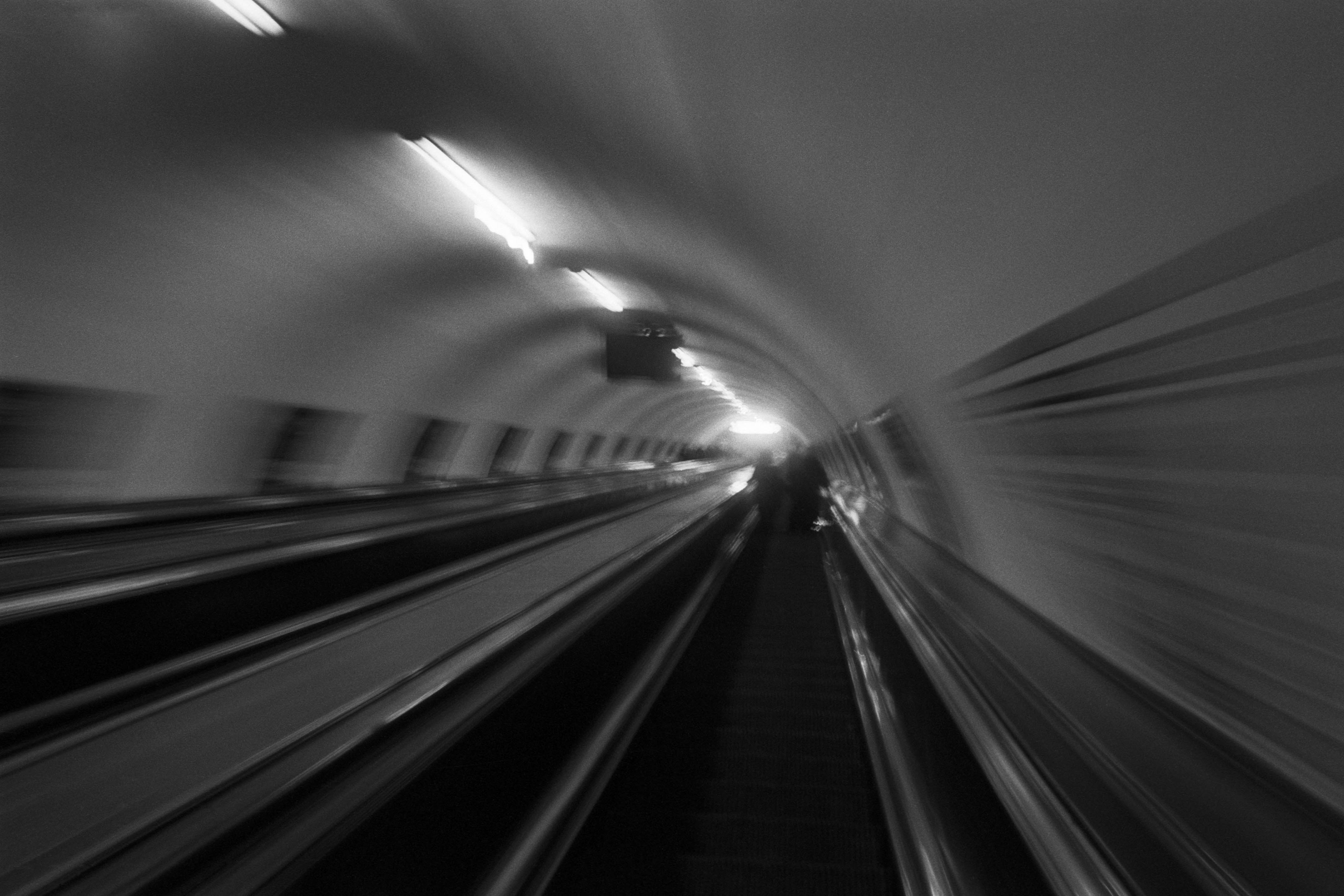
The Wall
2015Winner of the 1st prize & Golden Glass Award at the 11th Photographic Open Championship Olsztyn, and 1st place with the Special Prize of FORMAT magazine at the 3rd Biennial of Art in Piotrków Trybunalski.
View Series →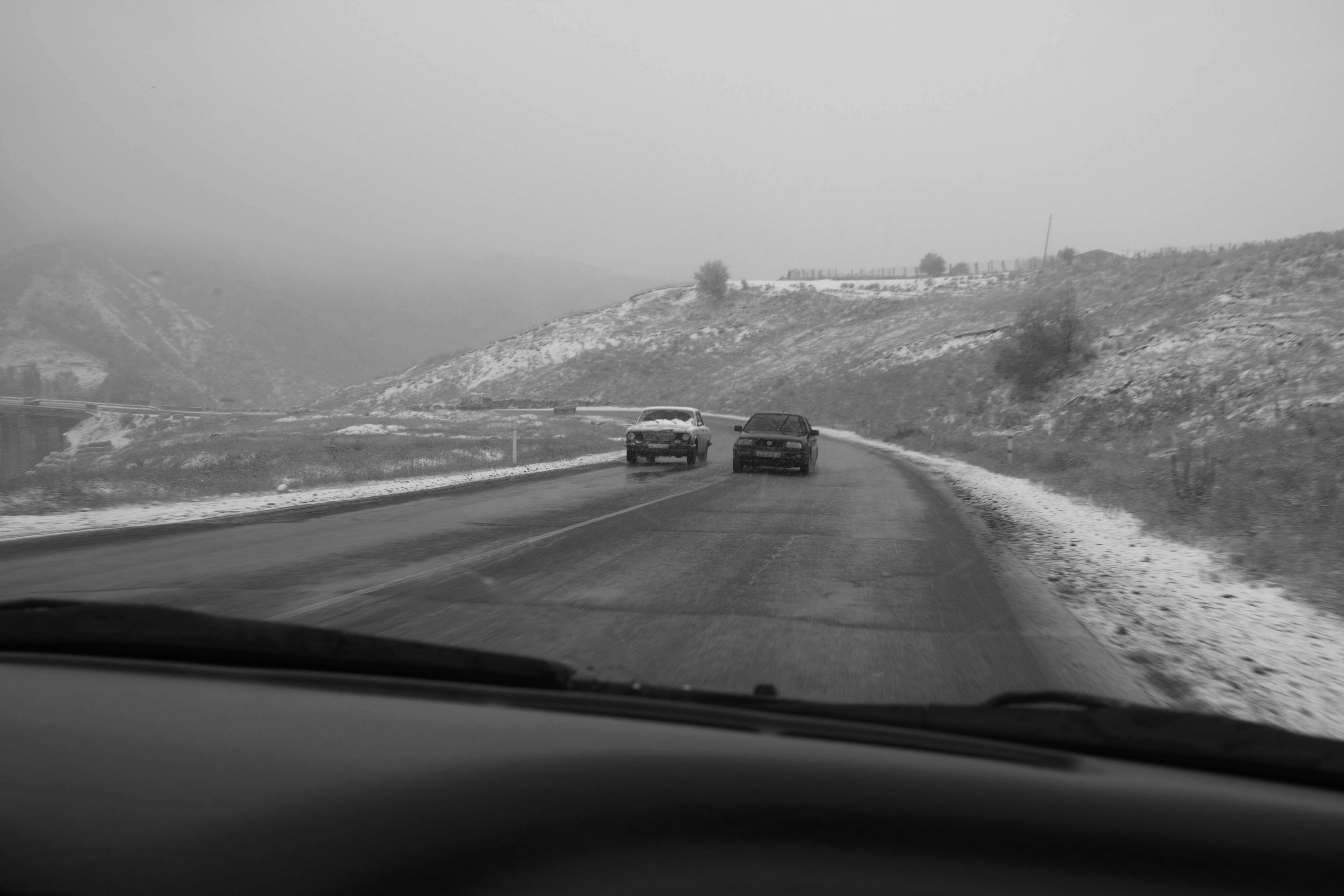
An Engagement Ring
2011A narrative series set in Wrocław in August 2011. Awarded 2nd prize & Silver Glass at the 10th Photographic Open Championship Olsztyn in 2014.
View Series →
Heat Wave
2014A documentary series recording spontaneous events across August and September 2014, capturing the raw energy of a city under the grip of summer.
View Series →