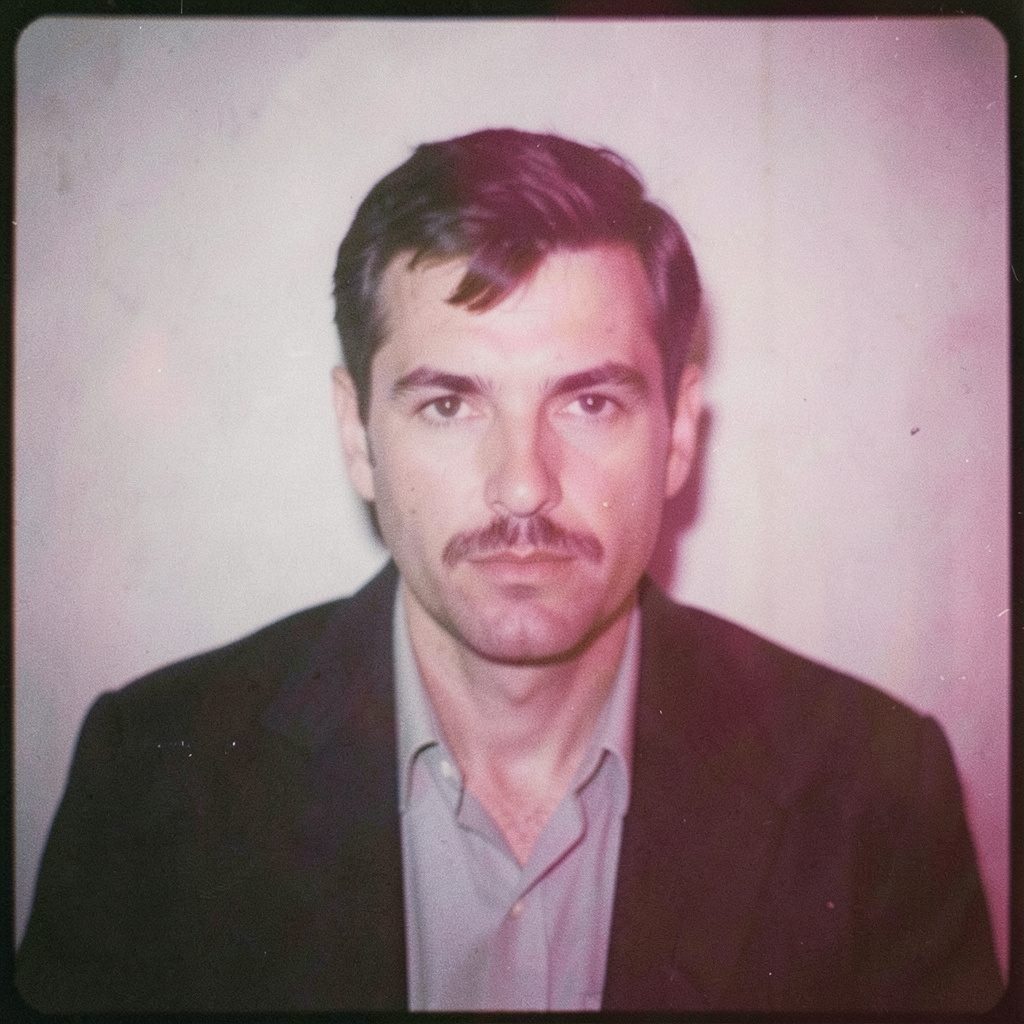
"Photography is not about the thing photographed. It is about how that thing looks photographed."
Why a tripod changes the way I make portraits
A tripod is one of the first pieces of equipment I place on set, whether I am photographing a business leader, a fashion editorial or a quiet black-and-white portrait. It may appear restrictive at first. Portraiture is often associated with movement, instinct and fast reactions, while a tripod seems to anchor the photographer to one position. In practice, that fixed point gives me greater control over almost every important decision.
The tripod supports the camera, but its real value is psychological. Once I am no longer concerned with holding a precise composition by hand, I can concentrate on the person in front of me. I notice a change in posture, a glance away from the lens or the moment when a guarded expression becomes natural. The camera remains ready while the conversation carries the session forward.
This approach is especially useful when working with medium-format film, slower shutter speeds or carefully shaped artificial light. It also applies to digital photography, where a stable camera makes it easier to refine framing, focus and exposure. A tripod is not a substitute for visual judgement or direction; it creates the calm conditions in which both can work properly.
For photographers working with portraits in Australia, stability has another advantage. Bright coastal light, reflective office interiors and rapidly changing outdoor conditions can make exposure decisions demanding. Whether the session takes place in a Sydney boardroom, a Melbourne laneway or a Brisbane studio, a tripod helps preserve consistency from one frame to the next.
A stable camera creates deliberate compositions
Handheld photography encourages constant adjustment. The frame shifts slightly as the photographer moves, raises the camera or follows the subject’s body language. That flexibility can be valuable, especially for energetic editorial work, but it can also introduce small inconsistencies. The subject may be positioned beautifully in one frame and awkwardly in the next because the camera angle has changed by only a few centimetres.
With a tripod, I can establish the composition before making the portrait. I decide how much space belongs above the head, where the shoulders sit within the frame and how the background supports the subject. Once the camera is locked, I can direct the person without losing that visual structure. Small changes in expression become the main variations rather than accidental shifts in perspective.
This is particularly important when the background has architectural lines, furniture or graphic elements. A vertical edge that is balanced beside a subject in one frame may become distracting when the camera drifts. A fixed camera position protects the relationship between the person and the surrounding space, producing a portrait that feels considered rather than merely captured.
It gives the subject room to relax
Many people are uncomfortable in front of a camera because they feel watched by an object that keeps moving towards them. A photographer who constantly raises the camera, steps closer and changes position can unintentionally increase that pressure. The subject may begin performing for the lens instead of responding naturally to the situation.
A tripod changes that dynamic. After setting the composition, I can lower my hands, make eye contact and speak normally. The camera is still present, but it is no longer interrupting every exchange. This is valuable when photographing executives for an Australian company profile, where the subject may have limited time and little previous experience with portrait sessions.
The difference can be subtle. Someone might begin with a formal, fixed expression and gradually settle as the conversation continues. Because the camera is already prepared, I can photograph that transition without making the person feel that every movement requires a new technical adjustment. The best frame often arrives after the subject has stopped trying to look like a subject.
Slow shutter speeds become practical
A tripod allows me to work at shutter speeds that would be risky when holding the camera by hand. That matters in low-light interiors, evening events and available-light portraits where I want to preserve the atmosphere rather than overpower it with flash. A stable camera can record more ambient detail while the subject remains carefully directed.
This does not mean the person must remain completely motionless. If the shutter is slow, I ask for a calm pose and time the exposure between movements. The result can retain a slight human softness while keeping the important facial features clear. For a still, formal portrait, stability gives me the option to use a smaller aperture or lower ISO without sacrificing image quality.
Film photography makes this discipline even more useful. Medium-format film rewards careful handling, and black-and-white work often depends on subtle tonal transitions in skin, fabric and shadow. A tripod helps me make the most of the negative, especially in a darkroom-inspired workflow where a strong original capture gives greater freedom during printing or scanning.
Focus and depth of field need more control
Portrait lenses with wide apertures create beautiful separation between the subject and the background, but they also leave little room for error. At f/1.4 or f/2, the plane of focus can be extremely narrow. A small shift by the photographer or subject may place the eye outside that plane, particularly with a longer lens.
A tripod makes it easier to position the camera accurately and test the focus before the session develops. I can choose the intended eye, check the relationship between the face and the background, and keep the camera at a consistent height. This is important when using manual focus on film or when working with a static composition that depends on exact sharpness.
Tripod use also encourages a more thoughtful choice of aperture. Instead of opening the lens fully because the light is low or because shallow depth of field is fashionable, I can select an aperture that keeps both eyes, the nose and the essential planes of the face within a convincing range. The portrait becomes clearer without losing atmosphere.
It improves lighting and exposure decisions
Portrait lighting is easier to assess when the camera position remains fixed. If I move the camera while adjusting a key light, reflector or background source, I am changing the relationship between the light and the frame. A shadow that seemed elegant from one angle may become heavy from another. A tripod keeps the visual test honest.
The same principle applies to natural light. Australia offers intense sunlight for much of the year, but bright conditions do not always produce flattering portraits. A window may create beautiful side light in a Melbourne studio, while the hard midday sun outside can deepen shadows beneath the eyes. With a stable setup, I can reposition the subject, diffusion or reflector while preserving the chosen perspective.
A fixed camera is also helpful when blending exposures or making subtle digital corrections. If the portrait includes a carefully balanced ambient exposure and flash, consistent framing simplifies the process. In commercial photography, where skin tone, clothing colour and brand backgrounds need to remain reliable across a series, that control has practical value for both the photographer and the client.
A tripod supports a more personal connection
It may seem that a tripod places a barrier between photographer and subject, yet I find the opposite is often true. When the technical process becomes quieter, the human interaction becomes more direct. I can observe rather than chase. I can give clear instructions, allow pauses and respond to the person’s energy without constantly breaking the moment to recompose.
This matters in conceptual portraiture, where the image may depend on a particular mood rather than a conventional smile. A subject might need time to inhabit a gesture, turn towards a shadow or hold an expression that feels unfamiliar. The tripod lets the scene remain intact while I wait for that visual idea to become convincing.
For fashion work, the camera can stay anchored while the model changes pose, adjusts a sleeve or moves through a controlled sequence. For event portraiture, the method is more flexible: I may use a tripod for formal images and remove the camera when I need to follow movement. The tool should serve the intention, not dictate every photograph.
It is a practical advantage in professional portraiture
Commercial portrait sessions often involve repeatability. A company may need portraits of an entire leadership team, staff photographs for a website or a consistent series for LinkedIn and annual reports. A tripod helps maintain the same camera height, perspective and background relationship as different people step into place.
That consistency is particularly useful in the Australian market, where a single commission may involve offices in Sydney, Melbourne or Perth and images that need to function across websites, media releases and recruitment material. Even when the sessions happen on separate days, a carefully recorded camera position makes the visual language easier to maintain. The final set feels like one body of work rather than a collection of unrelated headshots.
A tripod is also a modest investment compared with the value of the time it protects. It reduces the number of technically compromised frames, makes changes easier to diagnose and supports efficient direction. In warm, humid Brisbane conditions or during a long outdoor session near the coast, reducing unnecessary movement can also make the photographer more composed and attentive.
The tool has limitations. It can slow down a fast-moving shoot, become awkward on crowded event floors or attract attention in a public location. I do not use it mechanically for every image. I choose it when the portrait benefits from intention, patience and a stable relationship between camera, subject and light.
For me, that is the central reason to use a tripod: it turns portrait photography into a more deliberate exchange. The camera becomes steady, but the session does not become stiff. Instead, I gain the freedom to concentrate on expression, gesture, texture and atmosphere. The resulting image often feels quieter, more precise and more connected to the person who made it possible.
Selected Series
A cross-section of commissioned and personal projects spanning fine art, commercial, and conceptual work.
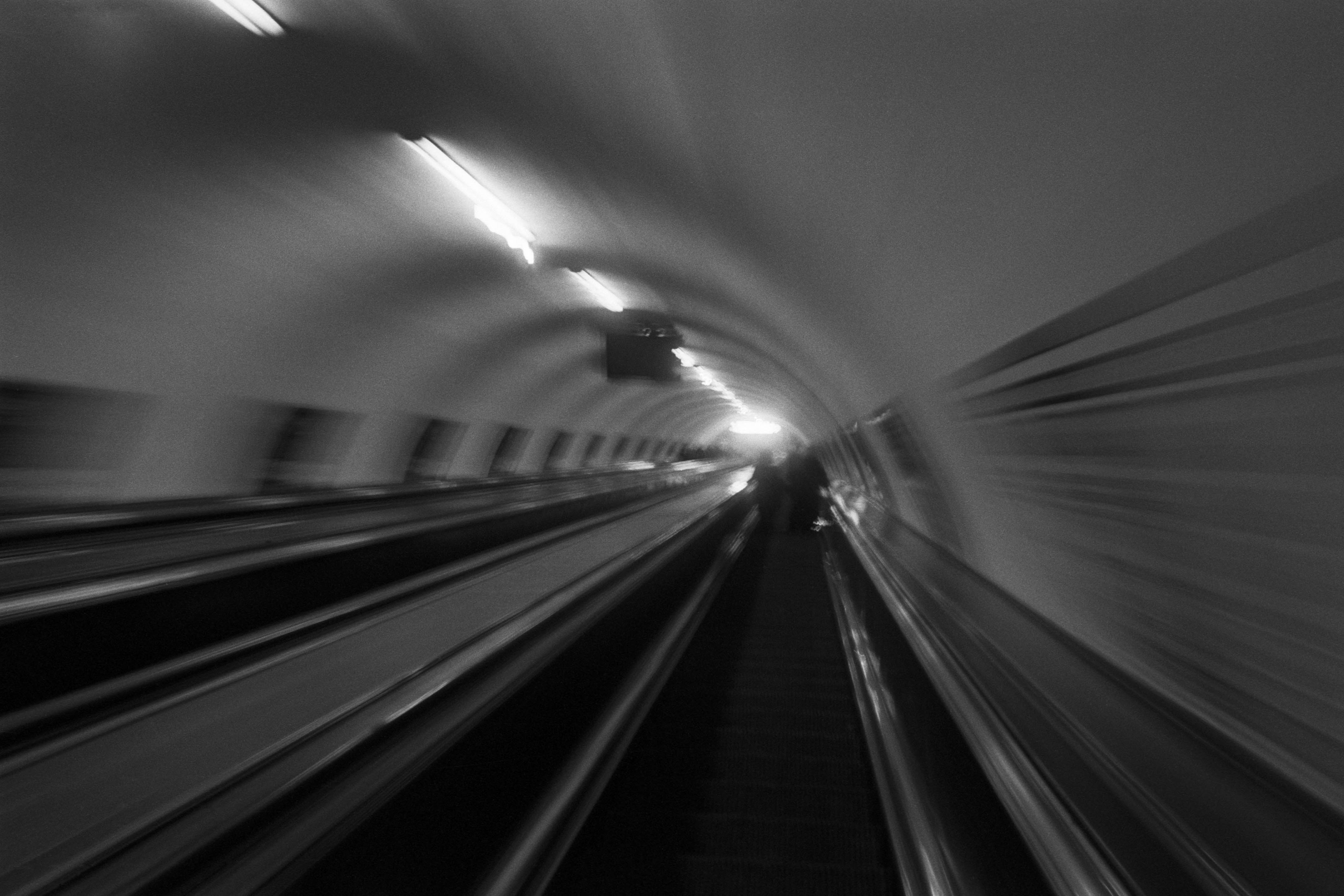
The Wall
2015Winner of the 1st prize & Golden Glass Award at the 11th Photographic Open Championship Olsztyn, and 1st place with the Special Prize of FORMAT magazine at the 3rd Biennial of Art in Piotrków Trybunalski.
View Series →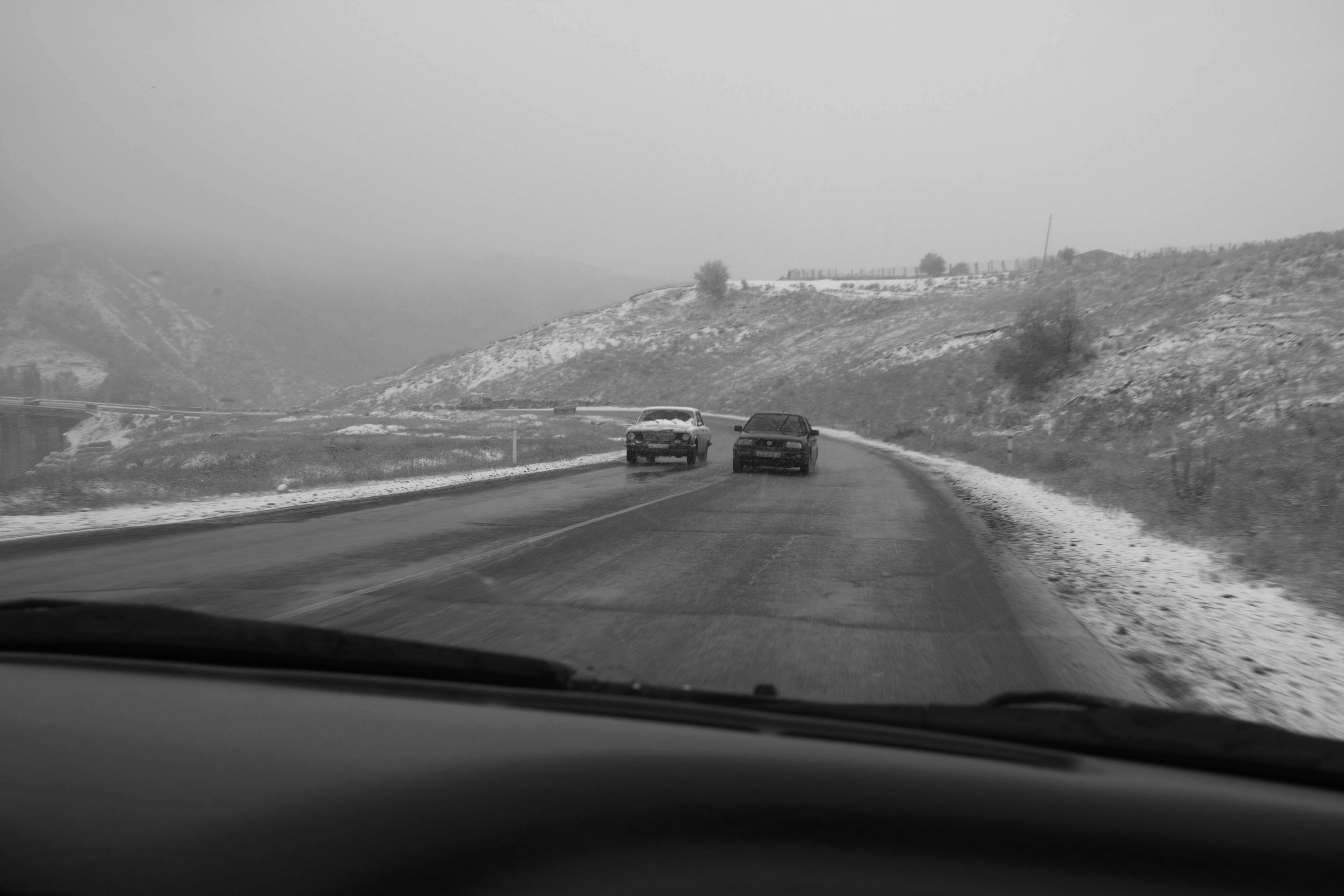
An Engagement Ring
2011A narrative series set in Wrocław in August 2011. Awarded 2nd prize & Silver Glass at the 10th Photographic Open Championship Olsztyn in 2014.
View Series →
Heat Wave
2014A documentary series recording spontaneous events across August and September 2014, capturing the raw energy of a city under the grip of summer.
View Series →