"Photography is not about the thing photographed. It is about how that thing looks photographed."
Archiving Photographic Work For Long-Term Access
A photograph is not fully protected when it has been developed, scanned, or exported. Its future depends on how carefully the physical negative, digital master, working files, captions, permissions, and technical information are preserved. An archive turns a collection of images into a reliable record that can be revisited, licensed, printed, exhibited, or handed to another person without guesswork.
For photographers working across portraiture, fashion, events, and fine art, archiving also protects the meaning behind an image. A medium-format negative, a high-resolution scan, and a finished monochrome print each describe the same moment in different ways. Keeping those versions connected requires a considered system, suitable storage, and habits that remain consistent from one commission or personal series to the next.
Build A Clear Archive Structure
Begin with a structure that mirrors the way the work is made. A useful project folder can contain the original camera files, scans, edited masters, delivery exports, documentation, and administrative material. Names should be readable without opening the file: a format such as 2025-08-14_Melbourne_ClientName_Portrait_001 identifies the date, place, assignment, subject, and sequence at a glance.
Dates should follow one standard throughout the archive, preferably year-month-day. Avoid relying on camera-generated names such as DSC_4812, because these can repeat across cameras, cards, and years. For analogue work, include the roll or sheet number, film stock, format, development method, and scan identifier. A contact sheet or index can connect each frame to a sitter, location, release, or exhibition print.
Keep the working archive separate from the delivery archive. A layered TIFF, camera raw file, negative scan, or darkroom scan is a preservation master; a JPEG for a client website is a derivative. Do not replace a master with a smaller export after editing. Version labels such as v01, v02, and final-approved are more dependable than vague names like newest or use-this-one, which quickly become confusing when several people handle the files.
Metadata adds value when it is applied consistently. Record the photographer, copyright holder, creation date, location, project title, subject information where appropriate, and usage restrictions. Embedded IPTC metadata can travel with exported images, while a separate catalogue or spreadsheet can hold sensitive details that should not be distributed with a public file.
Handle Negatives As Physical Originals
Film negatives are original photographic objects, not simply an earlier step before scanning. Store them in archival sleeves made from uncoated paper or inert polyester, polypropylene, or polyethylene. Avoid ordinary PVC pockets, adhesive albums, rubber bands, and materials that can release chemicals over time. Glassine can be useful in some systems, but it should not be allowed to trap moisture against film in an unstable environment.
Label each sleeve with a unique identifier rather than writing heavily across the negative. A small amount of information on the edge of a print sleeve can include the project, roll number, date, film stock, and frame range. Keep a matching digital record so that a frame can be located without handling every sheet. For cut strips, preserve the original sequence and avoid separating frames merely to fit a preferred sleeve layout.
Environmental stability matters more than chasing a perfect temperature. In Australia, a cool, dry, stable room is especially important in Brisbane and other humid areas, where mould and emulsion damage can develop if film is stored in a fluctuating cupboard or garage. A sealed archive box with a humidity monitor is preferable to an outdoor shed. Negatives should also be kept away from direct sun, heaters, kitchens, and water pipes.
Before long-term storage, make sure film is fully washed and completely dry. Do not seal damp negatives in plastic. Handle them by the edges with clean, dry hands or suitable lint-free gloves, and keep food, drinks, dust, and cleaning sprays away from the work surface. If vinegar syndrome, mould, sticky surfaces, fading, or unusual odours appear, isolate the affected material and consult a conservator rather than trying household cleaning products.
The physical archive should have a second location. A home collection in Sydney may be exposed to risks from storms, burst pipes, or bushfire evacuation, while a studio collection can be vulnerable to theft or building access problems. A trusted off-site facility, institution, or family location can hold duplicate scans and, where practical, duplicate original material. The purpose is not to create perfect security; it is to ensure that one incident cannot remove the entire record.
Preserve Digital Masters And Film Scans
Scan negatives at a resolution appropriate to their format and intended use, while preserving the unaltered scan as a master. Medium-format film can support detailed exhibition prints, so avoid creating only a low-resolution preview for convenience. A 16-bit TIFF, carefully profiled and free from unnecessary sharpening or compression, is generally more suitable as an archival image than an 8-bit JPEG.
Keep the scanner, software, profile, and processing notes alongside the scan record. A future re-scan may produce a different interpretation, particularly with black-and-white negatives, colour film, or dense shadow detail. Notes about inversion settings, dust removal, cropping, and tonal adjustments make the decision-making process understandable. For darkroom work, record enlarger settings, paper type, developer, exposure, and dodging or burning notes where those details matter to the finished print.
Digital preservation depends on redundancy. Follow a simple principle of multiple copies stored on different media, with at least one copy held away from the main studio. A working computer, a local backup drive, and encrypted cloud storage provide different forms of protection. A single external drive beside the editing workstation is not a backup; it is another copy exposed to the same theft, power surge, fire, or accidental deletion.
Test restoration rather than assuming a backup works. Open a selection of raw files, scans, layered masters, catalogues, and exported images every few months. Check that folder paths, previews, metadata, and colour profiles remain intact. Replace ageing drives before they fail and migrate the archive when operating systems, catalogue software, or file formats become difficult to access. File integrity checks or automated verification can reveal silent corruption before it spreads to every copy.
Cloud storage can be useful for a working photographer travelling between Wrocław, Sydney, and Melbourne, but it should not be treated as a complete archival strategy. Choose a provider with clear retention, export, encryption, and recovery terms. Australian clients may also ask where commercial images are stored and who can access them, particularly when portraits or employee records are involved. Document that information instead of leaving it buried in a subscription account.
Protect Rights, Privacy, And Context
An archive needs legal and ethical information as carefully as it needs pixels. In Australia, copyright generally belongs to the creator unless an agreement changes ownership or the work is made under specific employment or commissioning terms. The Copyright Act 1968 governs important rights, while contracts define practical matters such as territory, duration, media, exclusivity, sublicensing, and whether the client receives files or merely a licence.
Keep signed agreements, model releases, property permissions, invoices, and usage correspondence in a restricted project folder. A delivered portrait may be licensed for a company website but not for outdoor advertising, packaging, or political promotion. A fashion image may involve the photographer, model, stylist, designer, agency, and publication. Recording these relationships prevents an apparently simple request for “the original” from creating an unintended transfer of rights.
Privacy requires particular care with documentary portraits, workplace events, and private commissions. The Australian Privacy Act 1988 and the Australian Privacy Principles may apply to organisations handling personal information, and contractual obligations can impose stricter rules. A contact sheet containing identifiable people should not be uploaded to a public portfolio folder. Sensitive client names, addresses, phone numbers, and release forms belong in access-controlled storage, separate from files intended for public presentation.
Context is also part of preservation. A filename rarely explains why an image was made, how a person was represented, or which sequence it belongs to. Add a short project note covering the commission or artistic intention, location, participants, process, and significant changes made after the original exposure. For a conceptual series, the note may preserve the relationship between images that would otherwise appear unrelated years later.
Curatorial notes should not overwrite the original record. Store contemporary descriptions separately from later interpretations, and retain earlier captions when they document how the work was first exhibited or published. This distinction is valuable for long-term projects, especially when a personal series gains new cultural or biographical meaning.
Maintain An Archive That Can Be Used
Preservation is successful when retrieval is quick and dependable. Once a month, select a small group of projects and practise finding the negative, master scan, edited file, export, metadata, and rights documentation. If any part takes too long, improve the naming or indexing system while the memory of the project is still fresh.
A searchable catalogue can include date, place, subject, client, genre, film stock, camera, format, keywords, publication history, and availability. For a photographer covering corporate events in Melbourne or portraits in Sydney, location and client fields make licensing enquiries easier to answer. For a fine art series, sequence number, exhibition title, print edition, and darkroom notes may be more valuable than commercial keywords.
Use previews for speed, but never confuse them with the archive itself. A catalogue application may display a thumbnail while the original lives on an external drive or server. Keep the catalogue database backed up with the images, and document the relationship between volume names and folder paths. If a programme is discontinued, export metadata and preserve standard image files so the collection is not locked into one application.
A public portfolio should contain carefully selected derivatives rather than unrestricted masters. Web images can be resized, sharpened for their display dimensions, and stripped of private metadata while retaining appropriate credit and copyright information. When publishing a series online, preserve the intended sequence and spacing; principles discussed in negative space principles can also guide how much visual breathing room is given to an archive presentation.
Client delivery also benefits from a stable archive routine. Provide clearly named exports, a short licence or usage note, and a delivery date. Keep the exact delivered versions, since later edits may alter skin tone, cropping, retouching, or embedded metadata. If a client needs files for a Zoom background, website, exhibition, or print campaign, record the dimensions and colour space supplied rather than generating an unexplained replacement months later. Reference material about Flickr landscape references illustrates why intended display context should be considered when preparing image files.
An archive becomes stronger through repetition: careful handling after development, disciplined naming after scanning, verified backups after editing, and documented permissions before publication. These small actions preserve both the physical evidence and the creative decisions behind it, allowing a photographic practice to remain accessible as technology, clients, studios, and audiences change.
Selected Series
A cross-section of commissioned and personal projects spanning fine art, commercial, and conceptual work.
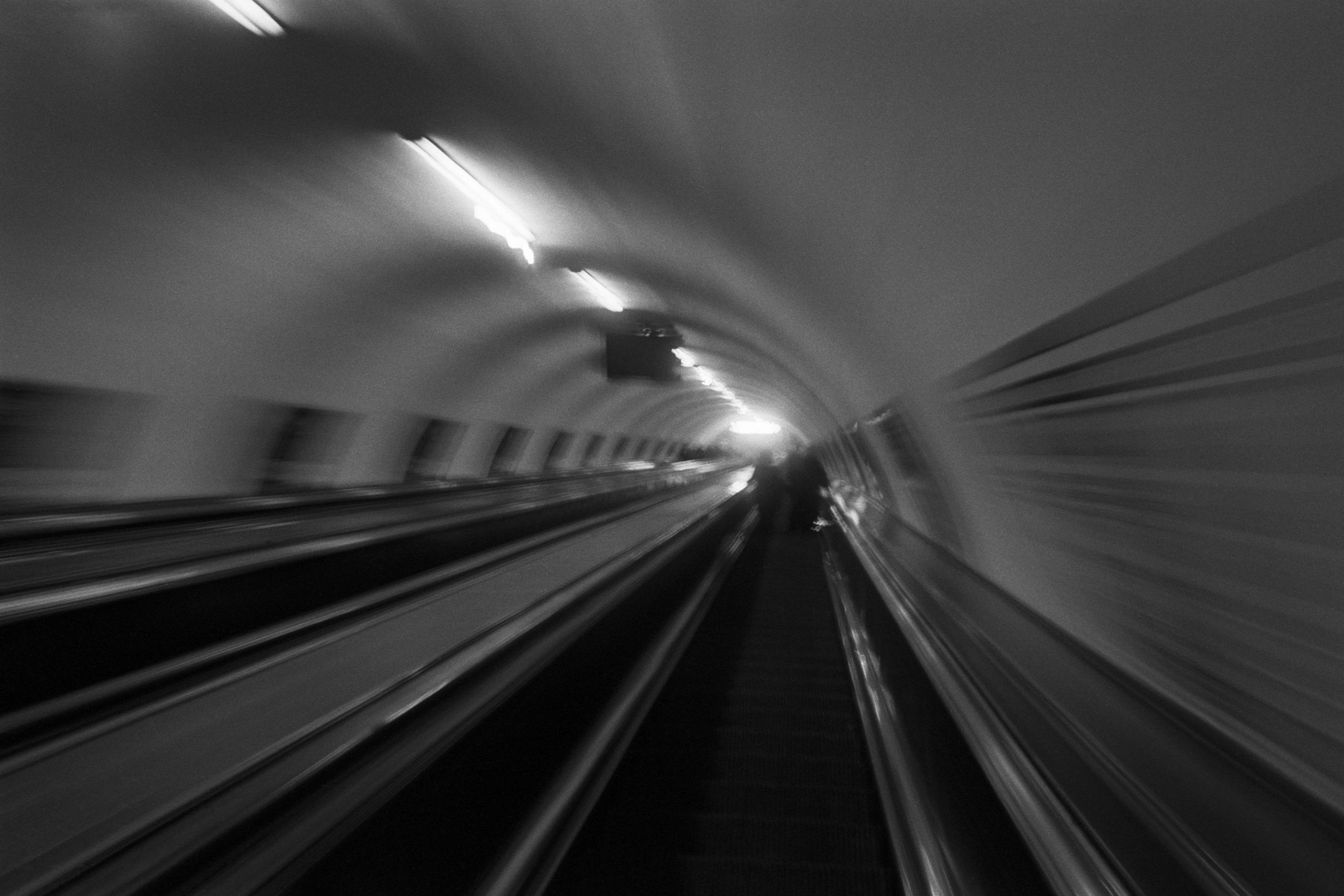
The Wall
2015Winner of the 1st prize & Golden Glass Award at the 11th Photographic Open Championship Olsztyn, and 1st place with the Special Prize of FORMAT magazine at the 3rd Biennial of Art in Piotrków Trybunalski.
View Series →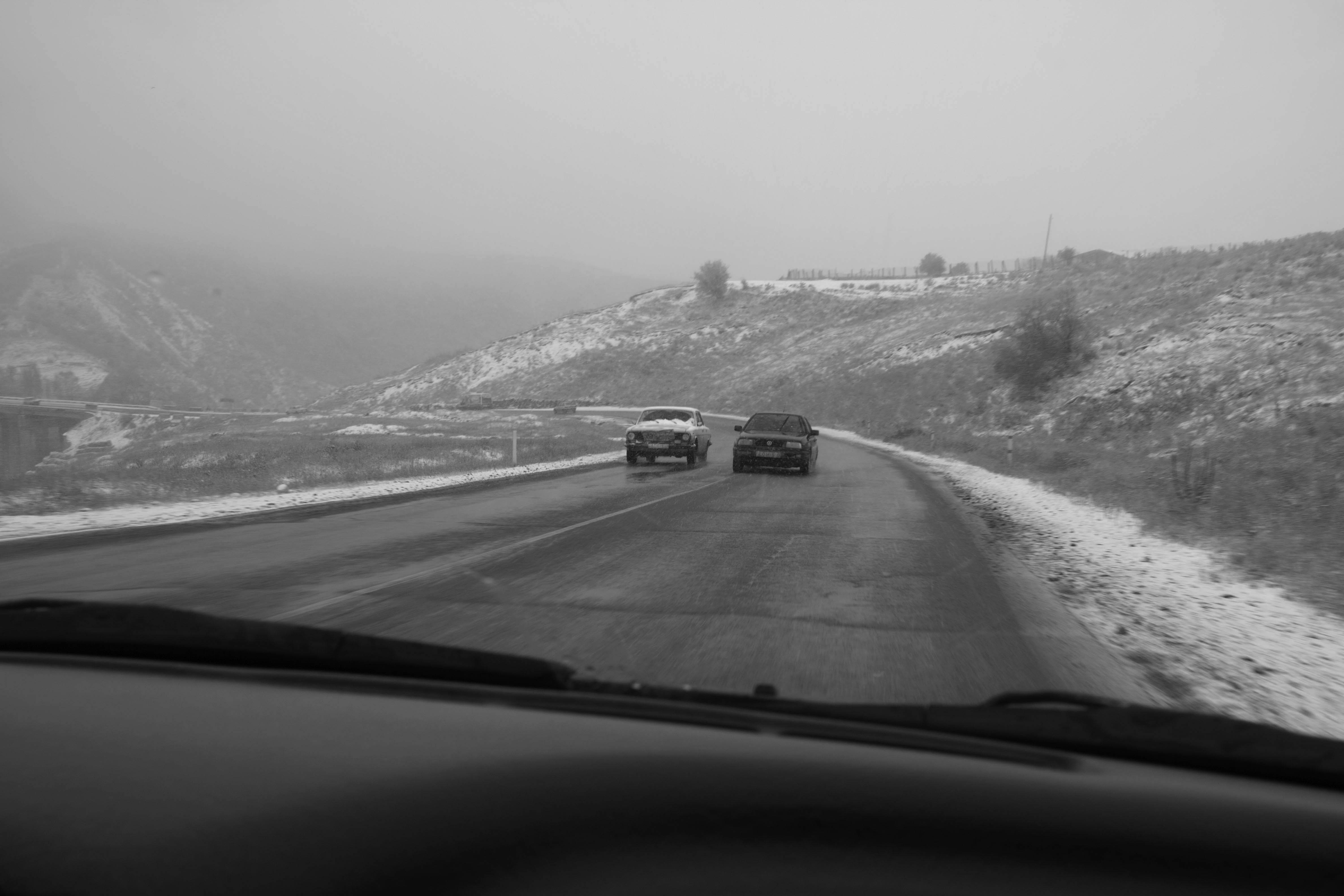
An Engagement Ring
2011A narrative series set in Wrocław in August 2011. Awarded 2nd prize & Silver Glass at the 10th Photographic Open Championship Olsztyn in 2014.
View Series →
Heat Wave
2014A documentary series recording spontaneous events across August and September 2014, capturing the raw energy of a city under the grip of summer.
View Series →