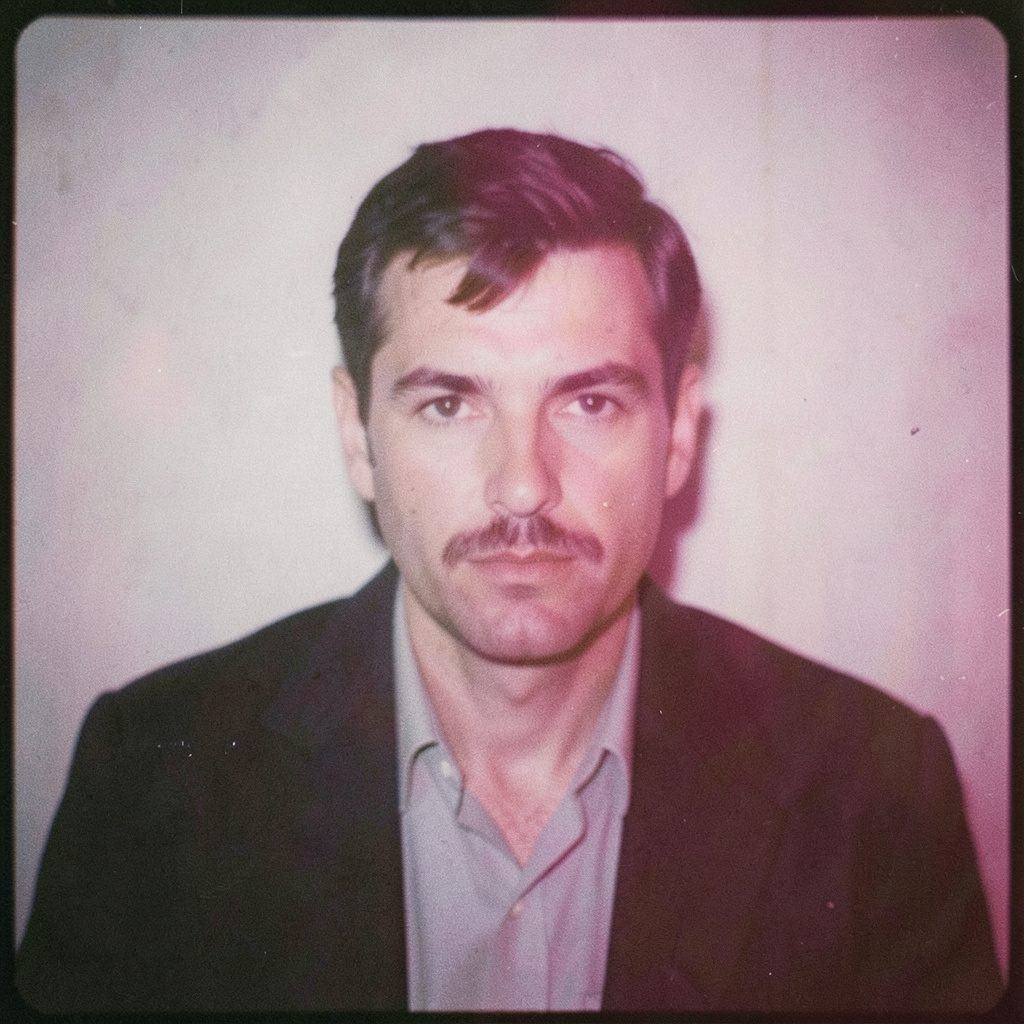
"Photography is not about the thing photographed. It is about how that thing looks photographed."
Conceptual Photography: Turning Ideas into Visual Narratives
Conceptual photography is image-making driven by an idea rather than the impulse to record what already sits in front of the lens. The photographer begins with a question, a feeling, or a brief, then constructs a scene, a gesture, or a tableau that translates that starting point into a visual argument. The photograph is read, not merely seen; it asks the viewer to slow down and decode a metaphor, an allegory, or a carefully placed symbol.
Across commercial commissions and fine art series, the discipline of building meaning into a frame has become a defining feature of contemporary visual culture. A photographer working in this register treats the studio, the wardrobe rack, the lighting grid, and the post-production suite as a writing desk. The image is a sentence, and the series a paragraph. Wrocław-based photographer Rafał Michalak builds his commercial portraits, fashion editorials, and long-form photographic essays on this principle, treating every commission as an opportunity to develop a coherent visual narrative rather than a single attractive picture.
What makes a photograph conceptual
A documentary photograph records; a conceptual photograph proposes. The distinction sits in the relationship between subject and idea. In the documentary register, the camera's job is largely to reveal something already happening, and the photographer's decisions concern timing, framing, and access. In the conceptual register, the photographer decides what should happen in the first place, then arranges people, objects, light, and location so that the resulting frame performs a particular argument. The picture does not exist without the idea behind it, and the idea does not exist without the picture that carries it.
This way of working inherits a long lineage, from the staged allegories of nineteenth-century Pictorialism through the constructed tableaux of mid-century Surrealism, the staged colour fields of the 1970s, and the recent rise of idea-led commercial imagery for fashion houses and editorial magazines. What unites these varied practices is a willingness to treat the photograph as authored, deliberate, and open. The viewer is invited to bring interpretation to the image, and the photographer's craft is judged by how skilfully the frame has been prepared for that interpretation.
What separates a successful conceptual image from a merely staged one is the density of its symbolic vocabulary. A prop is not decoration; it is a sign. A gesture is not posing; it is a sentence. A shadow falling across a face is not a lighting accident; it is punctuation. Photographers who work in this register develop personal vocabularies over years — recurring motifs, favoured palettes, signature framings — and the strongest bodies of work can be read almost like the work of a writer with a distinctive voice.
From first sketch to final print
Ideas rarely arrive finished. They tend to surface as fragments: a line of overheard dialogue, a colour found in a corner of a fabric shop, a memory of a particular room. The early work of a conceptual project is textual. The photographer writes, sketches, collects references on a board, and lets a structure emerge through annotation. Mood boards, contact sheets of unrelated imagery, and short written briefs to themselves are common tools; the discipline of writing down what the image is supposed to do forces the photographer to choose.
Production follows once the idea has been articulated. The practical work begins: location scouting, casting, prop sourcing, lighting design, and the careful coordination of every element that will appear inside the frame. This is where the photographer's logistical craft meets the conceptual ambition. A photograph meant to read as quiet and interior will require different locations, wardrobe, and light than one intended to feel industrial or restless. None of these choices can be made independently of the original idea.
After the shoot comes the edit and the titling, both of which carry significant weight. A series is rarely a collection of beautiful single images; it is a sequence in which the order, the pacing, and the repetition of motifs create a rhythm that the viewer's eye follows. Even the titles of individual photographs matter, since words open or close particular readings. Rafał Michalak treats sequencing with the same care he brings to the shoot itself, often producing accompanying texts that frame the series without prescribing a single interpretation.
Symbolic language and the grammar of the frame
Every strong conceptual project builds its own private grammar. A recurring motif — a closed door, a pair of empty gloves, a glass of water held at a particular height — accumulates meaning across the series until it functions almost like a character returning to a novel. The viewer's job is to learn the vocabulary as the project unfolds, and the photographer's job is to plant each sign with enough precision that the eventual reading feels earned.
Cultural specificity matters here. A motif that reads as melancholic in a Scandinavian context can read differently when placed against the red dust of the Australian interior, the pale gum bark of a Melbourne laneway, or the geometric shadows of Sydney's central business district. Conceptual photographers working across borders learn to read and rewrite their visual vocabulary for new audiences, and the same series can carry different inflections depending on where it is shown. The work is portable, but never quite neutral.
Australia offers a rich symbolic terrain for idea-led photography. The salt lakes around Port Augusta, the iron-ore ridges of the Pilbara, the wet-season skies above Darwin, and a surfboard placed against a boardroom table — each carries meaning that a viewer recognises immediately. A conceptual series that uses these references deliberately will read with greater force than one that uses them as backdrop. Local gestures — a leather briefcase abandoned on a Bundaberg beach, the bonnet of a Melbourne-built Holden set against cane fields — can transform a generic executive portrait into a layered commentary on identity, place, and labour.
Conceptual thinking inside commercial briefs
The idea that conceptual photography is reserved for gallery walls has been obsolete for some time. Today's brand work, fashion campaigns, and corporate portraiture routinely use the same vocabulary of symbol and metaphor. A Barossa winery wants a portrait that conveys provenance and patience, not simply a smiling man holding a bottle. A Sydney-based technology founder wants imagery that signals innovation without resorting to stock-photo clichés of laptops and whiteboards. A Brisbane architecture practice wants portraits of its principals that suggest rigour and craft rather than a retouched headshot.
These commissions succeed when the photographer treats the brief as a conceptual problem rather than a checklist. The client's objectives become the starting idea, and the developing visual narrative carries those objectives forward into a register the audience actually remembers. Rafał Michalak's commercial practice, including his ongoing work in business portraiture, draws directly on the same methods he uses for his fine art series. Clients who commission this kind of imagery often find that the resulting photographs work harder for them across press, web, and internal communications.
For anyone considering such a commission, the preparation matters as much as the shoot itself. A clear written brief, a small mood reference set, and a practical wardrobe plan save hours of decision-making on the day and let the photographer focus on the conceptual layer. The photographer's own how to prepare for a professional business portrait session walks through this preparation in practical terms and is worth reading before any sitting where the result is intended to do real work for a brand or a career.
The medium as part of the message
The choice of medium is itself a conceptual decision. A black-and-white negative carries a different cultural weight than a colour file; a medium-format frame feels less hurried than a smartphone capture; a long exposure on analogue film asks the viewer to slow down in a way that a digital burst sequence cannot. Photographers working across formats often choose deliberately between them within a single project, so the visual texture of the picture reinforces the idea being expressed.
Rafał Michalak works regularly in analogue and hybrid workflows, including medium-format film and traditional darkroom processes, alongside contemporary digital capture. The combination is not nostalgic. Black-and-white film strips the image down to form and tone, which often sharpens conceptual reading; medium format rewards careful staging with a particular density of detail; digital capture allows precision in lighting, colour grading, and composite work that analogue processes alone cannot deliver. The chosen medium becomes part of the photograph's argument, and that argument is rarely served well by defaulting to a single tool.
For clients commissioning a series, the medium decision is worth raising early in the conversation. A fine art collector, a fashion house, and a corporate communications team may each require a different answer. Knowing why a particular process has been chosen — and being able to defend that choice in plain language — is part of the photographer's job, and it is also part of what makes the finished body of work feel coherent rather than improvised.
Building a series that travels
The strongest conceptual projects are designed to outlive the moment of their making. A single strong image can support a magazine spread, but a coherent series supports exhibitions, monographs, brand platforms, and ongoing editorial use for years. The discipline of building such a series lies in resisting the temptation to over-shoot, in maintaining a consistent visual vocabulary across the body of work, and in choosing a sequencing logic the viewer can follow without instruction.
Photographers who produce this kind of work tend to think about distribution as part of the project, not as an afterthought. Where will the series appear? In what size, what aspect ratio, what colour profile? Will it need to work both on a gallery wall and on a small mobile screen? Will the printed monograph demand different sequencing than the online portfolio? These are not technical afterthoughts; they shape the conceptual decisions made months earlier at the sketch stage.
A useful test for any project is whether it can be read in three different contexts without losing its meaning. If a series holds up on a forty-inch print in a Sydney gallery, in a small editorial slot on a Melbourne-based arts publication, and as a set of thumbnails on a tablet, the conceptual groundwork has been done well. The work becomes portable, and portable work is what endures beyond the season it was made in.
Recommendations when commissioning conceptual work
A few practical notes help clients and collaborators get the strongest possible result from a conceptual shoot.
- Write the brief in plain language, naming the feeling you want the images to evoke, not only the deliverables you expect.
- Gather three to five reference images, even imperfect ones, and share them in advance; words and pictures together prevent most misreadings.
- Treat wardrobe, props, and location as conceptual decisions; bring options to the shoot rather than locking choices too early.
- Allow the photographer time on the day to deviate from the plan; the strongest frames often appear once the structure has been loosened.
- Discuss medium and format early — film, medium format, hybrid, digital — so the choice is part of the concept rather than an accident of workflow.
- Plan the sequence of the final edit together; ordering photographs is a conceptual act, and the photographer's instinct here is worth trusting.
- Reserve a small budget for printing or post-production experimentation; the finished artefact is where the idea is finally sealed.
Selected Series
A cross-section of commissioned and personal projects spanning fine art, commercial, and conceptual work.
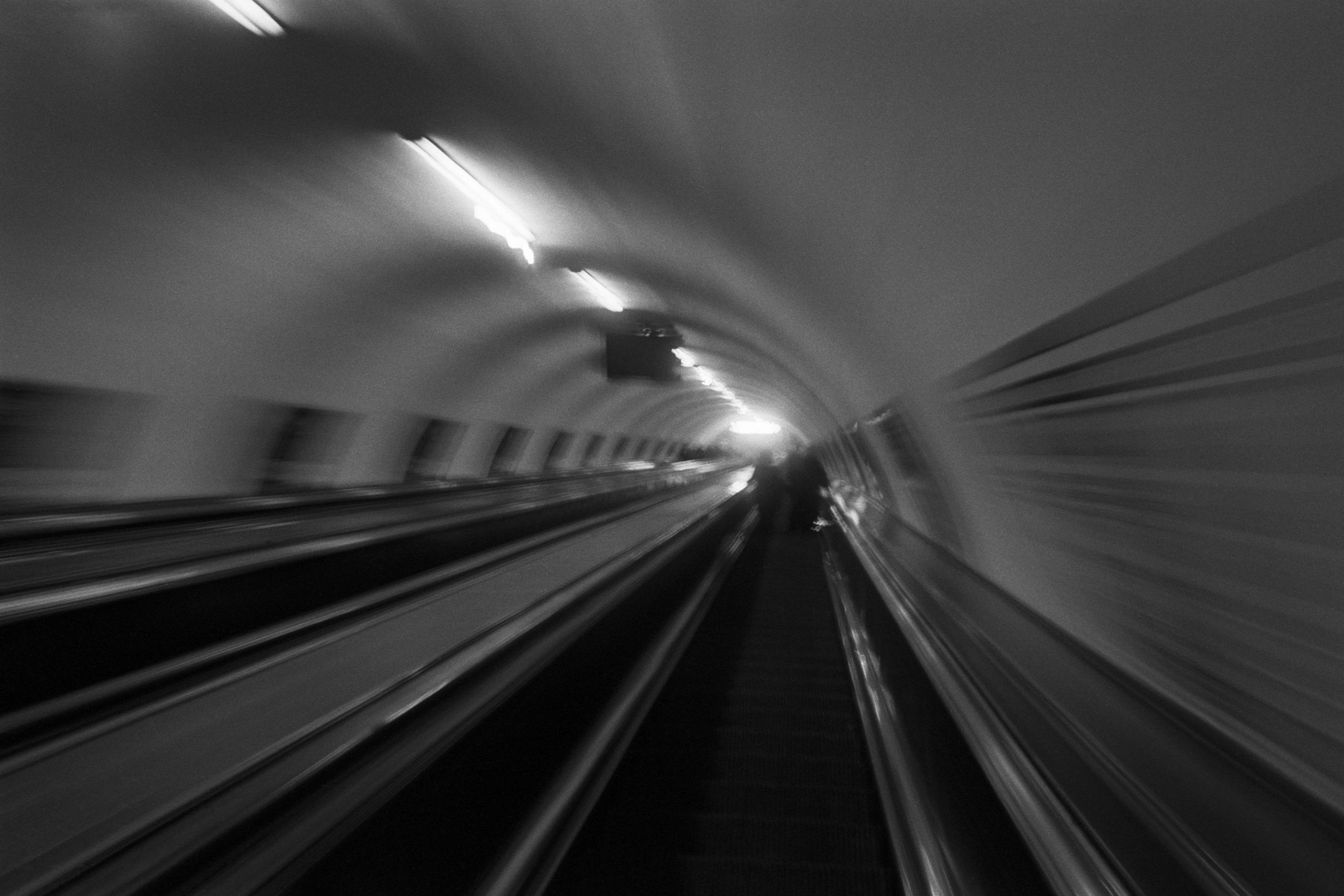
The Wall
2015Winner of the 1st prize & Golden Glass Award at the 11th Photographic Open Championship Olsztyn, and 1st place with the Special Prize of FORMAT magazine at the 3rd Biennial of Art in Piotrków Trybunalski.
View Series →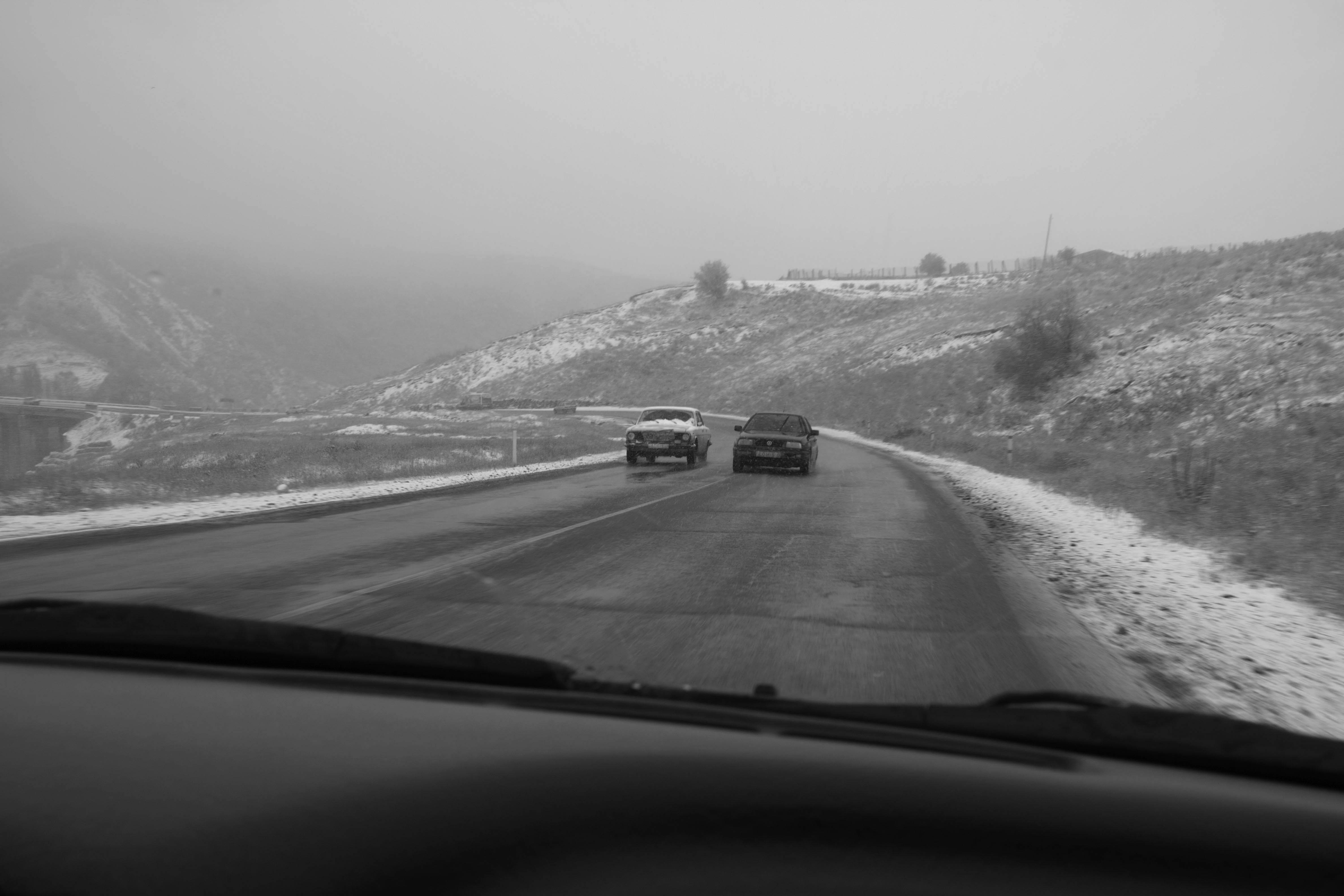
An Engagement Ring
2011A narrative series set in Wrocław in August 2011. Awarded 2nd prize & Silver Glass at the 10th Photographic Open Championship Olsztyn in 2014.
View Series →
Heat Wave
2014A documentary series recording spontaneous events across August and September 2014, capturing the raw energy of a city under the grip of summer.
View Series →