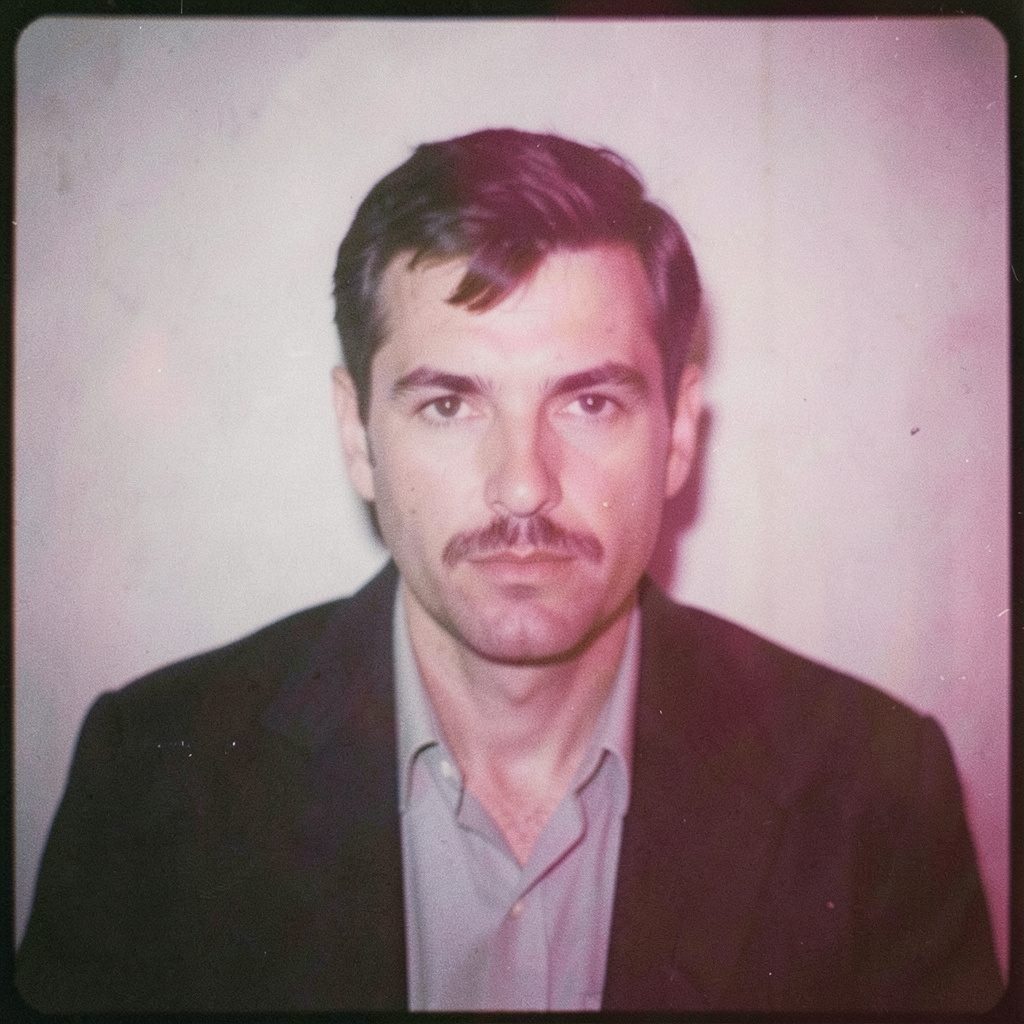
"Photography is not about the thing photographed. It is about how that thing looks photographed."
Creating a Photo Series About Identity and Memory
A photographic series about identity and memory begins with an uncertainty: which parts of a person remain stable when place, age, language and circumstance change? A single portrait may suggest an answer, but a sequence can hold contradictions. It can show the public face beside the private one, a familiar room beside an altered landscape, or a present-day figure beside traces of an earlier life.
This kind of work benefits from a clear visual idea without becoming predictable. Film grain, repeated gestures, family objects, handwritten notes, empty interiors and carefully chosen locations can create connections between separate images. The strongest series often leave room for the viewer to assemble meaning rather than explaining every fact.
For photographers working in Australia, identity and recollection can be shaped by migration, distance and a strong relationship with landscape. A subject may move between a high-rise apartment in Sydney, a suburban home in Melbourne and a family community overseas. Those changes offer rich material, but they require patience, ethical care and a method that gives personal history enough space to emerge.
Begin with a personal question
A useful series usually grows from a question that is specific enough to guide decisions but open enough to develop. “Who am I?” is too broad to determine what to photograph. “What remains of my childhood after moving across countries?” or “How does a person remember a home they can no longer visit?” gives the project a visual direction.
Write the question in a notebook and collect words, photographs, sounds and objects connected with it. Notice recurring details rather than searching immediately for dramatic scenes. A cracked lunchbox, a particular fabric, the light entering a former bedroom or the way someone folds a letter may carry greater emotional weight than a carefully staged symbolic image.
Memory is rarely reliable in a documentary sense. It compresses events, changes emphasis and combines different moments. This does not make it unsuitable for photography. It means the project can explore remembered truth rather than pretending to reconstruct an objective past. A staged scene, blurred exposure or incomplete frame may communicate memory more honestly than a literal record.
Build a visual language with repetition
A coherent photo essay needs recurring visual elements. Choose two or three formal devices that can appear throughout the series: a fixed camera height, a limited tonal range, reflections, close views of hands, or repeated images made from the same distance. Repetition creates rhythm and lets small changes become visible.
Medium-format film can be particularly effective when a project depends on texture, pauses and physical presence. The slower process encourages attention before the shutter is released, while the negative preserves subtle transitions in skin, fabric and shadow. Black-and-white printing may remove distracting colour associations, although colour can be essential when a particular blue, faded wallpaper or fluorescent interior is part of the memory.
Analogue methods do not automatically make a series more intimate. Digital photography can be equally sensitive when exposure, editing and sequencing are deliberate. A hybrid workflow may be practical: photograph on film, scan at high quality, make tonal adjustments with restraint, and produce darkroom-inspired prints or pigment prints that retain the character of the original material.
Photograph the person and the evidence
Identity is expressed through the body, but it also appears in surroundings and belongings. Photograph the subject directly, then look at the evidence around them: a kitchen cupboard, a work uniform, a collection of saved receipts, a vehicle, a religious object or a room arranged according to a long-established habit. These details can expand the portrait beyond facial expression.
Consider making several types of image within the same project. A close portrait may convey vulnerability, while a wider frame can show social context. Still-life photographs may act as fragments of a biography, and landscapes can describe emotional distance rather than geography. The sequence becomes more engaging when these modes speak to one another instead of presenting a set of similar headshots.
For people who are not accustomed to being photographed, direction matters. A relaxed posture often comes from a simple action rather than an instruction to “look natural”; asking someone to adjust a sleeve, walk towards a window or recall a familiar routine can produce a genuine physical state. Practical guidance on posing non-professional models can help create a respectful environment without forcing theatrical emotion.
Treat place as a living memory
Location should carry meaning, not simply provide an attractive background. In Australia, a series about belonging might move between the laneways and apartment interiors of Melbourne, the broad suburban streets of Adelaide, or the dense urban shoreline of Sydney. Each setting can reveal how a subject negotiates public and private space.
Everyday habits can be visually valuable. A person waiting for a train during the morning commute, drinking tea at a kitchen bench, shopping at a weekend market or sitting beneath a verandah may appear ordinary, yet these repeated actions often anchor memory. Brisbane’s strong daylight, Perth’s expansive distances and Tasmania’s cooler, changing weather can also affect how a subject is represented without turning the work into a travel catalogue.
Ask permission before photographing spaces that belong to someone else, including workplaces, schools, community centres and private homes. If the work involves Aboriginal or Torres Strait Islander people, places or cultural material, research appropriate protocols and seek guidance from the relevant community. A location can hold collective significance that is not available for generalised artistic use.
Work with memory ethically
Personal stories can create an imbalance between photographer and subject. The photographer may control the camera, edit and final interpretation, while the subject contributes intimate experiences. Explain the project in plain language, including where the photographs may appear, whether they will be sold, and whether captions will identify the person or place.
Written consent is especially important when a series includes vulnerable circumstances, children, health information or private family histories. Australian privacy obligations vary according to the organisation and context, but the Privacy Act 1988 and Australian Privacy Principles provide an important framework for handling personal information. A model release is not a substitute for conversation; it should support clear agreement about use, storage and publication.
Discuss difficult images before they are shown publicly. A photograph that feels truthful to the photographer may feel exposing to the subject months later. Offer an opportunity to review context and captions without surrendering the artistic edit entirely. This process can reveal misunderstandings and help distinguish an image that is emotionally complex from one that is simply intrusive.
Edit for rhythm rather than quantity
A series becomes clear during editing. Gather more images than you expect to use, then place them on a wall or arrange them as small digital thumbnails. Look for visual echoes, changes in emotional temperature and unnecessary repetition. Two excellent portraits may weaken each other if they communicate exactly the same thing.
Think of sequencing as a movement through time. The opening image establishes the atmosphere, but it does not need to explain the entire project. A quiet detail may create stronger curiosity than the most descriptive portrait. Later images can introduce contradiction, and the final frame may remain unresolved, allowing the viewer to feel that memory continues outside the edges of the work.
Use captions carefully. Names, dates and locations can ground an image, while poetic text can direct interpretation too strongly. If the project is intended for a gallery, photobook or online portfolio, test the sequence in each format. A web viewer may encounter images one at a time, whereas a printed book allows pacing through page turns, blank space and changes in scale.
Present the work with care
The final form should reinforce the subject of the series. A small, intimate print may suit photographs about family memory, while a large installation can communicate the pressure of public identity. Paper texture, border width, framing and wall colour affect how viewers read skin, darkness and empty space. Exhibition lighting should be tested with actual prints rather than assumed from screen appearance.
Australia’s photography market includes commercial commissions, artist-run spaces, independent publishers, festivals and online platforms. A personal series may exist alongside commissioned portraiture, fashion work or corporate photography, but its purpose and audience should remain clear. A portfolio can show selected images, while a dedicated photobook dummy or exhibition proposal gives the work room to develop beyond a scrolling screen.
Protect the project’s practical foundations. Keep high-resolution files, scans, contact sheets, captions and consent records in more than one location. Confirm licensing and ownership in writing, especially when a client, publisher or institution contributes funding. Under Australia’s Copyright Act 1968, agreements about reproduction, exhibition, editing and commercial use should be specific rather than assumed.
The finished series should feel like an encounter rather than a verdict. Identity may appear through posture, inherited objects, accent, architecture, absence and repeated routines. Memory may surface as a sharp detail or remain deliberately incomplete. When the photographs respect that complexity, the work can offer viewers a way to recognise their own histories without reducing another person’s life to a simple visual statement.
Selected Series
A cross-section of commissioned and personal projects spanning fine art, commercial, and conceptual work.
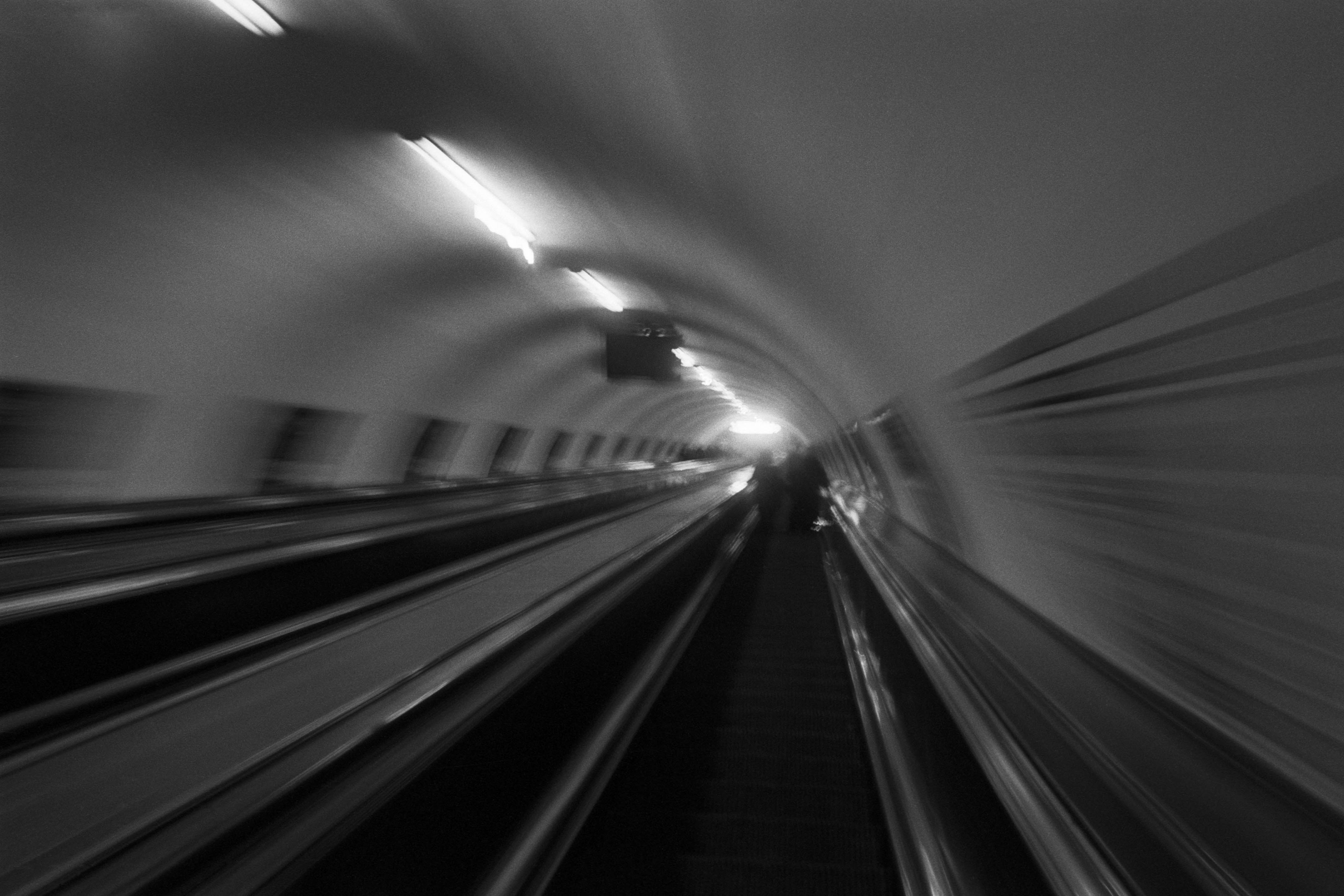
The Wall
2015Winner of the 1st prize & Golden Glass Award at the 11th Photographic Open Championship Olsztyn, and 1st place with the Special Prize of FORMAT magazine at the 3rd Biennial of Art in Piotrków Trybunalski.
View Series →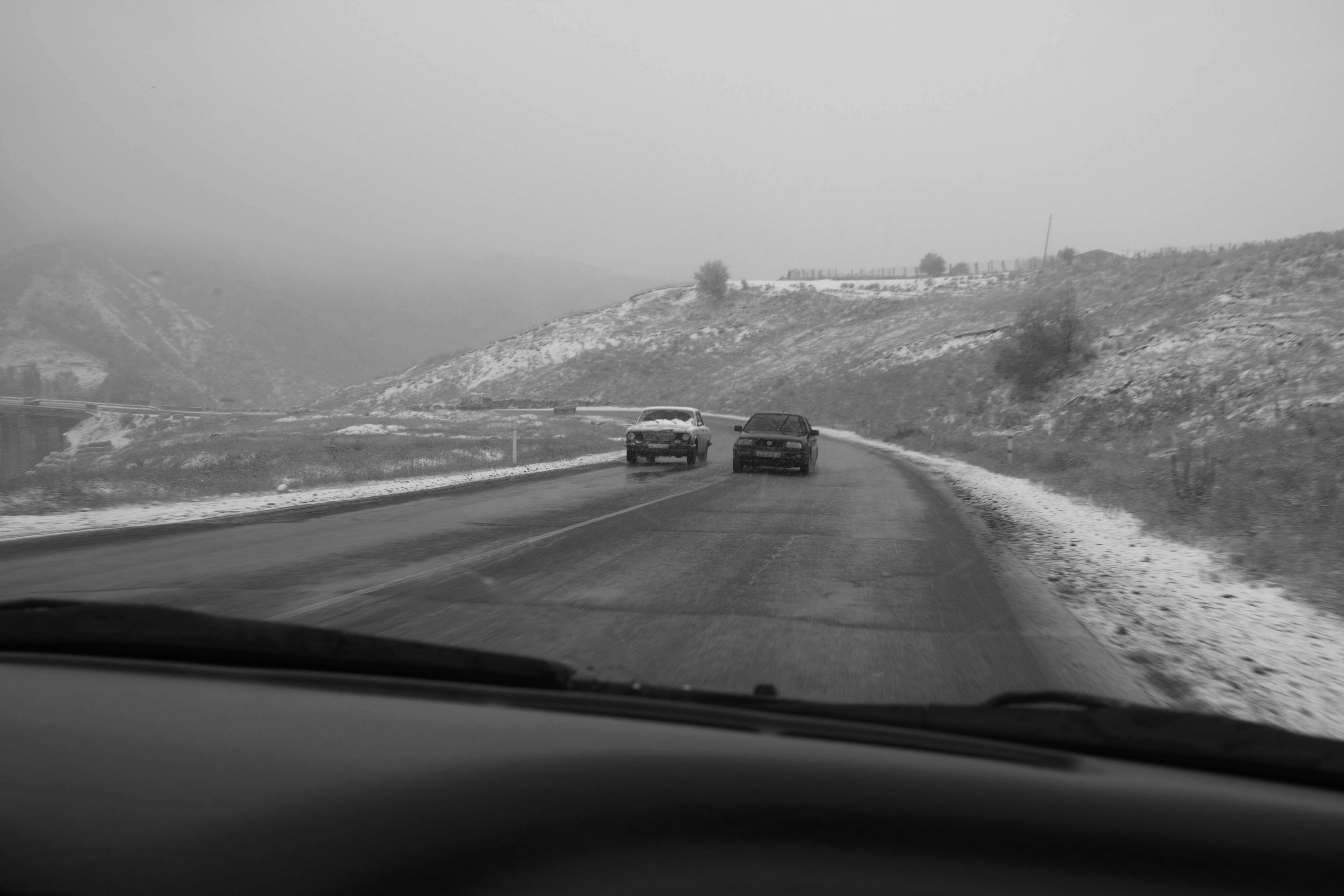
An Engagement Ring
2011A narrative series set in Wrocław in August 2011. Awarded 2nd prize & Silver Glass at the 10th Photographic Open Championship Olsztyn in 2014.
View Series →
Heat Wave
2014A documentary series recording spontaneous events across August and September 2014, capturing the raw energy of a city under the grip of summer.
View Series →