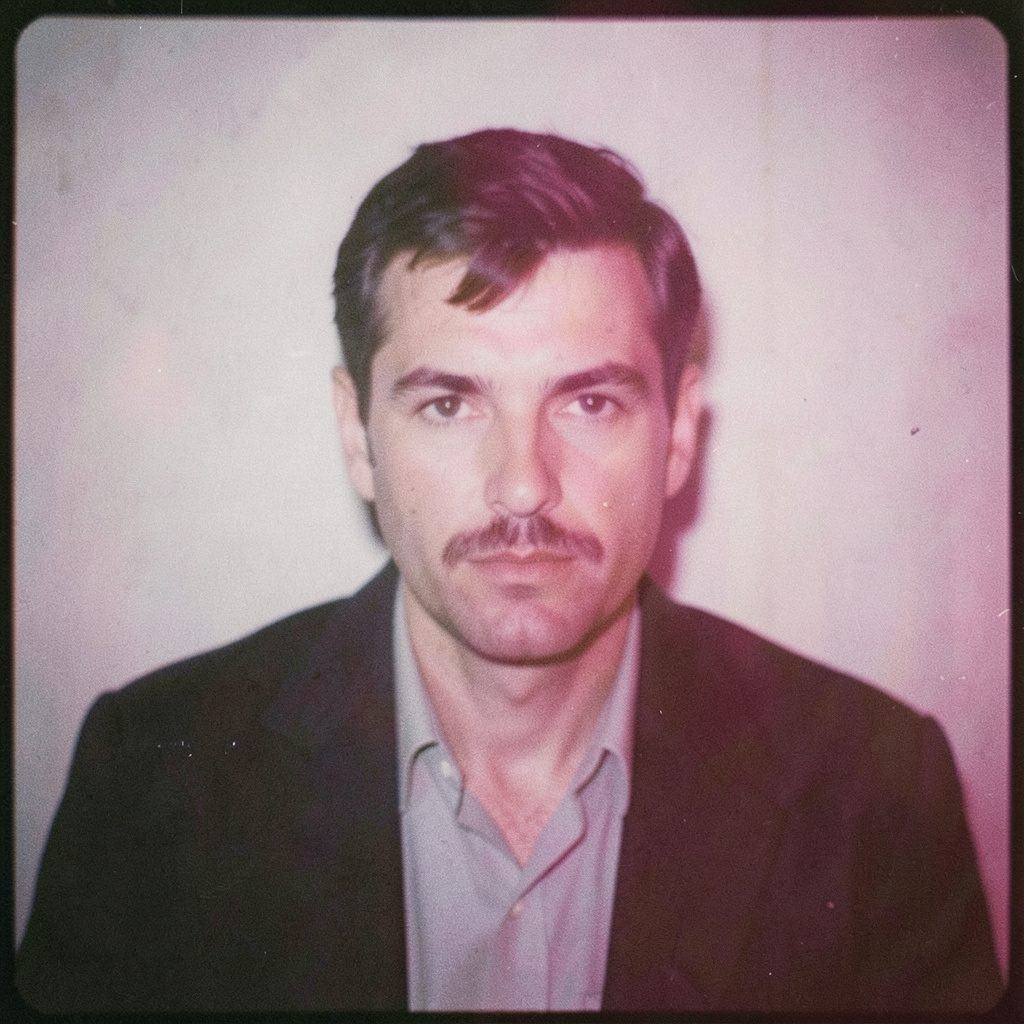
"Photography is not about the thing photographed. It is about how that thing looks photographed."
Creative Collaboration in Photography
A strong photographic commission is rarely the result of one person working in isolation. Makeup artists, hair stylists, wardrobe specialists and photographers shape the visual language together, balancing an initial concept with the practical realities of skin, fabric, light, movement and time. When that exchange is open from the first briefing, the final images feel considered rather than decorated.
This approach is especially valuable in business portraits, fashion editorials, events and conceptual series. A polished corporate portrait may need restraint, while a fine art image can benefit from deliberate exaggeration. The photographer’s role is to hold the overall direction, but the makeup artist and stylist bring specialised knowledge that can transform a good idea into a coherent visual world.
Begin With A Shared Visual Direction
Creative collaboration works best when everyone understands what the photographs should communicate. A moodboard is useful, but it should contain more than attractive reference images. Include notes about emotional tone, lighting, posture, colour, texture, location and the intended audience. A fashion story for a Melbourne gallery audience will require a different visual vocabulary from a campaign aimed at a Sydney technology company.
Reference images also need discussion rather than simple approval. One person may notice the lighting, another the silhouette, and another the expression or styling detail. Talking through those differences reveals what is essential and what can be adapted. A photographer working with analogue film may be drawn to grain, shadow and imperfect texture, while a stylist may be focused on clean lines and precise tailoring. These preferences can coexist when the team identifies the central idea.
The briefing should establish practical boundaries as well. Clarify the number of looks, the available changing space, whether the photographs are colour or black and white, and how much time is available for testing. For a shoot in Brisbane or Perth, heat and humidity may affect makeup longevity, hair volume and fabric choices. In Australia, outdoor work also needs realistic consideration of strong sun, wind, shade and the timing of golden-hour light.
Give Every Specialist A Meaningful Role
A makeup artist contributes far more than surface polish. They assess how products will react to the subject’s skin, the lighting style and the camera format. High-resolution digital cameras reveal texture in a very different way from medium-format film, while black-and-white photography responds strongly to tonal contrast. A makeup design that appears subtle in person may disappear under soft light, whereas a heavily sculpted look can become overpowering in a close portrait.
The stylist’s role extends beyond selecting attractive clothing. They build shape, rhythm and continuity across a series. The choice between wool, silk, denim, leather or sheer fabric changes how light behaves and how a subject occupies the frame. Small decisions such as cuff position, jewellery scale, shoe style and the relationship between a garment and the background can determine whether an image feels deliberate.
Good collaboration leaves room for professional judgement. A stylist may suggest removing an accessory that competes with the face, while a makeup artist may recommend a less reflective product after seeing the key light. These are creative contributions, not interruptions to the photographer’s plan. The strongest teams can question an idea without making the conversation personal.
A useful working principle is to assign responsibility without creating rigid territory. The photographer protects the composition and technical quality, the makeup artist protects skin and face, and the stylist protects the silhouette and visual continuity. Everyone can still comment on the whole image. This shared ownership is particularly important for conceptual work, where the final meaning may emerge through testing rather than being fully known beforehand.
Translate The Concept Through Light And Texture
The relationship between styling and lighting should be discussed before the camera is raised. Glossy makeup, metallic fabric and patent leather may create beautiful highlights, but they can also produce distracting reflections under a hard source. Matte textures absorb light and may need stronger separation from the background. A stylist who understands the planned lighting can choose garments that support the image rather than compete with it.
Analogue processes make this dialogue even more valuable. Film has its own response to colour, exposure and contrast, and a darkroom print can emphasise details that were easy to overlook on set. Rafal Michalak’s discussion of the Polish landscape influence offers a useful example of how environment, atmosphere and visual memory can inform a photographic language. Styling can carry similar references through weathered materials, muted colours, layered forms or a specific relationship with the landscape.
For a black-and-white portrait, colour choices still matter because different hues convert into different tones. A red garment, green background and warm skin tone may merge or separate depending on the film, filters and lighting. Makeup artists and stylists should be told when monochrome is planned, allowing them to think in terms of value, texture and shape rather than relying on colour contrast.
Digital workflows provide flexibility, but they do not remove the need for decisions on set. Retouching can refine skin, remove temporary distractions or adjust small styling issues, yet it cannot fully replace a well-considered silhouette or suitable makeup application. When the team solves visual problems during production, post-production becomes a finishing stage rather than an attempt to rescue the concept.
Build A Calm And Precise Set
The atmosphere on set affects the photographs. Subjects often become more confident when the photographer, makeup artist and stylist communicate calmly and avoid contradictory instructions. A clear sequence helps: the makeup artist completes the base and checks details, the stylist prepares the first look, and the photographer tests the light before making final adjustments. The process can remain flexible without becoming chaotic.
Allowing time for a proper look check is one of the simplest ways to improve results. Examine the face, hairline, collar, hems, pockets and jewellery through the actual camera. Check how the garment sits while the subject stands, walks, turns and sits. A detail that appears perfect in a mirror can shift when the person moves under studio lighting.
Respect is also practical. Ask before touching a subject’s clothing, hair or body, and make sure the subject knows who may make adjustments. A private changing area, clean tools and sensible hygiene standards are essential. Makeup products should be applied with appropriate sanitation, and garments should be handled carefully, especially when working with borrowed samples or designer pieces.
Australian productions also need to account for workplace responsibilities. A commercial shoot should consider safe access, electrical equipment, trip hazards, heat exposure and breaks, consistent with general Work Health and Safety expectations. If a model or employee is photographed in a way that identifies them, obtain appropriate releases and discuss image use clearly. Privacy obligations under Australian law can become relevant when images, names or personal information are collected for a campaign, website or mailing list.
Make The Partnership Sustainable
The relationship should continue after the final frame. A short review helps the team understand which decisions worked, which adjustments were made and how the images could be presented. Share selected proofs according to the agreed process, credit collaborators accurately and keep records of usage rights. Copyright, model releases and licensing terms should be settled before publication rather than assumed afterwards.
This matters in the Australian creative market, where a single shoot may be used across an agency presentation, social media, outdoor advertising, a website and printed collateral. A portrait commissioned for internal staff profiles does not automatically carry the same permissions as a national advertising campaign. The brief should state the duration, territory, platforms and whether the images may be altered or supplied to third parties.
A collaboration can also grow through cultural and artistic exchange. An editorial may lead to a gallery project, a commercial commission may introduce a photographer to a new designer, and a test shoot may reveal a visual direction worth developing into a series. Spaces such as Gestalt Projects demonstrate how photography can exist within a broader contemporary art conversation, where presentation, context and collaboration influence how an image is understood.
Practical Checks Before Shoot Day
Before production, confirm the creative and logistical details:
- Moodboard, shot list and visual references are shared with the full team.
- Makeup, hair, wardrobe, props and backup options are allocated.
- Location access, changing facilities, weather plans and call times are clear.
- Model releases, usage terms and collaborator credits are documented.
During the shoot, keep the team aligned with simple checks:
- Review the first frame of every look at the intended crop and lighting.
- Photograph wardrobe and makeup continuity before making major changes.
- Schedule touch-ups, water, meals and breaks rather than treating them as optional.
- Record film stock, lighting changes and styling notes for later editing.
A professional collaboration does not require everyone to agree immediately. It requires a process in which ideas can be tested, concerns can be expressed and decisions can be made without losing sight of the image. That discipline gives creative freedom a reliable structure.
The most memorable results often come from a small detail that several people noticed together: a particular fold of cloth, the balance between bare skin and shadow, a quiet expression after a wardrobe change, or the way wind alters a carefully arranged silhouette. When makeup, styling, photography and subject direction support the same intention, the image gains depth that no isolated technique can provide.
Selected Series
A cross-section of commissioned and personal projects spanning fine art, commercial, and conceptual work.
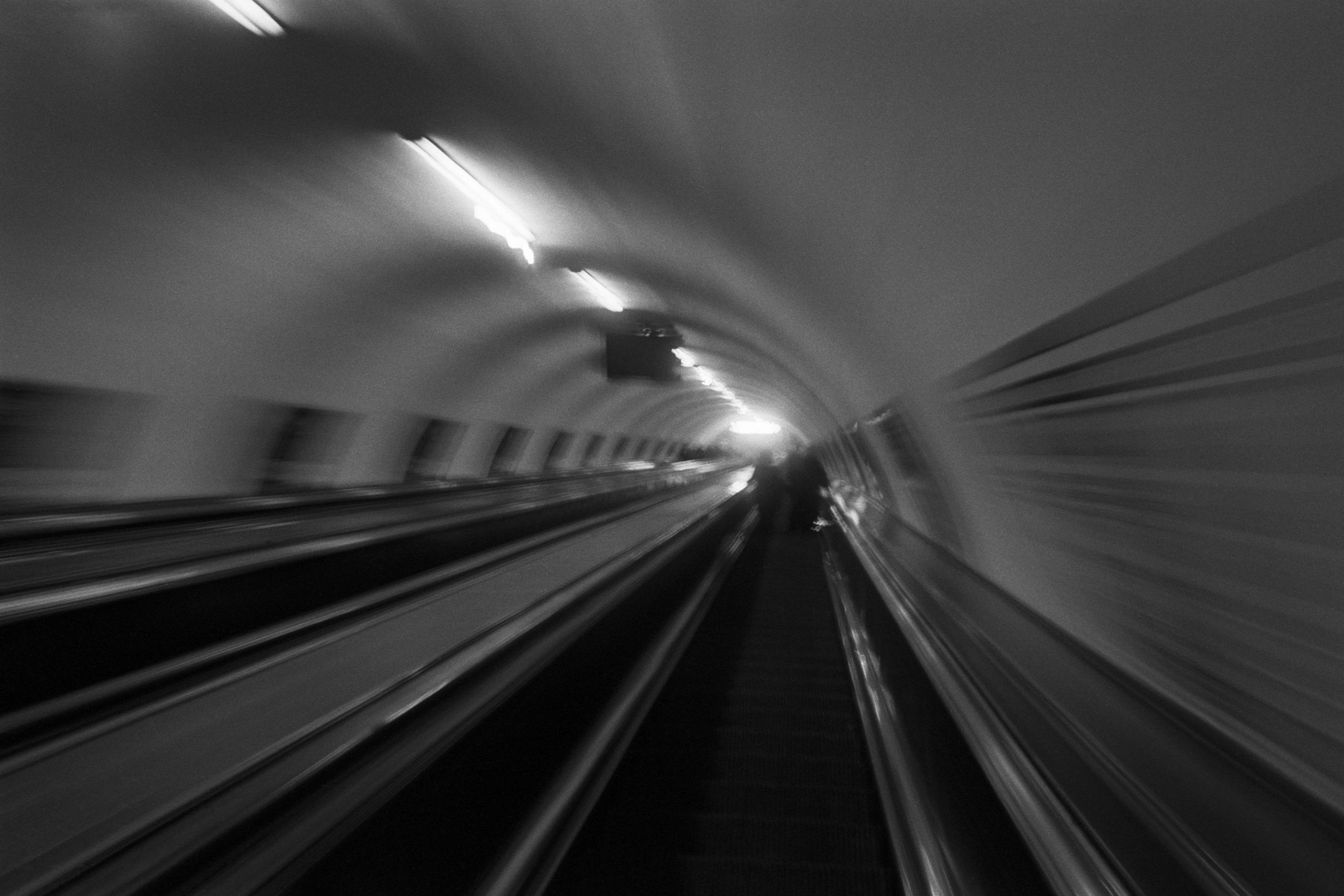
The Wall
2015Winner of the 1st prize & Golden Glass Award at the 11th Photographic Open Championship Olsztyn, and 1st place with the Special Prize of FORMAT magazine at the 3rd Biennial of Art in Piotrków Trybunalski.
View Series →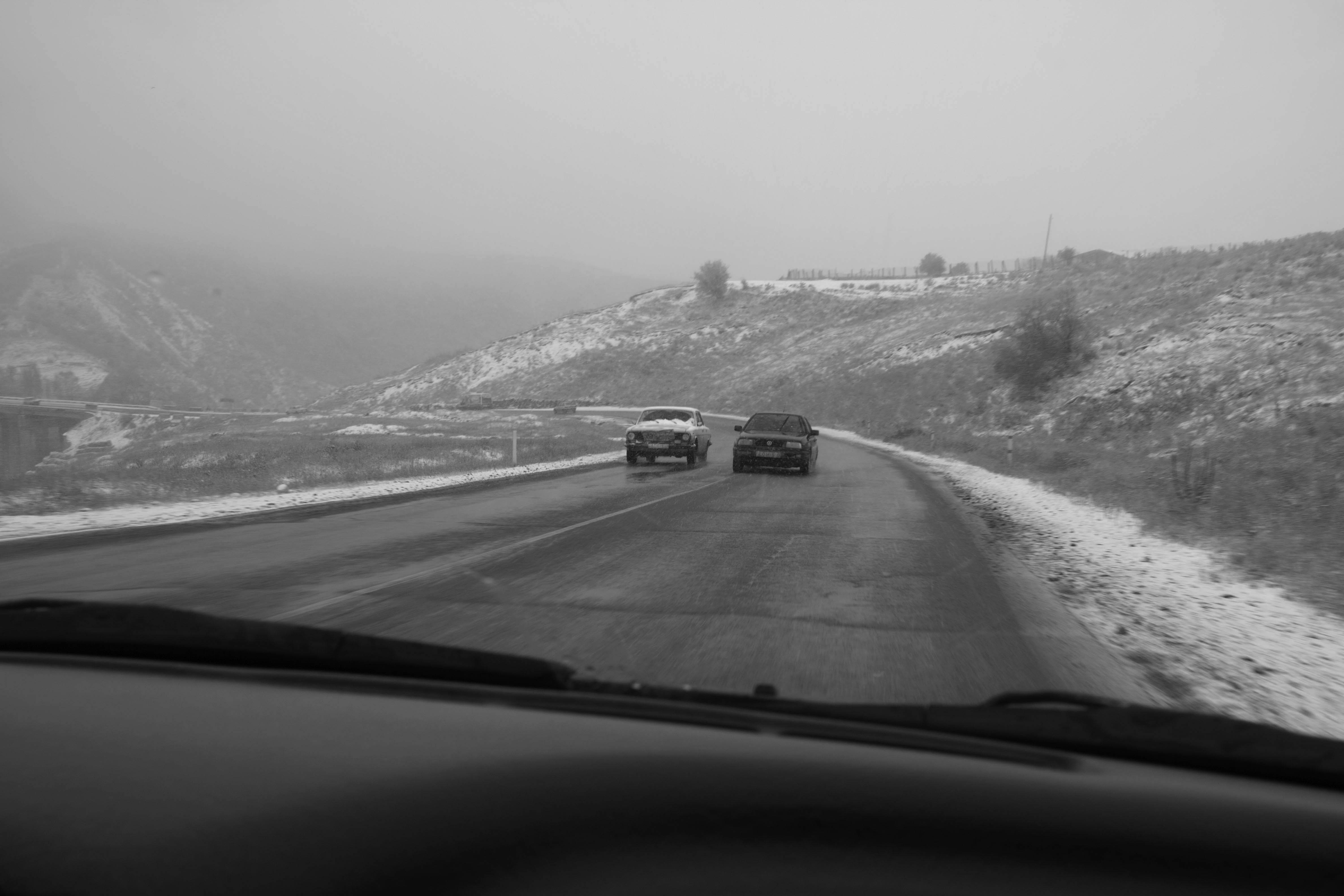
An Engagement Ring
2011A narrative series set in Wrocław in August 2011. Awarded 2nd prize & Silver Glass at the 10th Photographic Open Championship Olsztyn in 2014.
View Series →
Heat Wave
2014A documentary series recording spontaneous events across August and September 2014, capturing the raw energy of a city under the grip of summer.
View Series →