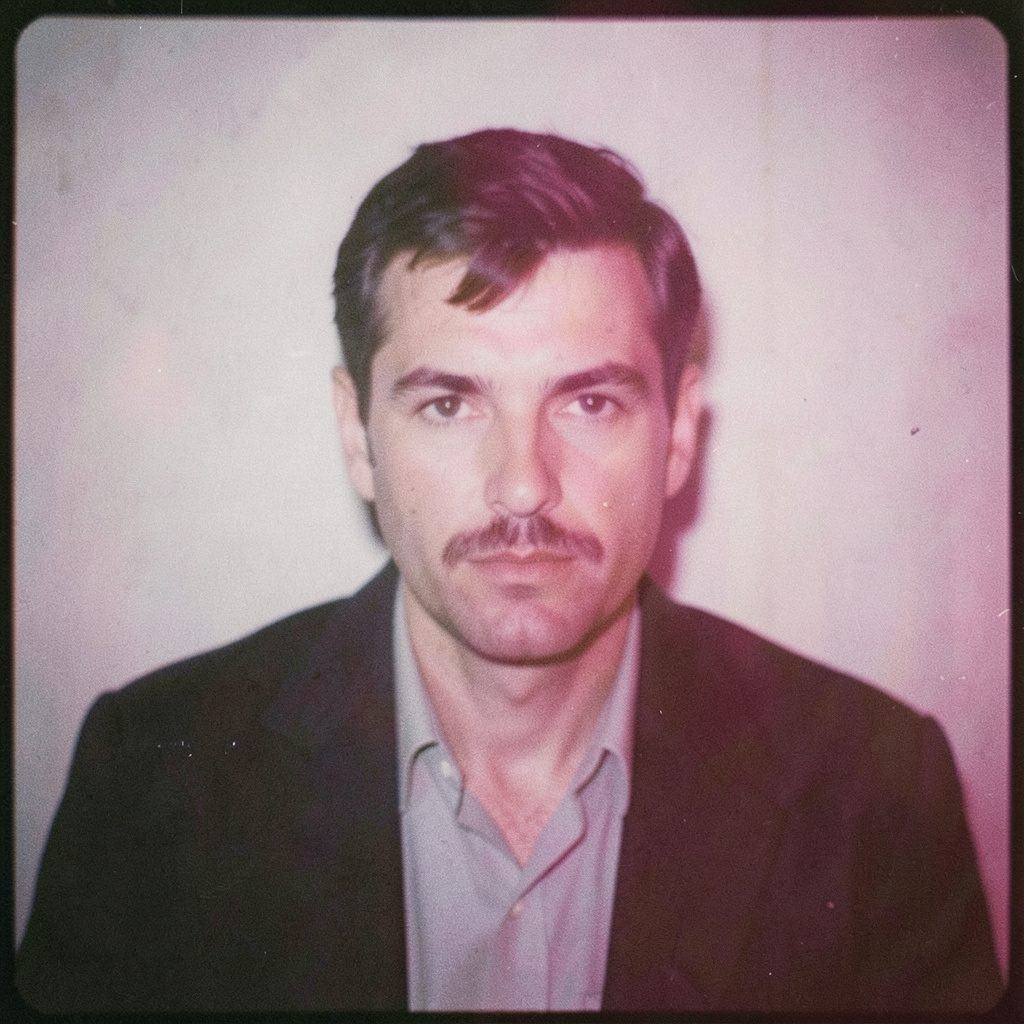
"Photography is not about the thing photographed. It is about how that thing looks photographed."
Fashion photography: styling, posing and visual storytelling
Fashion photography is often described through its visible ingredients: clothing, beauty, location and light. Yet a compelling image is built from the relationship between those elements. Styling should reveal character, posing should give the body intention, and the setting should suggest a world that feels larger than the frame. When these choices work together, a photograph can communicate an entire mood before the viewer has identified every detail.
This approach is useful for both editorial commissions and commercial campaigns. A designer may need a collection to appear desirable and precise, while a magazine story might require ambiguity, tension or a sense of escape. My practice combines digital workflows with medium-format photography, black-and-white film, analogue methods and darkroom thinking, allowing technical control to serve a distinctive visual atmosphere rather than replace it.
Begin with the emotional direction
Before selecting clothes or locations, define what the photographs should make people feel. Words such as restrained, rebellious, intimate, architectural or playful can guide decisions more effectively than a long list of visual references. A clear emotional direction gives the team a shared language and prevents a shoot from becoming a collection of attractive but disconnected frames.
The direction can be expressed through a simple visual narrative. A tailored look in a stark interior may suggest discipline and authority; the same garment beside a windswept beach can communicate freedom, vulnerability or transformation. In Australia, a fashion story photographed around Melbourne’s laneways might draw on concrete, graffiti and hard afternoon shadows, while a Sydney harbour location may call for a cleaner relationship between polished clothing and expansive natural light.
Research should support the idea without dictating it. Moodboards are useful for colour, texture, composition and attitude, but copying a reference rarely produces an authentic result. The strongest concepts leave room for the location, model and clothing to alter the original plan.
Treat styling as visual character
Styling does more than display a collection. It establishes who the subject might be, what they have experienced and how they occupy their environment. Fabric weight, proportion, layering and colour can all influence posture and movement. A rigid jacket can encourage a contained stance, while translucent fabric may invite gestures that are softer, slower and less predictable.
The stylist and photographer should discuss the hierarchy of each look. If the garment has an unusual sleeve, delicate construction or dramatic silhouette, the pose and crop must preserve its visual importance. Accessories can provide narrative clues, but too many competing details may weaken the image. A strong fashion frame usually has a clear focal point, even when the overall styling is complex.
Practical decisions matter during a real production. Australian weather can change quickly, especially when a shoot moves between exposed coastal locations and air-conditioned interiors. A kit that includes clips, fashion tape, a steamer, spare hosiery and weatherproof garment bags protects the styling concept from small disruptions. In humid Brisbane conditions, fabric choices and makeup touch-ups may need more attention than they would in a dry studio.
Build poses from movement and intention
Posing becomes convincing when it grows from an action, thought or relationship with the environment. Instead of asking a model to “look natural”, give them a reason to turn, pause, lean, adjust a cuff or look beyond the frame. Specific direction creates physical behaviour, and physical behaviour tends to look more believable than a pose held only for appearance.
Small changes can transform a frame. Shifting weight onto one foot alters the line of the hips; relaxing the hands reduces tension; moving the chin a few millimetres changes the expression and the shape of the neck. The photographer should watch these details without interrupting the model’s confidence. Continuous shooting can capture transitions, but thoughtful pauses often produce more expressive images than a rapid sequence of instructions.
The model’s relationship with the clothing is central. Ask them to notice how a coat moves when they walk or how a long skirt responds when they turn. For campaign work, poses need enough structure to communicate the product, while editorial photography can tolerate more uncertainty. A good direction balances clarity with room for the subject’s own personality.
Let the location carry part of the story
A location should contribute meaning, not merely provide an attractive background. Consider its surfaces, sounds, scale, history and relationship to the clothes. A weathered industrial building can bring tension to a refined collection, while a quiet domestic room may make avant-garde pieces feel personal and lived in. The setting becomes part of the narrative when the subject appears to belong there, resist it or change it.
The Australian landscape offers unusually varied visual possibilities. A shoot near St Kilda can use beach light, changing skies and urban edges within a small area, while a Perth location may provide bright open space and distinct mineral colours. These places should not be treated as generic scenery. A location’s local character is most persuasive when the styling and performance respond to it rather than simply being placed in front of it.
Permissions, access and timing are part of creative planning. Popular public spaces can become crowded, and early morning or late afternoon often provides both more manageable foot traffic and better light. In Sydney, a commercial team may also need to account for council requirements, parking and equipment movement. A compact crew can preserve spontaneity, particularly when the concept depends on passing pedestrians, changing weather or an unrepeatable moment.
Shape light around texture and mood
Light determines how fabric, skin and space are read. Soft light can reveal delicate materials and create an intimate atmosphere, while directional light gives structure to tailoring, pleats and metallic surfaces. The choice should respond to the narrative. A romantic story may need gradual tonal transitions; a graphic campaign may benefit from defined shadows and controlled highlights.
Analogue photography encourages a patient relationship with exposure and detail. Medium-format film can produce a calm, considered presence, while black-and-white film reduces distractions and directs attention towards gesture, texture and form. Digital capture provides speed and flexibility, especially when a client needs to review options during the day. These methods can work together when the visual language remains consistent.
Natural light is not automatically more authentic than artificial light. A window may create beautiful softness, but it can also flatten a dark garment or leave the background visually unbalanced. Flash, reflectors and negative fill allow the photographer to shape the scene with intention. For a black-and-white series, tonal separation becomes especially important because adjacent shades of colour may appear similar once converted to monochrome.
Create a production rhythm that supports performance
A fashion shoot benefits from a clear rhythm: preparation, testing, focused shooting, short resets and occasional space for experimentation. The team should know which frames are essential before the day begins, yet the schedule should not be so tight that the model becomes exhausted or the best idea is abandoned because it was not on the call sheet.
Australian commercial photography often involves a mix of agencies, independent labels, e-commerce requirements and smaller editorial teams. Budgets can vary considerably, so a photographer may need to deliver polished campaign images while working with a compact crew. Clear communication about usage, retouching, delivery formats and the number of final looks protects the creative process and prevents misunderstandings after the shoot.
Useful habits for a composed set include:
- Prepare a visual brief that explains the story, palette, movement and intended audience.
- Photograph a quick lighting and styling test before committing to the full sequence.
- Build breaks into the schedule so the model, hair and makeup team can reset properly.
- Capture both deliberate hero frames and transitional moments between poses.
- Keep notes on film stocks, digital settings, styling changes and selected expressions.
The photographer’s manner affects the images as much as the equipment. Calm, precise direction helps a model take risks without feeling exposed. It also gives the stylist and client confidence that experimentation has a purpose rather than being a departure from the brief.
Use editing to deepen the narrative
Editing begins before post-production. During the shoot, review images for emotional continuity, garment visibility and variation in composition. A sequence needs breathing space as well as impact: a close portrait may sit beside a full-length image, followed by a detail of fabric or an environmental frame. Repetition can be useful when it creates rhythm, but accidental duplication weakens the story.
Retouching should refine the image without removing its physical truth. Skin can be balanced, distractions reduced and clothing corrected, while the model’s character, texture and movement remain present. Analogue processes offer their own forms of variation through grain, contrast and tonal response. Digital tools can preserve that atmosphere when used with restraint rather than applying a uniform effect to every frame.
A portfolio should show how the photographer thinks, not just how well they can expose an image. Combining a precise commercial portrait with a more experimental series can demonstrate range, but the selection still needs a recognisable point of view. My decision to work from Wrocław is part of that perspective, and the story behind this creative home reflects how place can shape an artist’s visual language and professional identity.
Turn clothing into a memorable story
The most persuasive fashion images leave the viewer with a question, a sensation or a fragment of imagined life. This does not require an elaborate plot. A glance withheld, a hand gripping a coat, a figure standing alone in a large room or a pair of shoes marked by travel can suggest a world beyond the photograph. Narrative is often created through implication rather than explanation.
Consistency helps that implication accumulate. Repeat a colour, gesture, shape or spatial relationship across several frames and the series begins to feel intentional. Contrast can be equally powerful: stillness followed by movement, a close crop followed by distance, or a soft portrait placed beside a severe architectural composition. These choices allow the collection to be understood as a visual journey rather than a catalogue of garments.
For designers, brands and publications, storytelling also gives an image longer life. A photograph that communicates attitude can work across a campaign, lookbook, press feature or social media sequence without becoming tied to a single product description. The clothing remains central, but its value is strengthened by the world built around it. When styling, posing, light and place all support the same idea, the final frame feels considered, human and difficult to forget.
Selected Series
A cross-section of commissioned and personal projects spanning fine art, commercial, and conceptual work.
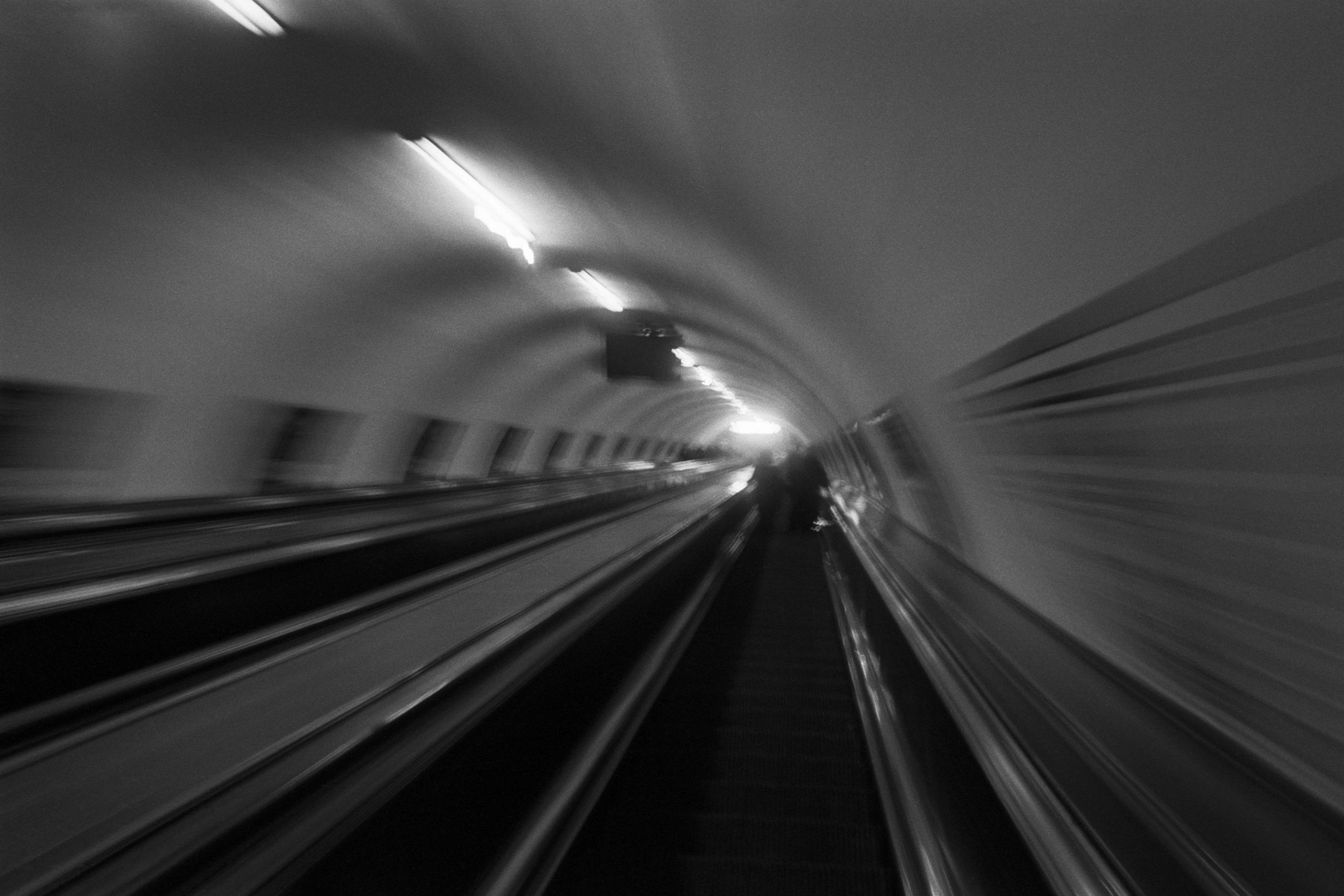
The Wall
2015Winner of the 1st prize & Golden Glass Award at the 11th Photographic Open Championship Olsztyn, and 1st place with the Special Prize of FORMAT magazine at the 3rd Biennial of Art in Piotrków Trybunalski.
View Series →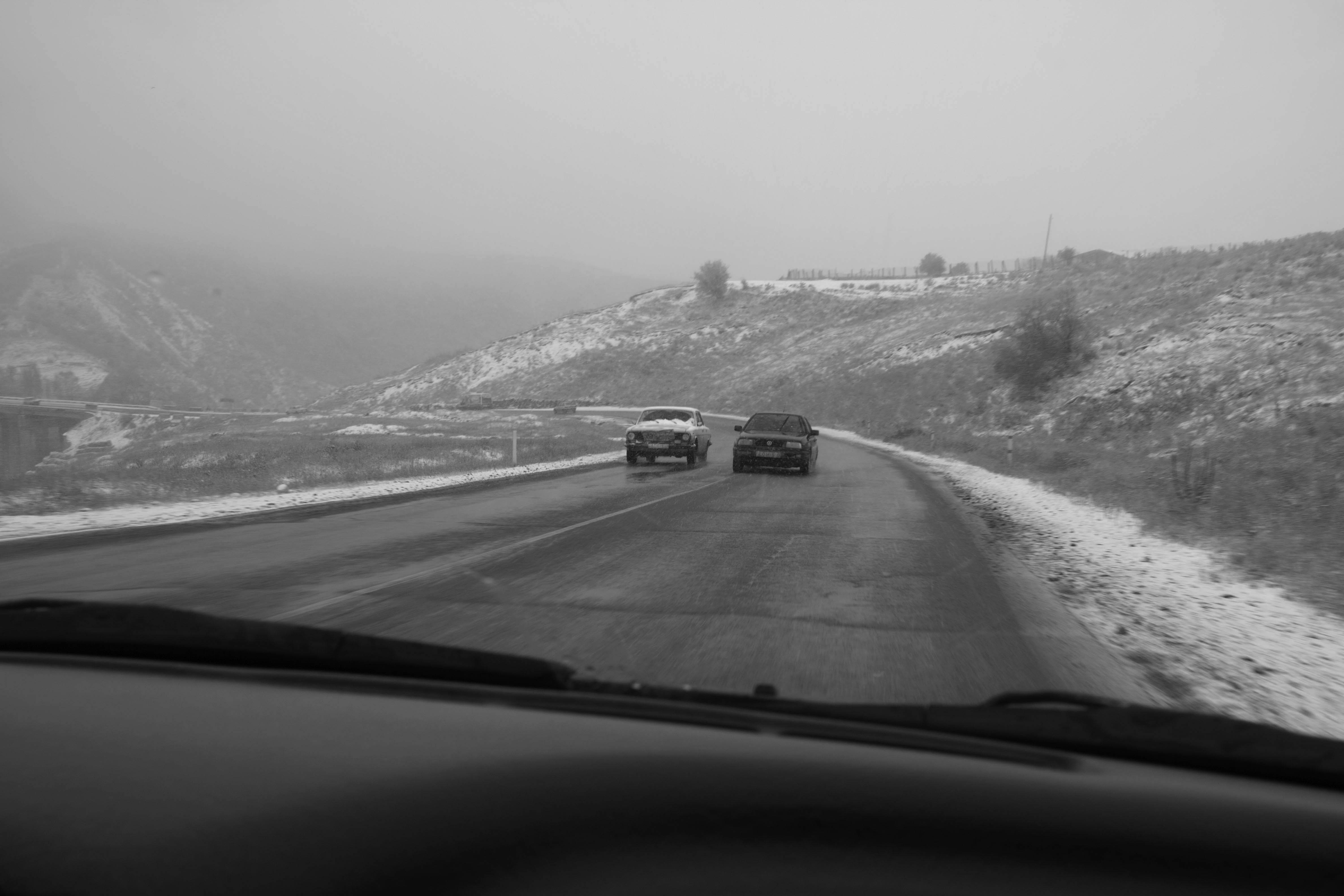
An Engagement Ring
2011A narrative series set in Wrocław in August 2011. Awarded 2nd prize & Silver Glass at the 10th Photographic Open Championship Olsztyn in 2014.
View Series →
Heat Wave
2014A documentary series recording spontaneous events across August and September 2014, capturing the raw energy of a city under the grip of summer.
View Series →