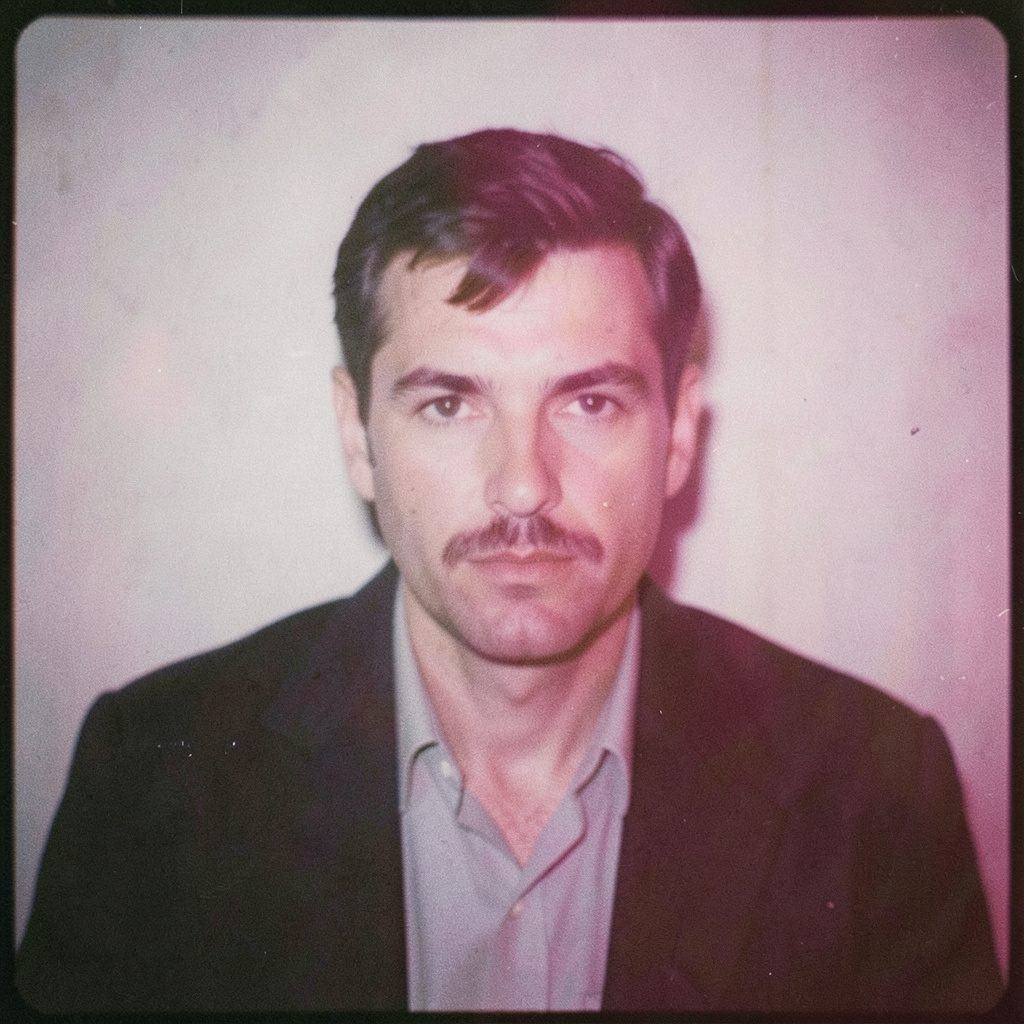
"Photography is not about the thing photographed. It is about how that thing looks photographed."
Why I chose Wrocław as my creative home
A photographer’s home is more than an address. It becomes a way of seeing: the quality of the morning light, the rhythm of the streets, the people encountered between assignments, and the spaces where ideas can develop without being rushed. For me, Wrocław has become that kind of place. It gives my work a strong sense of location while leaving enough room for curiosity, experimentation, and change.
I was drawn to the city because it holds several identities at once. Wrocław is historic and contemporary, architectural and informal, local and international. Its bridges connect islands across the Oder, while its streets reveal layers of German, Polish, Jewish, industrial, student, and artistic history. That mixture creates visual tension, and visual tension is often where a photographic idea begins.
My practice moves between business portraits, fashion, events, fine art, and conceptual photographic series. I work with digital cameras, medium-format equipment, black-and-white film, analogue processes, and darkroom principles. Wrocław supports all of those approaches. A formal portrait can take place in a modern office, while a personal series may begin in a neglected courtyard, a railway underpass, or the quiet edge of the river.
For an Australian audience, this may sound quite different from choosing Melbourne, Sydney, Brisbane, or another established creative centre. Yet the underlying question is familiar: how can a place help an artist build a recognisable voice? Wrocław answered that question through its scale, atmosphere, creative community, and the practical freedom it gives me to work across commercial and artistic photography.
A city with layers in every frame
Wrocław rewards photographers who pay attention to transitions. The centre can move from polished historic façades to worn plaster, from busy tram lines to secluded passages, within a short walk. Around the Market Square, the architecture feels open and theatrical. In Nadodrze, the mood becomes more textured, with old tenements, workshops, small galleries, and traces of regeneration appearing beside one another.
That contrast matters to me because I am interested in photographs that carry more than one reading. A portrait can be elegant while still retaining something unresolved. A fashion image can be carefully constructed and still feel connected to the street. Wrocław’s visual character allows me to work with those contradictions rather than flattening them into a single polished style.
The Oder is another reason the city stays visually active. Water changes the atmosphere of a location from one hour to the next. Bridges create strong lines and repeated forms, while the islands offer spaces that feel removed from the urban centre without actually being far away. In black and white, reflections, stone, fog, and hard winter light can become almost abstract.
There is also the city’s history of rebuilding. Much of Wrocław was reconstructed after the Second World War, and that history remains present in the relationship between old structures and new uses. A former industrial building may become a studio, event venue, or cultural space. For an image-maker, such locations offer a sense of continuity without feeling frozen in the past.
The freedom to move between commercial and fine art work
I did not want to choose a home that required me to become one kind of photographer. Wrocław gives me the ability to move between professional assignments and longer personal projects. In one week, I may be making a considered business portrait, photographing an event, developing film, and working on a conceptual series with no obvious commercial purpose.
That flexibility is important because commercial photography and fine art photography often strengthen each other. Working with a business client teaches precision, communication, and the discipline of responding to a real brief. Personal work gives me space to take risks, slow down, and follow an idea beyond its first attractive image. Each side keeps the other alive.
Portraiture is a good example. A professional portrait needs to represent a person accurately and serve a clear purpose, whether that is a company website, an editorial profile, or a leadership campaign. Yet it also needs atmosphere and individuality. My approach to preparing for a session is explained in this portrait session guide, where practical preparation supports a more relaxed and expressive result.
This balance is relevant to Australian businesses as well. A Melbourne consultant may need an image that feels credible on LinkedIn without looking stiff; a Sydney creative director may want something more distinctive than a standard corporate headshot. In Australia, professional services often rely heavily on trust, personal reputation, and referrals. A portrait has to communicate competence while still allowing a real person to appear in the frame.
A creative rhythm that suits the work
Wrocław has a manageable scale for sustained creative work. It is large enough to provide clients, cultural institutions, studios, and varied locations, but compact enough that movement between them does not consume an entire day. That practical quality has a direct effect on photography. I can revisit a place, notice how the light changes, and develop an idea through several stages rather than treating every shoot as a one-off encounter.
The city’s student population contributes to its energy. Universities bring movement, international connections, and a willingness to try new things. Cafés, galleries, music venues, independent shops, and cultural centres create a network of informal meeting places. Conversations about a project can begin casually, then develop into collaborations involving designers, performers, stylists, musicians, or writers.
I also value the slower moments. The best image is not always found during a major event or at a famous location. It may appear on a quiet Sunday near the river, in the colour of a stairwell, or in the expression of someone waiting for a tram. Analogue photography encourages this kind of attention. When every frame has a cost in time and material, observation becomes more deliberate.
Australian cities have their own versions of this creative rhythm. Melbourne’s laneways and warehouse studios encourage visual experimentation, while Brisbane’s intense light and subtropical weather create a different relationship with colour, shade, and outdoor work. In either place, photographers understand that a city’s creative identity is built through repeated use of ordinary spaces, not just through iconic landmarks.
Working across borders without losing a local identity
Wrocław is well connected to the rest of Europe, which makes it possible to work internationally while remaining grounded in one place. Clients, collaborators, and influences arrive from different countries, yet the city itself remains a consistent base. This combination suits my practice. I can respond to global visual languages without abandoning the particular atmosphere that gives my images their character.
The city is also a useful meeting point between established institutions and newer independent initiatives. There are formal cultural venues, but there is equal value in smaller project spaces, temporary exhibitions, self-organised events, and collaborations that exist outside conventional structures. That variety encourages a photographer to stay adaptable and to avoid relying on one definition of success.
For Australian clients, distance does not have to prevent a meaningful connection. A commercial project can begin with a detailed conversation about brand values, audience, location, and intended use. Editorial or conceptual work can develop through shared references and clear visual planning before anyone steps in front of a camera. Good photography depends on communication long before the shutter is pressed.
The language of business is different in small ways across markets. Australian clients may say “no worries,” “good on you,” or “mate” while still expecting sharp organisation and reliable delivery. There is often a direct, practical approach to budgets and timelines, with a strong preference for photographers who are easy to work with. I respect that balance: warmth in the process, precision in the result, and no unnecessary performance around either.
Why the city continues to shape my vision
Choosing Wrocław was also a decision to stay close to a place that continues to reveal itself. I am still discovering new surfaces, routes, buildings, and human connections. Familiarity has not made the city visually empty. It has made me more sensitive to small changes: a construction site opening a new view, a shopfront disappearing, a different kind of light entering a courtyard, or a neighbourhood becoming more active after years of quiet.
That sense of change is important for conceptual photography. A series often begins with a simple visual observation, then grows through repetition and association. Wrocław provides recurring subjects without dictating a finished meaning. Its architecture can suggest memory, its river can suggest movement, and its public spaces can raise questions about belonging and transformation.
The city has also taught me to value restraint. A photograph does not need to explain everything immediately. The influence of darkroom principles remains present in how I approach contrast, texture, timing, and the emotional weight of an image. Film, especially medium-format and black-and-white film, slows down the process and makes room for ambiguity. Digital tools then allow careful refinement, sequencing, and delivery when a project needs flexibility.
For me, Wrocław is a creative home because it supports both concentration and connection. It offers history without demanding nostalgia, professional opportunity without forcing a commercial identity, and visual variety without becoming overwhelming. From the Oder islands to contemporary workspaces, from a carefully directed business portrait to an uncertain experimental frame, the city keeps giving me reasons to look again.
Selected Series
A cross-section of commissioned and personal projects spanning fine art, commercial, and conceptual work.
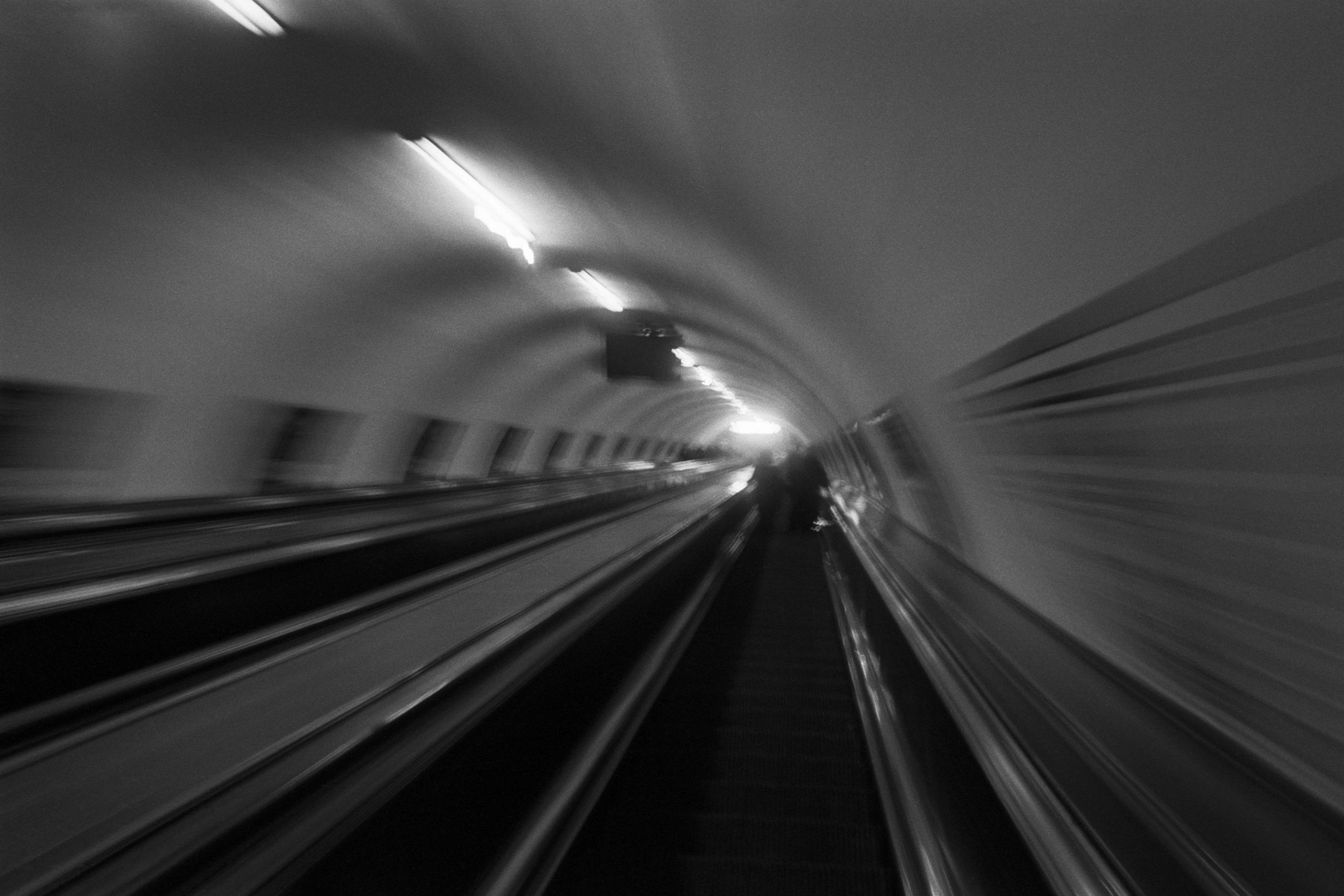
The Wall
2015Winner of the 1st prize & Golden Glass Award at the 11th Photographic Open Championship Olsztyn, and 1st place with the Special Prize of FORMAT magazine at the 3rd Biennial of Art in Piotrków Trybunalski.
View Series →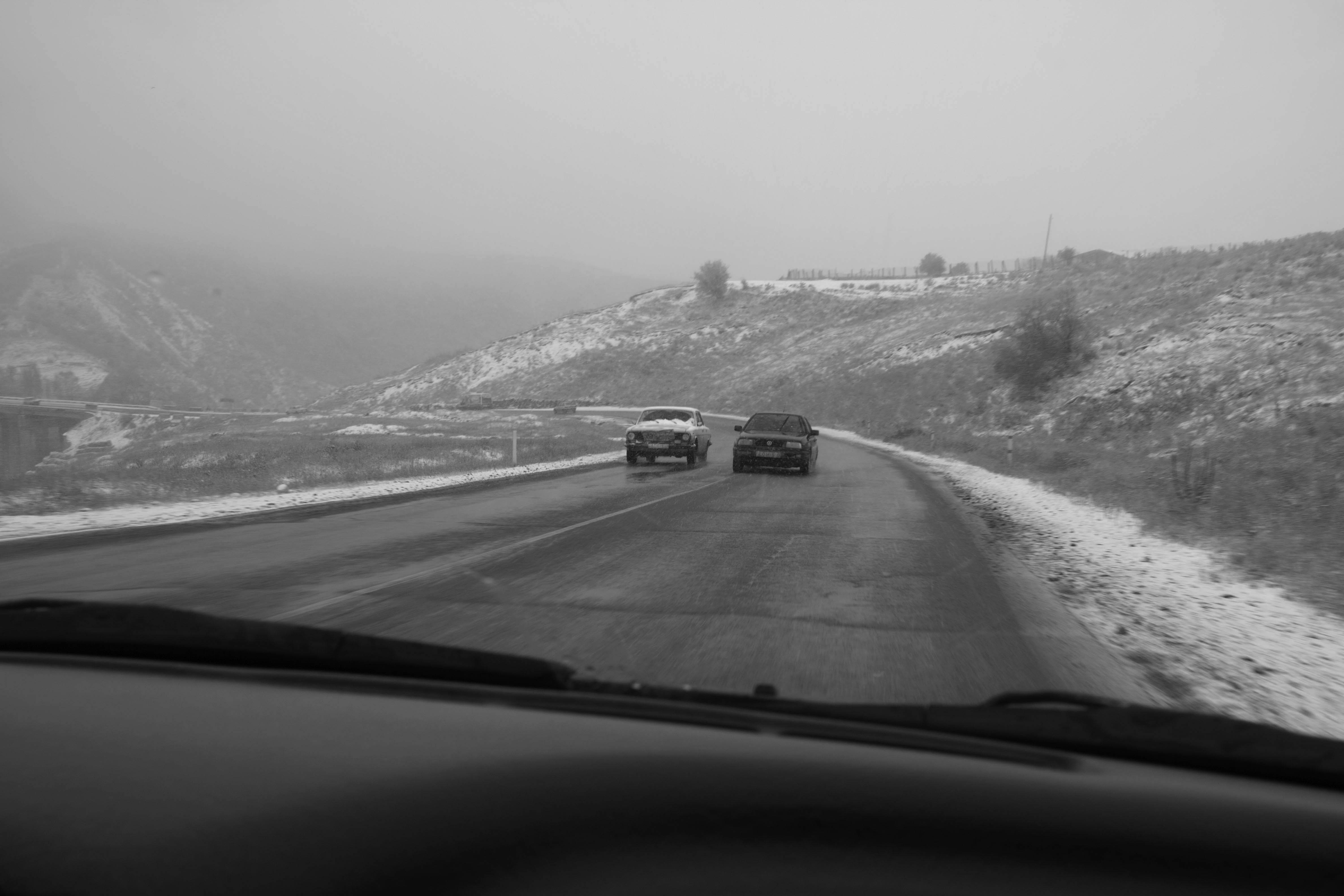
An Engagement Ring
2011A narrative series set in Wrocław in August 2011. Awarded 2nd prize & Silver Glass at the 10th Photographic Open Championship Olsztyn in 2014.
View Series →
Heat Wave
2014A documentary series recording spontaneous events across August and September 2014, capturing the raw energy of a city under the grip of summer.
View Series →