"Photography is not about the thing photographed. It is about how that thing looks photographed."
Finding the Narrative in a Single Still Image
A photograph can contain a story without showing an entire sequence of events. A gesture, a shadow, a trace of movement, or an unresolved expression may suggest what happened before the shutter opened and what might happen afterward. The image becomes a meeting point between visible evidence and imagined circumstance.
Finding the narrative in a single still image requires more than selecting an attractive subject. It involves observing relationships: between figure and setting, light and surface, gesture and silence. A compelling photograph gives the viewer enough information to begin reading, while preserving enough uncertainty to keep that reading active.
This approach is central to both fine art and commercial photography. A business portrait can communicate authority, openness, or concentration through a carefully chosen environment. A fashion image can imply an entire character through posture, styling, and atmosphere. An event photograph can preserve the emotional rhythm of a moment rather than simply documenting attendance.
Rafal Michalak’s photographic practice brings together analogue sensibility, medium-format film, black-and-white imagery, darkroom principles, and digital precision. These methods support a patient way of looking, in which composition is shaped by emotional weight as much as by technical control. The resulting image may be quiet, but it is rarely empty.
The Story Begins Before The Shutter
A photograph’s narrative often begins with the photographer’s decision about where to stand and when to release the shutter. The chosen instant is never neutral. A subject photographed a fraction of a second earlier or later can appear confident, distracted, defensive, or vulnerable. Timing gives the image its psychological temperature.
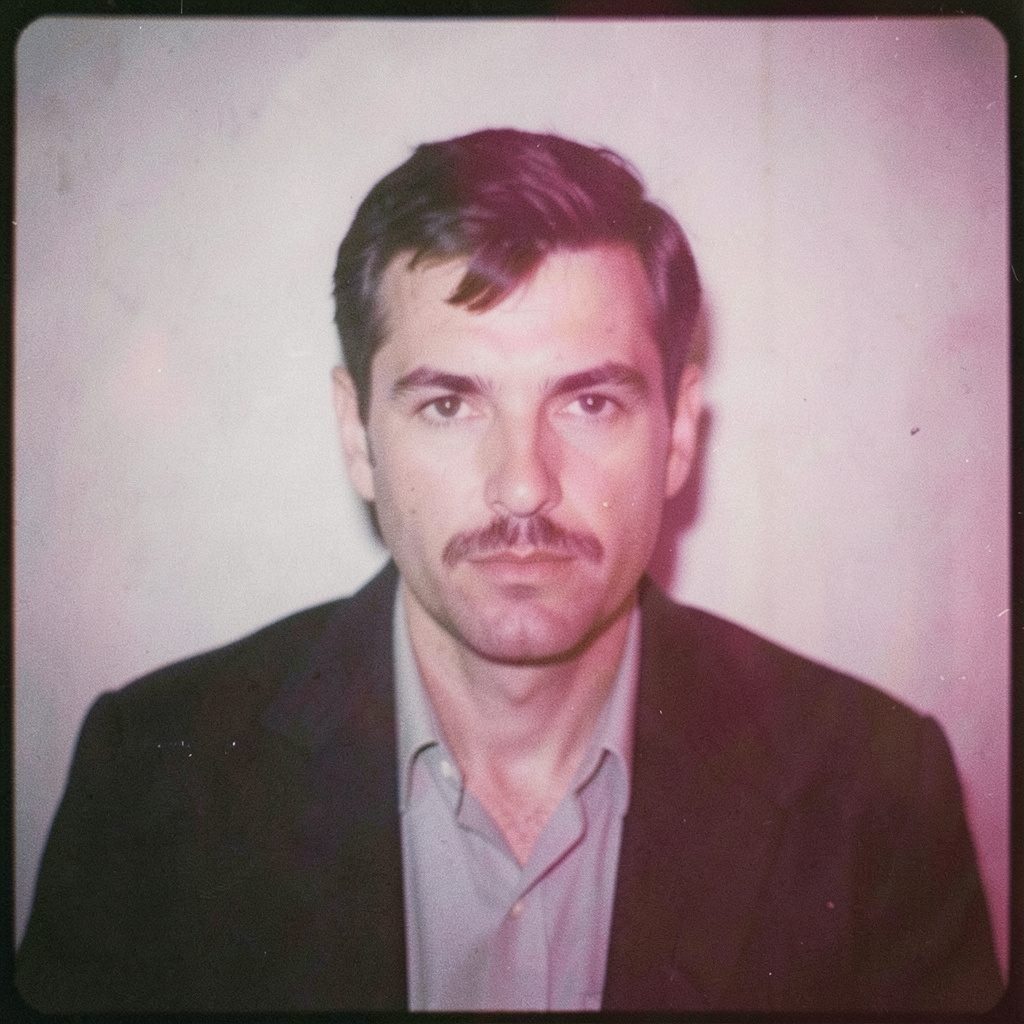
This is especially clear in portrait photography. The person’s expression matters, but so do the small signals around it: the direction of the eyes, the position of the hands, the distance from the background, and the tension held in the shoulders. These details create a scene that feels larger than the frame. The viewer begins to ask what the subject has just heard, what they are withholding, or what they are preparing to say.
Narrative photography does not need obvious action. A still figure beside an open doorway may suggest departure. An empty chair can imply absence. A turned back can create anticipation because the face, usually the main source of information, has been withheld. The less direct the explanation, the more the viewer participates in constructing meaning.
Composition As Narrative Grammar
Composition functions like a visual grammar. Lines guide attention, spaces create pauses, and proportions determine which elements appear dominant or subordinate. A diagonal can introduce instability, while a symmetrical arrangement may suggest ritual, control, or confinement. These formal choices influence how the image is read before the viewer consciously names them.
Negative space has a particularly strong narrative role. It can isolate a subject, imply distance, or give an unseen presence room to exist. In a business portrait, generous space around the figure may communicate composure and confidence. In a conceptual series, the same space might feel lonely or expectant. Meaning comes from the relationship between visual structure and emotional context.
Depth also affects the implied story. A foreground object can act as evidence, obstacle, or witness. A distant figure may seem excluded from the scene, while a close crop can make the viewer feel physically involved. Layers within the frame allow several moments to coexist: something happening in front, something suggested behind, and something concealed beyond the image.
Light, Shadow, And Emotional Evidence
Light is one of the most direct ways to establish atmosphere. Hard sunlight can reveal texture and produce a sense of exposure. Soft, diffused illumination may create intimacy, hesitation, or calm. Directional light can divide a face or room into visible and hidden areas, giving the photograph a psychological structure.
Shadow should not be treated simply as a technical absence of detail. It can conceal information, protect a subject, or introduce a second visual presence. In black-and-white photography, tonal transitions often carry the emotional force that color would otherwise provide. A narrow range of greys can feel restrained and contemplative, while stark contrast can make an ordinary room appear severe.
Analogue processes are particularly suited to this kind of visual storytelling because they preserve small irregularities. Grain, tonal density, and the physical character of a print can make a scene feel remembered rather than merely recorded. Darkroom principles encourage attention to the full image, from its deepest shadows to its brightest highlights, so atmosphere remains connected to form.
The Importance Of Place
A setting is never just a background. Architecture, furniture, weather, and surface carry cultural and emotional information. A polished office suggests a different story from a worn studio, even when the same person occupies both spaces. Location can explain a subject’s role, contradict their appearance, or create a productive tension between the two.
Abandoned environments are especially rich in narrative possibility because they contain signs of human activity without the people who created them. Peeling paint, broken windows, discarded objects, and interrupted rooms become clues. In exploring the emotional weight of abandoned spaces, a photograph can move beyond visual atmosphere toward questions of memory, loss, and the passage of time.
The strongest location-based images avoid treating decay as decoration alone. They consider what the space once enabled, who left it, and what remains unresolved. A rusted doorway may suggest more than neglect; it can point toward economic change, personal history, or an uncertain future. The place becomes an active participant in the photograph’s narrative.
Gesture, Expression, And The Unsaid
Human presence gives a still image immediate emotional access, yet narrative does not depend on a recognizable facial expression. A hand resting on a table, a coat held tightly around the body, or feet angled toward an exit can communicate more subtly than a smile or frown. Small physical decisions often reveal a subject’s relationship to the space.
In portrait sessions, trust makes these details possible. A subject who feels reduced to a pose may offer a polished but limited performance. A subject who has room to settle into the situation can reveal moments of ambiguity and concentration. The photographer’s role is to create conditions in which an authentic gesture can appear, then recognize its significance before it disappears.
The unsaid is often where the story gains depth. An image that explains every emotion may leave little for the viewer to discover. A restrained expression, a partially hidden face, or a disconnected gaze can hold several interpretations at once. This openness makes the photograph durable, allowing its meaning to change as the viewer’s own experiences change.
From Observation To Interpretation
Every viewer brings personal memory to an image. The same empty room may evoke freedom for one person and grief for another. A formal portrait may be read as authoritative, guarded, or lonely depending on the viewer’s assumptions. Photographic narrative therefore emerges through an exchange between the maker’s choices and the audience’s imagination.
This does not mean that meaning is arbitrary. Visual signals establish a field of likely interpretations. A low viewpoint can lend power; a compressed space can suggest pressure; an interrupted horizon can disturb equilibrium. Craft gives the viewer a route through the image, even when the destination remains uncertain.
Titles, captions, and sequencing can guide interpretation without closing it down. In a photographic series, a repeated object or tonal pattern may connect separate images and create a larger narrative arc. A single image must achieve a similar effect internally, using visual echoes and carefully balanced tensions. The frame becomes a compact form of storytelling in which every detail has potential significance.
Building A Narrative Image In Practice
The process begins with observation rather than equipment. Before choosing a lens or lighting arrangement, the photographer can consider what is emotionally active in the scene. Is the central subject a person, a relationship, a transition, or an absence? Clarifying that focus helps prevent decorative details from overpowering the intended meaning.
Technical decisions then become narrative decisions. A medium-format frame may preserve a quiet richness of detail, while a close crop may create urgency. Black-and-white processing can remove distracting information and emphasize gesture, structure, and tonal contrast. Digital tools can refine the result, but they are most effective when they support the original emotional intention.
A practical working method can help preserve that intention:
- Look for the detail that changes the meaning of the whole scene.
- Decide what should remain visible, implied, or concealed.
- Use light and location to establish emotional context before directing the subject.
- Wait for a gesture that feels connected to the person rather than merely arranged.
- Review the image for narrative tension, not only sharpness and visual polish.
Editing is part of storytelling as well. Selecting one frame from many means deciding which emotional moment has the greatest resonance. The technically perfect photograph is not always the most meaningful one. A slightly imperfect expression or a moment of visual imbalance may carry greater truth because it contains uncertainty.
Making A Single Frame Stay With The Viewer
A memorable photograph often contains a contradiction. The subject may appear composed while the setting suggests disorder. The image may be beautiful while describing something painful. A formal pose may conceal anxiety, or an empty place may feel unexpectedly inhabited. Such tensions create the energy that keeps a viewer looking.
Narrative density should not be confused with visual clutter. One object, gesture, or shift in light can be enough if it is placed with conviction. The photograph needs a clear emotional center, even when its literal subject is ambiguous. Restraint allows the viewer to notice relationships that a crowded frame would bury.
The final test is duration. An image with a narrative dimension continues to unfold after the first glance. It leaves behind a question, a sensation, or a fragment of imagined history. Whether created for a fine art series, a fashion campaign, a business portrait, or an event commission, the photograph becomes more than a record of what was present. It becomes evidence of a moment that the viewer can enter and interpret.
Selected Series
A cross-section of commissioned and personal projects spanning fine art, commercial, and conceptual work.
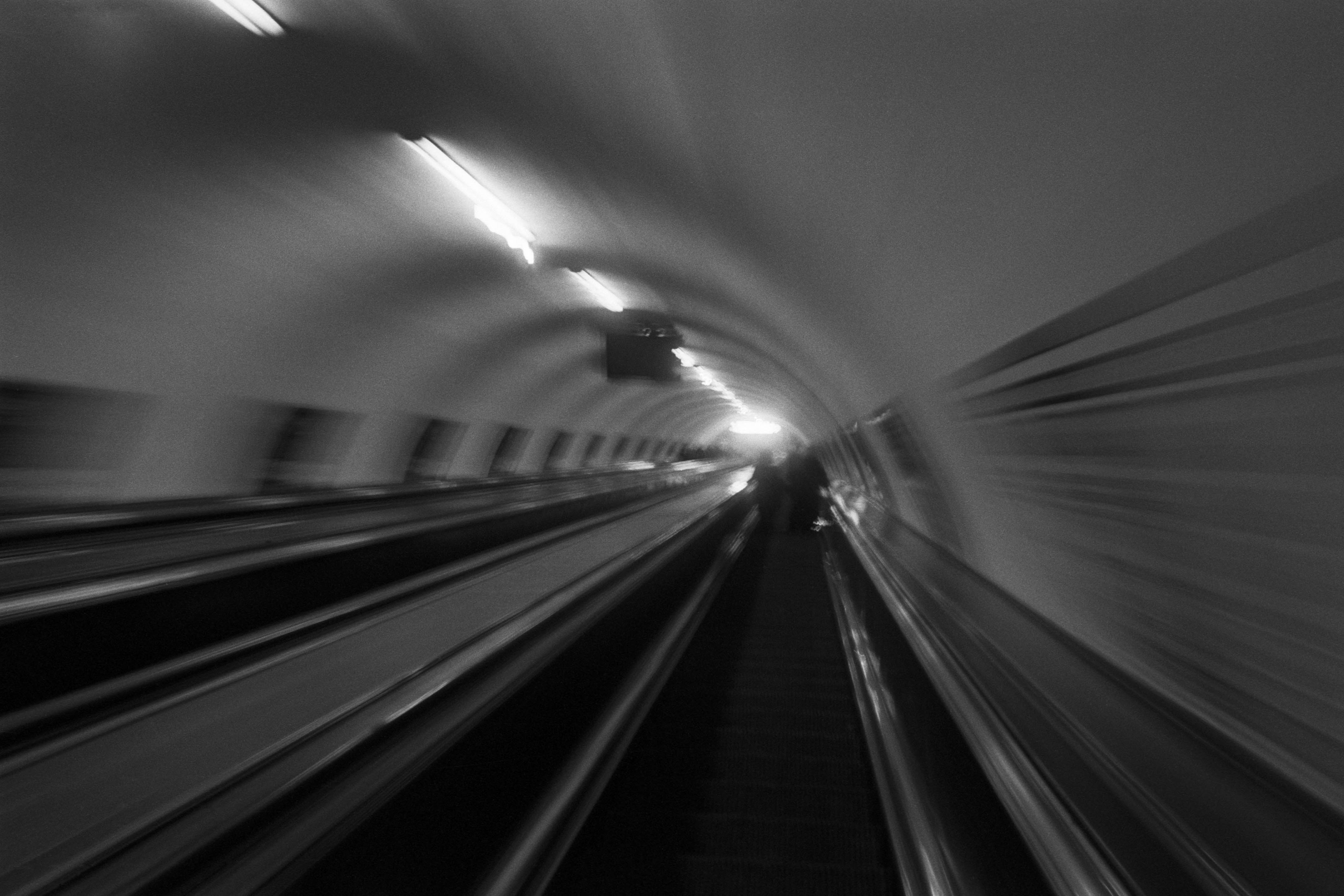
The Wall
2015Winner of the 1st prize & Golden Glass Award at the 11th Photographic Open Championship Olsztyn, and 1st place with the Special Prize of FORMAT magazine at the 3rd Biennial of Art in Piotrków Trybunalski.
View Series →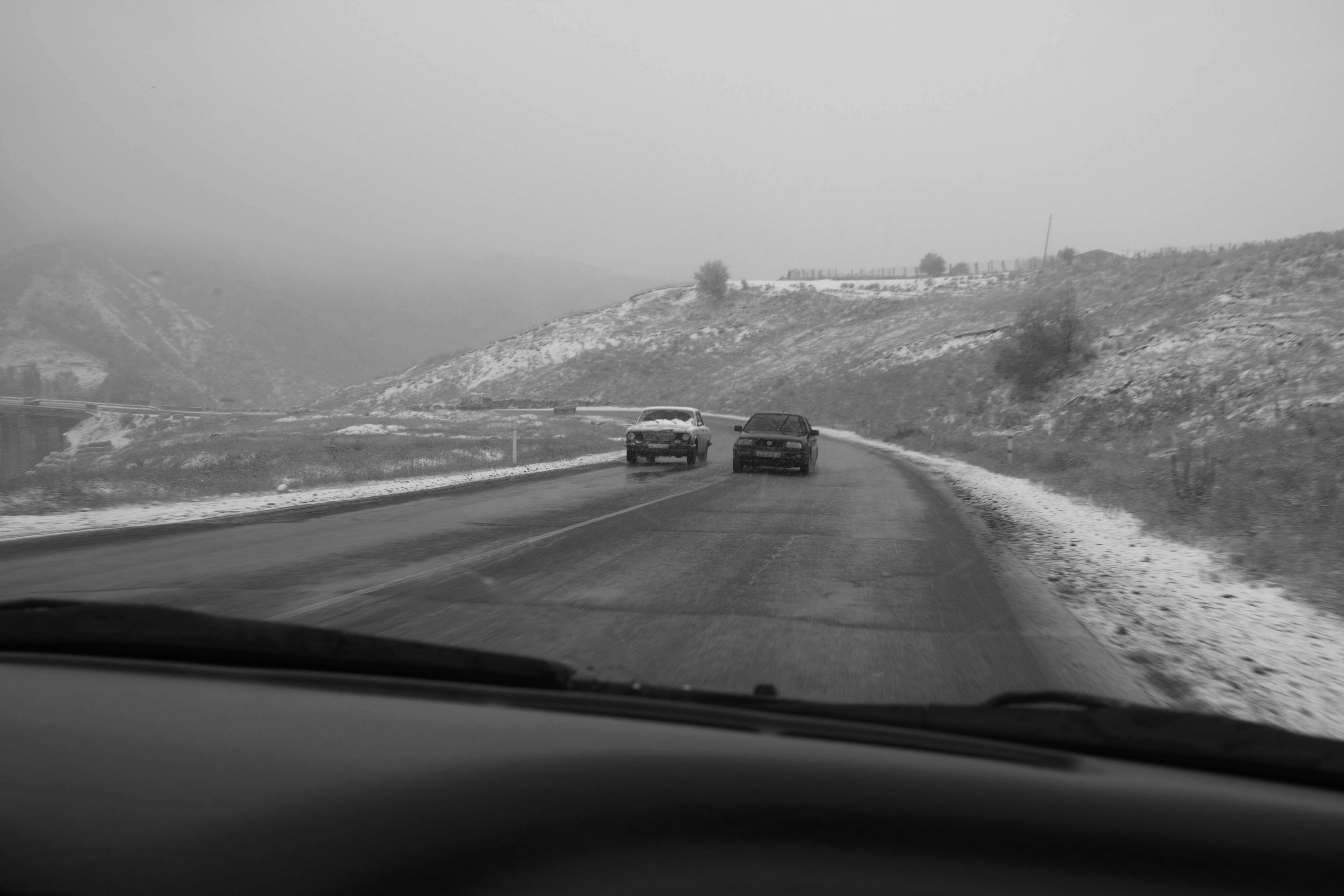
An Engagement Ring
2011A narrative series set in Wrocław in August 2011. Awarded 2nd prize & Silver Glass at the 10th Photographic Open Championship Olsztyn in 2014.
View Series →
Heat Wave
2014A documentary series recording spontaneous events across August and September 2014, capturing the raw energy of a city under the grip of summer.
View Series →