"Photography is not about the thing photographed. It is about how that thing looks photographed."
How to build a sustainable creative routine
Creative consistency rarely comes from squeezing more hours into the week. It comes from a rhythm that protects attention, recovers after demanding shoots, and leaves room for curiosity. A sustainable creative routine connects the practical demands of a photography business with the slower work of forming images, so neither side quietly exhausts the other.
The practice of Wrocław-based, award-winning photographer Rafal Michalak offers a useful model. His fine art and commercial work spans business portraits, fashion, events, and conceptual photographic series, while his approach combines medium-format and black-and-white film, darkroom principles, and digital workflows. Australian creatives can borrow that hybrid thinking without copying another photographer’s schedule or aesthetic.
Start with a sustainable pace
Begin by separating your work into essential tasks, growth activities and optional experiments. Client delivery, invoicing, file management and equipment care form the operational core of a photography business. Editing studies, experimental portraits and conceptual series create growth, while travel shoots, equipment tests and side projects may be optional. This distinction prevents every attractive idea from competing for the same limited attention.
Capacity changes from week to week. A period packed with corporate bookings may leave little energy for a personal series, while a quieter commercial calendar can support research and technical development. Your schedule should describe priorities for a realistic week rather than an imaginary one with unlimited space. Planning around your actual workload creates a baseline you can adjust without treating missed targets as failure.
Set a minimum viable week that remains productive during illness, family commitments or an unexpectedly busy period. This might include one protected editing block, one small creative session and one administrative session. Add buffer space around deadlines, because retouching and client revisions often need more time than the initial estimate. A flexible framework preserves momentum when circumstances change.
Build a weekly rhythm around real life
Consistency benefits from familiar anchors rather than a perfectly packed calendar. Creatives in Sydney, Melbourne, Brisbane and regional centres often build their days around commuting, café work sessions, exercise and family commitments. Treat those established habits as supports for creative work. A quiet coffee before work can become a planning ritual, while a walk without a camera can provide the visual reset needed for stronger decisions later.
A practical weekday sequence can stay deliberately small:
- Reserve one protected image-making block.
- Handle edits and admin in a short midday slot.
- Archive finished files before switching tasks.
- Keep a brief visual walk or contact-sheet review.
On weekends, use a shorter cycle for reviewing the week and preparing the next one:
- Process one roll or contact sheet.
- Update invoices and project notes.
- Test one deliberate technical idea.
- Choose the next week’s main outcome.
Keep these anchors visible, but move them when work or family life demands it. A Sunday session may suit someone with a demanding weekday schedule, while another photographer might use Saturday morning for shooting and Monday evening for administration. The value lies in recurring attention rather than a particular day on the calendar.
Make analogue work practical
Film adds texture, unpredictability and a slower decision-making process to a creative practice. It also introduces storage, processing and equipment demands that digital photography can obscure. Store film according to the manufacturer’s guidance in a cool, dark, dry place, and avoid leaving cameras or exposed rolls in a parked car during Australian summer. Keeping a notebook with film batches, exposure details and frame intentions makes later interpretation easier.
Climate affects both equipment and ideas. Sydney’s humidity can encourage haze and lens corrosion, while Melbourne’s changeable skies can alter exposure and contrast within a single session. In northern Australia, high heat makes extended portable-darkroom work especially demanding. His discussion of vintage lens technique shows how flare, contrast and field curvature can shape an image, while also demonstrating why older glass benefits from measured testing rather than assumptions.
Convert analogue practice into manageable systems. Change film at the start of a session, record the meter reading or test exposure, and label everything before moving on. Batch processing when the darkroom schedule permits, then scan, name and back up the files. A digital workflow can support the analogue process without replacing it, allowing film-based ideas to be reviewed quickly and selected with care.
Protect energy, income, and boundaries
The Australian photography market includes boutique fashion labels, hospitality businesses, professional associations, events, corporate clients and regional companies. Many assignments arrive as direct briefs rather than through a large agency, so the quote should clarify deliverables, usage, turnaround, travel expenses and reshoot conditions. Record the work in Australian dollars, collect deposits where appropriate, account for GST if registered, and specify what happens when a client changes the scope.
Clear agreements also protect the creative outcome. The Copyright Act 1968 and associated moral rights make written ownership and licence terms important for commissioned material. Model and property releases can clarify permitted commercial uses, while the Australian Privacy Principles may affect how personal information is handled when they apply to your work. Workplace health and safety duties vary by state and territory, and CASA requirements apply to drone operations. These matters belong in the business process rather than being left until after a shoot.
Financial sustainability depends on boundaries as much as visibility. Define when client communication occurs, include revision limits in quotations and reserve time for invoicing, insurance, equipment servicing and tax preparation. Recovery also needs a place in the calendar. Time away from photography may not generate an immediate image, yet it protects judgement, patience and the capacity to deliver thoughtful work over a demanding season.
Review the work and keep learning
Use a monthly review to examine both output and working conditions. Review contact sheets, finished photographs, invoices, unfinished projects and recurring delays. Ask which activities produced meaningful images, which ones merely filled time and where energy disappeared. A simple record of completed assignments, published work, personal experiments and hours spent on administration can reveal a sustainable balance more accurately than follower counts or social-media engagement.
Feedback should sharpen the work without taking control of it. Choose one trusted peer who understands your intentions and can distinguish technical issues from conceptual ones. For commercial projects, compare delivery against the brief; for personal series, consider whether the sequence communicates its central idea. Keep useful comments and disregard preferences that conflict with the original purpose. Repeated patterns in feedback become more useful when recorded and tested over several projects.
Build learning into the process with a modest monthly allocation for reading, workshops, technical exercises or archive research. Black-and-white film, portrait lighting and post-production each offer distinct forms of deliberate practice. Reviewing older work can reveal technical growth that daily scrolling conceals. Store final files, contact sheets and notes in a searchable archive so past experiments become part of the working library rather than forgotten fragments.
Adjust the routine as life changes
Australian seasons run in the opposite direction to those in much of Europe and North America. Summer brings heat, intense light, family travel and a busy events calendar, while winter offers shorter days and often quieter weekdays for administration and indoor studies. December can be commercially demanding, so preparation should begin before the festive period. A southern-hemisphere schedule benefits from flexible energy budgets and realistic expectations around holiday coverage.
Quiet trade periods are valuable rather than empty. Use them to complete invoices, archive previous projects, service equipment and develop a limited series with a clear endpoint. Experiments benefit from constraints such as one location, a single lighting setup or a fixed number of exposures. Small parameters make it easier to recognise what changed, while the brief prevents experimentation from expanding indefinitely.
Keep several stable anchors within the routine: a recurring creative block, a weekly review and a protected period of recovery. Everything else can move around them as assignments, seasons and personal circumstances shift. A routine that survives a busy month, a quiet winter and a sold-out calendar is doing its job. It creates dependable conditions for attention without turning the calendar into a machine. For a photographer such as Michalak, whose work moves between portraiture, fashion, events and conceptual series, that balance is the real foundation of a lasting practice.
Selected Series
A cross-section of commissioned and personal projects spanning fine art, commercial, and conceptual work.
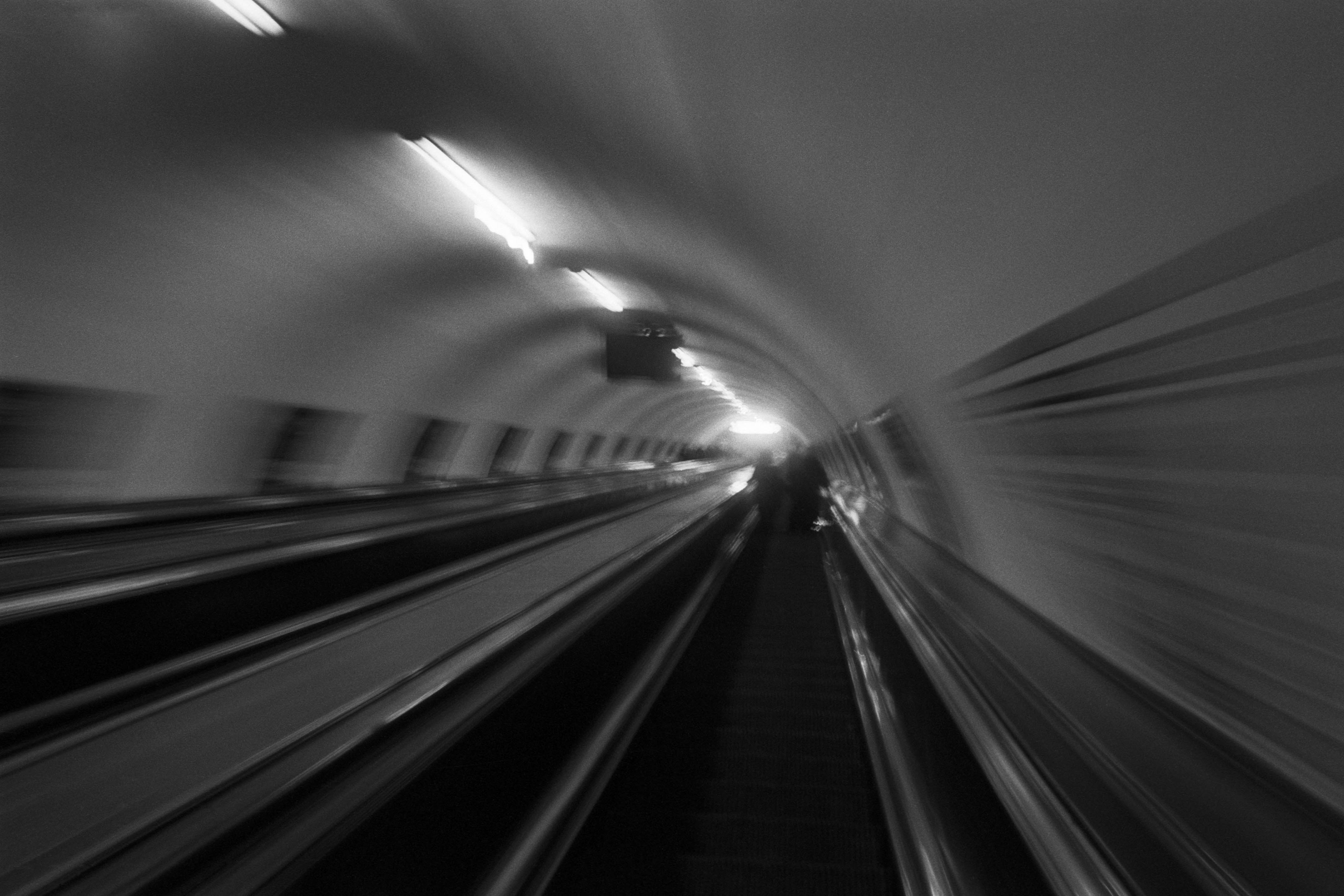
The Wall
2015Winner of the 1st prize & Golden Glass Award at the 11th Photographic Open Championship Olsztyn, and 1st place with the Special Prize of FORMAT magazine at the 3rd Biennial of Art in Piotrków Trybunalski.
View Series →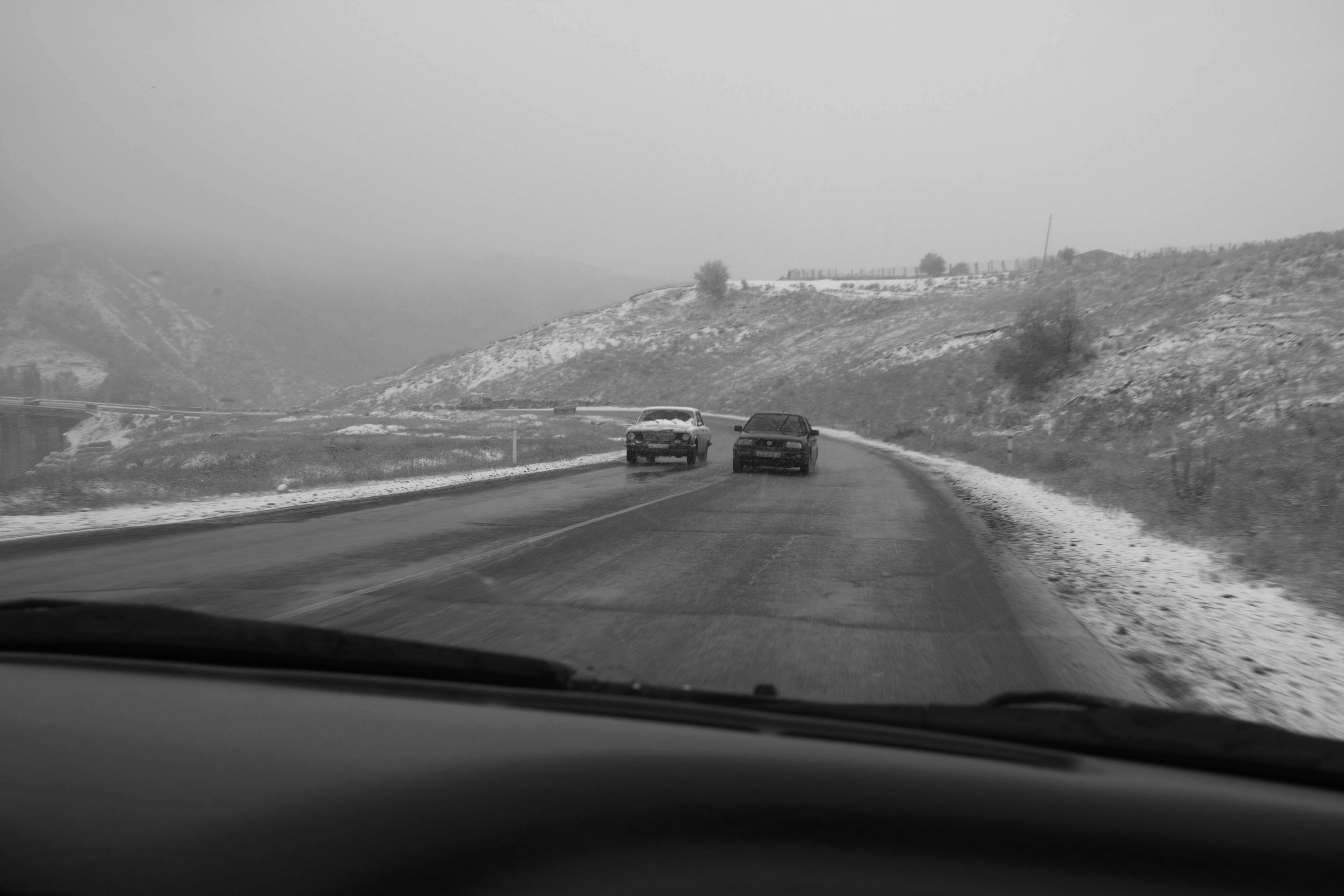
An Engagement Ring
2011A narrative series set in Wrocław in August 2011. Awarded 2nd prize & Silver Glass at the 10th Photographic Open Championship Olsztyn in 2014.
View Series →
Heat Wave
2014A documentary series recording spontaneous events across August and September 2014, capturing the raw energy of a city under the grip of summer.
View Series →