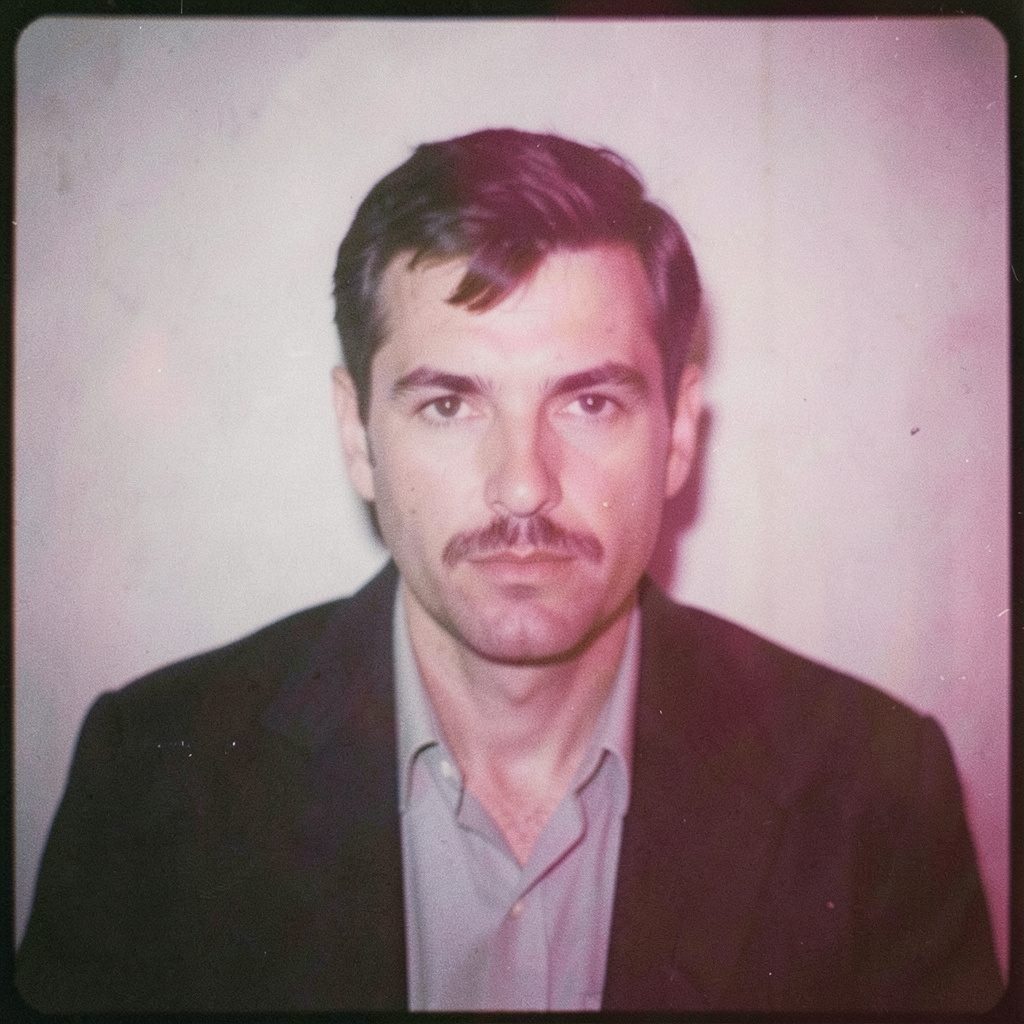
"Photography is not about the thing photographed. It is about how that thing looks photographed."
Photographing a cultural festival with purpose
A cultural festival compresses months of local culture into a few days of music, food, performance, craft and public gathering. The commissioned purpose may be an arts report, tourism campaign, sponsor portfolio, editorial feature or gallery sequence. Campaign frames need clarity and design-friendly space, reportage should retain atmosphere and contingency, and fine art photographs should interpret the event rather than merely catalogue it.
How to document a cultural festival as a photographer is therefore a question of editing in the field, not simply accumulating images. Establish the story first, then choose a format that supports it. Medium-format and black-and-white film can give portraits and quiet observations weight, while a digital workflow keeps a fast-moving public event manageable. The balance should remain invisible to the viewer: every frame should feel part of the same visual argument.
Plan coverage around the festival story
Begin with a narrative brief rather than a long equipment list. Identify the audience, required deliverables, image quantities, aspect ratios, deadlines and intended uses. A festival may need horizontal images for a website, vertical portraits for print, fast-edited social assets and a quieter series for exhibition. Establishing those requirements prevents strong pictures from being made in the wrong format or photographed without the permissions needed for later publication.
Before arrival:
- Confirm accreditation, insurance requirements, stage access and any embargoes.
- Map entrances, performance spaces, workshops, quiet rooms and media areas.
- Arrange portraits with artists, organisers, volunteers and local suppliers.
- Prepare for Australian sun, sudden rain, dust, long days and secure equipment storage.
On location, work in defined blocks rather than following every activity from beginning to end. A wide establishing frame can establish geography, followed by tighter images of hands, instruments, signs, food preparation and audience reactions. Leave enough time for a portrait without losing the atmosphere of a crowded public event.
During the festival:
- Alternate environmental views with close observations and decisive human gestures.
- Work in short, focused periods around rehearsals, transitions and peak audiences.
- Record names, roles and locations while the surrounding details remain fresh.
- Review the sequence at midday so weak coverage can still be corrected later.
Treat the coverage plan as a flexible framework. Weather, schedule changes and unexpected performances can redirect the story, and those moments may become more revealing than the official programme. Return to the brief each evening, mark essential frames and identify gaps while the festival is still in progress.
Build a respectful and consistent visual approach
Consent is part of ethical practice, not paperwork added after publication. Being in a public place does not automatically make every image suitable for advertising or endorsement photography. Secure releases for commercial portraits, explain how images will be used and give subjects a reasonable opportunity to decline. Captions should identify people accurately and avoid reducing artists, volunteers or neighbourhood residents to anonymous “colour” in the event.
Australian festivals may bring together people with many cultural, linguistic and religious backgrounds. Avoid visual shorthand that treats food, clothing or ceremonial material as decoration. Where Aboriginal or Torres Strait Islander artists or communities are involved, seek guidance from the artists, community representatives or cultural liaison about photography, naming, publication and distribution. Never assume that one protocol applies to every Nation or cultural group.
A coherent visual approach can come from recurring light, textures, gestures and movement rather than a single colour palette. Choose a small set of visual ideas before shooting, then test them across both staged activity and spontaneous moments. A defined project such as Ranch Ghost demonstrates how a tightly framed subject can gain depth through repetition. The same principle helps festival images feel related without inventing a false version of what happened.
Work with Australian light and changing movement
Australia’s seasons reverse many assumptions imported from European festivals. A January event falls in high summer, with long days and severe overhead light; a July event may offer lower sun, shorter evenings and rapidly changing weather. Scout shaded stages, reflective surfaces and open plazas. Early morning and late afternoon light often gives more control, while a polariser can manage glare on water, glass and painted surfaces without losing every trace of atmosphere.
Movement requires a separate set of choices. Dancing, processions, crowded corridors and hands preparing food each have their own pace. A shutter speed around 1/125 second may preserve gestures in moderate movement, while fast action may need 1/500 second or faster. Digital cameras make bursts practical, but film rewards anticipation and restraint. Medium format is excellent for composed portraits and still details, while 35mm offers the pace and compactness needed for active documentary work.
Local conditions shape what is possible in each city. Melbourne’s narrow laneways demand a flexible wide-angle lens and careful attention to obstructions. Open-air stages around Sydney can create brilliant backlight and hard contrast. Brisbane’s humidity and summer downpours make weather sealing and quick equipment changes essential. The intimate rooms associated with Adelaide Fringe reward quiet observation, as performers and audiences are often only metres away from the photographer.
Create a resilient field workflow
Give each type of image an appropriate production path. Digital files can support rapid news and social delivery, with carefully graded RAW files reserved for commercial use. A medium-format camera can create the controlled tonal depth sought in portraits or a fine art series. Black-and-white film may suit expressions, shape and gesture, provided exposure decisions are made for the scene rather than corrected later beyond recognition. When film is used, confirm negative processing and scanning turnaround before the festival ends.
Build redundancy into the physical and digital workflow. Carry two bodies, protect lenses from rain and dust, distribute files across at least two storage devices and keep memory cards in separate bags. Use a consistent file name that includes the date, subject or sequence and frame number. If working with film, record exposures and frame references so the later scan can be matched to the photographer’s notes.
Protection matters because festival conditions are rarely predictable. Coastal winds carry salt, inland dust reaches equipment, and a portable hard drive can fail in heat or moisture. Keep batteries away from direct sun, avoid leaving film in a parked vehicle and carry a compact rain cover rather than relying on a forecast made before leaving the hotel. Local assistants and fixers can also identify reliable laboratories, couriers and weather-safe meeting points, especially outside central festival venues.
Shape one edit for several audiences
A successful festival project often contains several parallel stories. The documentary edit may follow the event chronologically and include informal, crowded moments. The portrait edit can concentrate on individual practitioners, while a fine art sequence might isolate a repeated pattern in performance, decoration or gesture. Keep these selections connected through pacing and visual consistency, but do not force every frame to perform the same function.
The relationship between commissioned usefulness and an authored point of view is central to the commercial and fine art perspective, and festival assignments often expose that tension clearly. A sponsor may require uncluttered images with space for copy, while an exhibition may reward ambiguity and formal complexity. Decide which photographs communicate the assignment and which photographs deepen the wider project.
Australian clients include state tourism bodies, city councils, arts organisations, hospitality groups, fashion labels, event sponsors and consumer brands. Separate image licensing from ownership, and quote exact terms for territory, duration, media, exclusivity, print runs and renewal. Obtain model and property releases where required, and ensure contracts distinguish editorial use from commercial endorsement. Fine art prints also need their own colour, paper and edition specifications so the exhibition version is not treated as an incidental export from the campaign files.
Deliver, archive, and measure the work
A clear delivery package saves time during approval and publication. Supply web-optimised JPEGs, press-ready files, a contact sheet, captions, credits and a release record. Name files according to the agreed convention, but also provide human-readable filenames in the archive. Give the commissioning editor a concise sequence note explaining the proposed order without turning the handover into a written defence of every choice.
Preserve the source material as carefully as the final pictures. Archive RAW files, layered exports, camera notes, contact sheets and release documents in more than one location. Keep exposed film cool, dry and away from heat, and retain professionally scanned negatives when possible. For conceptual or fine art series, document print editions and colour profiles so a future exhibition can reproduce the intended result rather than approximate it.
Measure the project through use as well as reach. Record licensing income, editorial placements, campaign impressions, gallery enquiries and reprint requests, then request specific editorial feedback where appropriate. Note which formats required the most production time and where permissions created avoidable delays. The strongest festival archive preserves both the pulse of the gathering and the precise decisions that transformed separate observations into a coherent body of photographs.
Selected Series
A cross-section of commissioned and personal projects spanning fine art, commercial, and conceptual work.
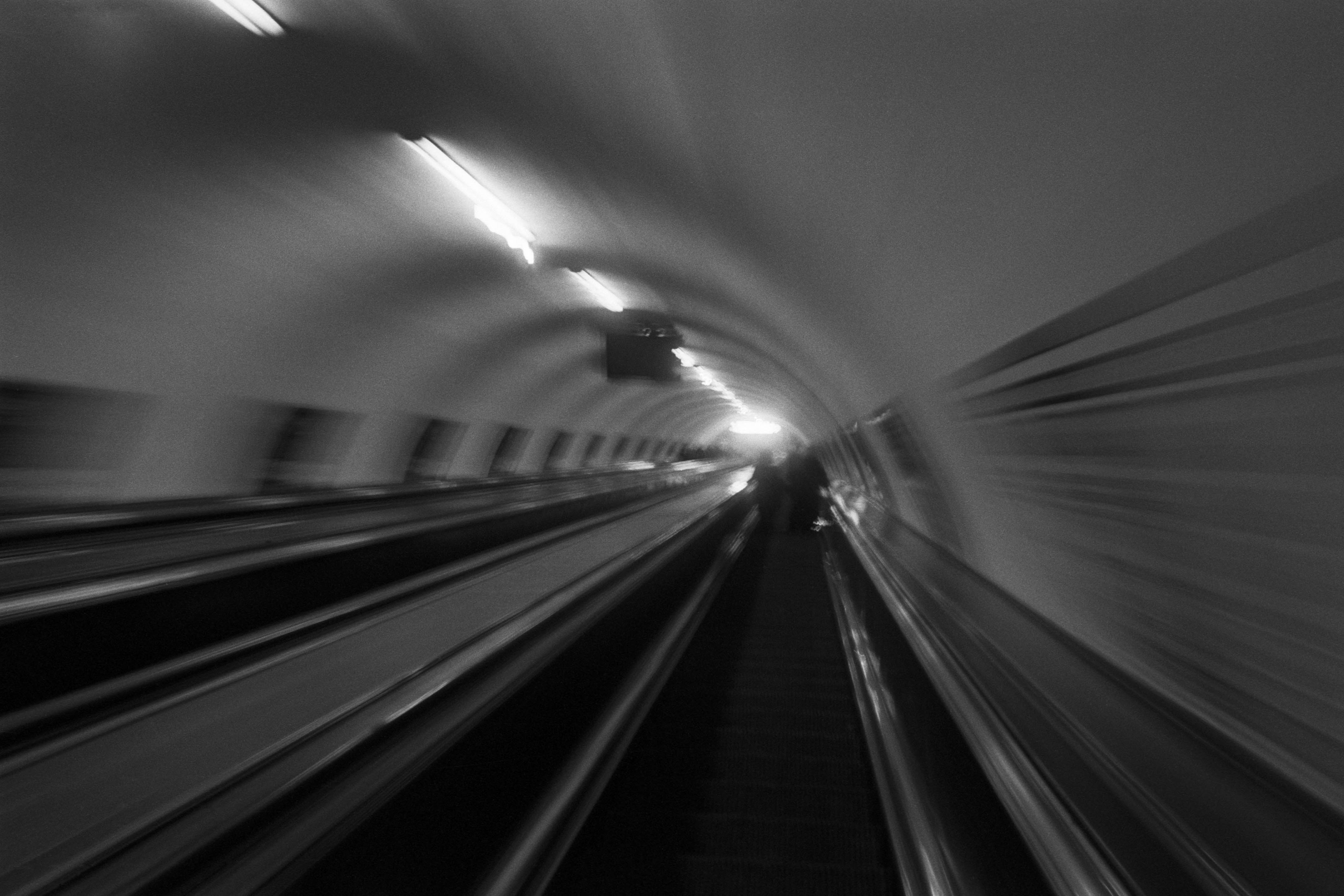
The Wall
2015Winner of the 1st prize & Golden Glass Award at the 11th Photographic Open Championship Olsztyn, and 1st place with the Special Prize of FORMAT magazine at the 3rd Biennial of Art in Piotrków Trybunalski.
View Series →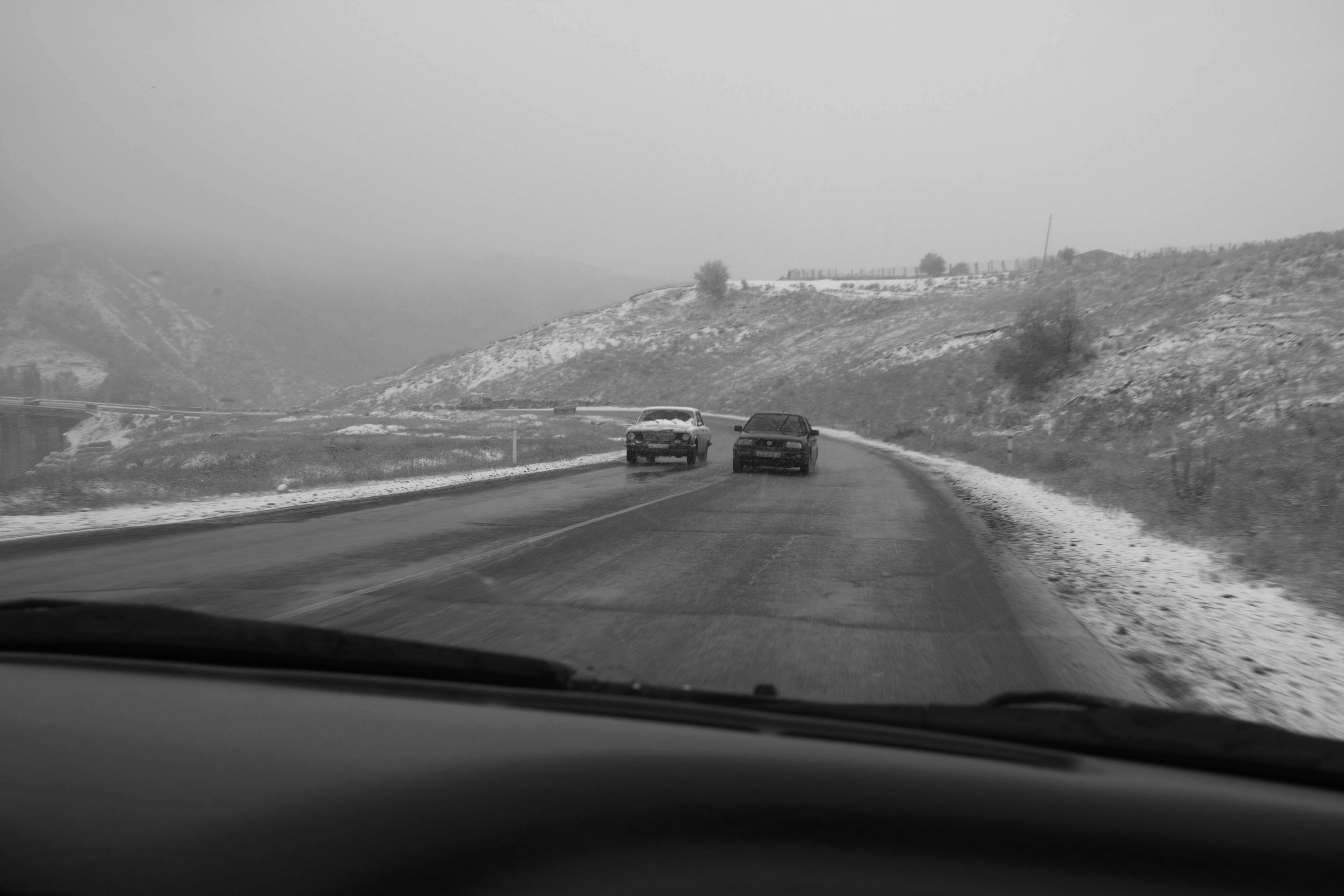
An Engagement Ring
2011A narrative series set in Wrocław in August 2011. Awarded 2nd prize & Silver Glass at the 10th Photographic Open Championship Olsztyn in 2014.
View Series →
Heat Wave
2014A documentary series recording spontaneous events across August and September 2014, capturing the raw energy of a city under the grip of summer.
View Series →