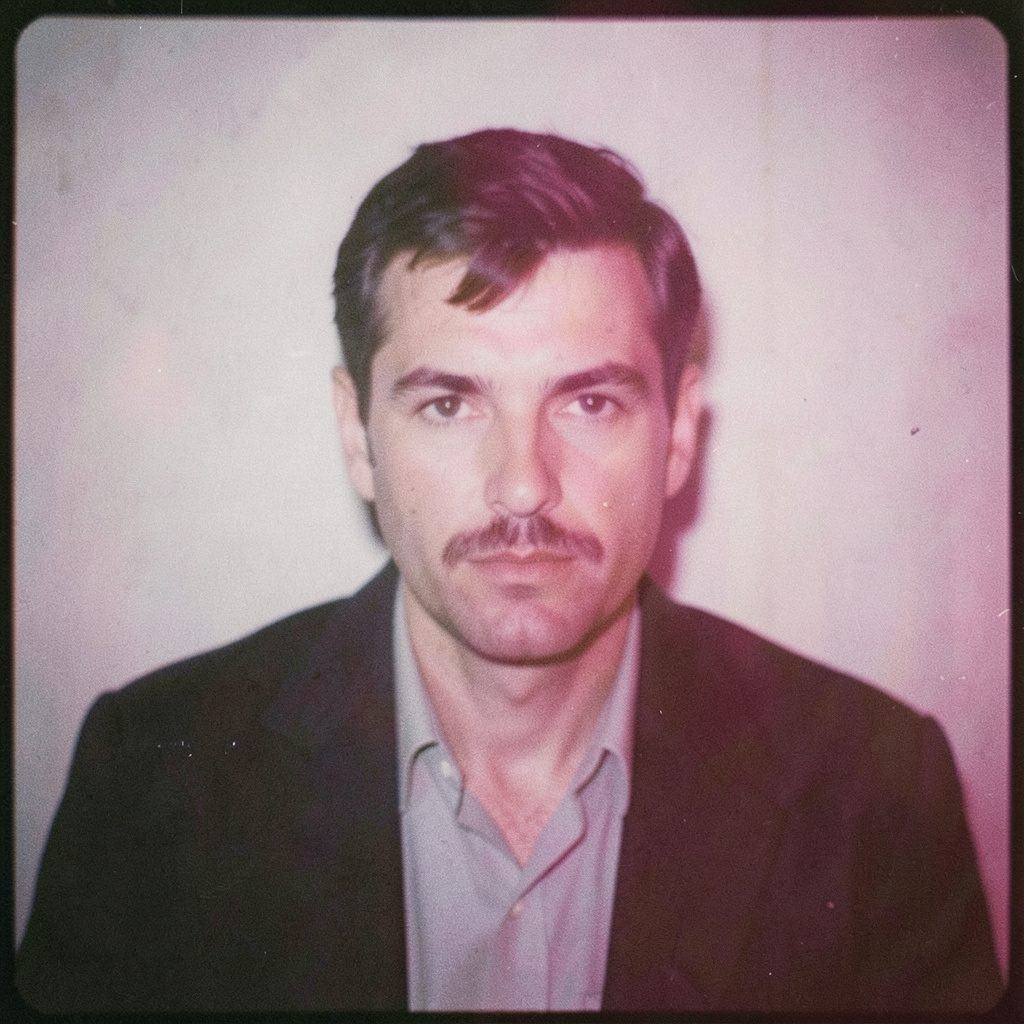
"Photography is not about the thing photographed. It is about how that thing looks photographed."
Finding your photographic voice in a crowded visual world
Every photographer starts with the same basic tools: a camera, a lens, a moment in front of them. What separates a body of work that stays with a viewer from one that fades an hour after the scroll is something harder to name. A visual voice is the fingerprint left across every frame: the way light is bent, the rhythm of a composition, the recurring obsession that threads a portfolio together. It is not invented in a single afternoon. It grows from years of looking, failing, returning, and refusing to photograph the world in the same flat way that everyone else seems to.
The photographers who develop a lasting voice tend to be the ones who stop chasing the next trend and start listening to what genuinely pulls at their attention. A single image rarely tells you anything about a photographer; a hundred images taken over a decade do. That is the long project worth committing to, and the one that ultimately defines whether a working photographer in Sydney, Melbourne, or anywhere smaller becomes a memorable artist or a technically capable one.
Why a voice matters more than gear
The Australian market has never been short on technically proficient photographers. The country hosts world-class commercial studios in Sydney's Surry Hills, a fast-growing fashion scene in Melbourne, and a steady stream of wedding and portrait photographers along the eastern seaboard. What separates the photographers who build sustainable practices from those who struggle to retain clients is rarely the camera body they own. A client remembers how a final image made them feel. A gallery visitor remembers the mood that lingered after leaving the room. Those memories are built from a voice, not from a model number.
A recognisable way of seeing also buys a photographer something practical: protection from the race of imitation. When your work has a fingerprint, other photographers can borrow your subject matter, your location, even your colour grading, and the result still reads as theirs. The voice is the part that cannot be copied. For anyone building a long career in a competitive local market, that is the part worth investing in early.
Study the photographers who came before you
One of the quieter mistakes emerging photographers make is to skip the archive. Spending time with the work of Saul Leiter, the Polish poster masters of the post-war era, and the long lineage of Australian image-makers from David Moore to Trent Parke teaches you something no tutorial ever can. You begin to notice how each of them returned again and again to certain obsessions. Moore's Sydney Harbour workers, Parke's outback light, Leiter's reflections in shop windows. Their voices emerged not from inventing a new subject, but from pressing harder on the same one for years.
Visit the State Library of New South Wales, the National Portrait Gallery in Canberra, or smaller regional galleries during travelling exhibitions. The point is not to leave inspired for a week. The point is to leave with a list of names you want to study more closely, and a clearer sense of the kind of work you yourself want to leave behind. Sitting with one photographer's monograph for an entire afternoon lets the pattern reveal itself. Trends shout at you. Voices whisper, and you have to be patient enough to hear them.
The slow lessons of analogue practice
There is a particular kind of attention that comes from loading a roll of film and accepting that you have thirty-six frames, no instant review, and a day of waiting before the result appears. Many working photographers across Australia, both in established commercial practices in Brisbane and in younger collectives around Byron Bay, are rediscovering medium format and black-and-white film for exactly this reason. The constraints are not a punishment. They are a kind of muscle training for the eye, and they shape the way a photographer learns to anticipate a moment rather than chase it.
The same principle applies when photographers take the time to hand-prepare their own materials. Those who learn to develop their own negatives, mix darkroom chemistry by hand, or simply commit to a single prime lens for a year are making choices that limit flexibility and expand character. They are choosing to slow down enough that the personality of their technique can come through, the way a writer's hand shows up in their prose. The constraint becomes the signature.
For a deeper look at why this kind of choice still matters, the preserving analog skills in a digital world essay explores the same territory from another angle, and offers a working framework for keeping those habits alive inside a contemporary practice.
Shoot the subjects that refuse to let you go
Pay attention to the things you keep photographing even when you are not on assignment. Most photographers have a private folder of images they shot for no reason other than that the subject called to them. That folder is a map of your voice, drawn in the only language you cannot fake. A wedding photographer who keeps returning to her grandmother's kitchen, a commercial shooter in Perth who photographs miners' hands on his weekends, a fashion assistant in Melbourne who cannot stop shooting the laneways at dawn. These obsessions, returned to over a decade, are how voices are born.
Print a contact sheet of your personal work from the last five years and pin it to a wall. Stand back. Look at the shapes, the colours, the recurring gestures, the types of light. The patterns that emerge are not accidents. They are the bones of a body of work waiting to be assembled. The Australian landscape offers particular gifts here: the long winter light over the Daintree, the bleached high-summer noon over the red centre, the soft coastal haze along the Great Ocean Road. Photographers who keep choosing these conditions are telling themselves something important about who they are.
Build a personal palette and tonal range
Every memorable body of work has a colour and tonal fingerprint. Some photographers lean into deep, muddy browns and high contrast. Others pull toward washed-out pastels and lifted shadows. Some commit to a near-monochrome life with the occasional surprise of saturated red. This palette is partly a response to your subjects, but it is also a creative decision you make again and again, frame after frame.
Decide on a colour world for your work and protect it. That does not mean every image must look identical. It means that across a portfolio, the eye should feel a continuity, the way a reader recognises a writer's prose after a single paragraph. The Australian light already gives you a strong starting point. The harsh overhead sun can be tamed into chiaroscuro, the soft winter overcast can be pushed into milky desolation. Whatever you choose, choose it on purpose, and apply it consistently enough that visitors to your portfolio start to feel they know you before they have read a word about you.
The same kind of intentionality shows up in adjacent visual fields. A lettering artist who reads about how to mix your own gouache for lettering is making a similar commitment to a personal palette, one that shows up in every mark they put on a page. Photographers who treat their colour work with the same seriousness find that their portfolio acquires a recognisable warmth, depth, or restraint that no single image could carry on its own.
Edit like a sculptor, not a hoarder
A photographic voice is shaped as much in the editing chair as it is behind the lens. The decision to cull a beautiful but redundant frame is the same kind of decision a writer makes when cutting a clever line that slows the paragraph. The voice lives in what is left out, not just in what is included. Many photographers quietly resent the editing process because it forces them to confront the gap between the images they wanted to take and the ones they actually captured. That gap, faced honestly, is where growth begins.
Give yourself permission to throw away work you would have kept two years ago. Sit with a single frame for a long time, and ask whether it serves the portfolio you are building. If the answer is no, the frame must go, no matter how proud you were of it on the day. A cohesive body of work is built from ruthless choices, and those choices are what shape a voice into something an audience can recognise. A portfolio of twenty-five perfect frames will always travel further than a portfolio of two hundred almost-right ones.
Let the work travel beyond your studio
A voice that exists only inside your own laptop is not yet a voice. It is a sketch. The final and hardest stage is to send the work out into the world and let strangers receive it. Submit to small Australian competitions like the Head On Photo Festival in Sydney, the Bowness Photography Prize in Melbourne, or the Perth Centre for Photography's annual open call. Pitch an editorial series to a publication you actually read. Offer a print to a charity auction. Each of these small acts puts your voice in front of audiences you cannot reach on your own.
A consistent body of work, sent out patiently over years, has a way of returning to you. Curators begin to associate your name with a particular kind of image. Clients approach you because they want that image, not just a competent one. Collaborators reach out because the work resonates with their own obsessions. None of this happens quickly, and none of it happens without a voice that is recognisably yours. The technical craft is what gets you through the door. The voice is what makes anyone ask you to come back.
Selected Series
A cross-section of commissioned and personal projects spanning fine art, commercial, and conceptual work.
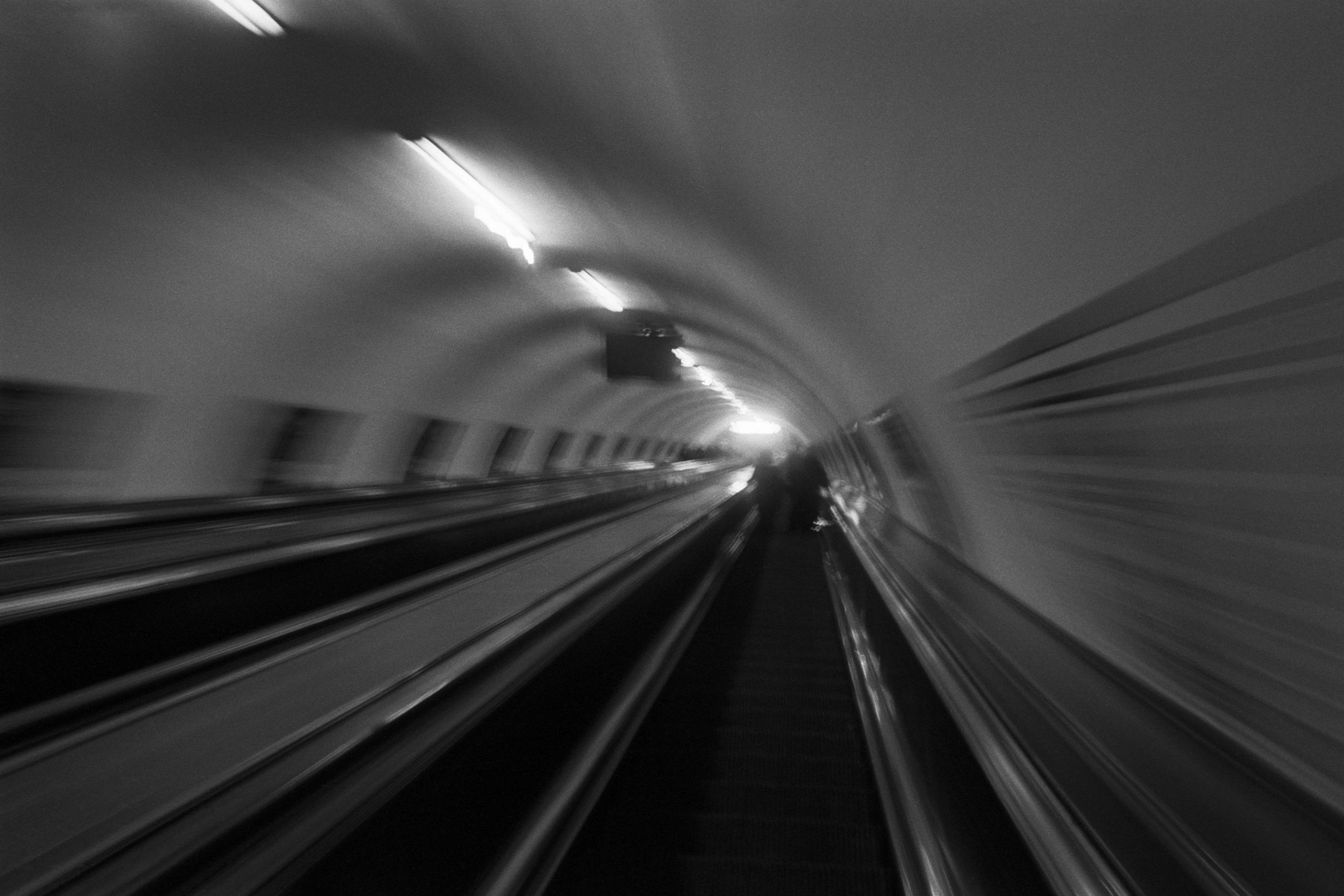
The Wall
2015Winner of the 1st prize & Golden Glass Award at the 11th Photographic Open Championship Olsztyn, and 1st place with the Special Prize of FORMAT magazine at the 3rd Biennial of Art in Piotrków Trybunalski.
View Series →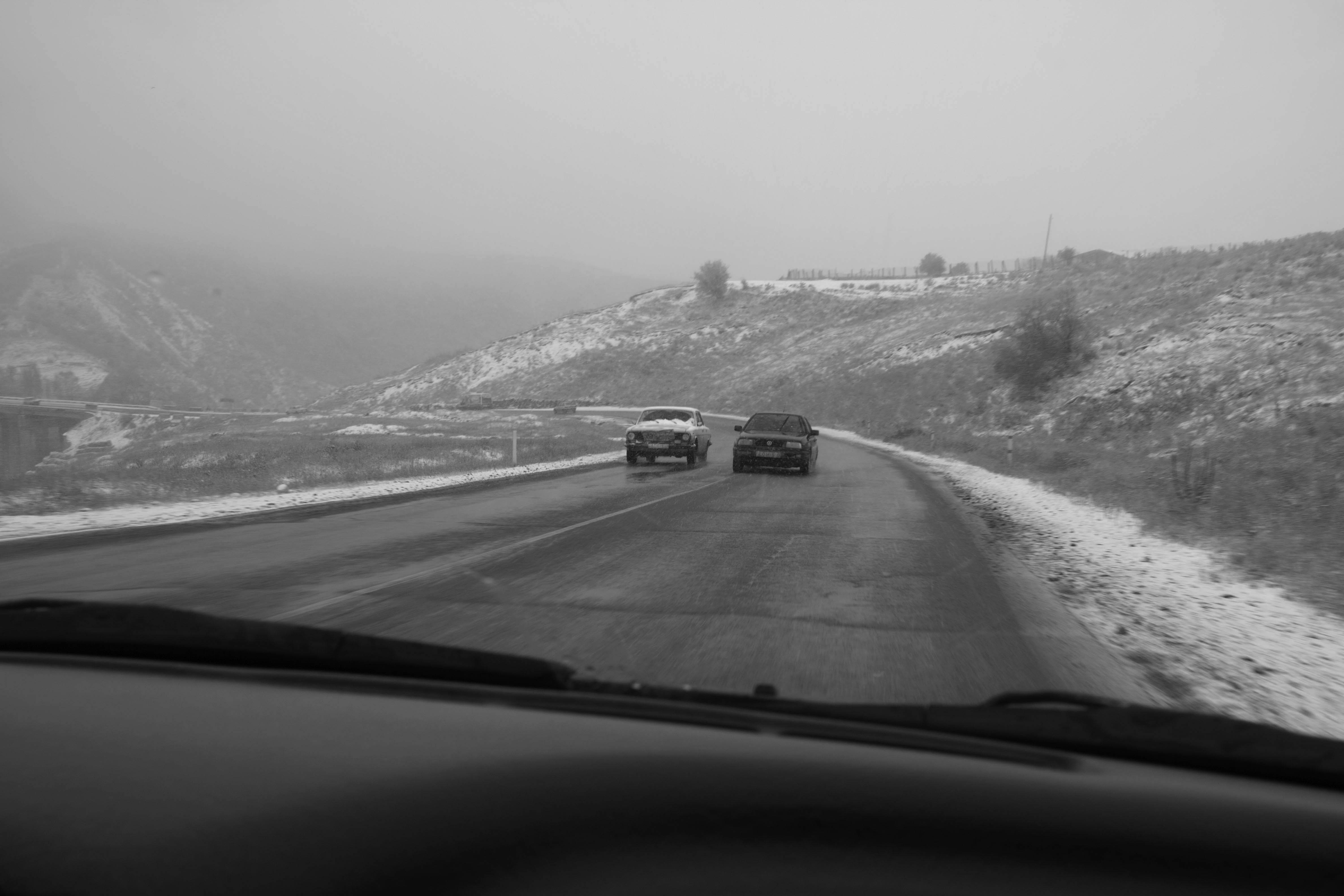
An Engagement Ring
2011A narrative series set in Wrocław in August 2011. Awarded 2nd prize & Silver Glass at the 10th Photographic Open Championship Olsztyn in 2014.
View Series →
Heat Wave
2014A documentary series recording spontaneous events across August and September 2014, capturing the raw energy of a city under the grip of summer.
View Series →