"Photography is not about the thing photographed. It is about how that thing looks photographed."
Scouting and Preparing a Location for a Fashion Shoot
A fashion photograph is shaped as much by where it is made as by what stands in front of the camera. The walls, the light, the texture of a floor, the way a doorway frames a silhouette — each element carries the narrative before a model ever appears. Location scouting, when treated as a creative discipline rather than a logistical chore, becomes the moment a project acquires its second voice, one that speaks quietly through architecture and atmosphere.
For photographers working between Europe and the southern hemisphere, this stage also becomes a study in contrast. A short-haul flight from Warsaw to Sydney, Melbourne, or Brisbane exposes a different palette of light, a different rhythm of seasons, and a different set of legal and cultural considerations. Preparing a location for a fashion shoot is, in that sense, both a universal craft and a deeply local one.
Defining the brief before the boots hit the ground
Every successful scout begins with a written document that translates the mood of the season into physical terms. The brief should describe the light quality, the desired colour temperature, the architectural era, the level of urban activity, and the presence or absence of greenery. A coastal scene will demand a completely different framing logic than a brutalist carpark, and the differences need to be articulated before a single search begins.
Photographers who treat the brief as a living document find that the scouting day itself becomes faster and more focused. Rather than wandering through candidate neighbourhoods, the team moves from one pre-filtered option to the next, testing each against a fixed set of criteria. The discipline saves time and helps the creative director resist the gravitational pull of the merely interesting.
Core elements to settle before the first scout:
- The single visual idea the location must support in one sentence
- Hard constraints such as wheelchair access, distance from base, and power availability
- The number of looks that will be photographed, and how the light needs to behave for each
Research, references and digital reconnaissance
Before any travel is booked, the modern scout conducts a long evening of digital reconnaissance. Street-view tools, recent social media posts tagged with the suburb's name, the archives of local architecture blogs, and aerial imagery from mapping services all help to build a working dossier. The aim is to arrive on site with a clear hypothesis about what the location can offer and what it cannot.
For shoots planned in Australia, this stage is particularly valuable because of the country's sprawling geography. A single suburb in Sydney may offer Victorian terraces, harbourside walkways, and rainforest pockets within a two-kilometre radius, while a drive of an hour out of Perth reveals limestone cliffs and ochre earth that belong to a different visual world altogether. Mapping the options in advance prevents the scout from spending a precious day behind the wheel.
Some of the most striking contemporary shoots also reach beyond obvious streets and studios. A growing number of Australian editors are turning to spaces that sit above the city itself, and the green roof architecture movement has quietly expanded what counts as a viable backdrop, offering soft, even light and unexpected texture. The scout who knows about these spaces has a clear advantage when the brief calls for something original.
Permits, council liaison and private-property access
A fashion shoot that occupies public space without permission is, in most Australian jurisdictions, vulnerable to interruption. Councils in Sydney, Melbourne, and the Gold Coast require commercial filming permits for any production that includes equipment on tripods, models posing in the street, or vehicles used as part of the set. Fees vary widely, and processing times range from a few days to several weeks, so the application needs to be lodged early in pre-production.
When the location is private, the negotiation is different but no less important. Heritage-listed buildings, working offices, residential apartment lobbies, and even some cafés will host a shoot only if the team arrives with public liability insurance, a clean-up plan, and a clear window of time. Building managers in central business districts often prefer written agreements to phone calls, and a single signed letter can save hours of awkwardness on the day.
It is also worth remembering that Australian councils can be stricter than their European counterparts about pedestrian flow, safety signage, and the restoration of any area used. A short site meeting with the relevant officer, scheduled a week before the shoot, tends to smooth the approval and clarify what is and is not allowed.
Timing the visit to the actual light
A scout who sees a location at noon has not yet seen the location. The light on a façade in Melbourne's laneways at 7 a.m. is not the same light that falls on it at 4 p.m., and a Bondi clifftop that looks promising at midday can become a flat, colourless surface once the sun climbs higher. Returning to a candidate site at two or three different times of day is the single most reliable way to confirm whether it will work.
The Australian sun adds a particular urgency to this exercise. UV levels in summer can bleach colour film, force faster digital sensor work, and create contrast extremes that few European-trained photographers are accustomed to. The first scout, ideally timed in the same season as the shoot, gives the team a realistic preview of those conditions and a chance to plan reflectors, scrims, and shade.
Technical preparation and gear selection
Once a location is confirmed, the equipment list begins to take shape. The decision between medium-format film, 35 mm analogue, and full-frame digital will change the size of the bag, the number of assistants, and the approach to metering. A concrete car park in Adelaide, with its deep shadows and high contrast, asks for a different tool than a softly lit sandstone veranda in the Blue Mountains.
It is also worth thinking about surfaces, foot traffic, and the realities of the site itself. Sand at Bondi will find its way into every mechanical joint, salty air at Coogee will mark untreated metal, and heritage stonework in The Rocks can be slippery after a single shower. Packing a small cleaning kit, gaffer tape, a roll of floor protection, and a backup set of batteries is a quiet habit that separates a smooth shoot from a stop-start one.
Coordinating the team, wardrobe and talent on the day
The scout's role does not end when the location is booked. On the day, the photographer becomes the translator between the creative vision and the practical reality of the site. Briefings for the stylist, hair and makeup artists, and models should include arrival times, parking instructions, and a clear description of the route from the assembly point to the first set. Communication is often handled through group chats, but a printed call sheet remains a useful fallback in areas with patchy reception.
Working in busy public spaces also requires a degree of discretion. The piece on event photography at event-photography-capturing-moments-without-intrusion explores similar principles of unobtrusive presence, and the same mindset applies to a fashion team sharing a footpath with commuters. A polite, low-profile crew will be left alone; a sprawling one will be asked to move on.
A short pre-light check, ideally forty-five minutes before the talent arrives, gives the photographer time to meter the scene, test any reflectors, and confirm the position of the first frame. The discipline of beginning the day ahead of schedule is one that the rest of the team quietly appreciates.
Contingency, weather and a graceful Plan B
The final layer of preparation is the acknowledgement that not everything will go as planned. Australian weather can shift quickly — a clear morning in Sydney can turn to a coastal downpour by lunch, and a Melbourne shoot scheduled in late autumn should expect four seasons in a single afternoon. Building a flexible schedule with one or two buffer hours, identifying an indoor backup nearby, and agreeing in advance what constitutes a no-go condition will spare the team from on-the-day improvisation.
Useful pre-shoot checks to keep close at hand:
- Live radar and tide tables for the exact shoot window
- A list of covered locations within a ten-minute drive
- Contact details for a local fixer or location manager
- A small rain cover for cameras that may be used outdoors
A scout who returns to a confirmed site once more, twenty-four hours before the shoot, will often catch a problem the original visit missed — a scaffold that has gone up, a market that has moved, a gate that is now locked. That second walkthrough is the cheapest insurance available, and it tends to make the actual day feel unhurried, even when the conditions are not.
When a fashion shoot is supported by careful scouting, the location stops being a backdrop and becomes a collaborator. The wardrobe settles into the architecture, the light falls where it should, and the photographer is free to focus on the human moment in front of the lens. The work that follows the scout is, more often than not, the work the camera will remember.
Selected Series
A cross-section of commissioned and personal projects spanning fine art, commercial, and conceptual work.
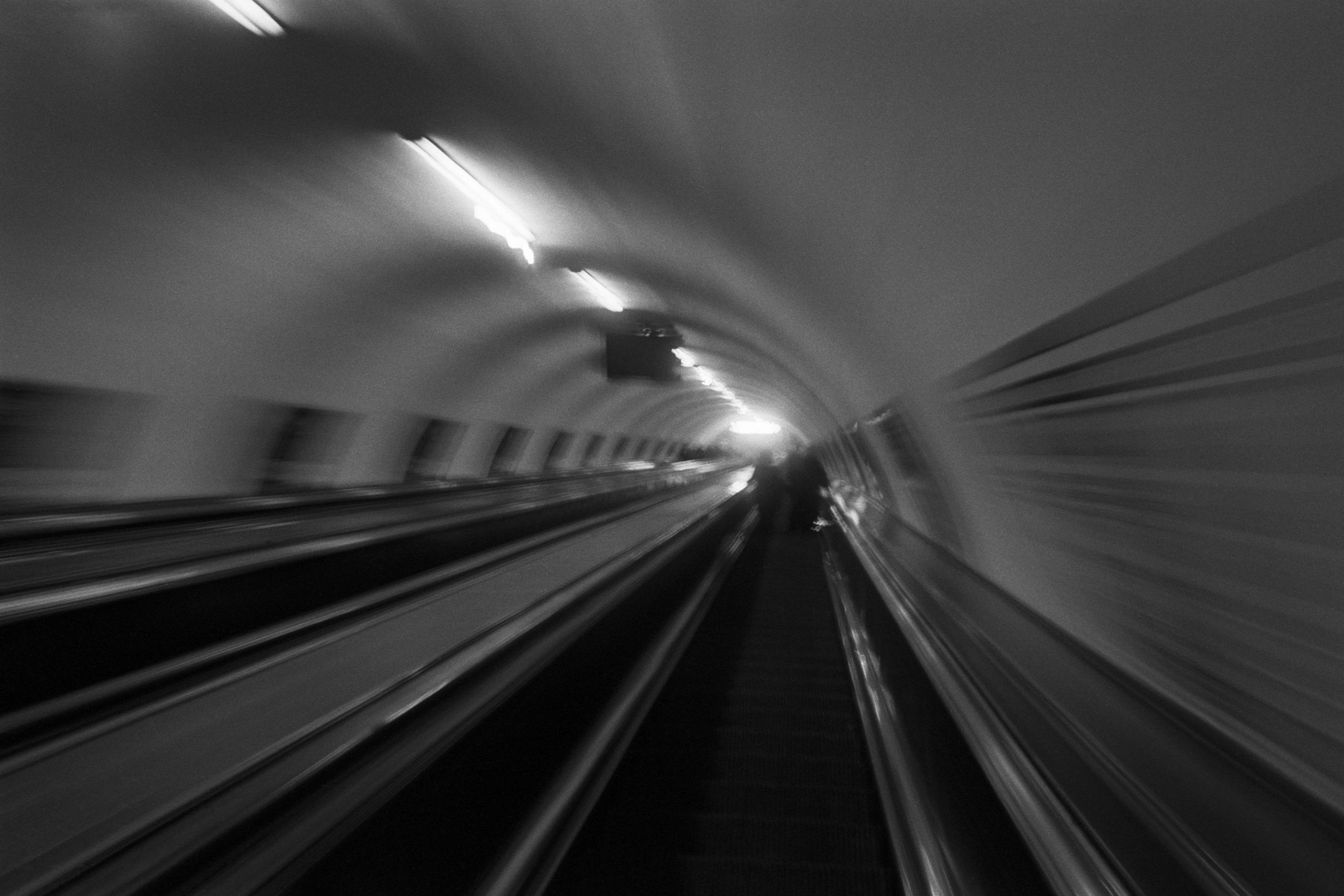
The Wall
2015Winner of the 1st prize & Golden Glass Award at the 11th Photographic Open Championship Olsztyn, and 1st place with the Special Prize of FORMAT magazine at the 3rd Biennial of Art in Piotrków Trybunalski.
View Series →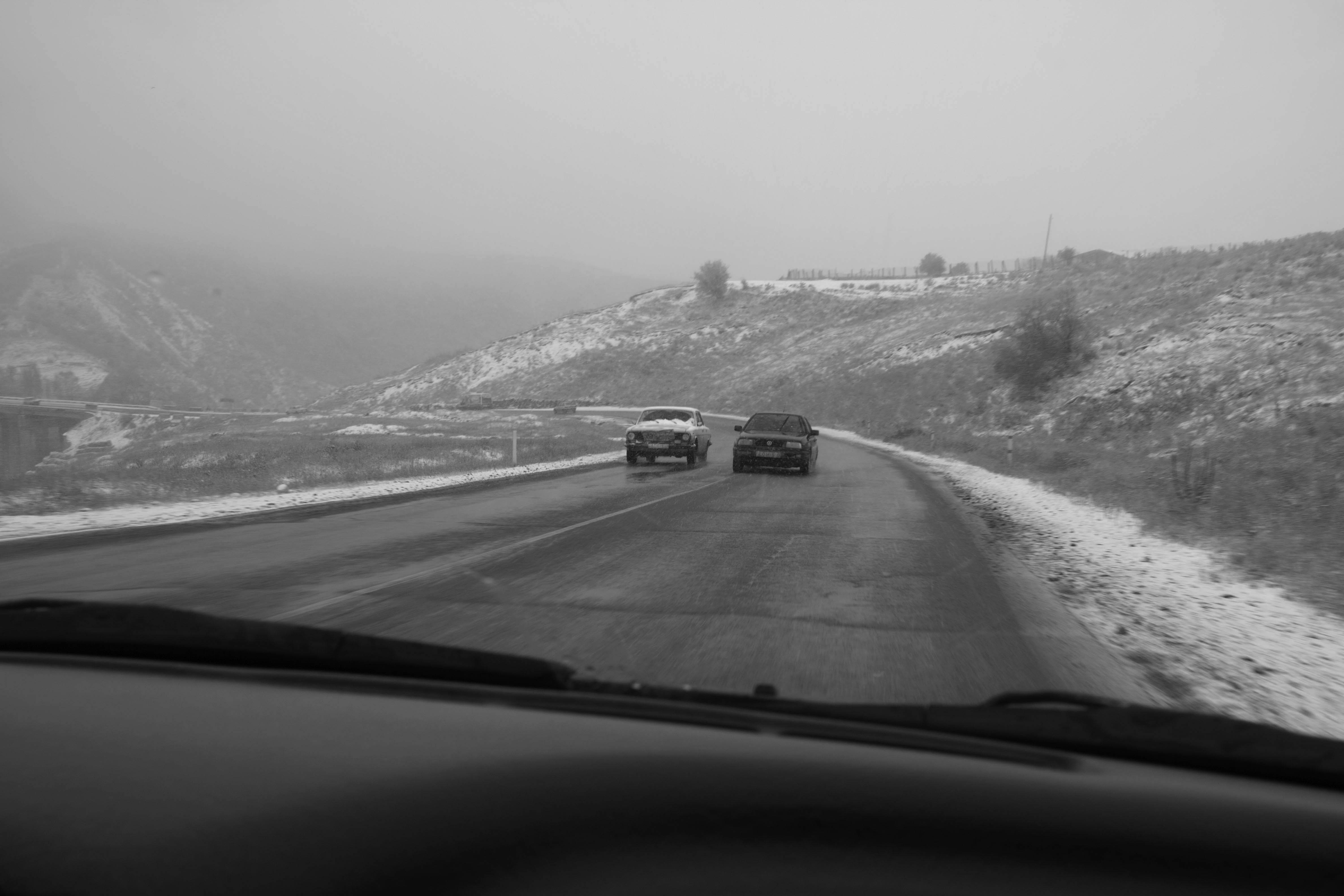
An Engagement Ring
2011A narrative series set in Wrocław in August 2011. Awarded 2nd prize & Silver Glass at the 10th Photographic Open Championship Olsztyn in 2014.
View Series →
Heat Wave
2014A documentary series recording spontaneous events across August and September 2014, capturing the raw energy of a city under the grip of summer.
View Series →