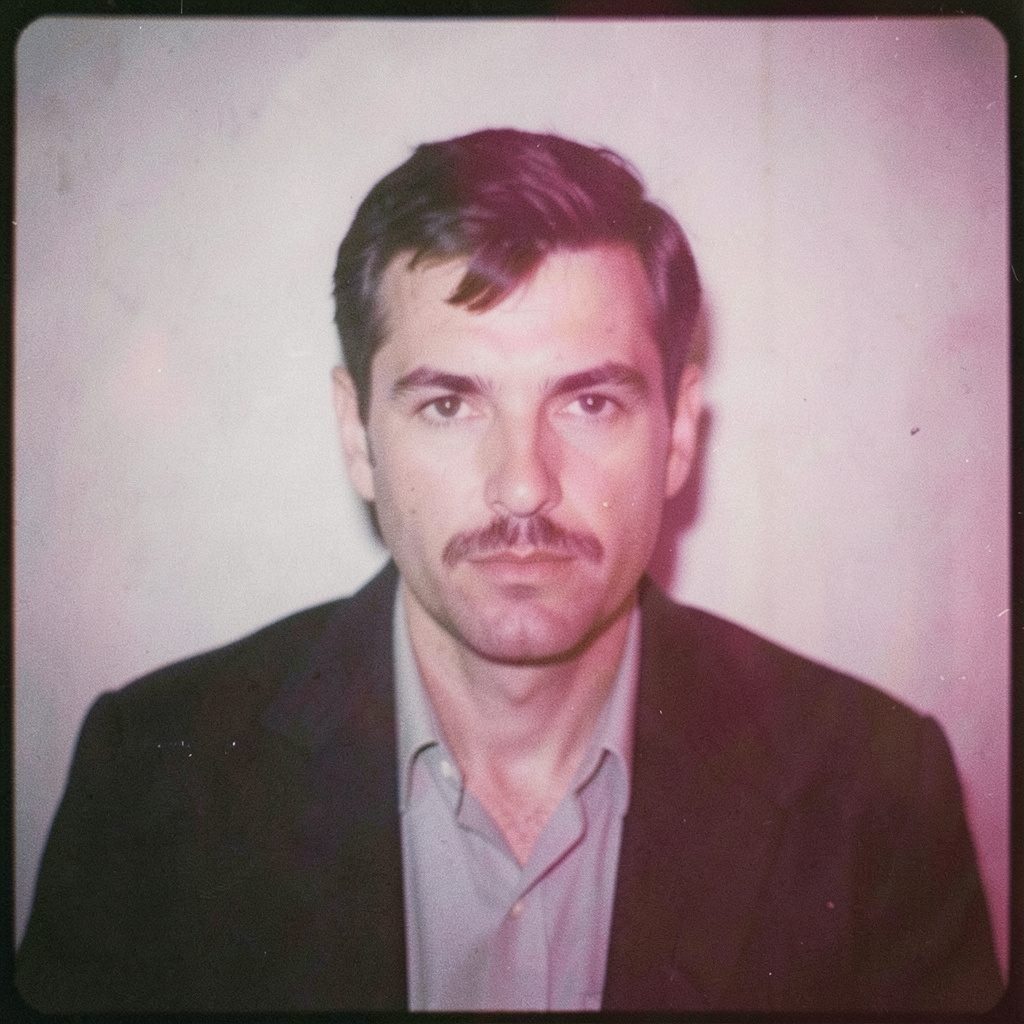
"Photography is not about the thing photographed. It is about how that thing looks photographed."
Lens Choices For Portrait Photography Explained
Choosing a portrait lens is less about finding a universally flattering focal length than deciding how you want the person, setting and viewer to relate. A 35mm lens can place a subject inside an active environment, while an 85mm lens often gives the face greater emphasis and a calmer background. The choice affects perspective, working distance, depth of field and the emotional tone of the finished photograph.
Focal length also behaves differently across camera formats. On a full-frame digital camera or 35mm film body, 50mm is considered a standard view. On an APS-C camera, a 35mm lens produces a similar field of view, while a 50mm lens behaves more like a short telephoto. Medium-format systems alter the comparison again, often delivering a distinctive rendering with generous tonal transitions and a shallower apparent depth of field.
For portrait photographers working in Australia, practical conditions matter as much as optical theory. A corporate session in a Sydney office, a fashion shoot in Melbourne laneways, or an outdoor family portrait near Brisbane may demand different equipment. Weather, available space, client expectations and the intended use of the images should guide the decision.
Start With The Visual Effect
A lens does not change facial proportions simply because its focal length is printed on the barrel. Perspective is controlled by camera position. If you move closer with a wide-angle lens, the nose appears more prominent and the ears recede because the distances between camera and facial features become more unequal. If you step back with a longer lens and keep the framing similar, those distances become more balanced, producing a flatter, quieter appearance.
This is why the working distance is one of the most useful ways to compare portrait lenses. A 24mm lens may be excellent for a person standing in a recognisable workplace, but it can become unflattering for a tight headshot when used too close. A 50mm lens offers a natural relationship between subject and surroundings, while an 85mm or 105mm lens lets the photographer maintain personal space and isolate the face.
The visual effect extends beyond facial shape. A wide lens exaggerates the distance between foreground and background, making a room feel larger and a nearby hand appear expressive. A telephoto lens compresses layers, bringing distant architecture, foliage or city lights visually closer to the subject. These qualities can be used deliberately in business portraits, editorial work and conceptual photographic series.
Aperture changes the result further. A 50mm f/1.4 can create a soft background while retaining more environmental information than an 85mm f/1.4 framed from the same apparent size. Bokeh, focus fall-off and the clarity of the eyes all depend on distance, sensor size and subject placement, so a lens should be tested in the conditions where it will actually be used.
Wide Angle Lenses In Context
Focal lengths from 20mm to 35mm are useful when the location is part of the story. Environmental portraits of architects, chefs, artists or performers can benefit from the breadth of a 28mm or 35mm lens. The subject has room to breathe, and the photograph can communicate occupation, architecture and atmosphere without becoming a simple portrait against a blank wall.
A 24mm lens is particularly expressive at close range, but it requires careful composition. Keep the face away from the extreme edges of the frame, where stretching can become obvious, and watch hands, feet and elbows that move towards the camera. A 28mm lens offers a little more restraint, while 35mm is often a safer choice for full-length portraits and documentary-style sessions.
In Melbourne’s laneways, a 35mm lens can include painted walls, passing pedestrians and changing afternoon light while keeping the subject prominent. In Sydney, it may suit a portrait made around a studio, gallery or office where the client wants the setting to signal a profession. For outdoor work in Australia, a wider lens is also useful when the horizon, coastline or open sky is central to the composition.
These lenses are less forgiving for conventional headshots. A photographer making an executive portrait for LinkedIn or a company website will usually achieve a more polished result by stepping back and using a moderate focal length. Wide-angle distortion is not automatically undesirable, though; it can communicate energy, intimacy or vulnerability when the subject and client understand the visual intention.
The Portrait Workhorses
The 50mm lens remains a versatile option because it gives a familiar perspective and works in relatively small spaces. It is comfortable for half-length portraits, couples, behind-the-scenes images and informal business photography. On a full-frame camera, it can feel observational without becoming detached. On an APS-C body, a 35mm lens usually fills a similar role.
For photographers working with available light, a fast 50mm can be valuable. An aperture of f/1.4 or f/1.8 helps in dim interiors, although shooting wide open demands precise focusing. At close distances, the depth of field may be so thin that one eye is sharp and the other falls away. Stopping down to f/2 or f/2.8 often gives a more dependable balance between separation and facial detail.
The 85mm lens is frequently chosen for headshots because it offers flattering perspective from a comfortable distance. It provides stronger subject isolation than a 50mm and makes it easier to simplify a busy background. An 85mm f/1.8 is often lighter and more affordable than a larger professional zoom, while an 85mm f/1.4 or f/1.2 can provide very pronounced background blur and distinctive rendering.
A 90mm or 105mm lens can be an excellent bridge between portraiture and fine art. It gives space for subtle direction, produces elegant compression and works well with monochrome images. When a portrait is destined for a physical print, the character of the lens matters alongside resolution. Decisions about surface and presentation can be explored through these fine art print choices, since delicate tonal transitions may appear differently on textured, matte or glossy paper.
Long Focal Length And Compression
Lenses from 105mm to 135mm are popular for fashion, editorial and formal portraiture. They compress the relationship between the subject and the background, which can make distant foliage, buildings or lights form a denser visual layer. A 135mm lens often gives a refined, cinematic separation without the extreme working distance of a 200mm lens.
The cost is physical space. In a narrow studio or suburban living room, a 135mm lens may force the photographer against a wall. Communication can also become less immediate when the camera is far away, particularly during a session that relies on small adjustments to expression or posture. These lenses are most effective when the location allows movement and the photographer has time to shape the frame.
A 70–200mm zoom provides flexibility for events, runway work and changing portraits. At 70mm, it can cover a half-length frame; at 135mm or 200mm, it can isolate a face across a room. The zoom is valuable at a wedding reception in Perth, a fashion presentation in Melbourne or a corporate event in Brisbane, where changing position may be difficult and moments cannot be repeated.
Long lenses also influence the rhythm of a visual sequence. A consistent 135mm viewpoint can make a series feel composed and intimate, whereas switching between wide and long perspectives can create contrast between context and observation. Commercial imagery often uses repetition, anticipation and variation to hold attention; photographers studying that kind of visual language may find discussions of re-spin visual language relevant to how repeated motifs shape audience expectation, even outside its original subject.
Choosing For The Assignment
A useful way to select a portrait lens is to begin with the brief rather than the equipment. For an Australian business portrait, ask whether the client needs a tightly controlled head-and-shoulders image, a relaxed environmental photograph or a library of both. A 50mm or 85mm lens may suit an executive in a meeting room, while a 35mm lens can show a designer, doctor or craftsperson in a recognisable workplace.
Space and climate should influence the plan. Outdoor sessions in Brisbane or the Gold Coast are often more comfortable early in the day, before heat and glare become intense. A photographer may need to work quickly, carry less equipment and retain flexibility when humidity affects comfort and makeup. A 35mm and 85mm pairing can cover many situations without the weight of several large zooms.
Australian commercial work also involves practical permissions. A model release is important when a recognisable person’s image will be used for advertising, packaging or promotional campaigns, and a private property owner may require permission before a shoot. The Privacy Act 1988 can be relevant when personal information is collected or stored, especially for organisations commissioning portraits, while copyright generally remains with the photographer unless rights are assigned or licensed. Clear written agreements should define usage, territories, duration and whether retouching is included.
The local market rewards reliability as much as distinctive style. Clients may need images in several crops for websites, LinkedIn profiles, press releases and social media, so leave enough space around the subject when the brief calls for flexible formats. For editorial or fashion work, a 50mm, 85mm and 135mm combination can provide a coherent set of perspectives. For events, a 24–70mm paired with a 70–200mm zoom is often more practical.
Film and digital systems can both support these choices. Medium-format film may offer a particular relationship between detail, grain and tonal depth, while digital cameras provide speed, high ISO performance and immediate review. Black-and-white portraiture can make lens rendering, skin texture and edge contrast especially visible. The best focal length is therefore the one that supports the subject’s character, the location’s meaning and the final form in which the portrait will be experienced.
Selected Series
A cross-section of commissioned and personal projects spanning fine art, commercial, and conceptual work.
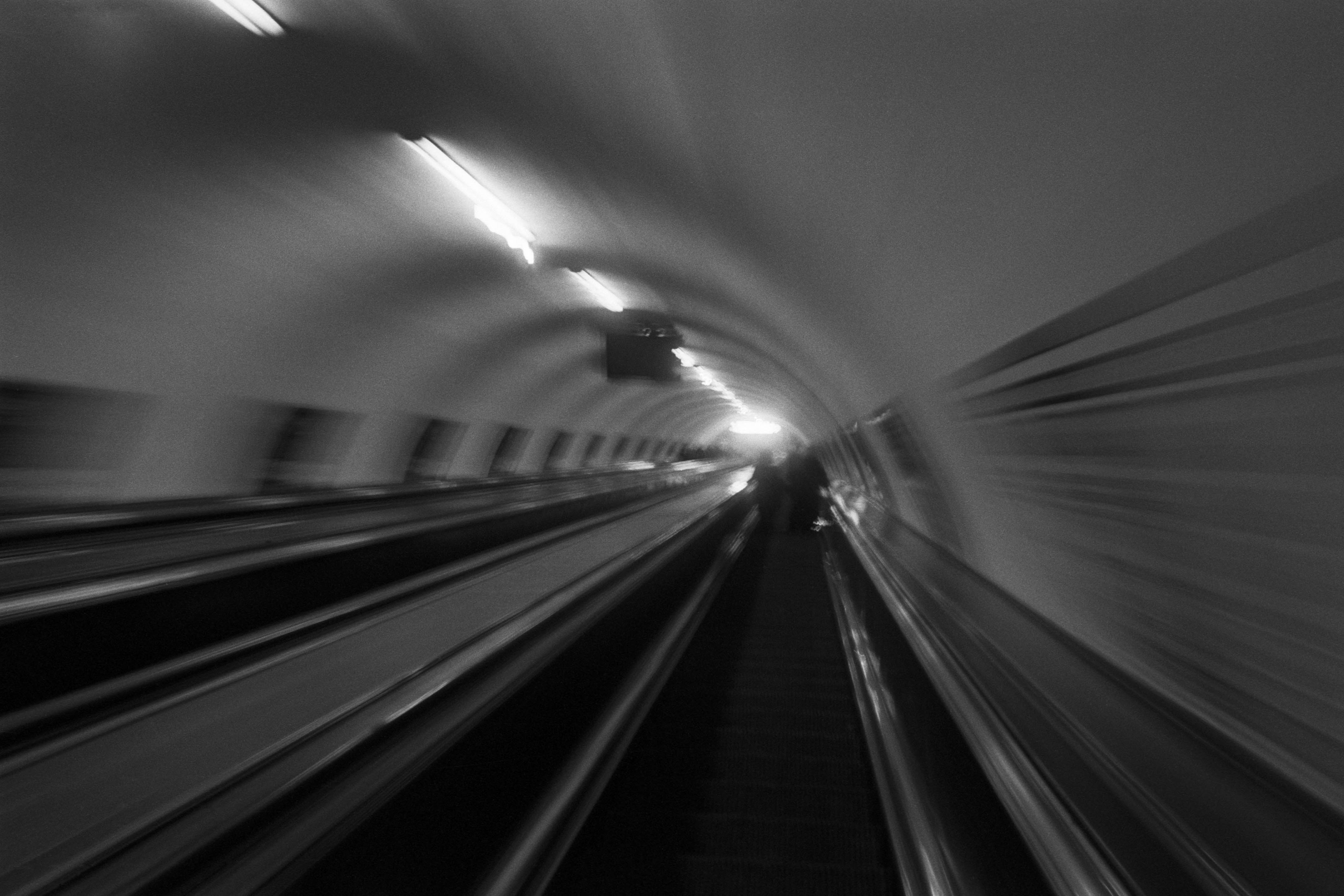
The Wall
2015Winner of the 1st prize & Golden Glass Award at the 11th Photographic Open Championship Olsztyn, and 1st place with the Special Prize of FORMAT magazine at the 3rd Biennial of Art in Piotrków Trybunalski.
View Series →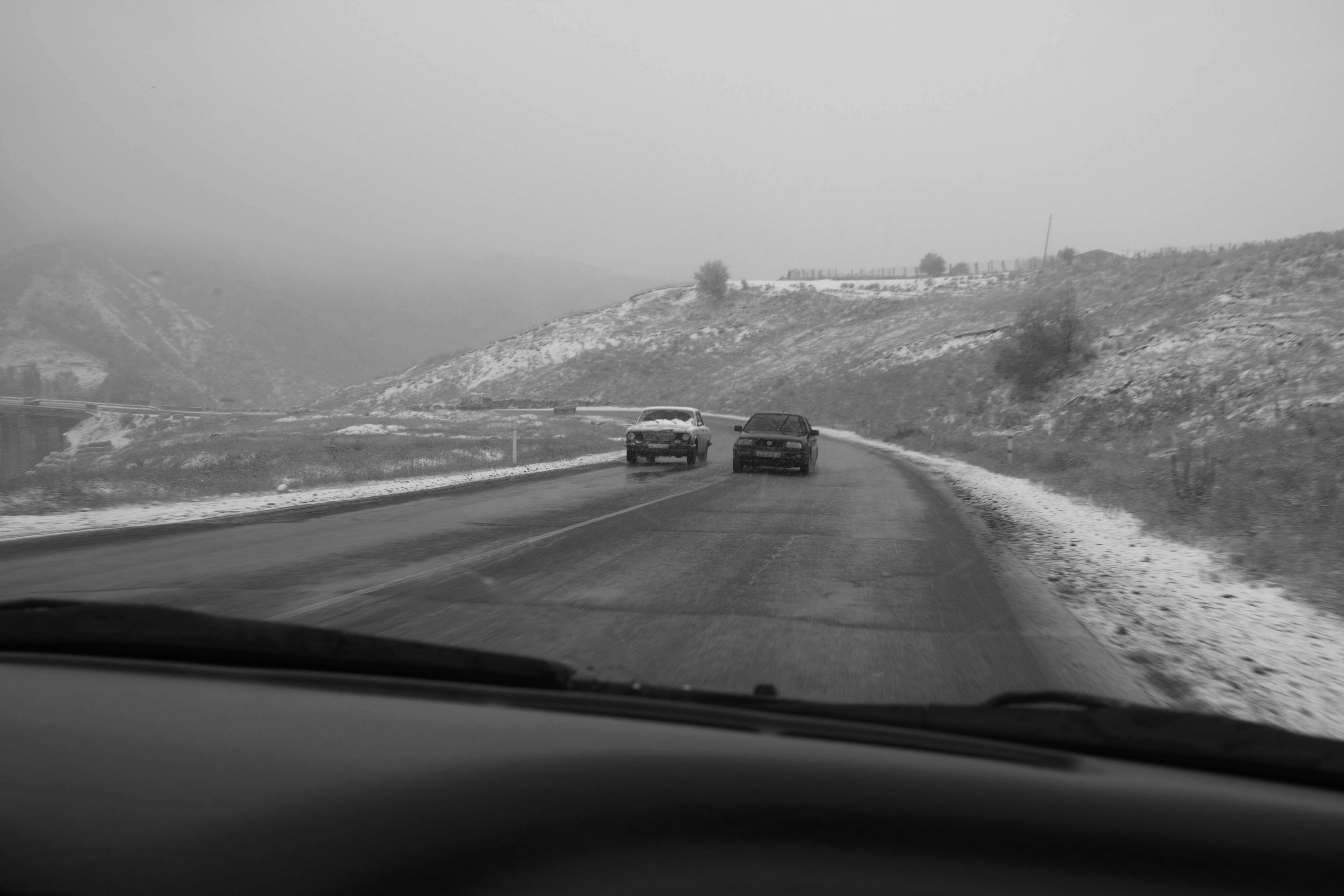
An Engagement Ring
2011A narrative series set in Wrocław in August 2011. Awarded 2nd prize & Silver Glass at the 10th Photographic Open Championship Olsztyn in 2014.
View Series →
Heat Wave
2014A documentary series recording spontaneous events across August and September 2014, capturing the raw energy of a city under the grip of summer.
View Series →