
"Photography is not about the thing photographed. It is about how that thing looks photographed."
Lessons from Extreme Weather Photography
Extreme weather changes more than the appearance of a scene. It alters how people move, how equipment behaves, how light travels through the atmosphere, and how quickly a carefully planned shoot can become unsafe. Rain, dust, heat, snow, wind and smoke all impose their own visual language. They also expose weak preparation, from an unsealed camera body to a vague agreement about what happens when conditions become dangerous.
For a photographer working across fine art, commercial assignments and portraiture, difficult weather can become a source of character rather than an obstacle. The strongest images often come from responding to conditions with patience and precision instead of forcing a preconceived idea. In Australia, where a Melbourne winter, a Sydney squall, a Darwin wet-season storm and inland heat demand very different approaches, field experience is essential.
Preparation Begins Before Leaving The Studio
A weather-resistant camera is useful, but it is only one part of a reliable kit. Pack sealed plastic bags, microfibre cloths, lens hoods, silica gel, spare batteries, a compact towel and a simple cover for the camera and lens. A clear rain sleeve is faster to use than improvised plastic, especially when an event or portrait subject cannot wait while equipment is protected. Carrying two modest towels is worthwhile: one for wiping the exterior and another reserved for lenses and filters.
Check weather radar shortly before departure, then check it again during the shoot. Forecasts can miss localised storms, coastal wind shifts and sudden temperature drops. In Australia, conditions may change quickly along the Great Ocean Road, while a supposedly clear afternoon around Sydney Harbour can produce strong gusts and spray. For an outdoor commercial commission, identify a sheltered fallback location in advance and explain it to the client as part of the plan rather than as an emergency compromise.
Preparation also includes clothing and transport. Wet shoes, cold hands and sunburn reduce concentration long before a camera stops working. Use layers that allow movement, carry water and keep a charged phone in a protected pocket. In remote areas, tell someone where you are going and when you expect to return. A beautiful landscape is never worth taking avoidable risks near cliffs, floodwater, unstable trees or exposed rock.
Light Behaves Differently In Rain And Storms
Rain softens contrast, deepens surfaces and brings out reflections that may be invisible in dry weather. Pavements, glass, leaves and painted walls become active elements in the frame. Rather than trying to make a wet street look dry, look for colour separation, reflected signage and the small gestures people make while coping with rain. A portrait subject under an awning can gain intimacy from the narrow strip of light between shelter and weather.
Storm clouds can create dramatic directional light, yet the brightest part of the sky may easily fool a camera meter. Review the histogram and protect highlights in pale cloud, wet skin and reflective surfaces. Shooting in RAW gives greater flexibility, although it does not rescue completely clipped detail. A grey day can support a restrained black-and-white treatment, especially when texture, gesture and atmosphere carry more weight than colour.
Lightning requires a different rhythm. A tripod, remote release and manual focus can help, but safety remains the primary consideration. Do not work in exposed areas during an electrical storm simply to improve the odds of capturing a strike. Waiting inside a vehicle or solid building may produce fewer frames, yet patience often creates a stronger image than hurried persistence. The interval between flashes can also reveal quieter photographs: blurred rain, empty streets and a landscape temporarily emptied of its usual activity.
Heat Changes The Camera And The Subject
Australian heat affects both photographic equipment and human behaviour. On a bright inland day, the metal body of a camera can become uncomfortable to hold, while batteries drain faster and memory cards may behave unpredictably. Keep gear out of direct sunlight when possible, use a shaded bag and avoid leaving equipment inside a parked car. A car interior can reach dangerous temperatures within minutes, turning a practical storage decision into a serious risk to electronics and film.
Heat haze is another visual factor. It can soften distant details, separate planes in a landscape and produce a dreamlike distortion around roads, buildings and horizons. This effect may suit a conceptual series, but it can undermine a business portrait or architectural commission. Move closer, choose a shorter distance between camera and subject, or schedule the shoot for early morning when the air is calmer and skin tones are easier to control.
People also photograph differently in heat. A subject may squint, sweat, tire quickly or lose concentration, particularly beneath formal clothing. In the Australian summer, scheduling an outdoor portrait for the cooler morning is considerate and practical. Build short pauses into the session and keep water available. A relaxed subject produces more convincing expressions than someone enduring an uncomfortable afternoon for the sake of a rigid timetable.
Wind Demands A Slower, More Deliberate Setup
Wind reveals weaknesses in tripods, light stands and backgrounds. Sandbags are essential for larger modifiers, while smaller setups may need a lower centre of gravity and fewer extended legs. Keep stands close to you until the light is fully positioned, and never assume that a calm moment will last. Along the coast, a gust can move an umbrella, scatter styling materials and send fine salt spray across a lens in seconds.
Wind can be used creatively when the movement is intentional. Clothing, hair, grasses and fabric may create a sense of motion that a controlled studio setup cannot reproduce. Use a faster shutter speed when gesture must remain sharp, or allow a little motion blur when atmosphere matters more than precision. The decision should come from the subject and the story, rather than from an accidental technical failure.
Communication becomes especially important on commercial jobs. Give the team a clear stop signal and keep instructions short when the environment is noisy. Around Bondi, St Kilda or other exposed waterfront locations, local wind can make conversation difficult and equipment vulnerable. A permit, a location manager and a practical backup plan may be expected by agencies and corporate clients, particularly when a shoot involves hired crew, talent or expensive styling.
Dust, Smoke And Salt Leave Lasting Traces
Dust storms and dry, windy conditions can transform the colour and density of the air. Fine particles enter bags, focusing rings and tripod joints, so change lenses only in a protected area and keep the camera facing down when a change is unavoidable. A blower is safer than brushing grit across a sensor or filter. Clean equipment carefully after the shoot, paying attention to seams, ports and the edges of lens caps.
Bushfire smoke creates a different kind of atmosphere. It can mute contrast, turn sunlight orange and make distant forms disappear. These conditions may produce compelling images, yet health must govern the decision to continue. Check local air-quality information, avoid exposing vulnerable subjects, and treat official fire warnings seriously. A commercial client will value a photographer who recognises when a visually promising situation has become unsuitable for people.
Salt spray is equally deceptive. A lens may appear clear while a fine residue gradually reduces contrast across a series. Wipe filters frequently with a clean, slightly damp cloth and keep spare filters available. At the end of the day, clean the exterior with care rather than rushing equipment straight into a cupboard. When a photograph is destined for a large print, small losses in clarity and surface detail become more noticeable.
The physical finish of an image deserves the same attention as capture. For photographers combining analogue and digital methods, archival printing techniques help preserve the tonal subtlety and material qualities that difficult weather can reveal. A storm image may depend on delicate greys, muted highlights or fine grain, all of which need an appropriate paper and controlled production process.
Film And Digital Workflows Need Different Discipline
Extreme weather exposes the distinct strengths and limitations of film and digital capture. Digital cameras offer immediate feedback, flexible ISO settings and the ability to respond quickly when light changes. Film encourages a more measured approach, particularly when each frame has a cost and the photographer must commit to a decision. Medium-format film can render cloud, skin and wet surfaces with remarkable nuance, but it demands careful protection from moisture and heat.
Keep film in its recommended storage conditions and avoid allowing cold cartridges to develop condensation when brought into a warm, humid environment. Let them acclimatise inside a sealed bag before opening it. The same principle applies to a camera moving between a cool vehicle and a hot exterior. Sudden temperature changes can cause condensation on lenses, viewfinders and internal components, so gradual transitions are safer than immediate exposure.
Bad weather also changes the value of reviewing every frame. In rain or glare, a screen may be difficult to read, and repeated checking can expose the camera unnecessarily. Develop a routine: confirm focus and exposure in a sheltered moment, then work for a short sequence before checking again. For portraits, keep the conversation flowing and watch the subject rather than allowing the device to dictate the pace.
A strong workflow includes careful notes. Record the location, weather, lens, exposure and any unusual treatment applied during development or post-production. These details help reproduce a visual result and distinguish deliberate texture from accidental damage. They also support a coherent body of work when several weather-driven images become part of a fine art series.
Safety And Adaptation Improve The Final Image
The most valuable lesson from severe conditions is that adaptation must happen early. If a subject is shivering, a stand is unstable or visibility is deteriorating, changing the plan is a professional decision. A session can move beneath a verandah, into a car park, beside a doorway or into a studio without losing its visual purpose. Constraints often sharpen the work by forcing attention onto gesture, framing and available light.
For events, the photographer must balance atmosphere with responsibility. Rain at a wedding, wind at an outdoor launch or heat during a sporting event may create memorable moments, but guests, staff and equipment still need protection. Speak with organisers before the day about covered positions, access routes and timing. In Australia, outdoor events may also be affected by total fire bans, council restrictions or sudden storm warnings, so a venue’s local procedures should be understood before arrival.
Weather can reveal something honest about a place and its people. A wet tram platform in Melbourne, a dusty road beyond Alice Springs or a humid street in Darwin carries more meaning when photographed with respect for the environment rather than treated as spectacle. Local knowledge matters: talk with residents, listen to venue staff and understand how a community responds to its climate. Even a casual “no worries, we’ll shift over here” can signal a practical change that protects everyone and improves the session.
The finished photograph should retain the memory of the conditions without being overwhelmed by them. Sometimes this means preserving grain, blur, muted colour or uneven light. At other times, restraint in editing allows a portrait or commercial image to remain clear and useful. Extreme weather teaches the photographer to observe before reacting, to prepare without becoming rigid and to recognise that technical control is most valuable when it serves the feeling of the scene.
Selected Series
A cross-section of commissioned and personal projects spanning fine art, commercial, and conceptual work.
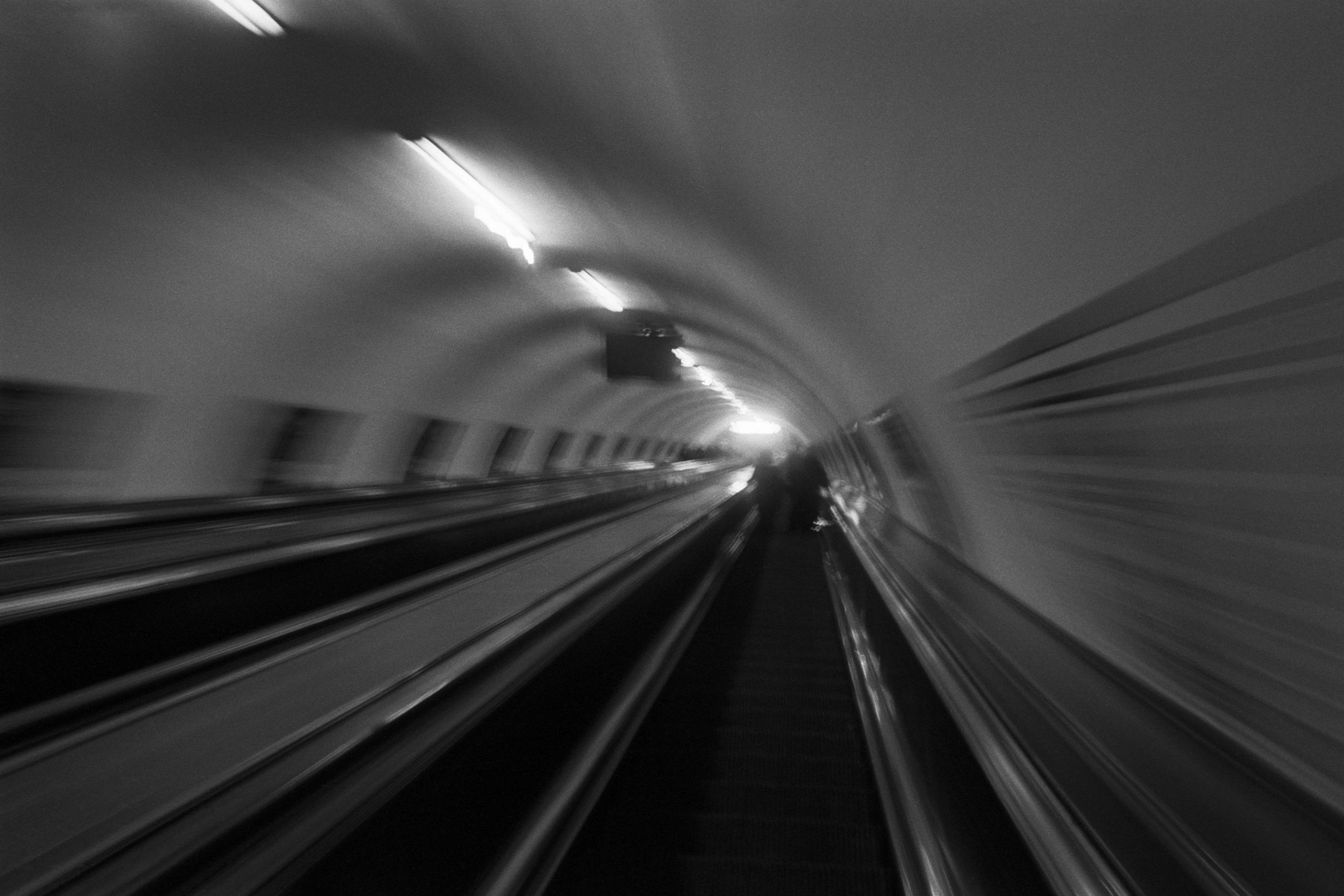
The Wall
2015Winner of the 1st prize & Golden Glass Award at the 11th Photographic Open Championship Olsztyn, and 1st place with the Special Prize of FORMAT magazine at the 3rd Biennial of Art in Piotrków Trybunalski.
View Series →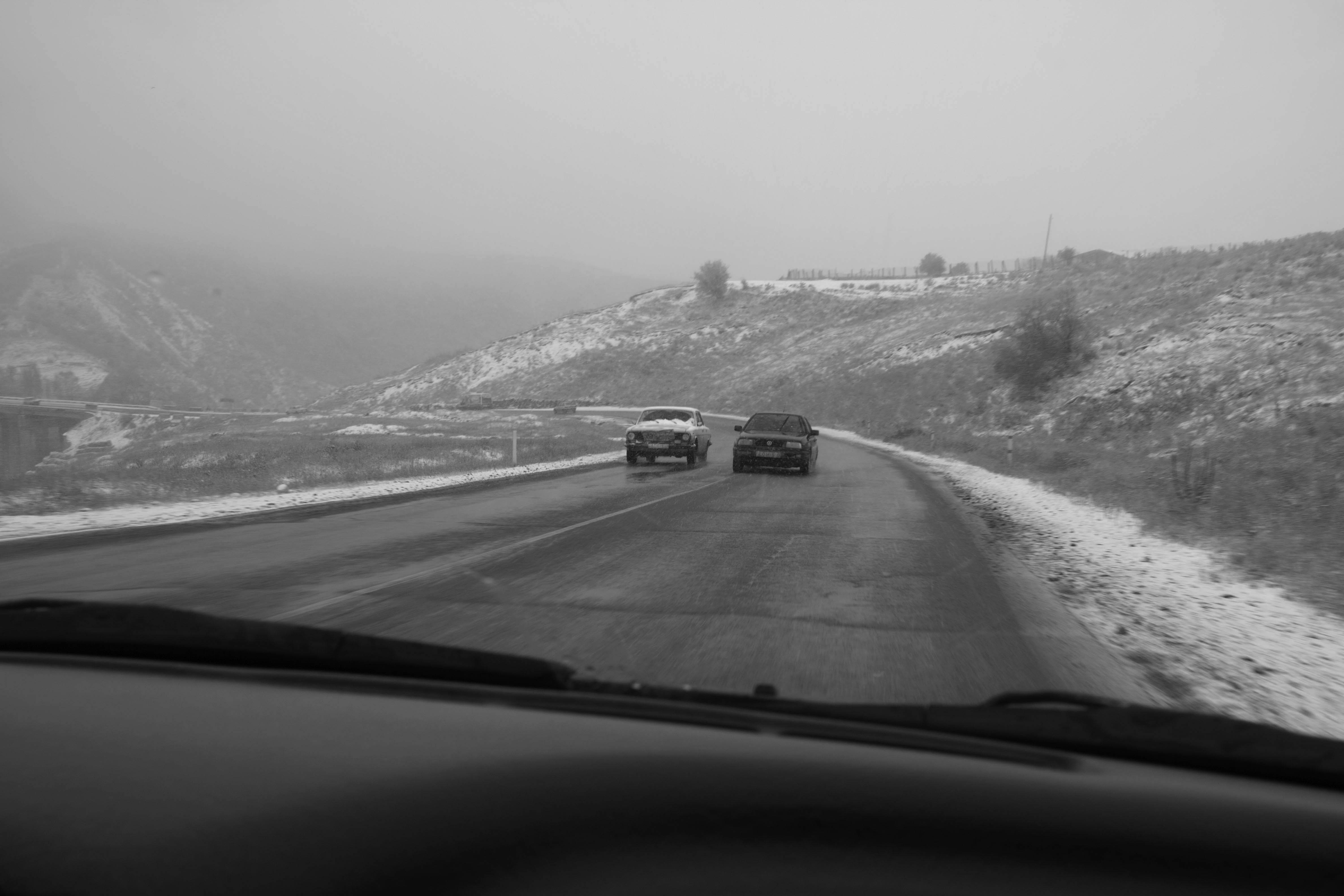
An Engagement Ring
2011A narrative series set in Wrocław in August 2011. Awarded 2nd prize & Silver Glass at the 10th Photographic Open Championship Olsztyn in 2014.
View Series →
Heat Wave
2014A documentary series recording spontaneous events across August and September 2014, capturing the raw energy of a city under the grip of summer.
View Series →