
"Photography is not about the thing photographed. It is about how that thing looks photographed."
Film Stocks Behind Memorable Portraiture
When photographers ask which film stocks I favour for portraits, my answer depends on the person, the available light and the mood of the finished photograph. Some emulsions flatter skin with gentle colour, while others reward closer attention to gesture, shadow and grain. Working from Wrocław, I often welcome the city’s soft skies, although Australian daylight presents a completely different creative problem.
My dependable choices include Kodak Portra 400, Ilford HP5 Plus, Kodak Tri-X 400, Ilford Delta 100, Fujifilm Acros II and Kodak Ektar 100. None is universally perfect, yet each creates a recognisable portrait when its strengths are respected. For Australian photographers, that distinction matters because strong sunlight, rapid weather changes and demanding commercial schedules leave little room for an unpredictable emulsion.
Choosing Emulsion Before Camera Style
Film selection begins with the photograph you want to make, not with a camera or format trend. A corporate portrait may need forgiving exposure and natural skin tones. A fashion series might call for deeper blacks, pronounced grain or dense colour. A quiet fine-art portrait often benefits from fine detail and subtle tonal transitions. I decide how I want light and skin to behave before choosing the stock.
The camera and film back still influence those decisions. A medium-format body gives me the option to work with 120 film, control perspective and create a different rhythm between sitting for a portrait and documenting it. This medium-format camera guide explains the practical differences between common systems. On any camera, however, reliable metering, consistent film handling and careful composition remain more important than brand prestige.
Portra 400 for Open-Air Portraits
Kodak Portra 400 is my most frequent colour choice because it records skin with softness without erasing expression. Its grain remains fine enough for both a head-and-shoulders portrait and a wider environmental frame. Pale complexions retain warmth, deeper tones remain gentle, and bright areas often roll away with a pleasant density rather than forming abrupt patches.
Australian midday sun requires restraint. Portra has useful exposure latitude, yet no film can recover skin tones that have clipped completely. I look for open shade beneath a verandah, beside a pale wall or near the edge of a building. Australian portrait photographers often call this a “shady spot”, while the familiar studio solution is a reflector or beauty dish positioned close to the subject.
For commercial work in Sydney, Melbourne, Brisbane and other competitive markets, I prefer a test roll before an important session. A production day, assistant and location fee cannot absorb the cost of an unsuitable emulsion. Portra usually performs consistently enough to serve as the dependable baseline, leaving experimental choices for tests or projects that permit more uncertainty.
Black-and-White Stocks with Distinct Voices
Ilford HP5 Plus is the most flexible black-and-white stock in my kit. Rated at ISO 1600, it captures shadow and highlight detail across demanding lighting conditions, and its grain gives informal portraits a reassuring texture. It is especially useful indoors near a window or during business sessions where facial expressions change quickly and the available light cannot be controlled precisely.
Kodak Tri-X 400 has a sharper, more assertive character. It gives clothing, hair and facial movement a crisp definition, making it effective for fashion, documentary portraiture and subjects who prefer a direct presence. The contrast can feel severe in hard sunlight, so I often soften the light before loading the camera. Under softer conditions, Tri-X can produce the decisive graphic quality that HP5 would blur.
Ilford Delta 100 serves a different purpose. Its fine grain and smooth transitions suit formal portraits, restrained fine-art studies and 6×7 medium-format work, where enlargement can reveal subtle expressions and skin texture. I choose it when the image should feel controlled rather than visibly grainy. In a digital scanning and printing workflow, Delta retains its tonal character while allowing precise output adjustments.
Acros II for Detail and Stillness
Fujifilm Acros II has long been a favourite for quiet portraits because its fine grain supports delicate features, fabric and tonal gradation. The slower emulsion rewards stillness, making it well suited to seated studies, artists, writers and carefully arranged family portraits. On a tripod, even a small shift in expression can become distracting, so preparation matters more than speed.
Its value becomes clearer in the darkroom or during high-resolution scanning. Acros II does not create detail that was absent from the negative, but it holds subtle differences within shadows and highlights with remarkable clarity. I favour this stock when a portrait should invite prolonged looking. Quick street photography and energetic movement generally call for a faster film.
Ektar 100 and the Case for Colour Contrast
Kodak Ektar 100 gives fashion portraits a more saturated visual language. Reds, blues and dark clothing separate strongly, while skin receives a cleaner and sometimes sharper appearance than it does on Portra. I can use that contrast deliberately in a graphic series, particularly when the setting contains bold architecture, painted surfaces or strong blocks of colour.
The same qualities demand careful exposure. Ektar’s reputation for deep colour comes with less tolerance for clipped skin and bright reflective surfaces. Open shade suits it far better than the middle of a hot Australian day. I meter for the brightest part of the face, watch pale clothing and check the background for competing colour. The resulting image should feel vivid without making the sitter appear artificial.
Gold 200 remains useful as a practical alternative when a project needs slightly more latitude than Ektar and less emphasis on perfect neutrality. The choice depends on the colour brief and how the negatives will be edited. In commercial work, I compare contact sheets under neutral light, then scan the same frame from each emulsion. The preferred stock is usually the one that preserves the intended relationship between skin, wardrobe and surroundings.
Managing Film in Australian Conditions
Heat and humidity can undermine a film stock before it reaches the camera. Melbourne’s variable temperatures, Perth’s dry warmth and the persistent humidity around Cairns each create different storage concerns. I keep sealed film cool, dark and dry, and I avoid leaving it in a parked car. After a session, exposed negatives go into a rigid container promptly rather than remaining on a warm chair or crowded production table.
Condensation deserves equal attention. Film moved directly from a cool vehicle into warm, humid air can acquire moisture that encourages haze or sticking. Keeping it sealed while it warms gradually reduces that risk. These habits are particularly useful in Australia, where an outdoor shoot can move from a cool morning to a hot afternoon within a few hours. Heat protection supports both image quality and the practical reliability expected by clients.
For another perspective on emulsion behaviour and portrait-film handling, I keep this portrait emulsion discussion among my references. Imported stock may also require extra time to reach Australian retailers, and airport X-ray inspection can affect sensitive emulsions. I carry valuable film in hand luggage, keep exposed and unexposed portions separate, and allow time for mail-order stock before a confirmed production date.
A Practical Selection for Working Photographers
Rather than carrying every film I admire, I select a small group according to the assignment. A business portrait needs dependable skin colour, a fashion session may reward graphic contrast, and a fine-art commission may depend on tonal subtlety. The working kit should offer visual range without turning every frame into an experiment.
- Choose Portra 400 for approachable colour portraits, natural skin rendering and sessions involving changing facial expression or available light.
- Carry HP5 Plus for difficult illumination, environmental portraits and black-and-white work where shadow detail and visible grain can enrich the result.
- Use Tri-X 400 when movement, wardrobe or structure needs a sharper appearance and the lighting can support its assertive contrast.
- Select Delta 100 for controlled portraits, medium-format negatives and fine-grain images intended for close examination or large prints.
- Reach for Acros II when the sitter can remain still and the composition depends on delicate detail, quiet expression and subtle tonal range.
- Load Ektar 100 for fashion and editorial work built around bold colour, provided skin highlights and reflective surfaces are carefully controlled.
This combination covers colour, monochrome, movement and stillness without pretending that one stock can produce every kind of portrait. I return to familiar emulsions because their known behaviour becomes part of the visual language. The camera records light, but the selected film determines how that light is allowed to live in the finished photograph.
Selected Series
A cross-section of commissioned and personal projects spanning fine art, commercial, and conceptual work.
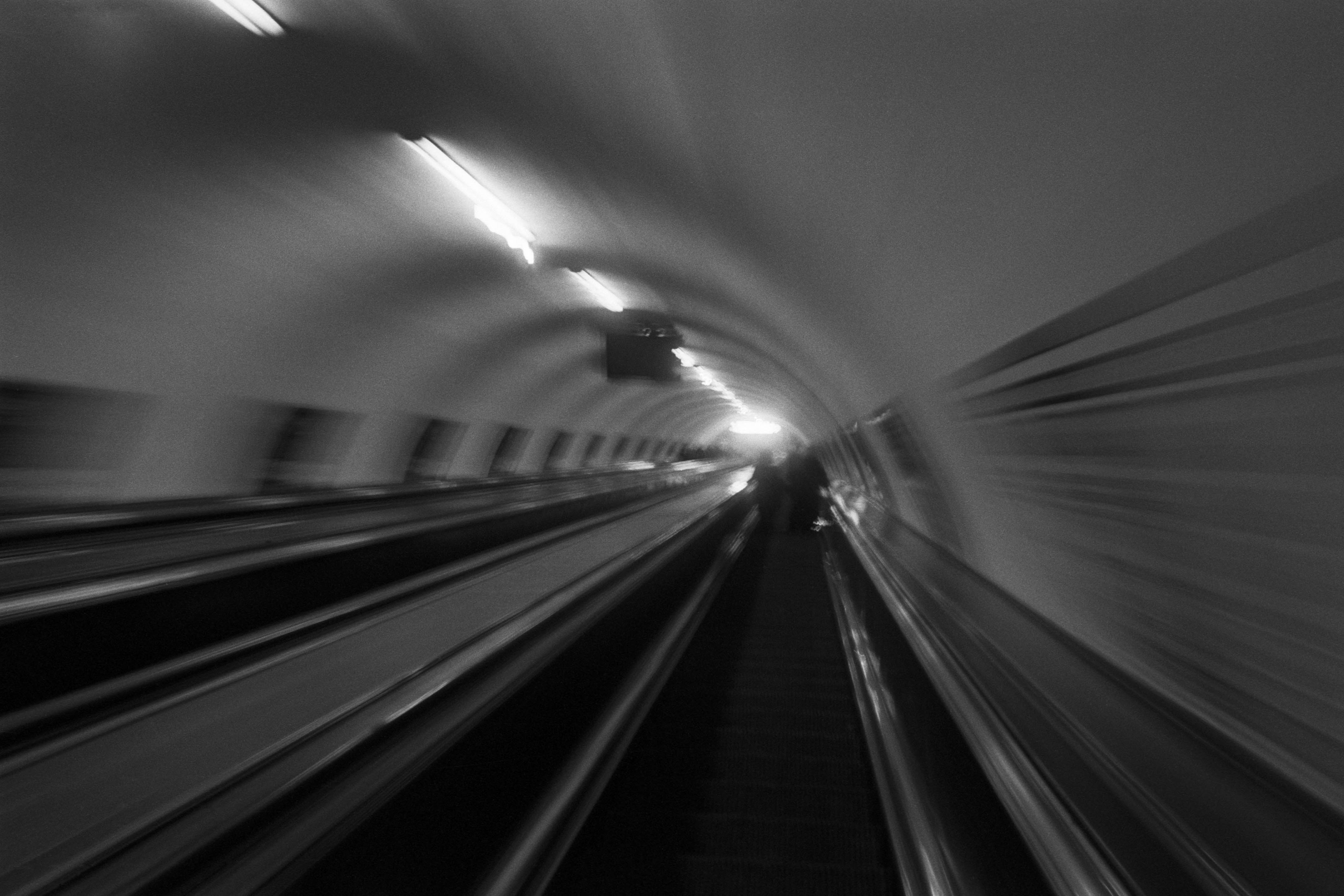
The Wall
2015Winner of the 1st prize & Golden Glass Award at the 11th Photographic Open Championship Olsztyn, and 1st place with the Special Prize of FORMAT magazine at the 3rd Biennial of Art in Piotrków Trybunalski.
View Series →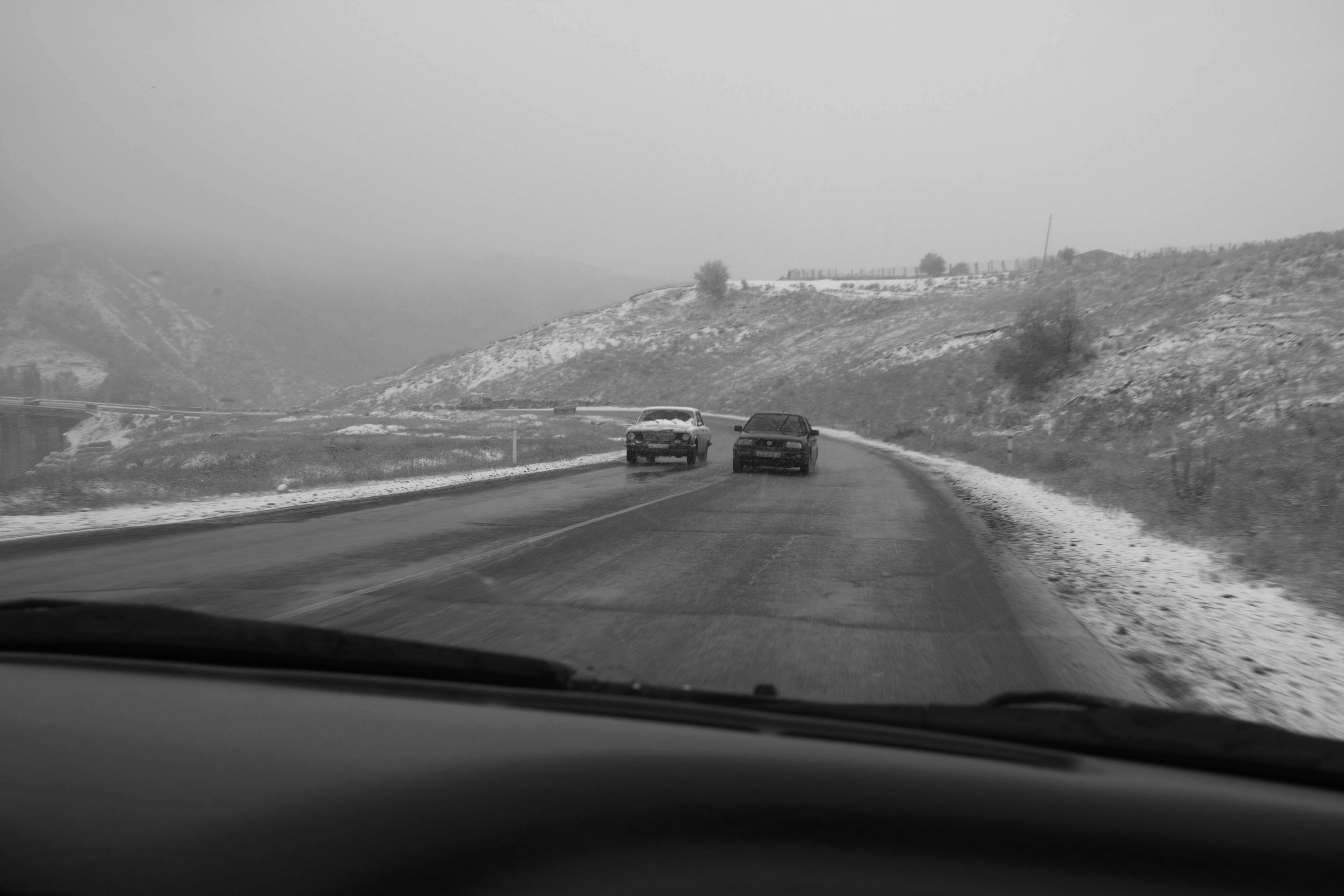
An Engagement Ring
2011A narrative series set in Wrocław in August 2011. Awarded 2nd prize & Silver Glass at the 10th Photographic Open Championship Olsztyn in 2014.
View Series →
Heat Wave
2014A documentary series recording spontaneous events across August and September 2014, capturing the raw energy of a city under the grip of summer.
View Series →